
NATIONAL PARKS
Gateway Arch
A Field Guide
On this page
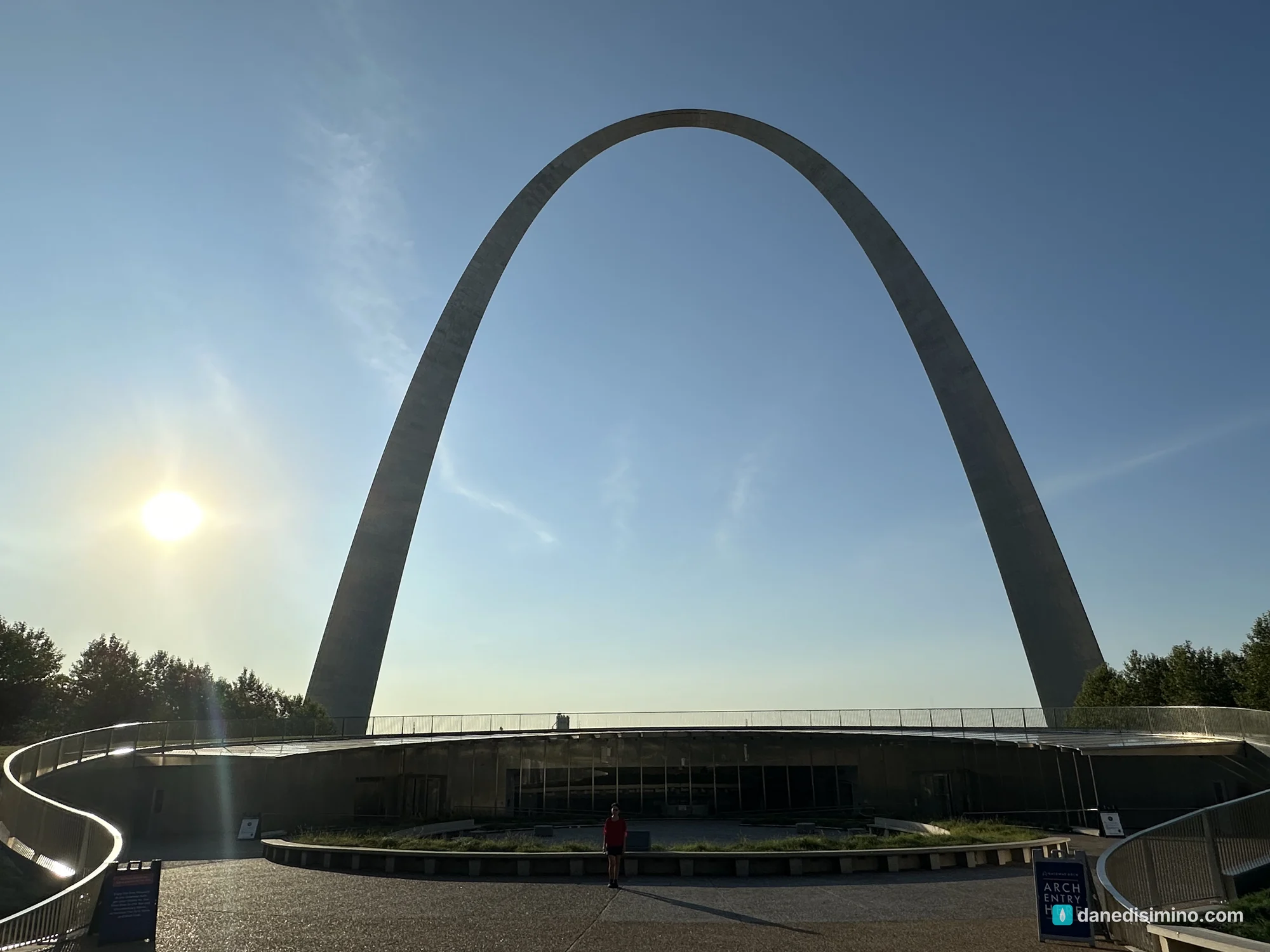
A sunrise stop at the smallest national park on our drive home: one stunning piece of steel, 91 acres of grounds and a lot of history. How the Arch stands, how a riverfront memorial became a national park, and how to plan the visit we didn't, with a ticket to the top.
Version 1.0 · Updated Nov 20, 2026
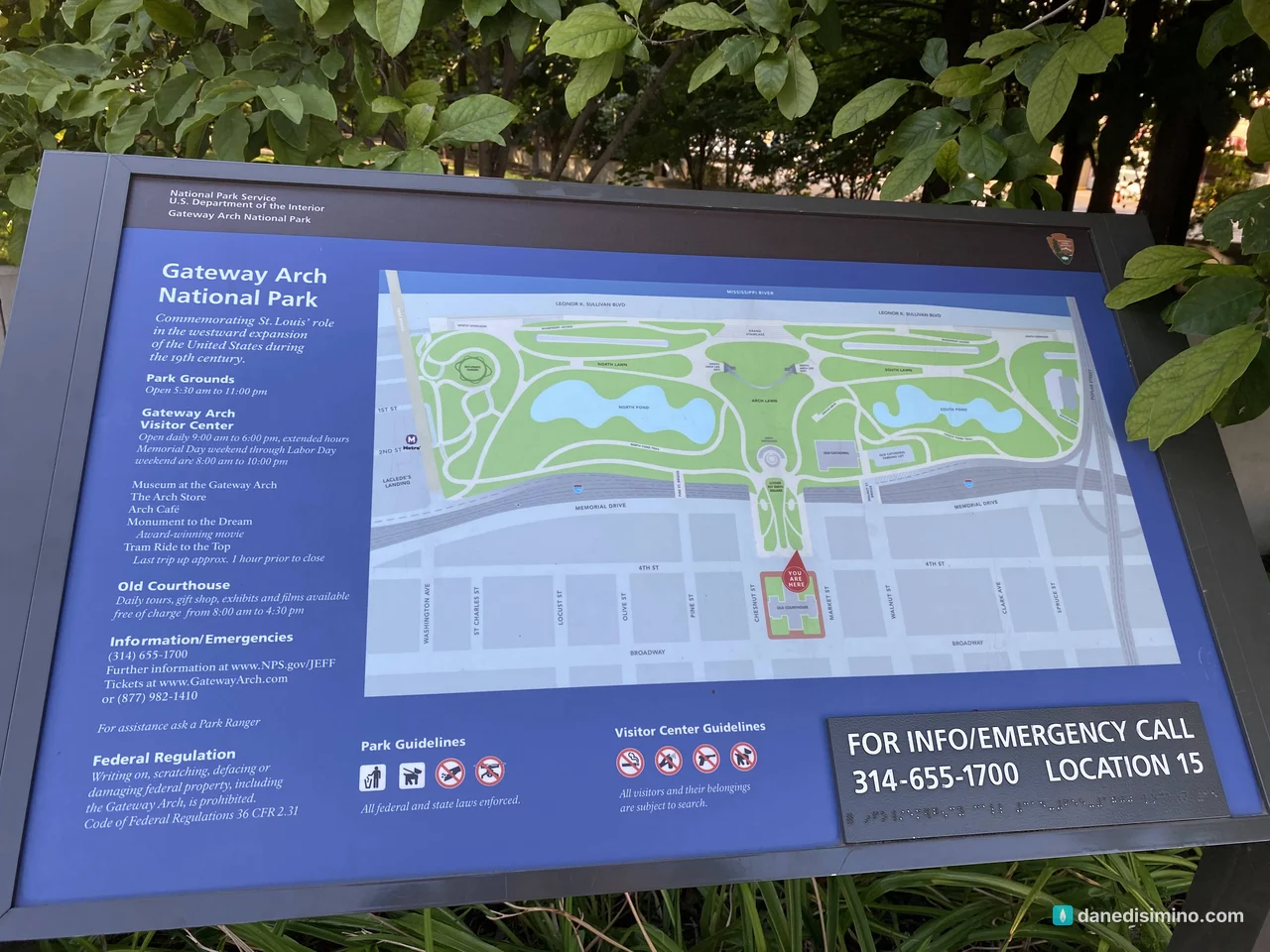
Map
When to go
Average monthly visits, 2023–2025. Source: NPS visitor statistics. ● marks the months we visited.
| January | 65,303 |
|---|---|
| February | 82,951 |
| March | 219,450 |
| April | 196,677 |
| May | 221,640 |
| June | 296,744 |
| July | 491,427 |
| August | 271,608 |
| September | 170,689 |
| October | 144,289 |
| November | 123,967 |
| December | 113,560 |
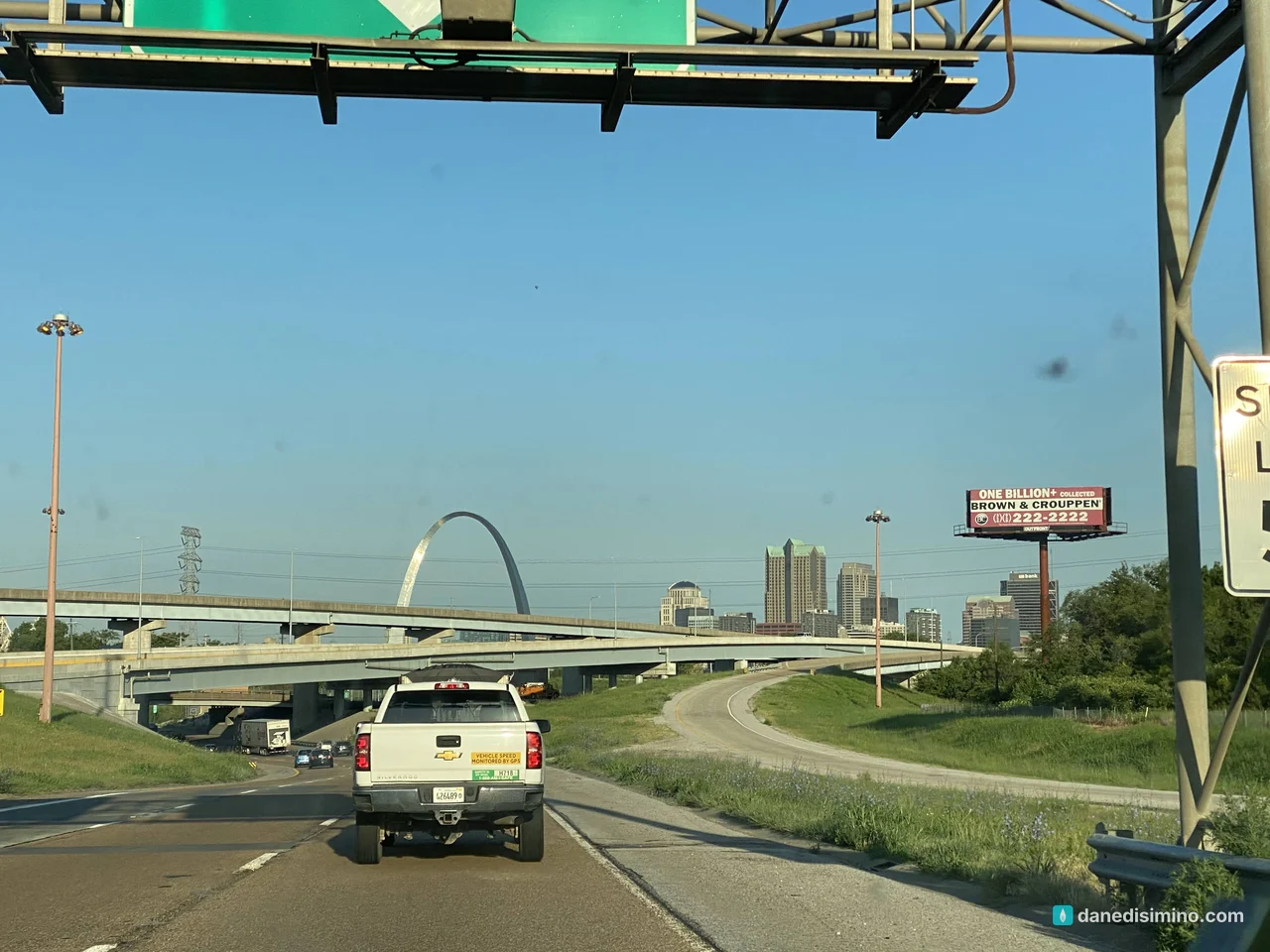
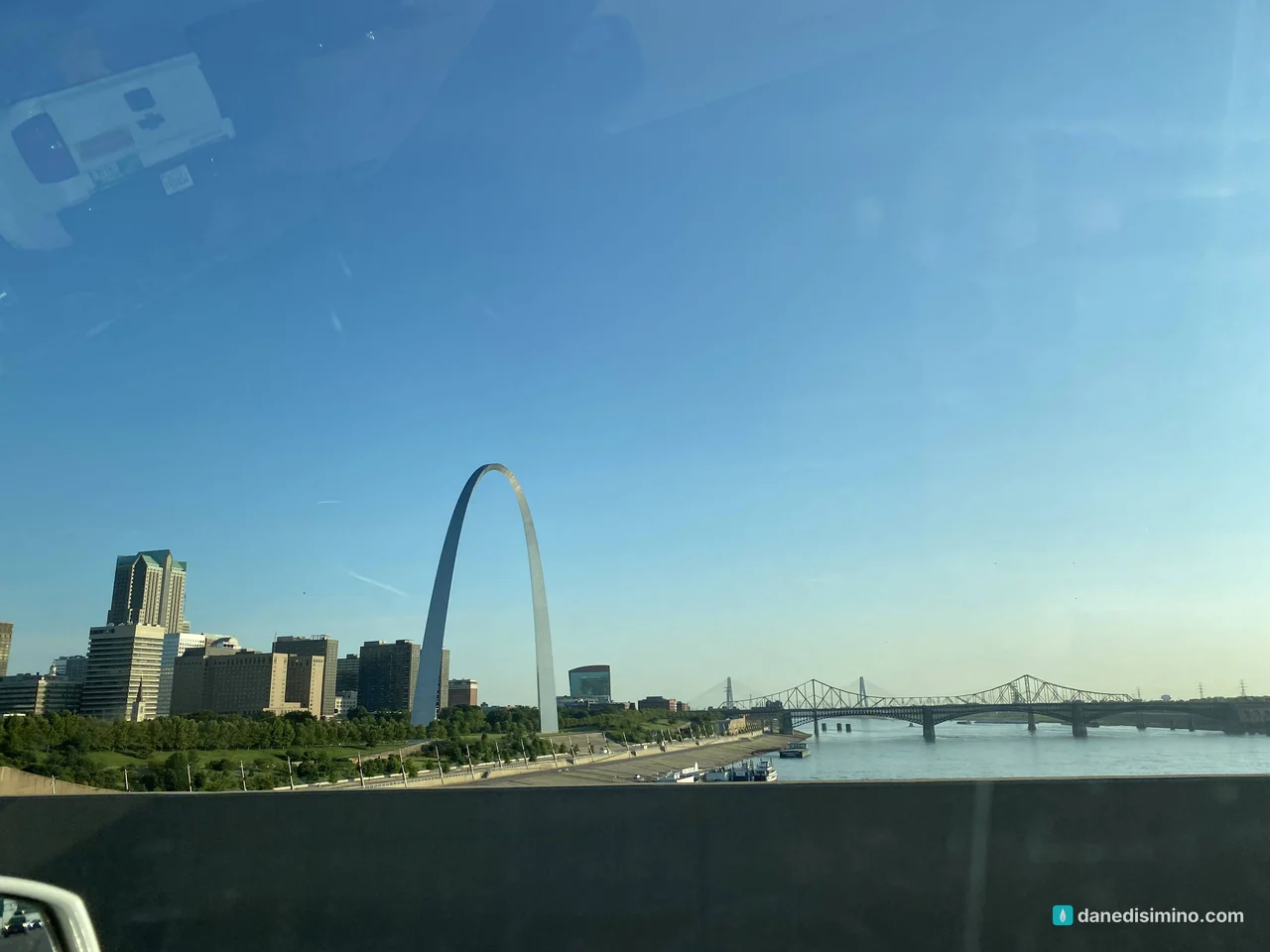
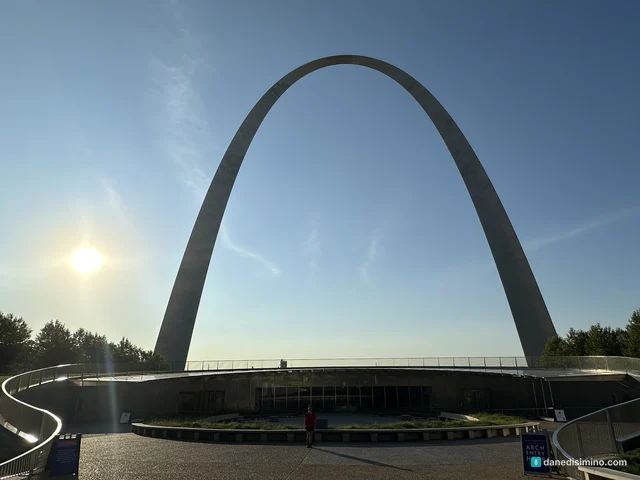
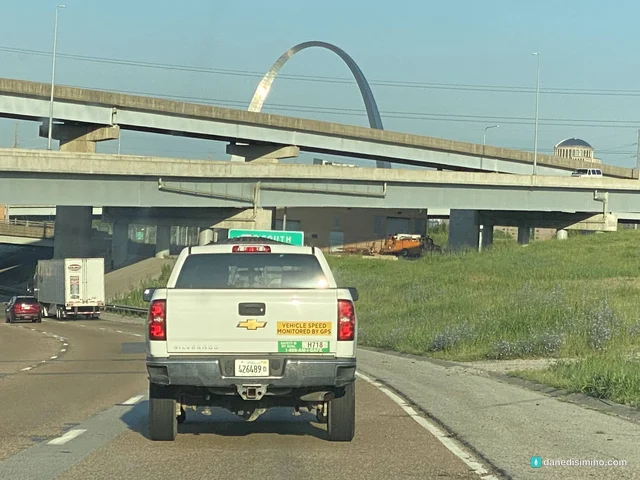
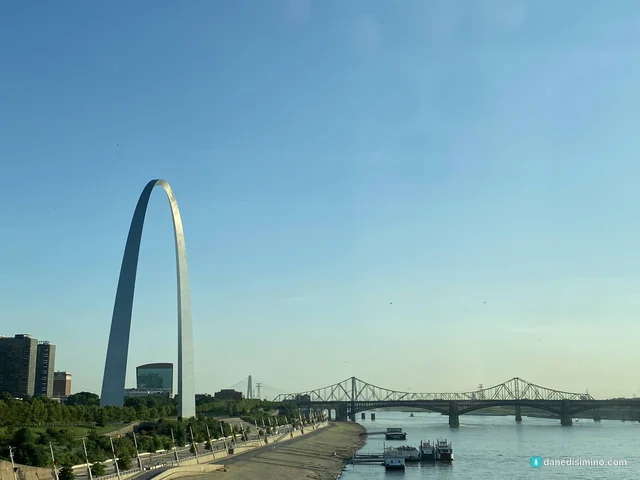
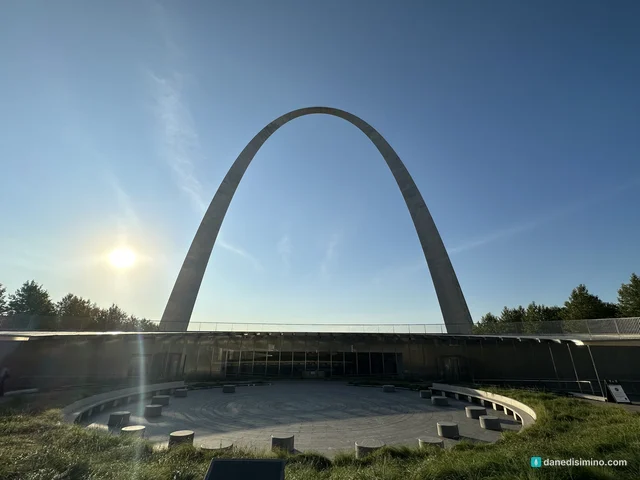
The Gateway Arch was the last stop of our five-park eastern trip. We rolled into St. Louis just before 7 a.m. on July 7, 2023, on our way home to Colorado.
Like Hot Springs, it left us scratching our heads: how did this become a national park? There's real history here, and the Arch is a stunning piece of architecture in America's heartland. But it's not a park that will leave you inspired or that's worth a trip on its own. We were just glad to see it on the drive home.
The Arch became a moment of reflection: looking back east, heading home west.
The short version
Stop on a road trip. One to two hours covers the grounds and the free museum.
Book the tram ahead. The ride to the top needs a ticket and often sells out in summer.
Time it right. We came early in the morning, before the Arch opened. Check the hours if you want to go inside.
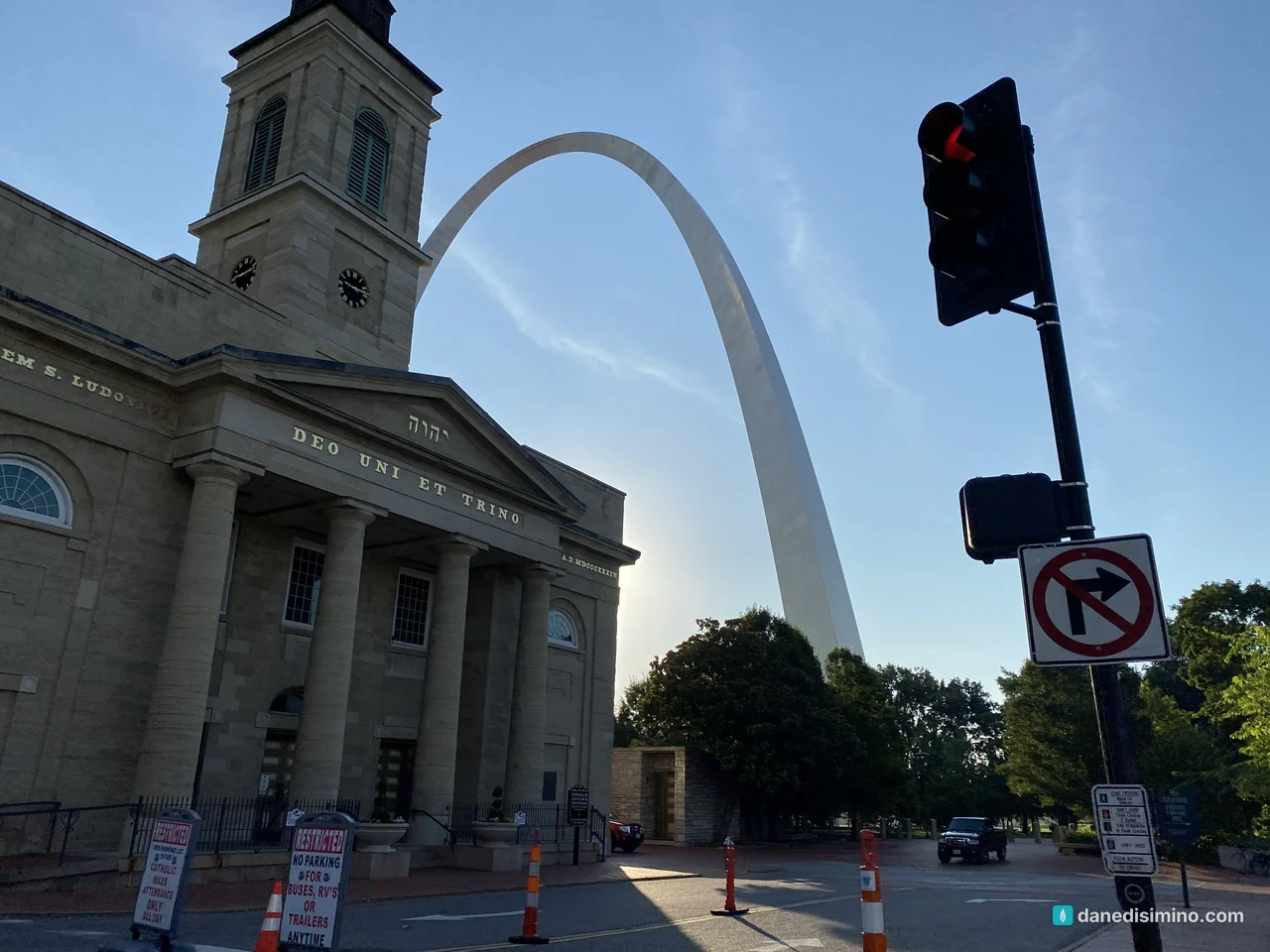
See the Old Courthouse. It's free, and it's where Dred and Harriet Scott sued for their freedom.
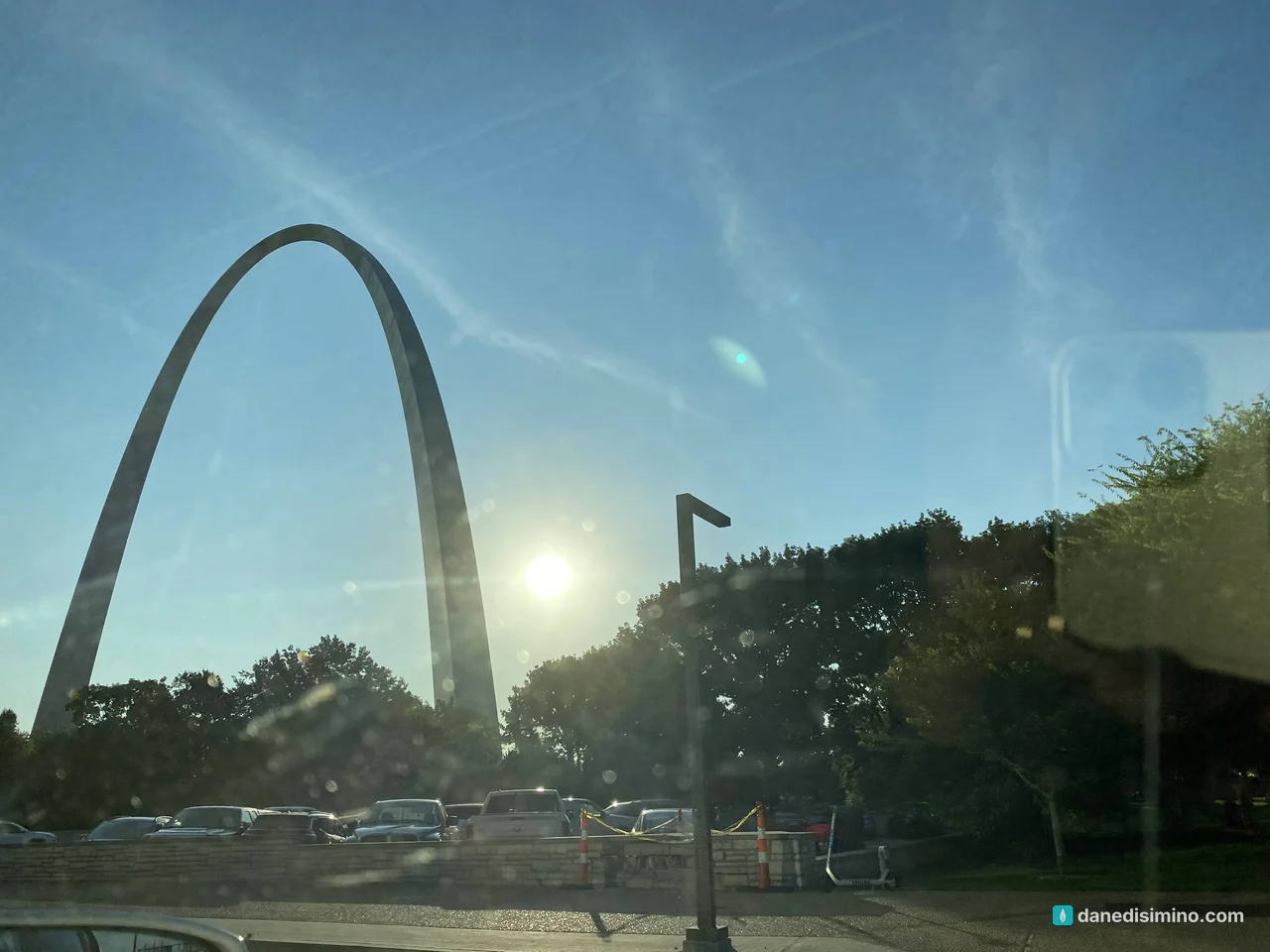
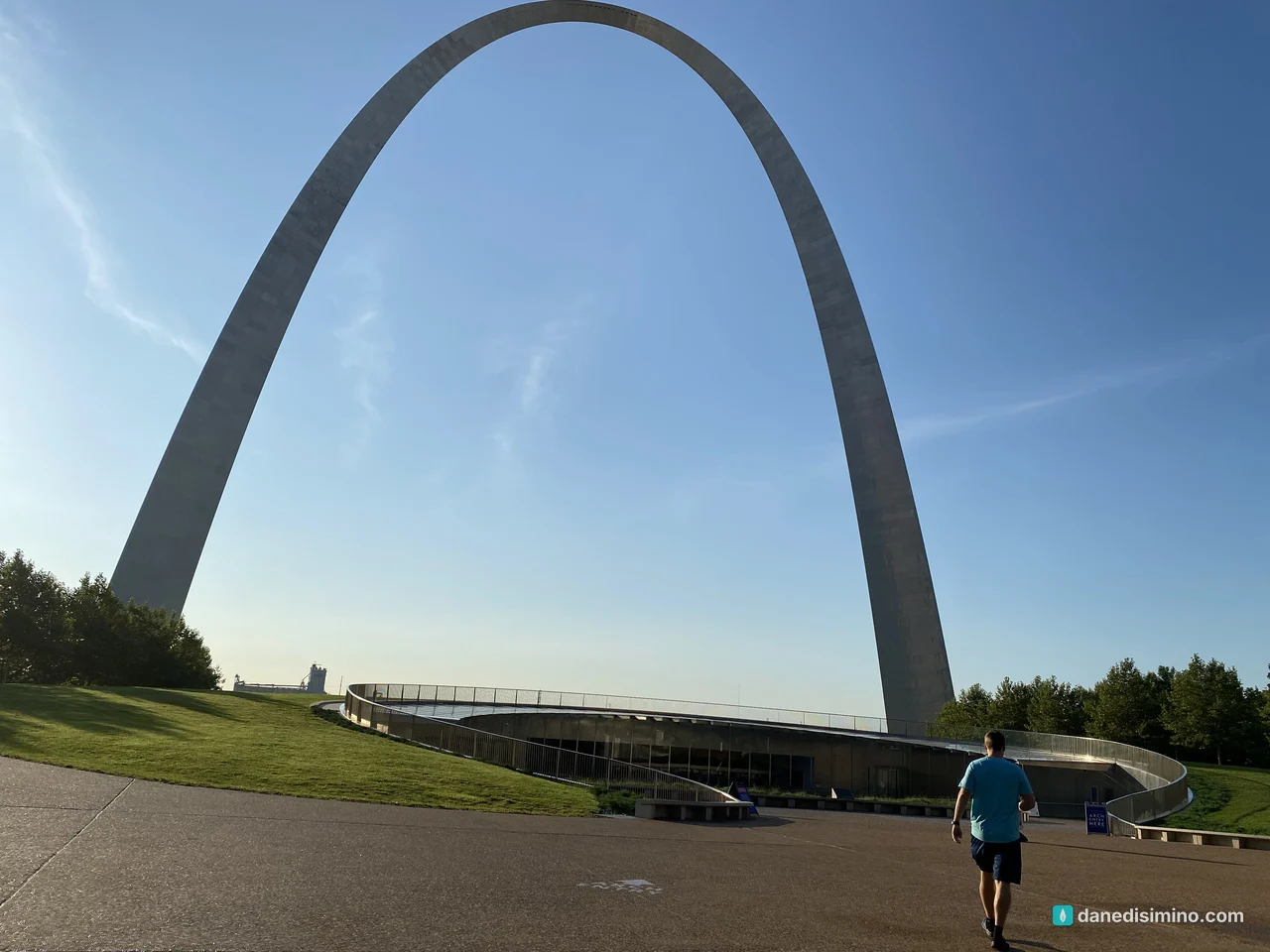
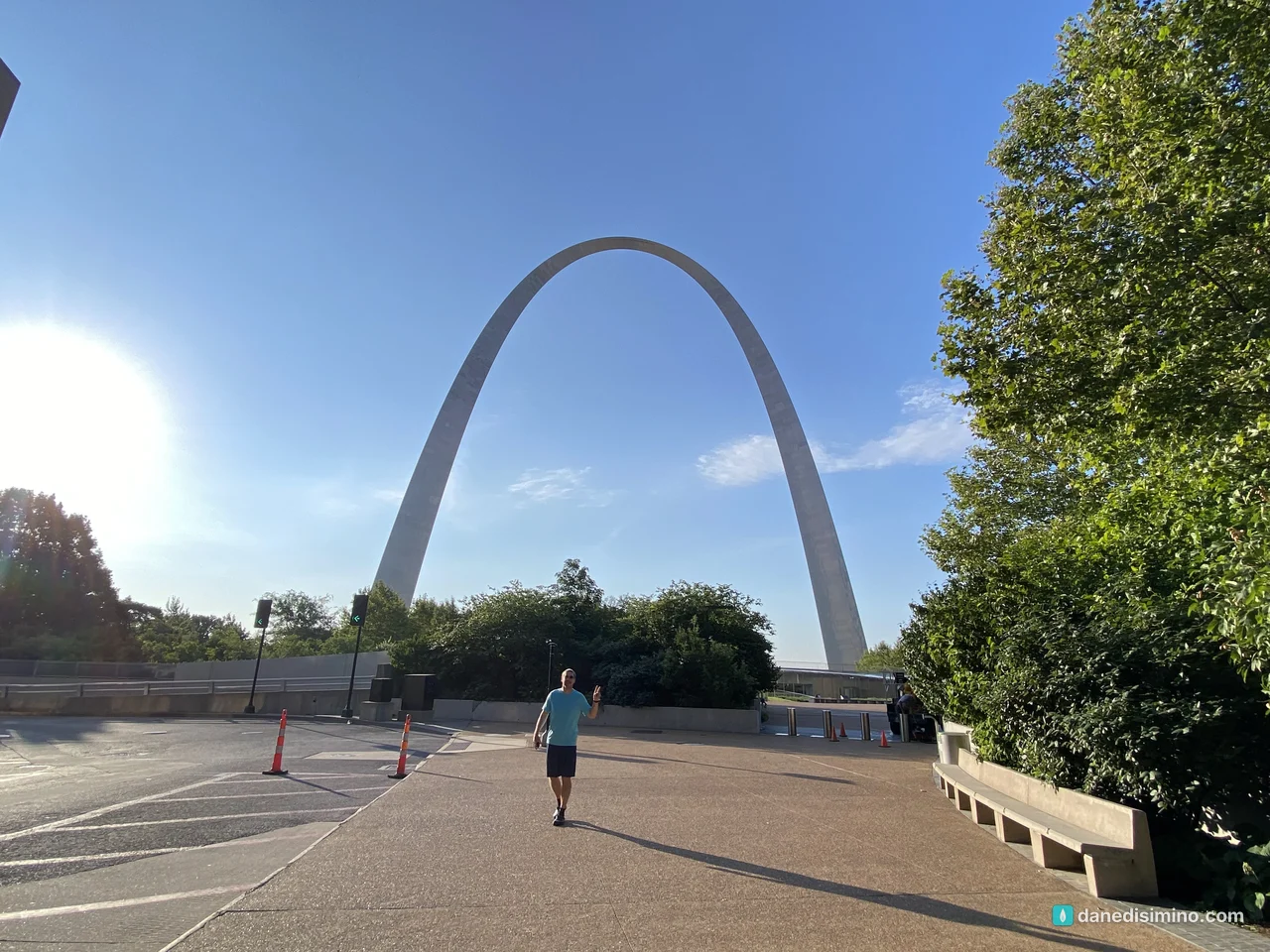
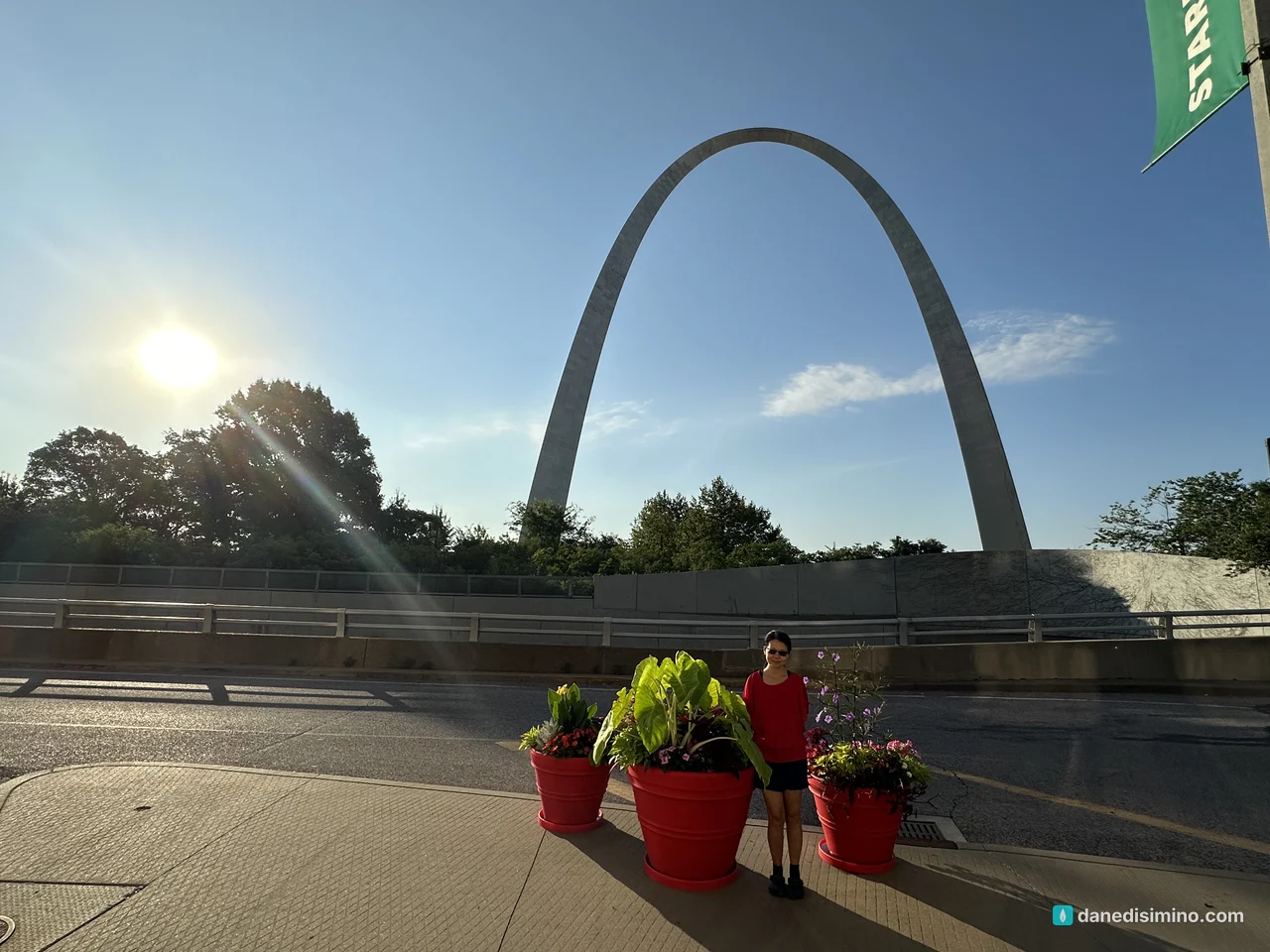
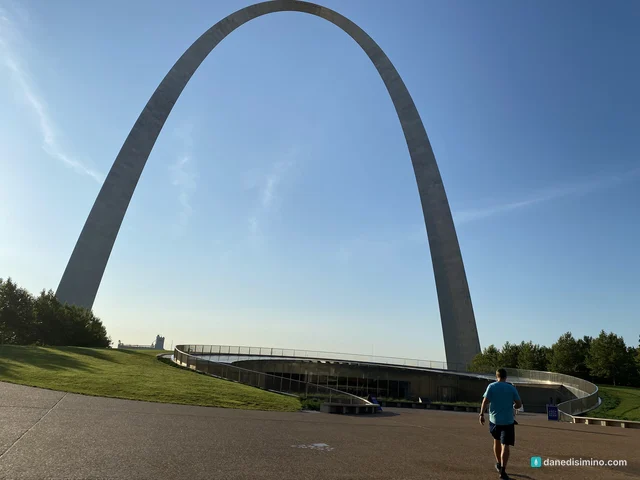
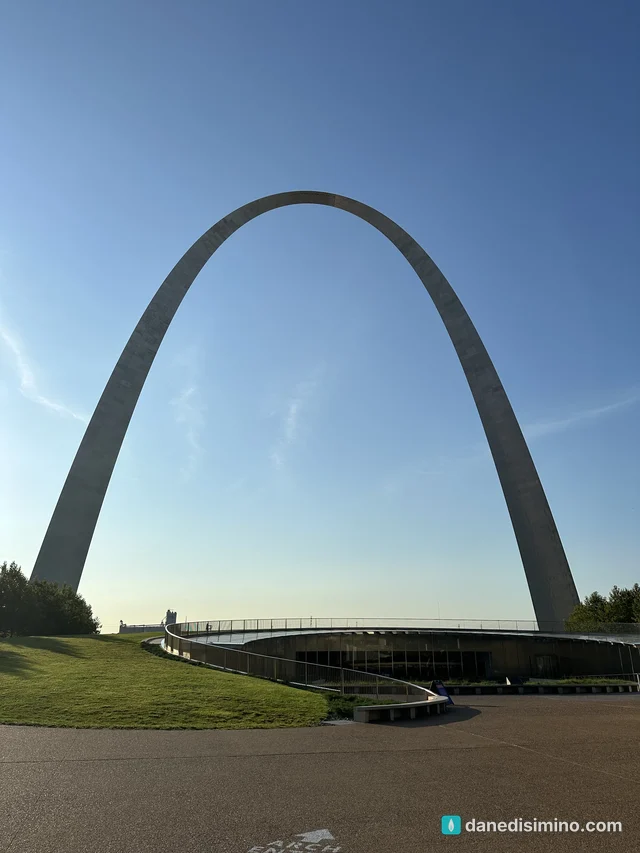
Walk under the legs. The Arch is even bigger up close.

The park at a glance
- 630 ft
- Tall and wide
- 91
- Acres
- 1965
- Arch completed
- $0
- Museum entry
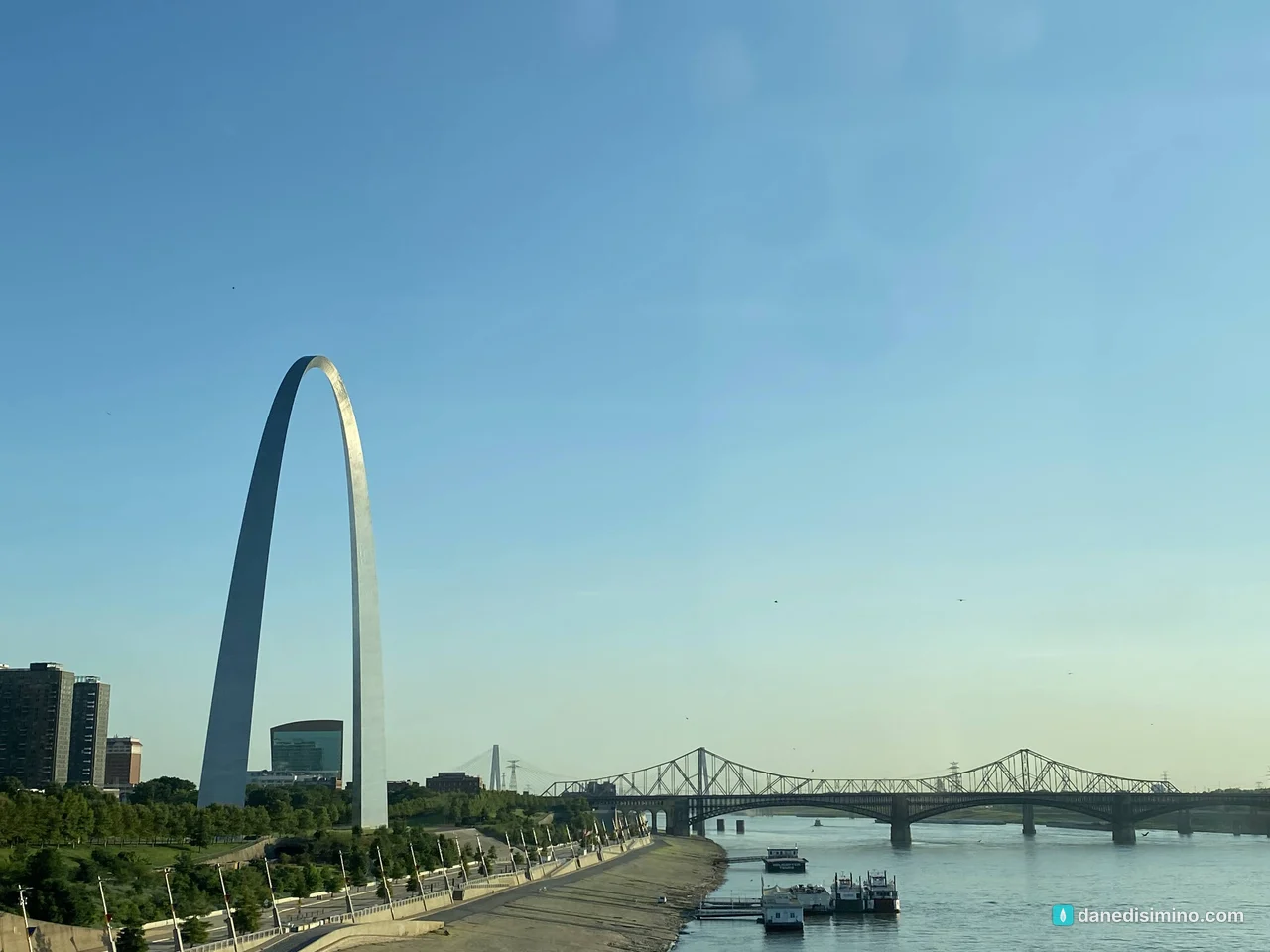
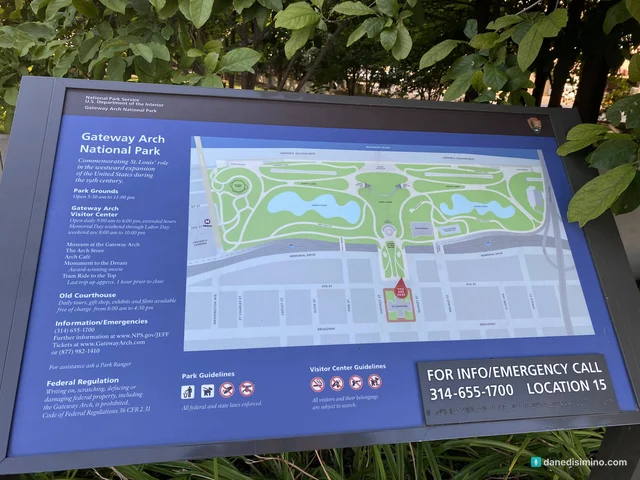
Where: downtown St. Louis, Missouri, on the Mississippi River.
What's here: the Arch, the free museum underneath it, the grounds around it and the Old Courthouse.
Fees: the museum and Old Courthouse are free. Tram and movie tickets include a $3 National Park Service fee for visitors 16 and up.
Tickets: buy at gatewayarch.com, by phone at 877-982-1410 or at the Arch.
Hours: the grounds are open 5 a.m. to 11 p.m. Check nps.gov/jeff for Arch and museum hours.
How the Arch stands
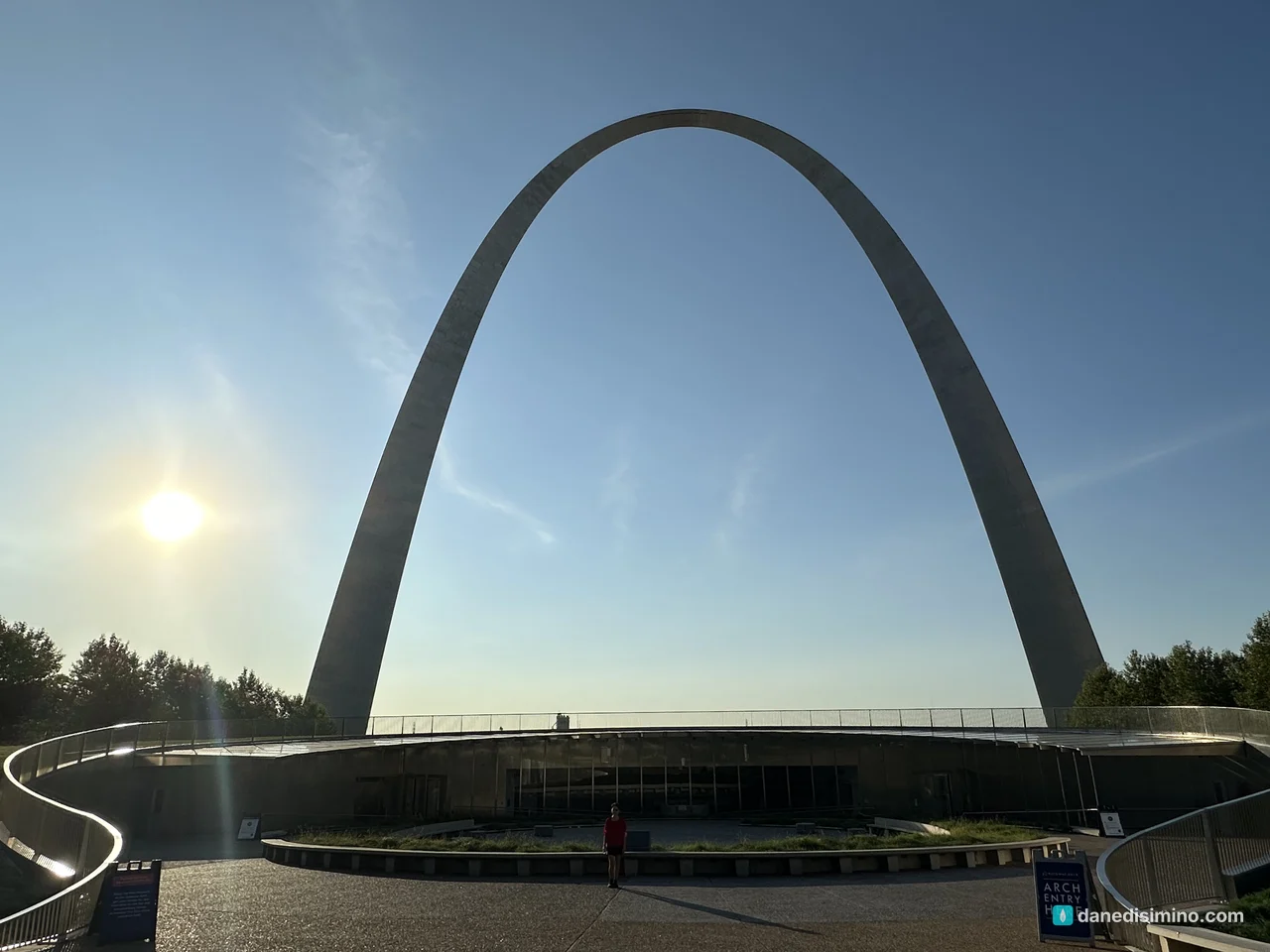
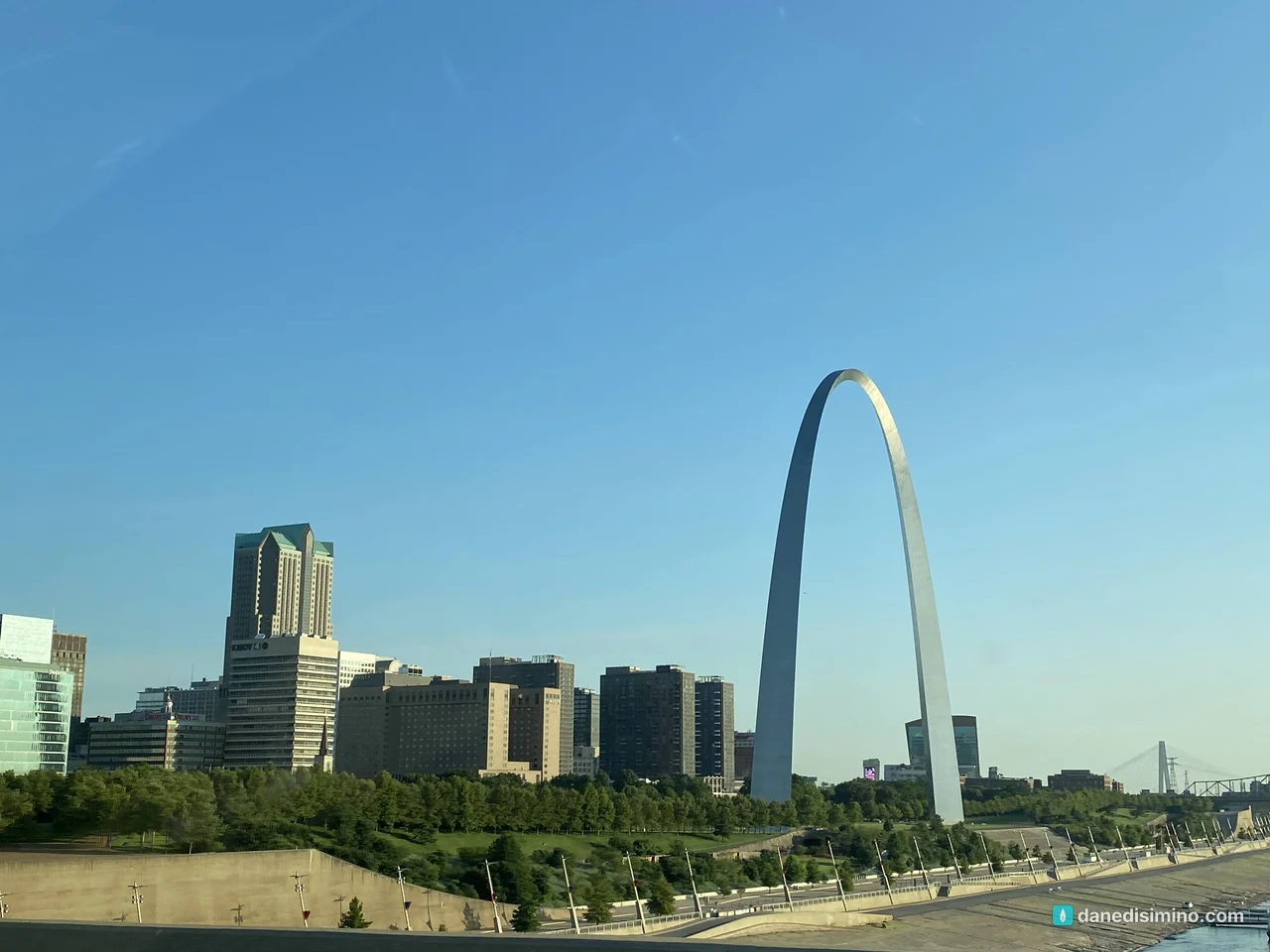
The Arch is a weighted catenary: the shape a heavy chain makes hanging between two points, turned upside down. Its foundations reach 60 feet down, with 30 feet set in bedrock.
It was built from 142 triangular sections, stainless steel outside and carbon steel inside. The sections get smaller as they rise. The last one went in at the top on October 28, 1965, joining the two legs 630 feet up. The Arch can sway up to 18 inches in 150 mph winds.
How it became a national park
In 1935, President Franklin Roosevelt ordered 40 city blocks along the riverfront set aside for the Jefferson National Expansion Memorial. It honored Thomas Jefferson, westward expansion and St. Louis's role as the "Gateway to the West."
Architect Eero Saarinen won a national design competition in 1947–48. Construction began in 1963. In 2018, Congress renamed the memorial Gateway Arch National Park. It's the smallest national park in the country, at about 91 acres.
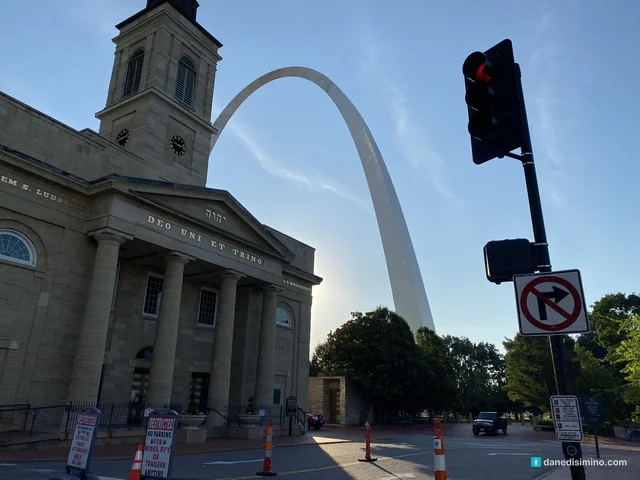
The park also tells a harder story. In the Old Courthouse, Dred and Harriet Scott sued for their freedom. The Dred Scott decision helped hasten the Civil War.
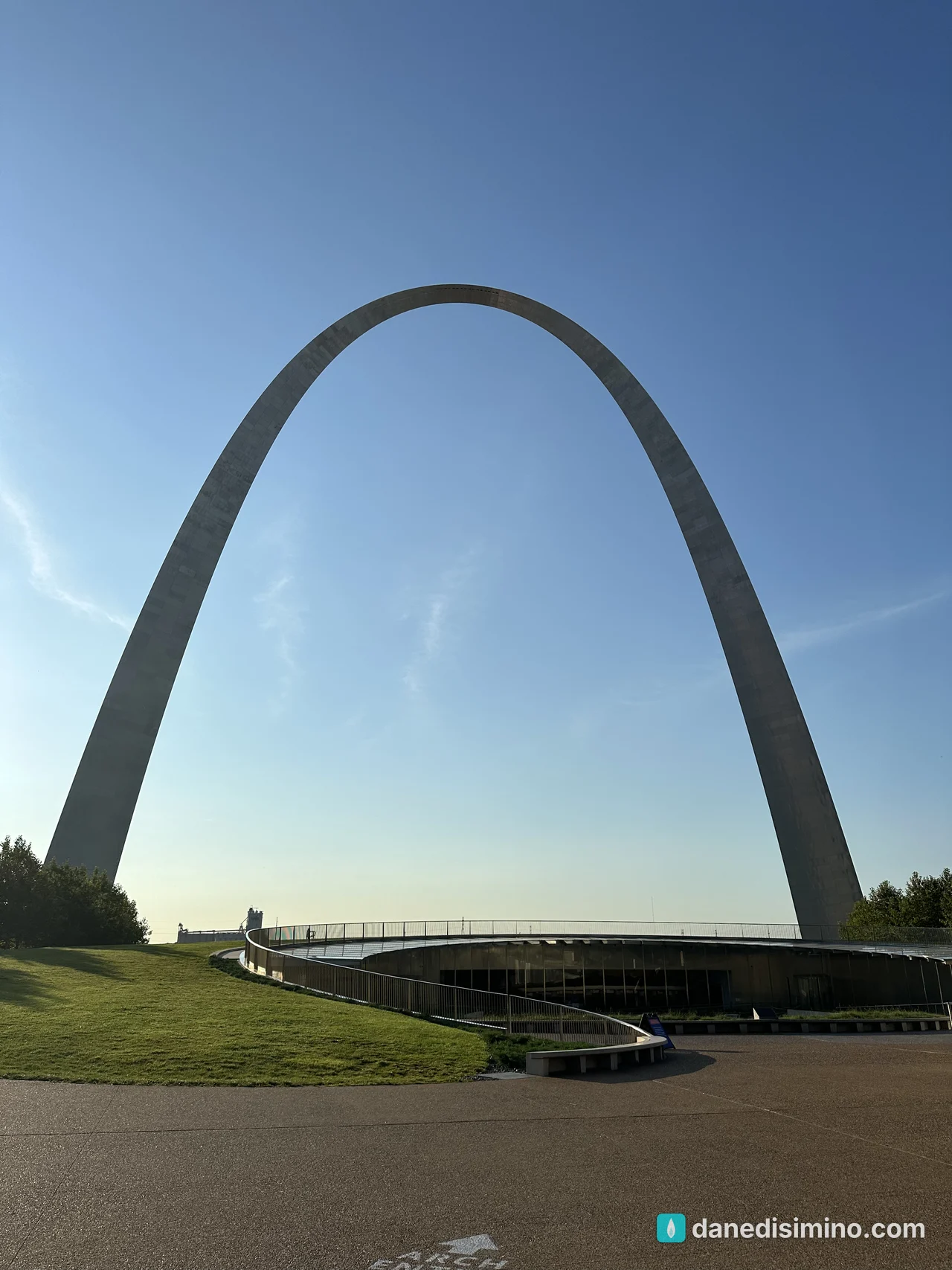
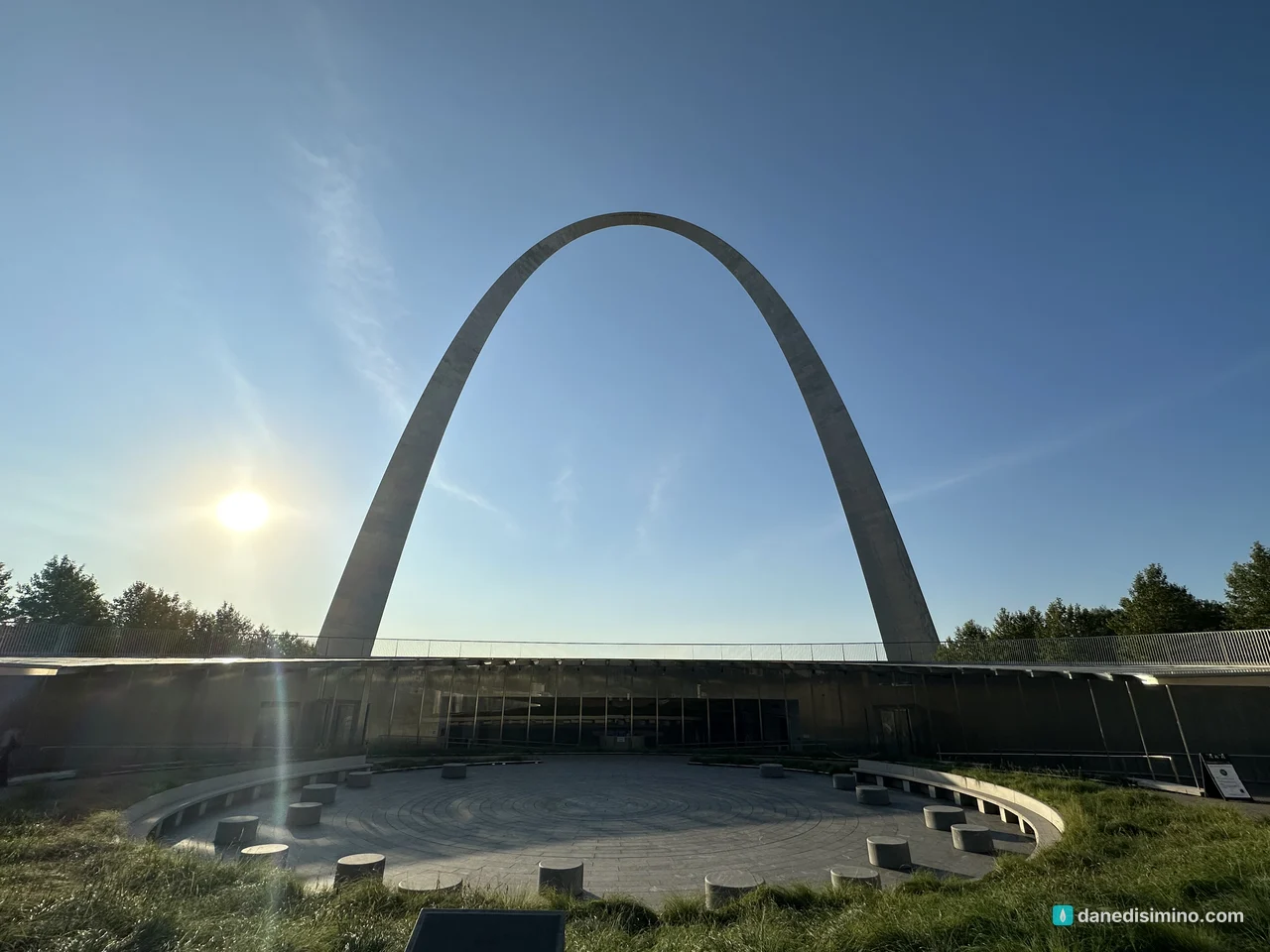
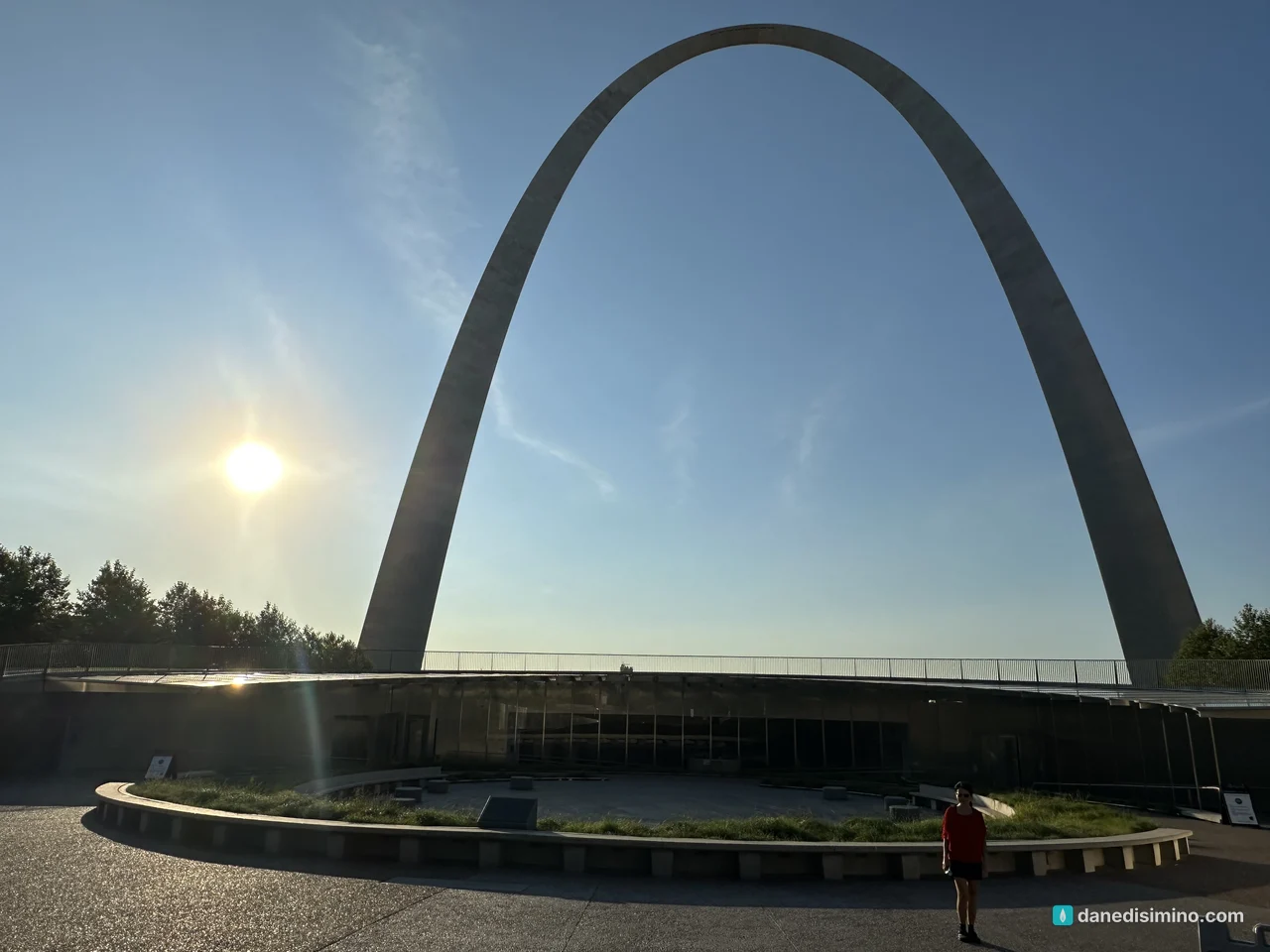
Arriving at sunrise
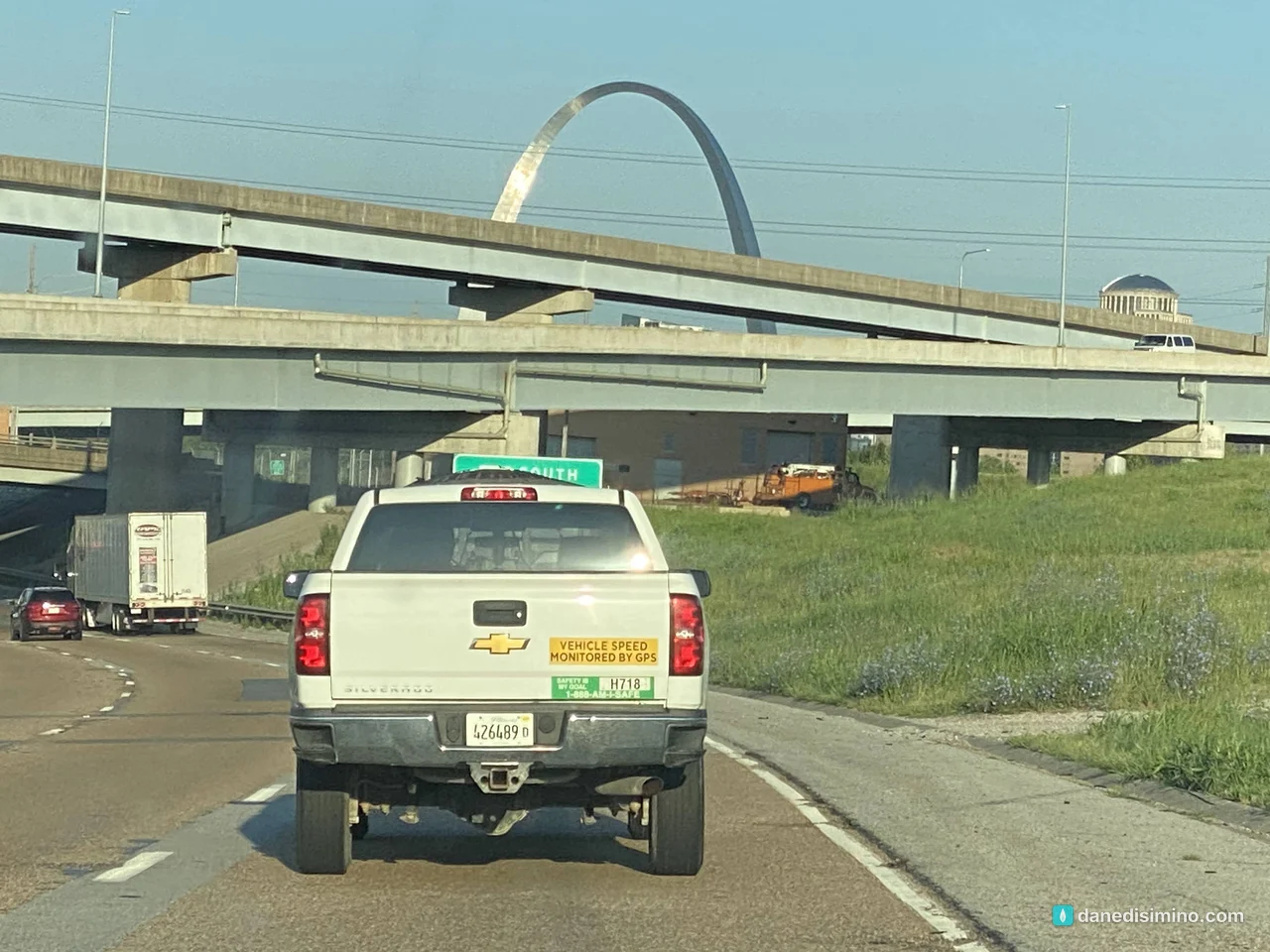
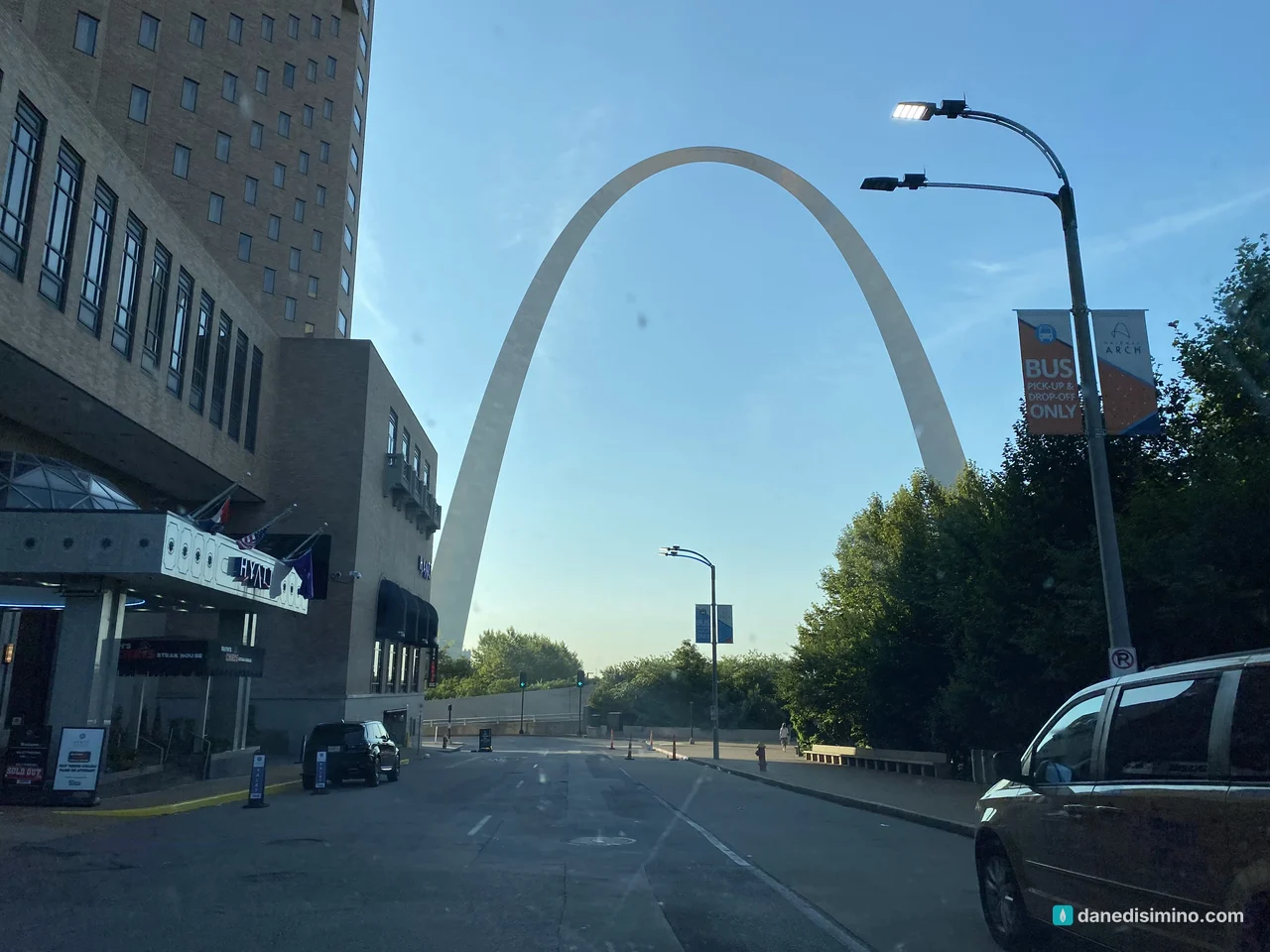
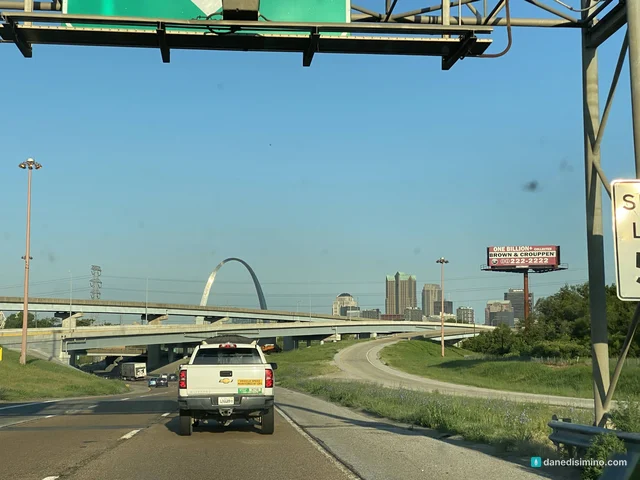
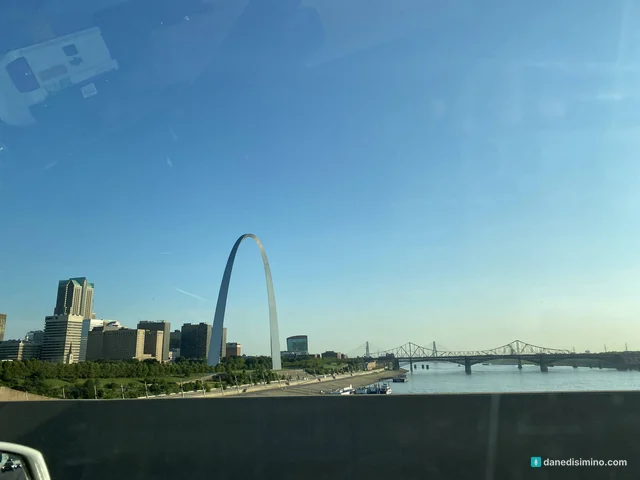
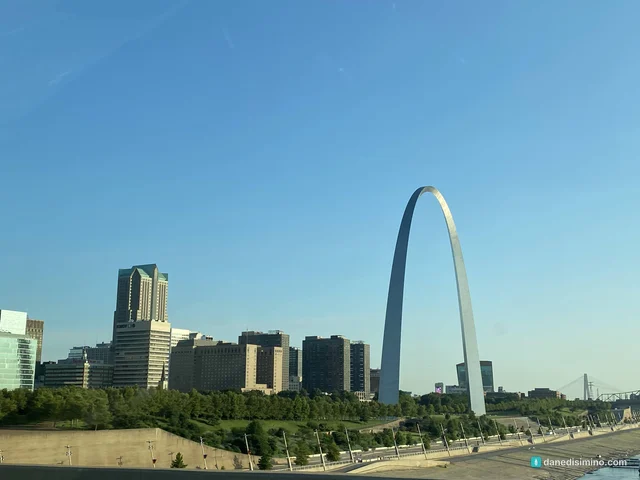
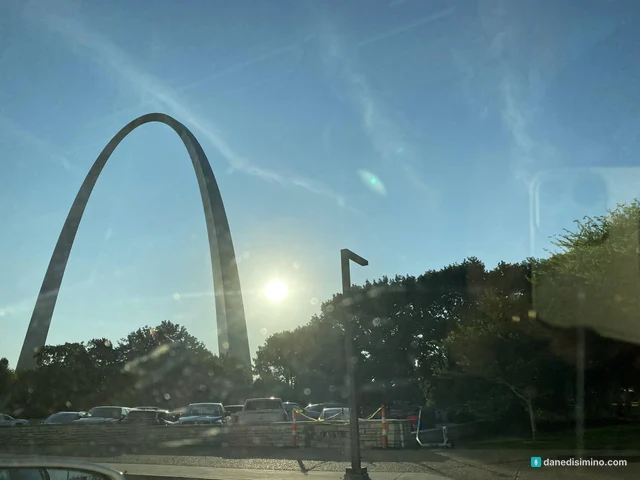
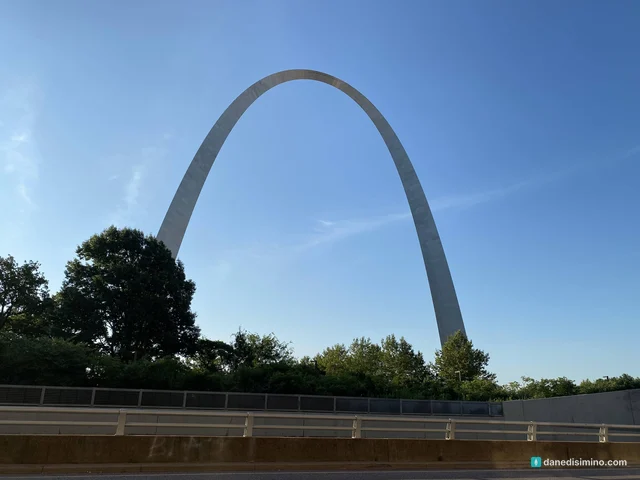
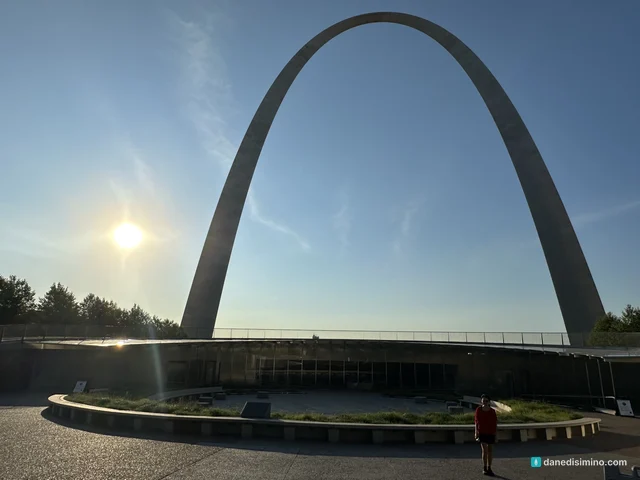
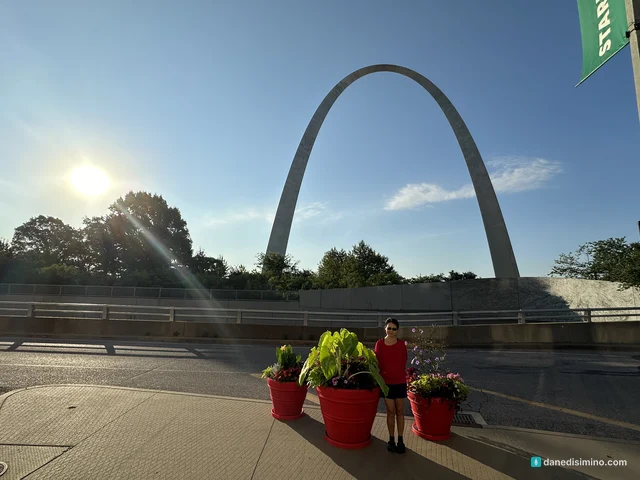
We crossed the Mississippi with the sun coming up behind the city.
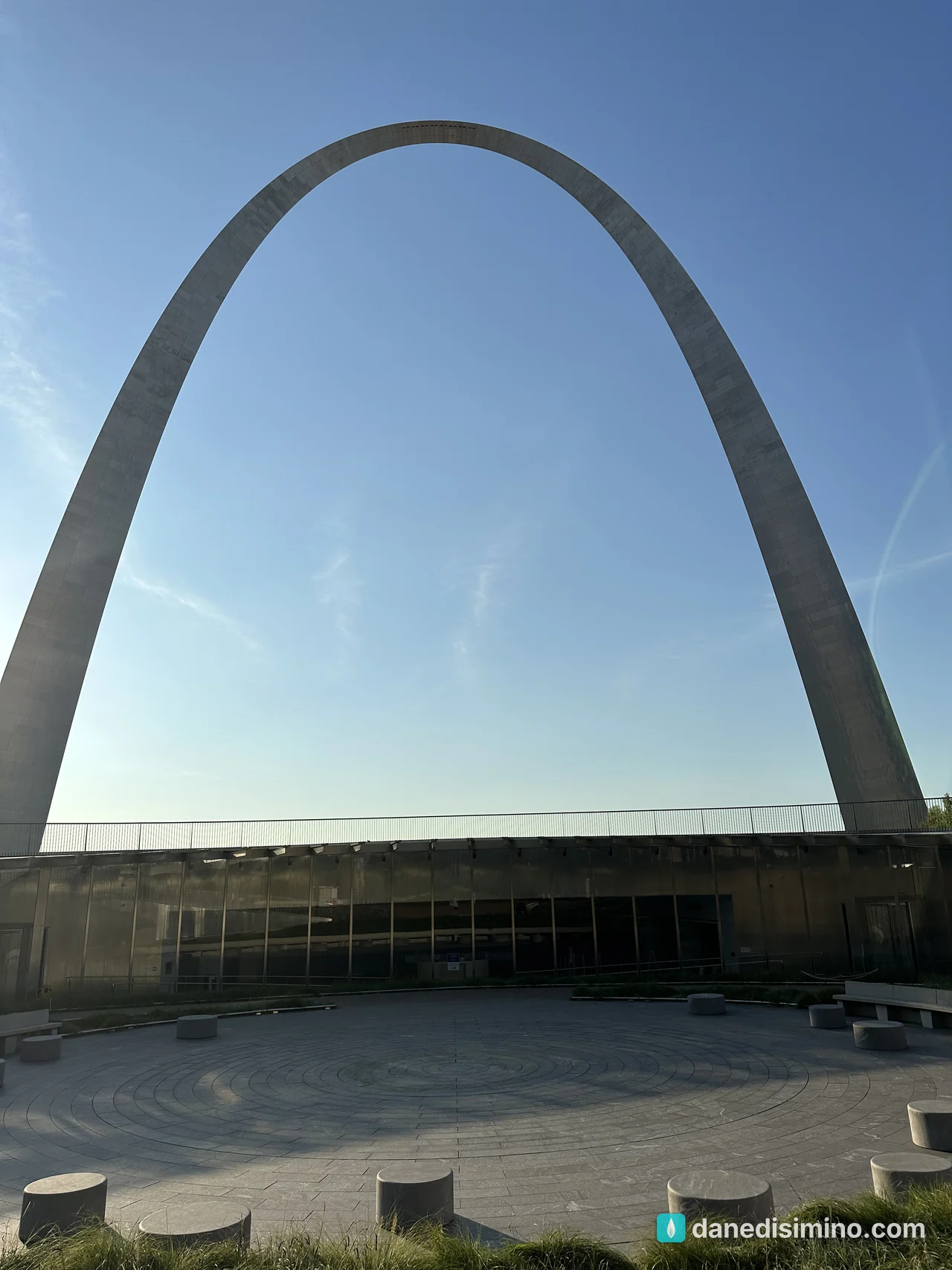
Walking the grounds
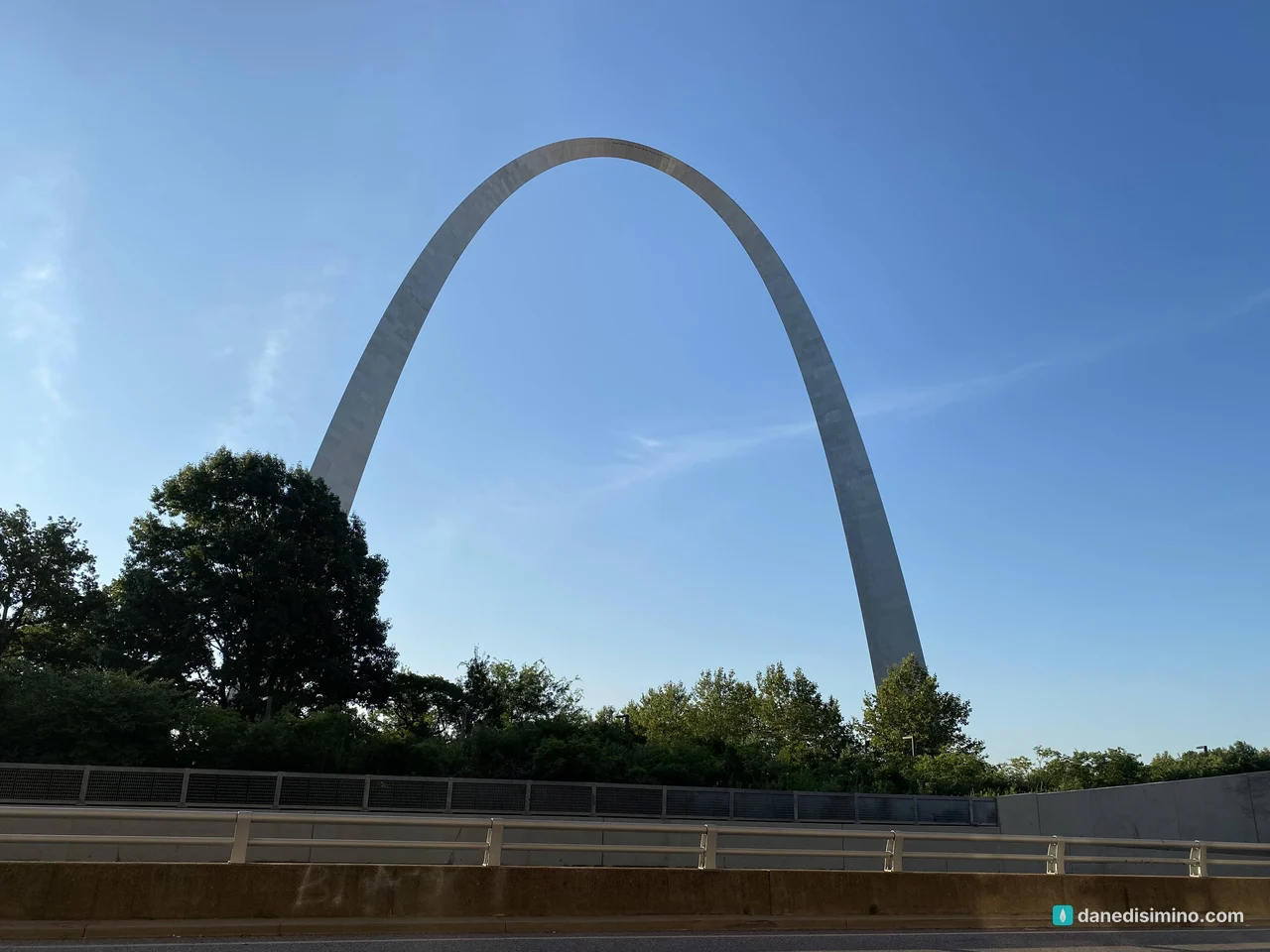
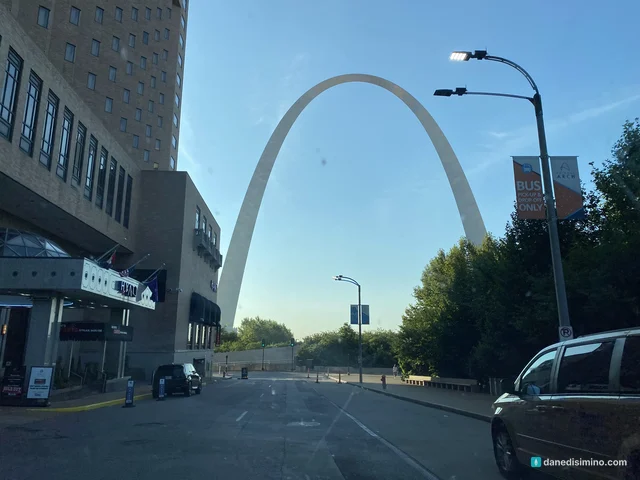
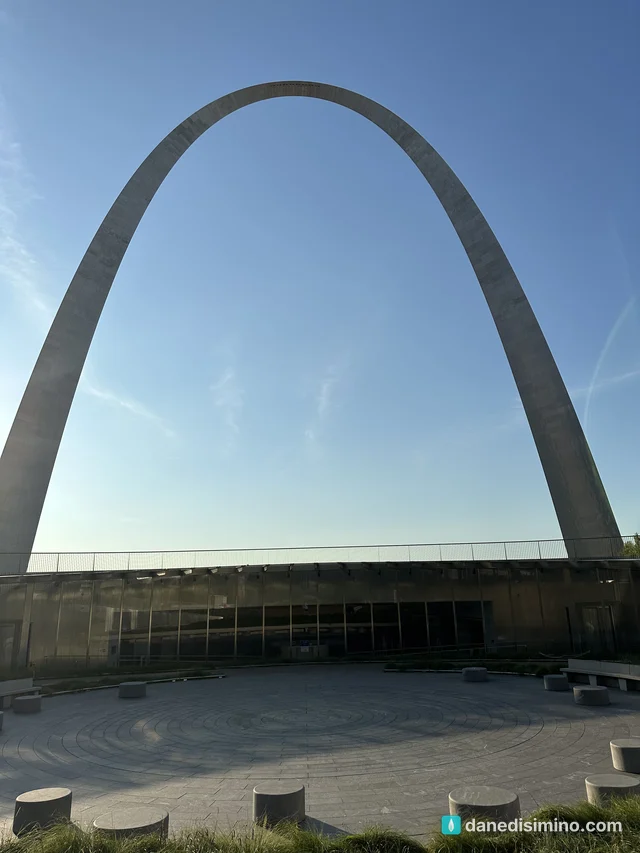
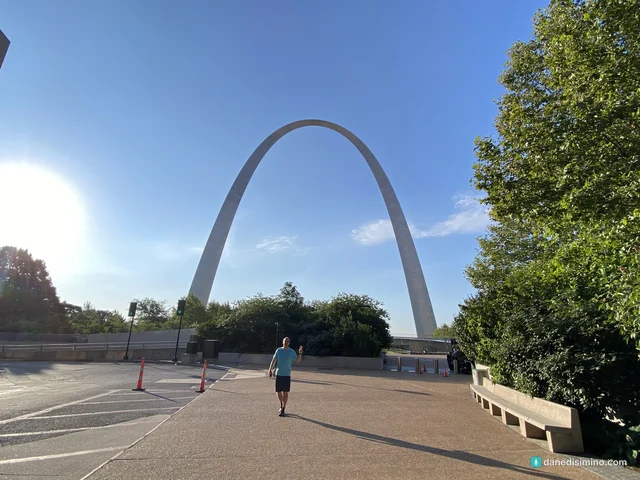
We parked and walked the grounds for about an hour. Up close, the scale is hard to take in.
My honest take
The Arch is a remarkable piece of engineering, and the history is worth knowing. But as a national park, it doesn't compare to the big western parks. Plan it as a stop, not a destination.
For us, it was the right ending. Five parks was a great experience, and we felt we'd achieved a lot. Standing under the Gateway, we looked back east at everything we'd seen and then turned west for home.
Where we stayed
We didn't stay in St. Louis. We arrived early, walked the grounds and kept driving home.
What I'd do differently
Time it for opening hours. I'd arrive when the Arch is open and book a tram ticket to the top.
Add the Old Courthouse. It's free and tells one of the most important stories in the park.
Give it two hours. That's enough for the museum, the grounds and maybe the top.
What the Gateway Arch taught me
Five parks, thousands of miles, and we made it home safe.
"The LORD keeps watch over you as you come and go, both now and forever." (Psalm 121:8, NLT)
Every road trip ends where it started, in His care.
Questions?
Ask me anything about the Gateway Arch: tram tickets, parking or how to fit it into a cross-country drive. I answer every question.
Photos

Sources
- Gateway Arch National Park (NPS)
- Basic information (NPS)
- Frequently asked questions (NPS)
- Fees and passes (NPS)
- Operating hours and seasons (NPS)
- History and culture (NPS)
- Purpose and significance: how did this become a national park? (NPS)
- National Expansion Memorial cultural landscape (NPS)
- Gateway Arch architecture: how was it made? (NPS)
- Materials and techniques (NPS)
- The Gateway Arch celebrates 50th year of completion (NPS)
- Gateway Arch administrative history (NPS)
- Old Courthouse (NPS)
- Old Courthouse FAQ (NPS)
Pathlight
Park guides from the road. A printable trip sheet comes with them when one is ready.