
NATIONAL PARKS
Guadalupe Mountains
A Field Guide
On this page
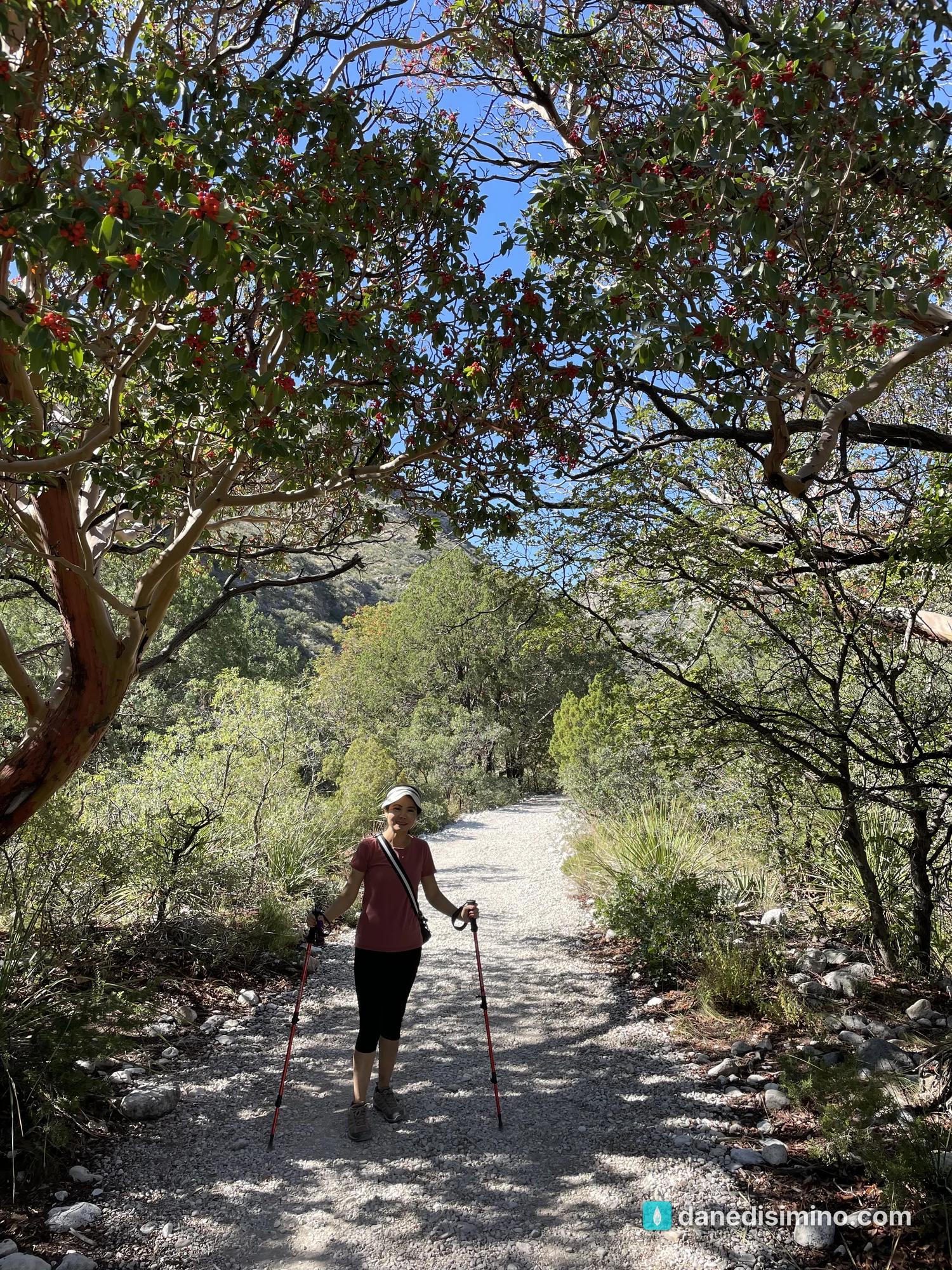
One perfect November day at the top of Texas: the old Frijole Ranch and Manzanita Spring, then the McKittrick Canyon trail to Pratt Cabin through fall color, madrones, agave and prickly pear. One of the most beautiful hikes we've ever done, and how to fit it into a New Mexico loop.
Version 1.1 · Updated Nov 17, 2026
Map
When to go
Average monthly visits, 2023–2025. Source: NPS visitor statistics. ● marks the months we visited.
| January | 10,989 |
|---|---|
| February | 18,080 |
| March | 36,098 |
| April | 28,333 |
| May | 18,726 |
| June | 13,129 |
| July | 12,489 |
| August | 8,110 |
| September | 10,976 |
| October | 21,081 |
| November | 18,060 |
| December | 23,894 |
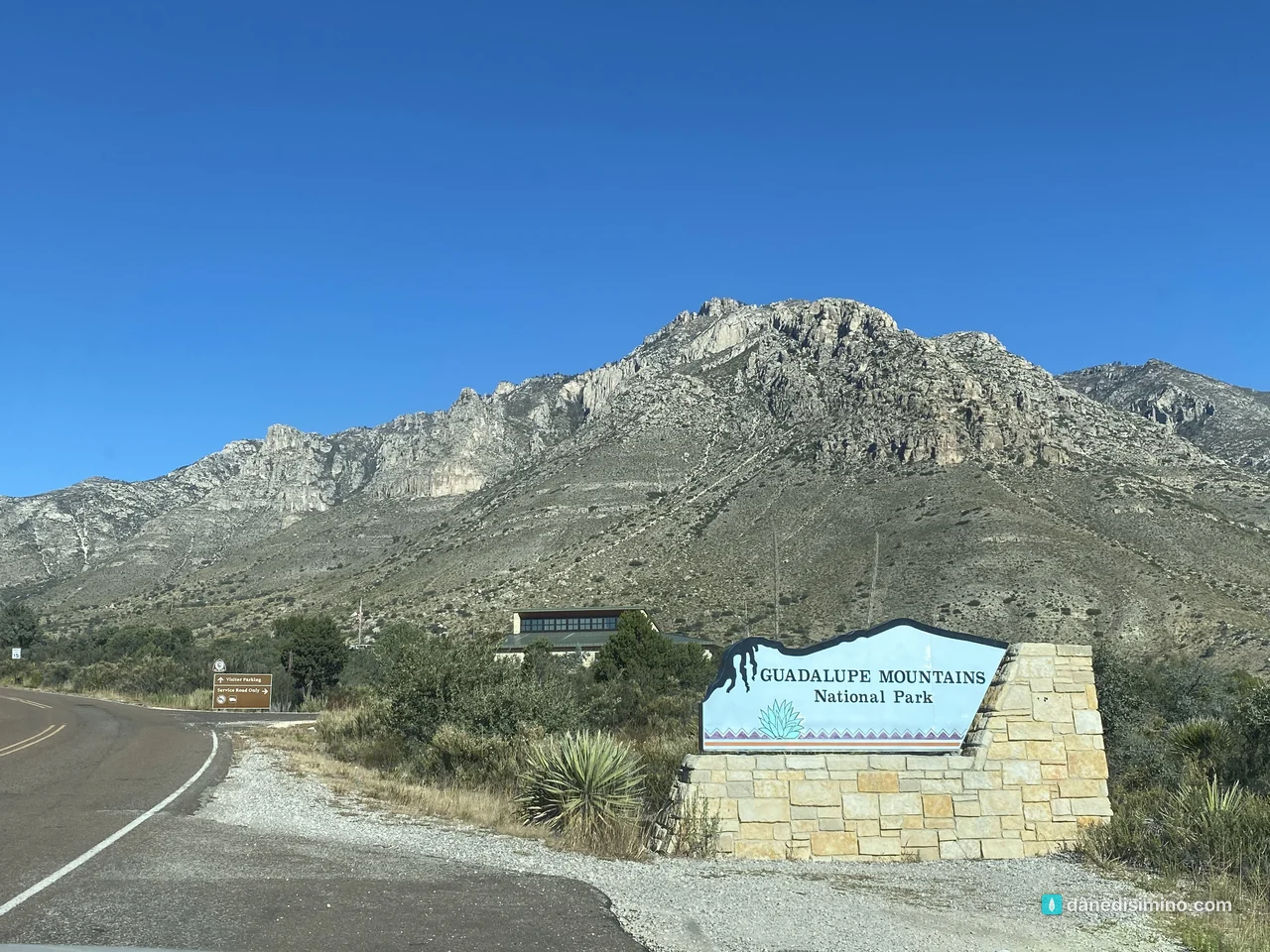
Guadalupe Mountains isn't far from Carlsbad Caverns, and if you loop through southern New Mexico you can add it easily. It holds the highest point in Texas. But for us, the story is one hike.
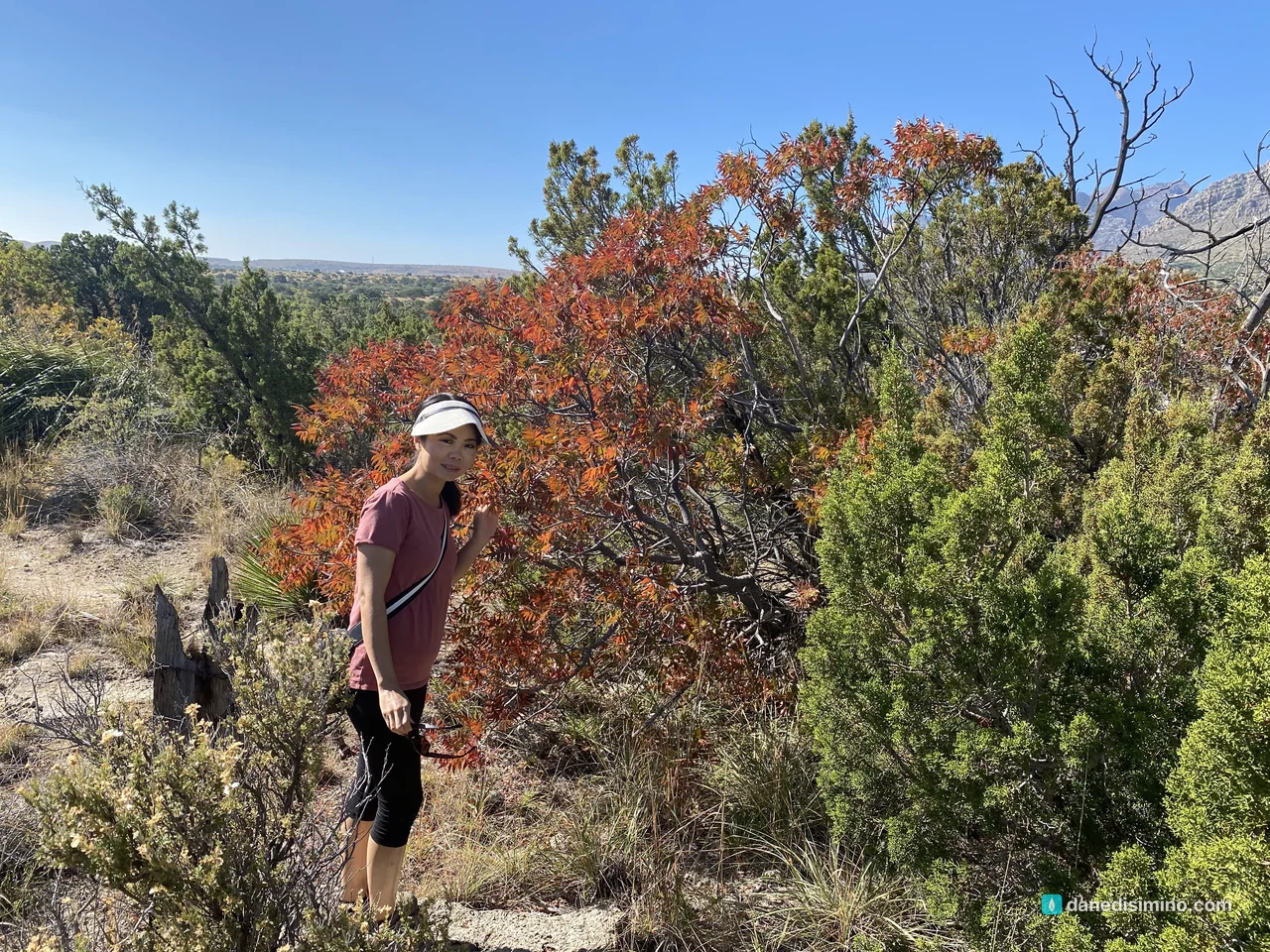
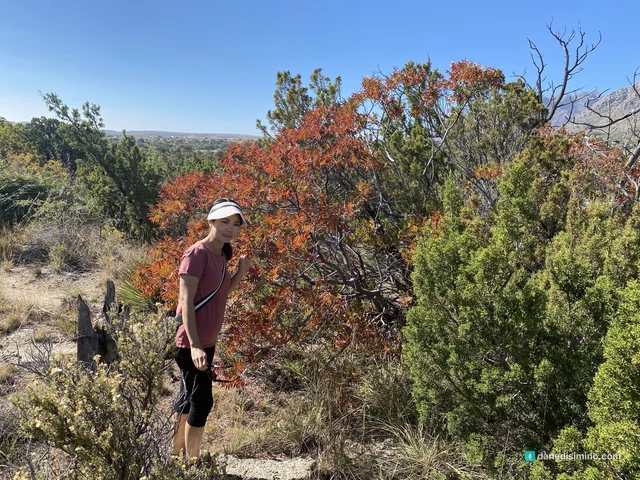
We went in early November 2021, the day after Carlsbad. The weather was perfect, the canyon was full of fall color, and the trail wound past agave, prickly pear and some of the most striking trees I've seen in a park. I remember the trees almost as a presence, and the way the canyon slowly opened up around us. It was one of the most beautiful national park hikes we've ever done.
One of the most beautiful hikes we've ever done in a national park. The trees felt like a presence.
The short version
Add it to a New Mexico loop. It's about 40 minutes from White's City, the turnoff for Carlsbad Caverns. White Sands, Carlsbad and Guadalupe make a great three-park trip.
Hike McKittrick Canyon. The trail to Pratt Cabin is 4.8 miles round trip through what's been called "the most beautiful spot in Texas."
Go in late October or early November. That's when the canyon's maples and oaks turn red and gold.
Guadalupe Peak is the big one. The "Top of Texas" hike is 8.5 miles round trip with 3,000 feet of climbing. Plan it and pack a lot of water.
Watch the clock. McKittrick Canyon is day use only, and the gate locks at 5 p.m. Mountain Time.
The park at a glance
- 8,751 ft
- Guadalupe Peak, highest in Texas
- 4.8 mi
- Round trip to Pratt Cabin
- 1,000 ft
- El Capitan's limestone cliff
- $10
- Per person, 16 and older
Where: west Texas, just south of the New Mexico line on U.S. 62/180. About 40 minutes south of White's City and Carlsbad Caverns.
Entrance fee: $10 per person, good for seven days. Pay by card at the Pine Springs Visitor Center or at trailhead self-pay stations.
When: March is the busiest month and August the quietest. Fall color in McKittrick Canyon peaks in late October and early November.
Time zone: the park runs on Mountain Time, even though it's in Texas.
Contact: nps.gov/gumo. In an emergency, call 911.
Why the mountains look like a wall
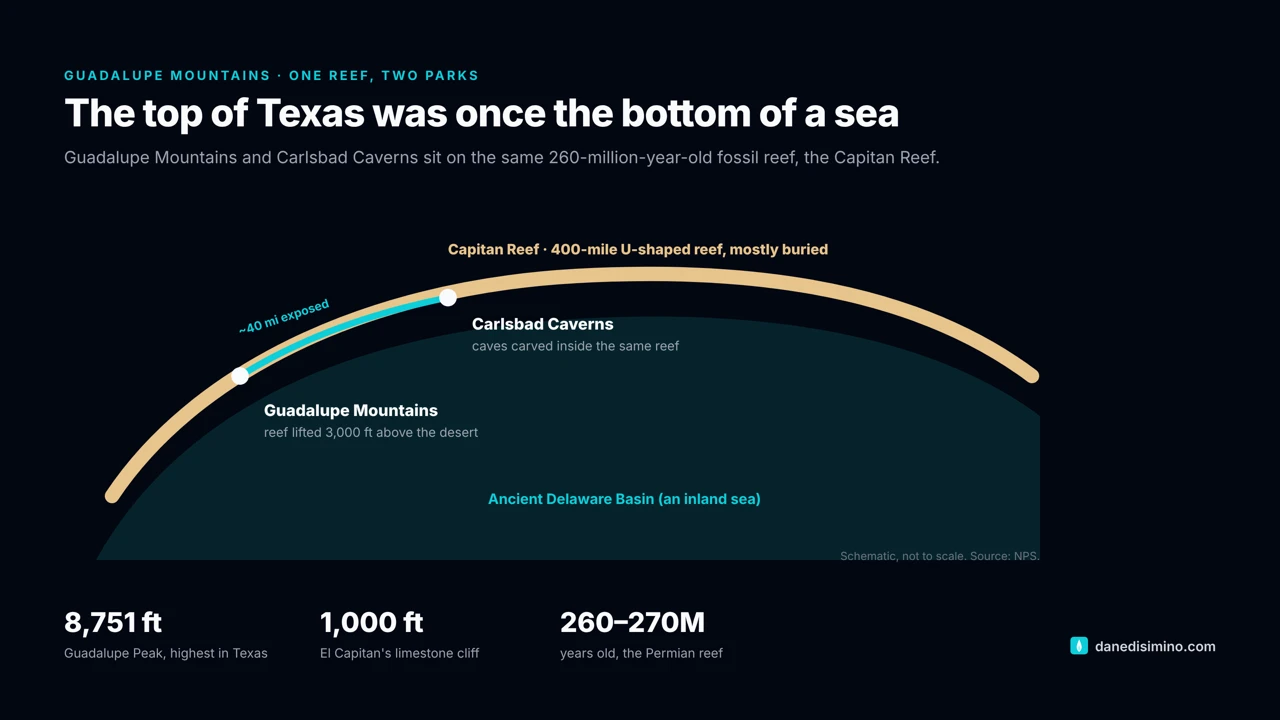
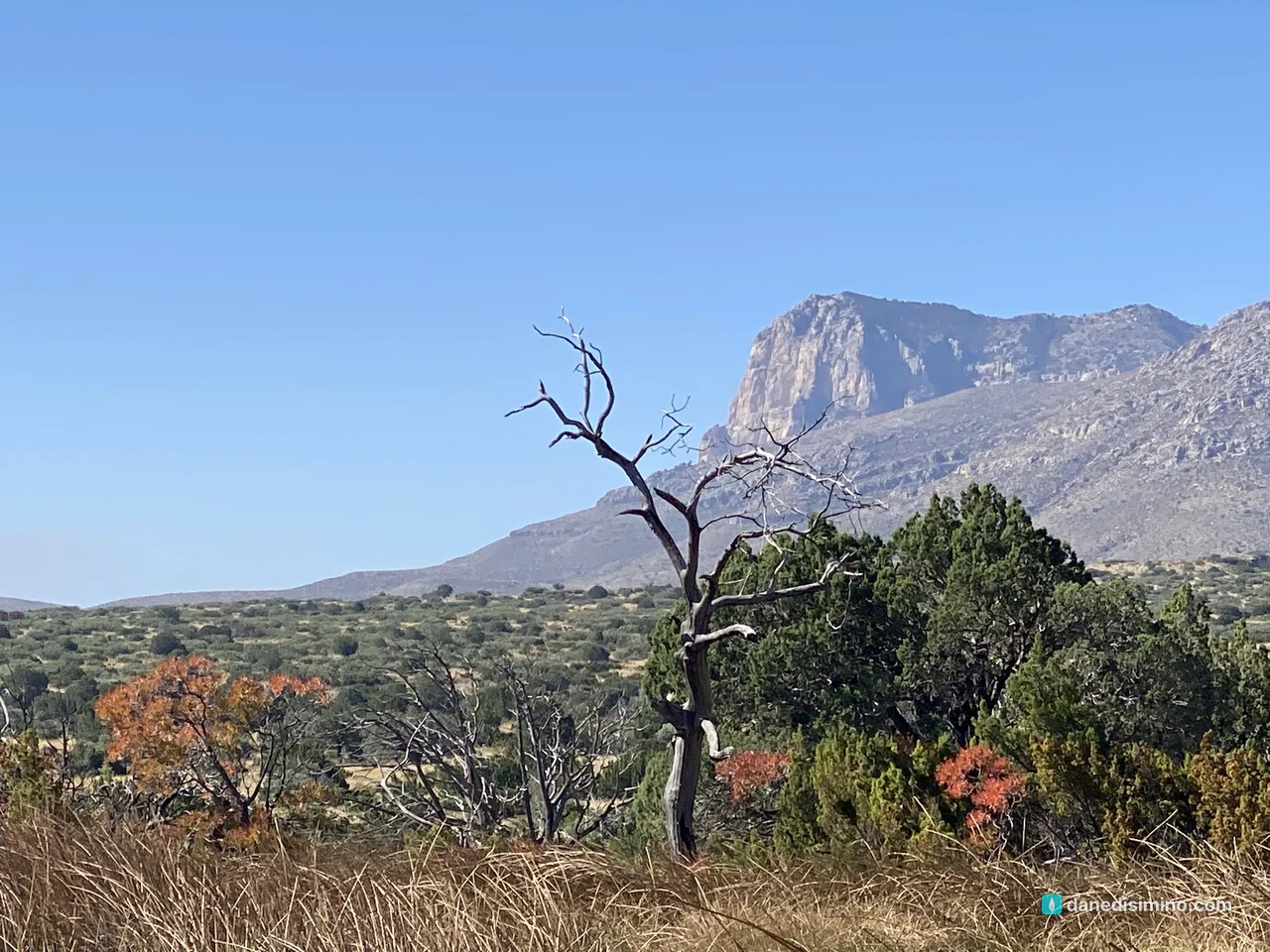
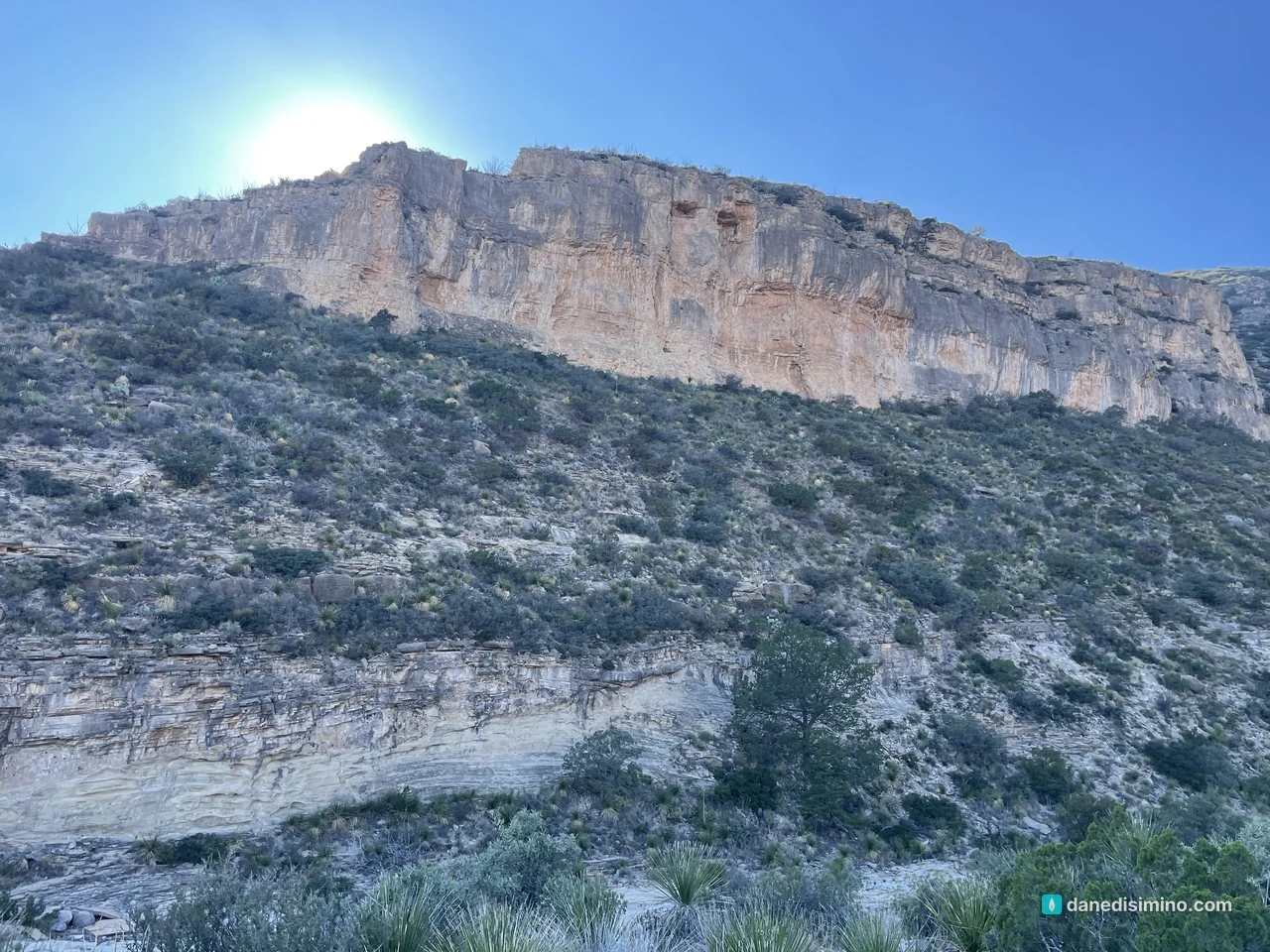
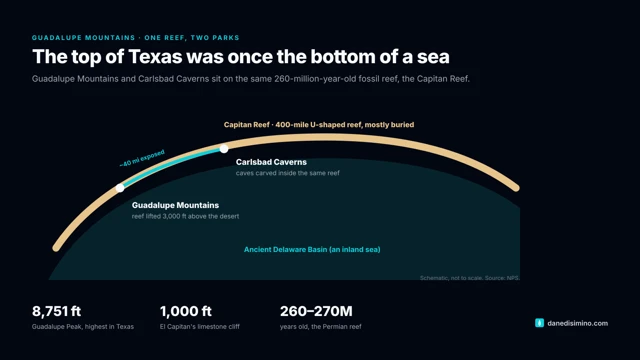
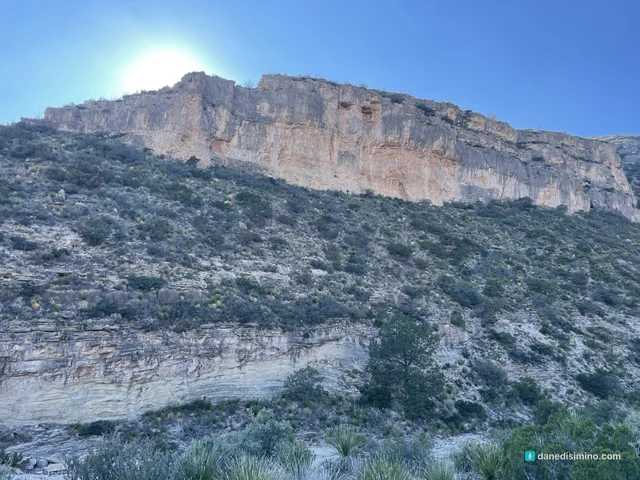
Coming in from the east, the Guadalupes rise more than 3,000 feet straight out of the Chihuahuan Desert, ending at the sheer face of El Capitan. They're the exposed part of the Capitan Reef, a 260-to-270-million-year-old fossil reef that grew along the edge of an ancient inland sea. Most of the 400-mile reef is buried. The longest exposed stretch runs about 40 miles from these mountains northeast toward Carlsbad, which is why Carlsbad Caverns is carved inside the same reef. The highest point in Texas was once underwater.
How it became a park
Two oilmen saved these mountains. Wallace Pratt, an oil geologist who fell in love with McKittrick Canyon in the 1920s, gave his land, including his stone cabin, to the National Park Service between 1960 and 1963. His neighbor, J.C. Hunter Jr., had inherited a 72,000-acre ranch his father had pieced together across the high country. Hunter couldn't afford to give it away, so he sold it to the government for a park. Pratt praised the Hunters before Congress for bringing "by far the larger part" of the future park under one ownership. Congress authorized Guadalupe Mountains National Park in 1966, and it was dedicated and opened in 1972.
Long before the ranchers, the Mescalero Apache made these mountains home, and the old Butterfield Overland Mail stagecoach line ran past the Pinery station near today's visitor center in 1858.
Frijole Ranch and Manzanita Spring
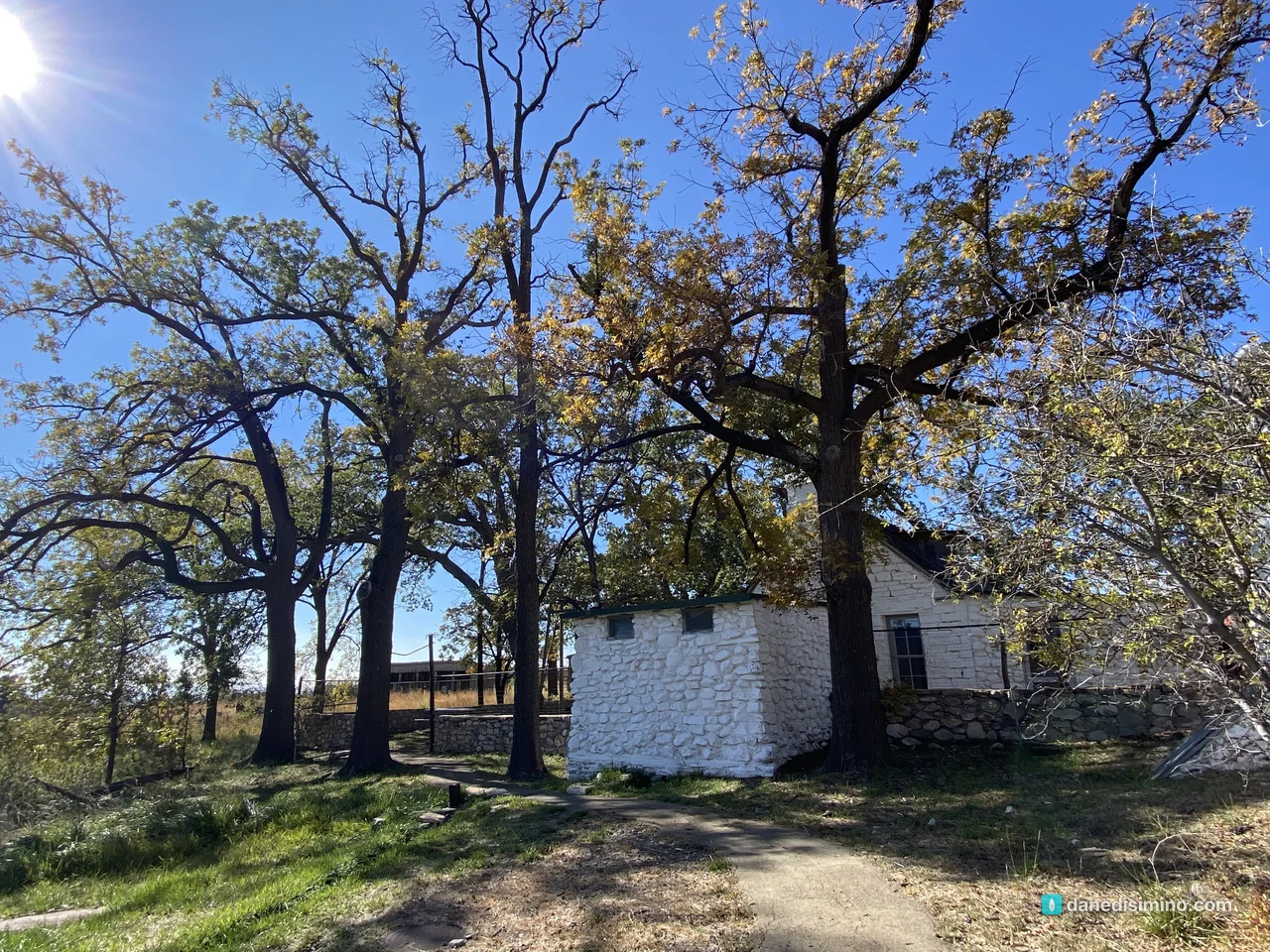
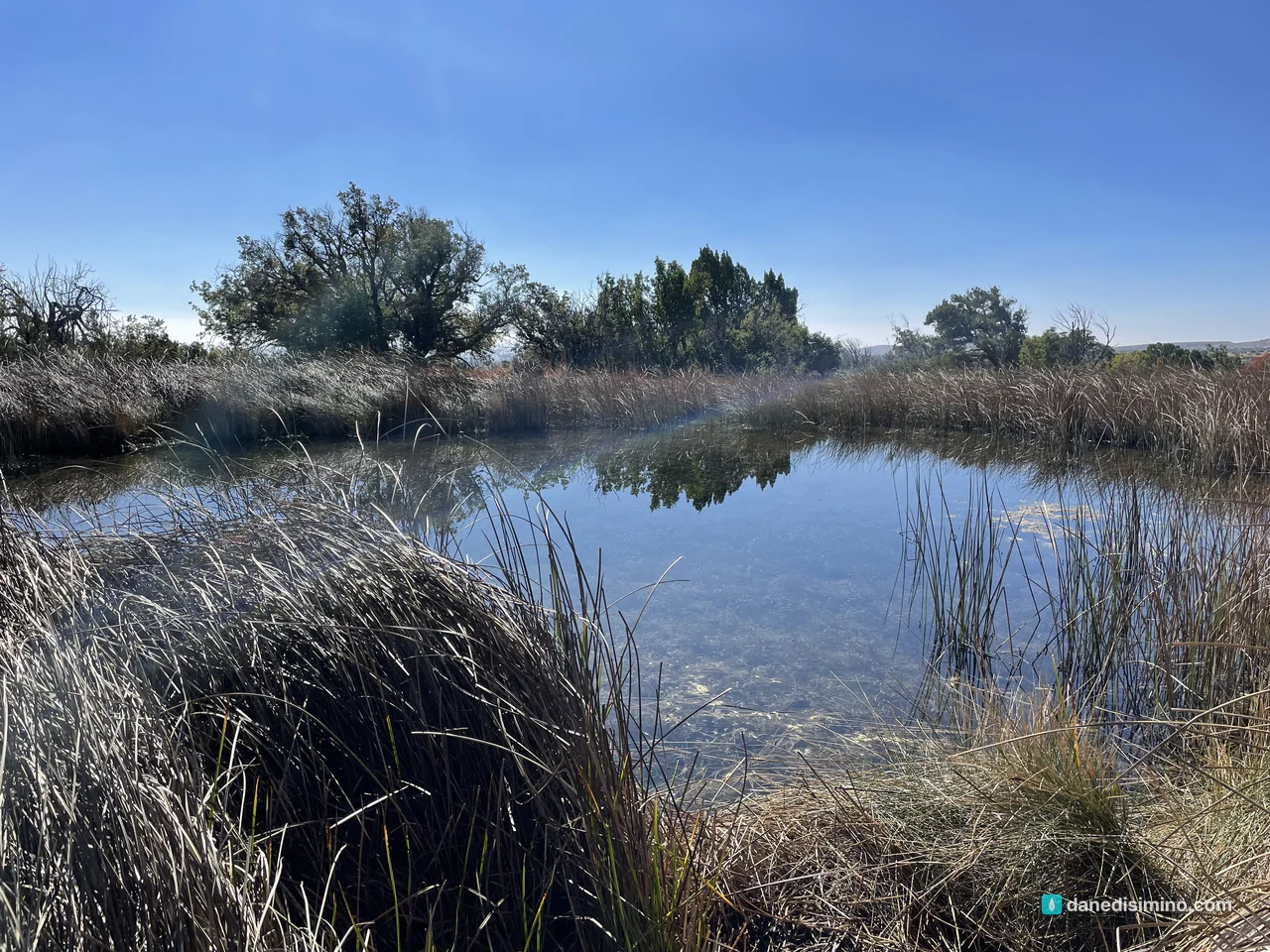
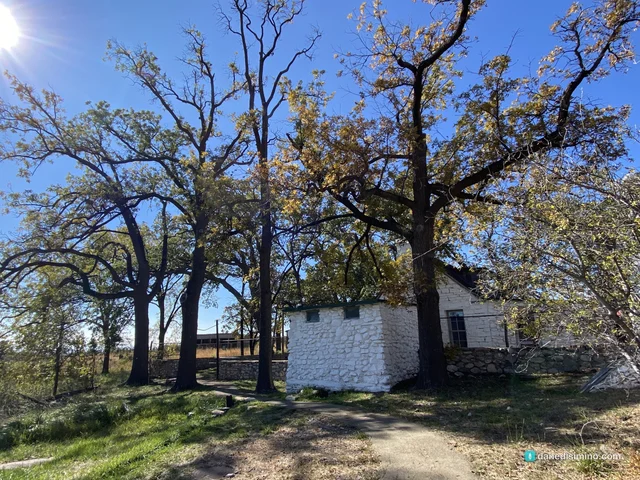
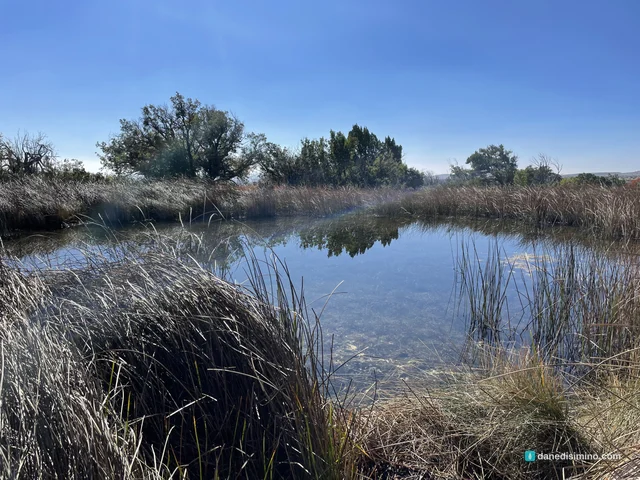
We started near Pine Springs at Frijole Ranch, the white stone ranch house tucked under big shade trees, with a spring-fed pond a short walk away. It isn't ancient. The first permanent house here was built in 1876 by the Rader brothers, and the Smith family ranched here for decades after 1906, raising ten children and an orchard. But people have lived around these springs for centuries; the Park Service notes roasting pits, petroglyphs and artifacts left by Native Americans long before the ranchers came. Today the house is a small history museum, and the grounds are a lovely, shady oasis.
McKittrick Canyon to Pratt Cabin
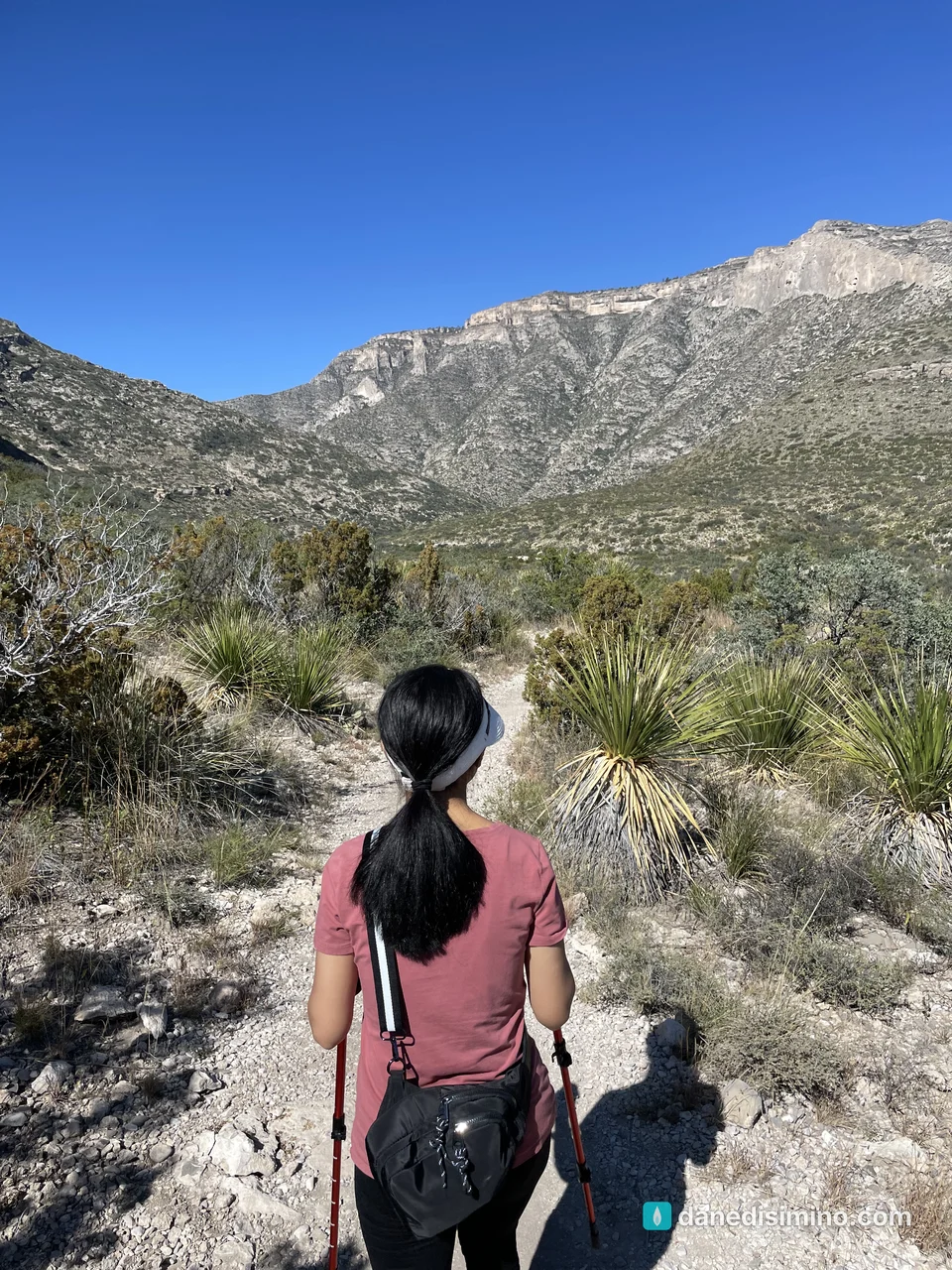
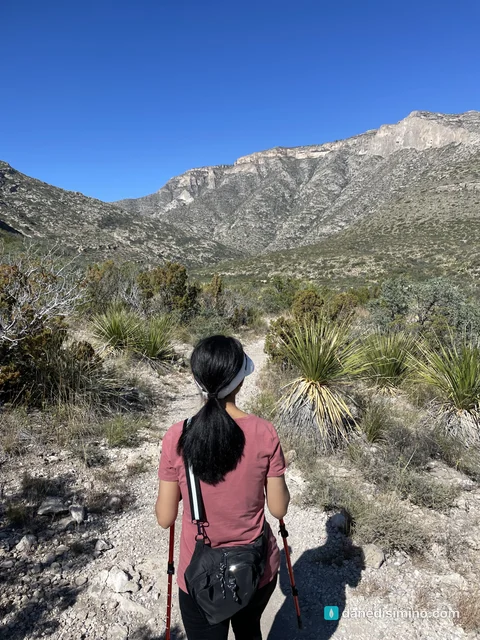
Then we drove around to McKittrick Canyon for the main event. The trail to Pratt Cabin is 4.8 miles round trip and rated moderate, mostly for its length. Plan two to four hours. It starts in open desert and follows the canyon in as the walls rise around you, crossing the creek twice before the cabin.
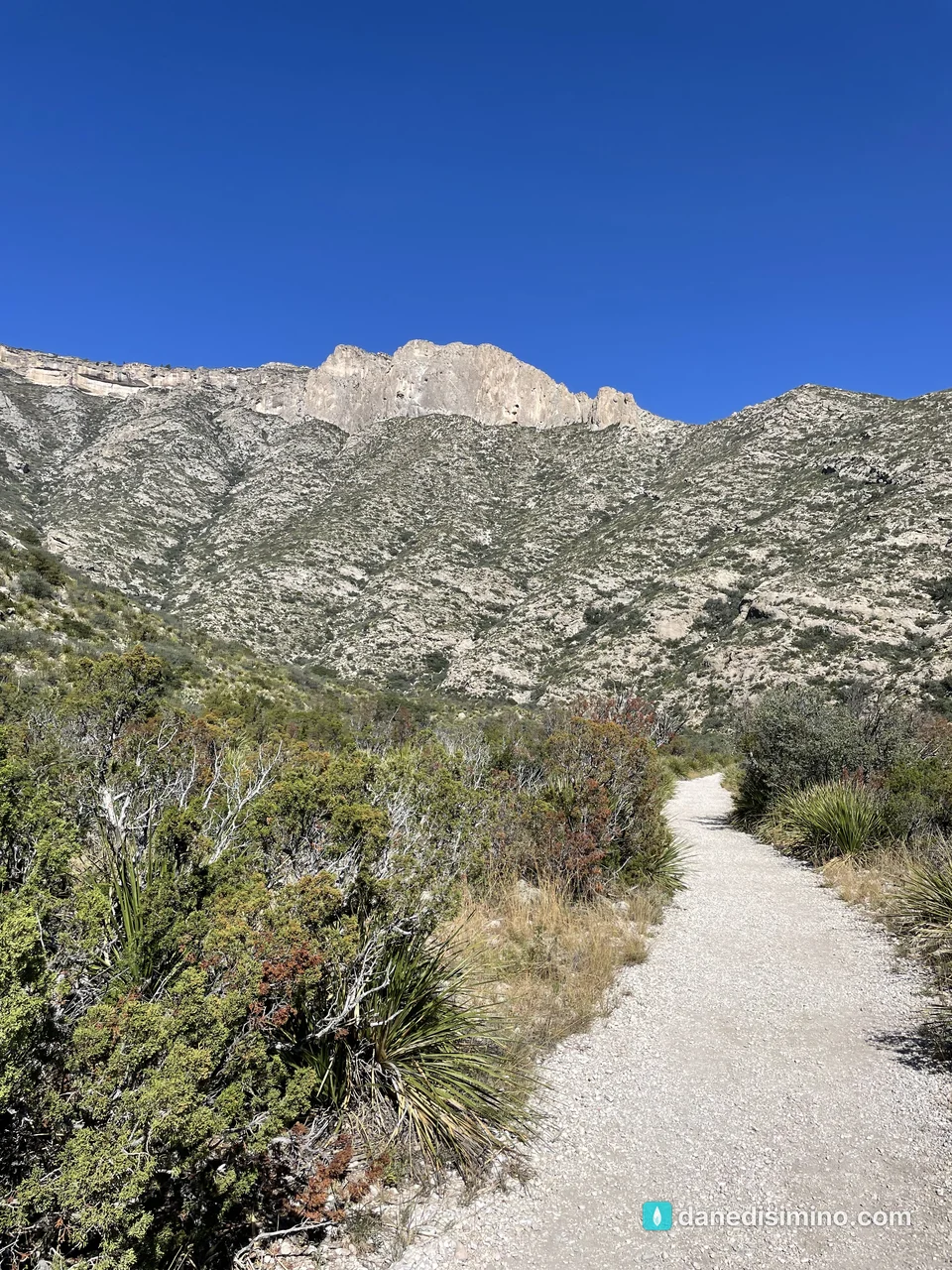
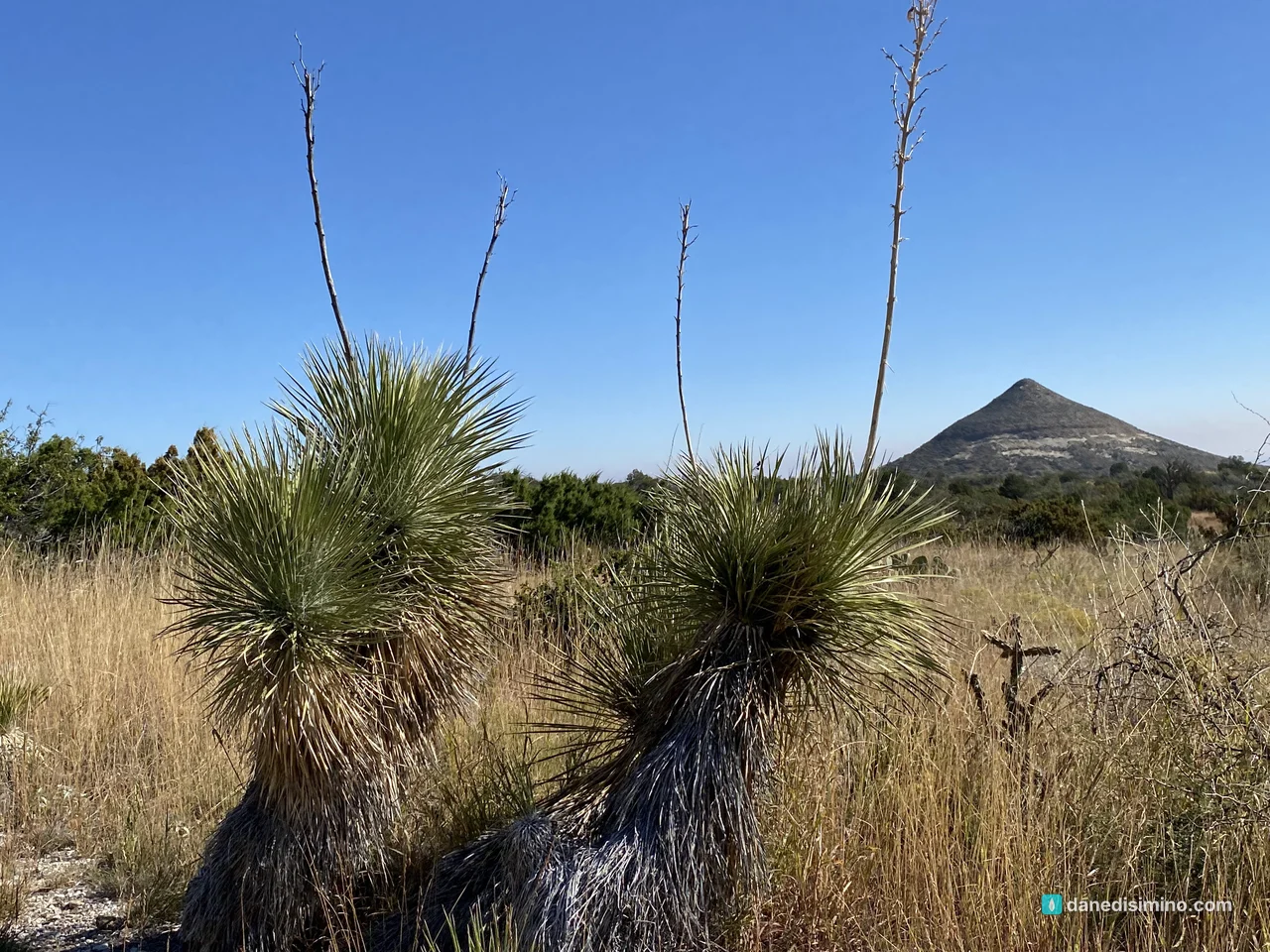
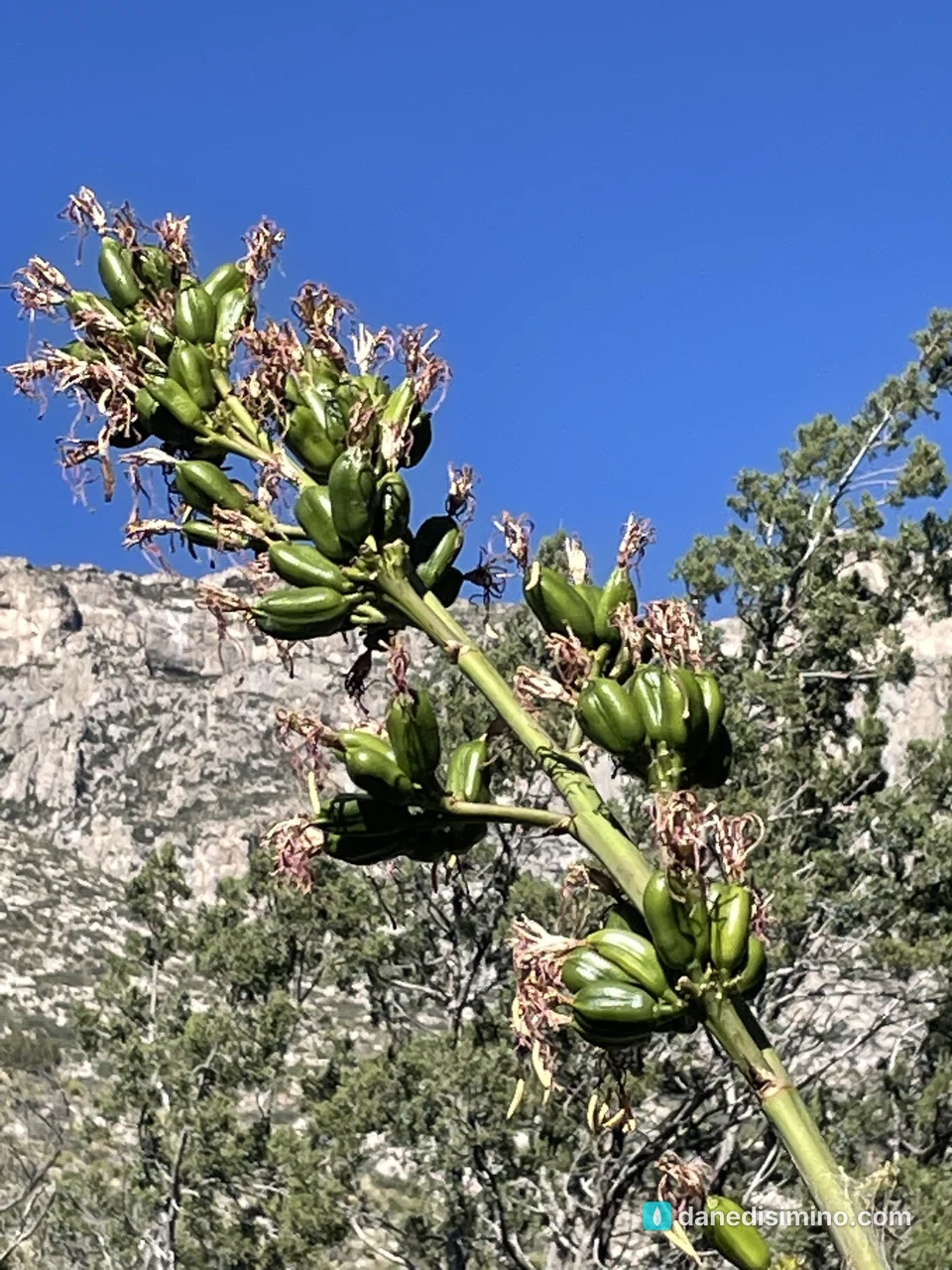
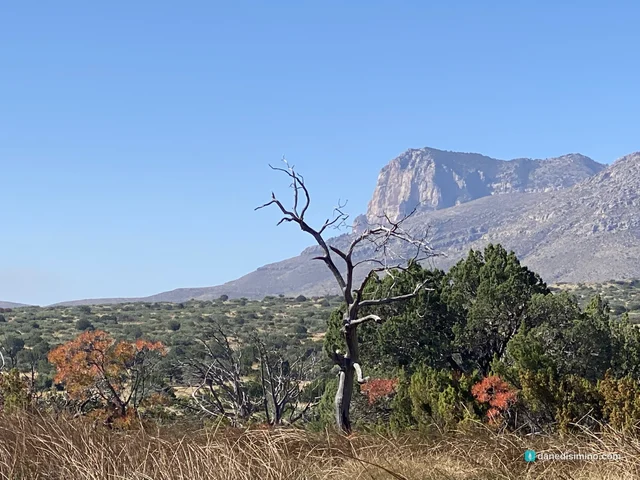
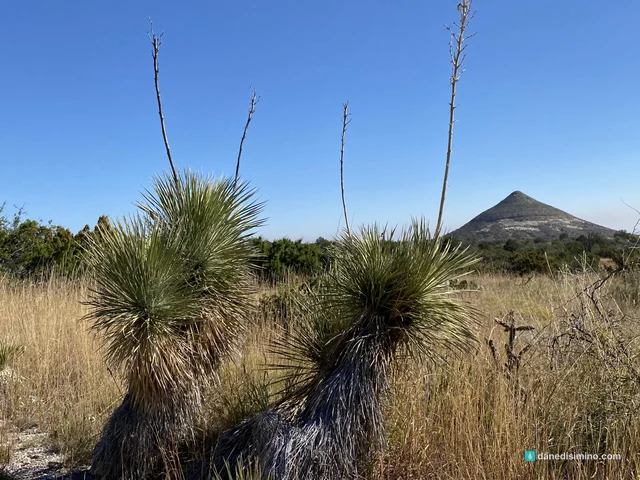
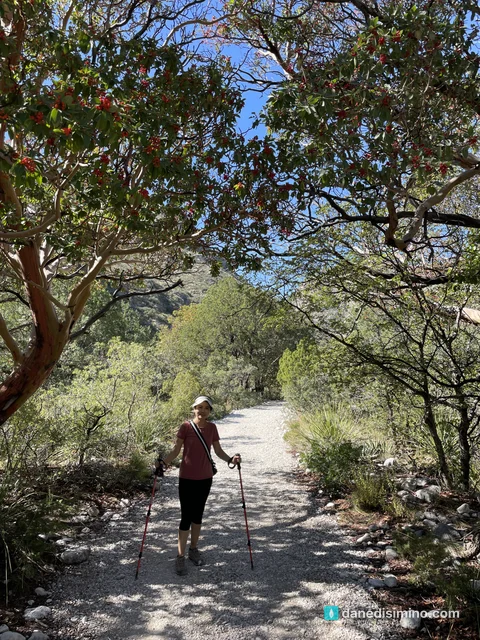
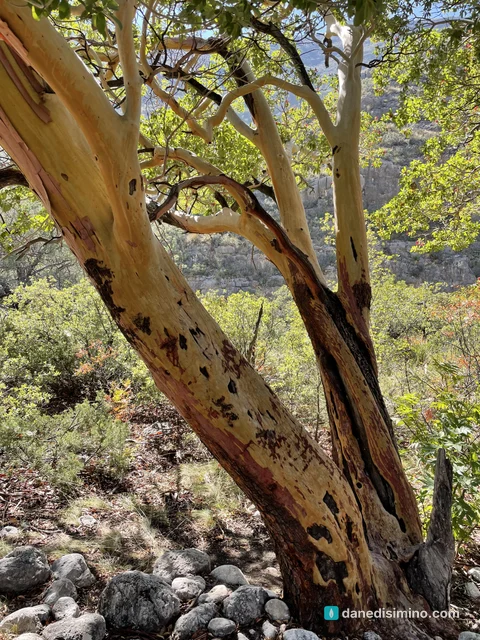
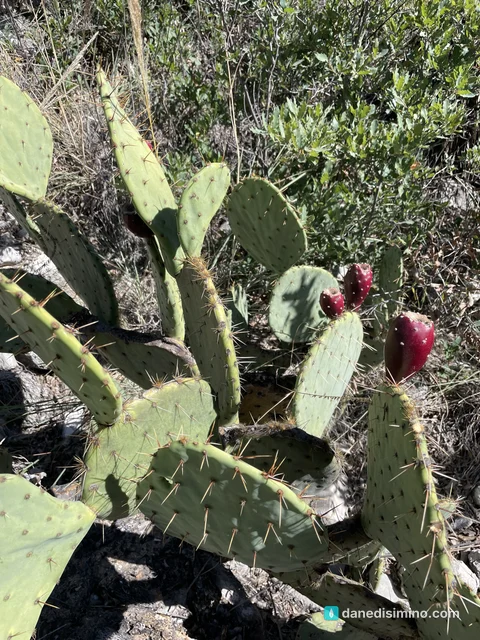
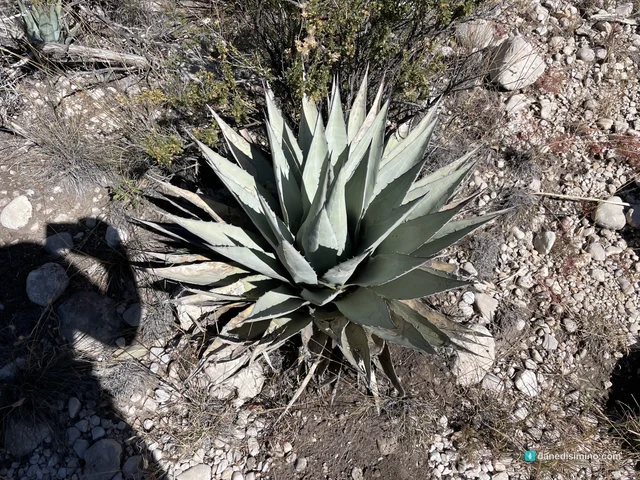
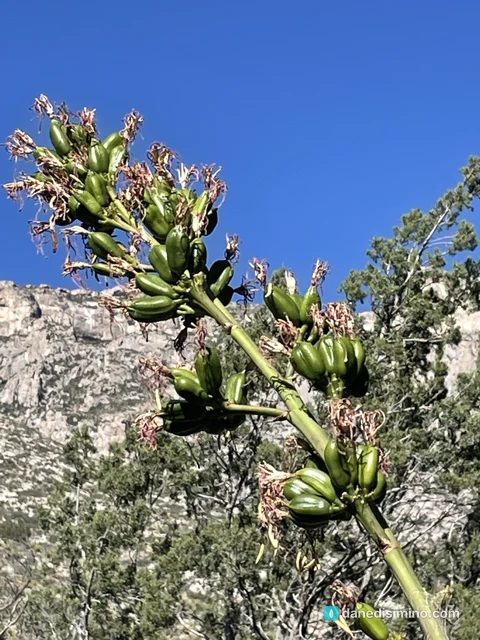
What makes this hike is the plant life. Agave and sotol bristle along the trail, prickly pear hangs heavy with red fruit, and the tall stalks of century plants stand overhead. Deeper in, the canyon turns into a woodland of oaks, maples and Texas madrones, with smooth, peeling red bark that seems to glow.
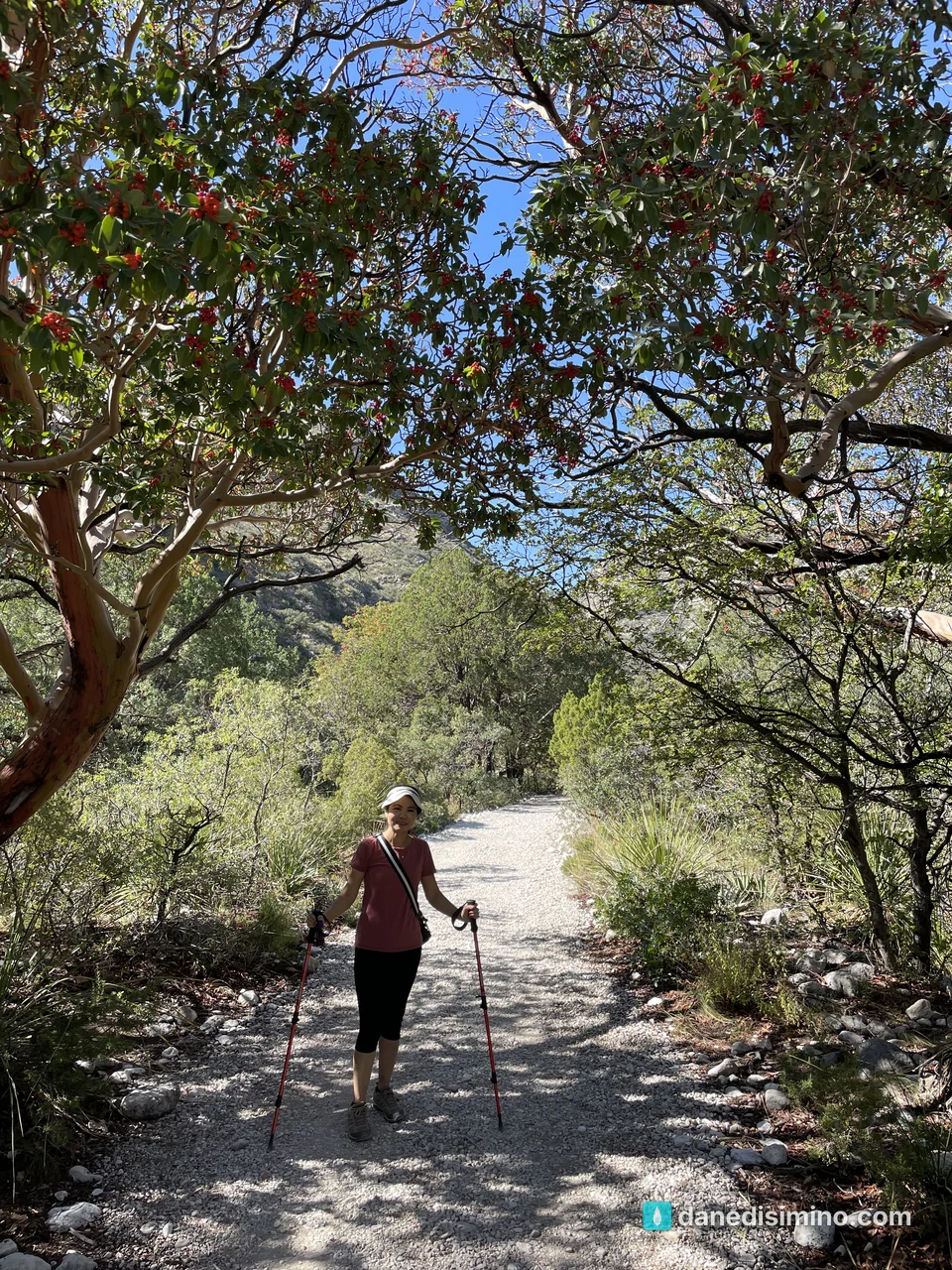
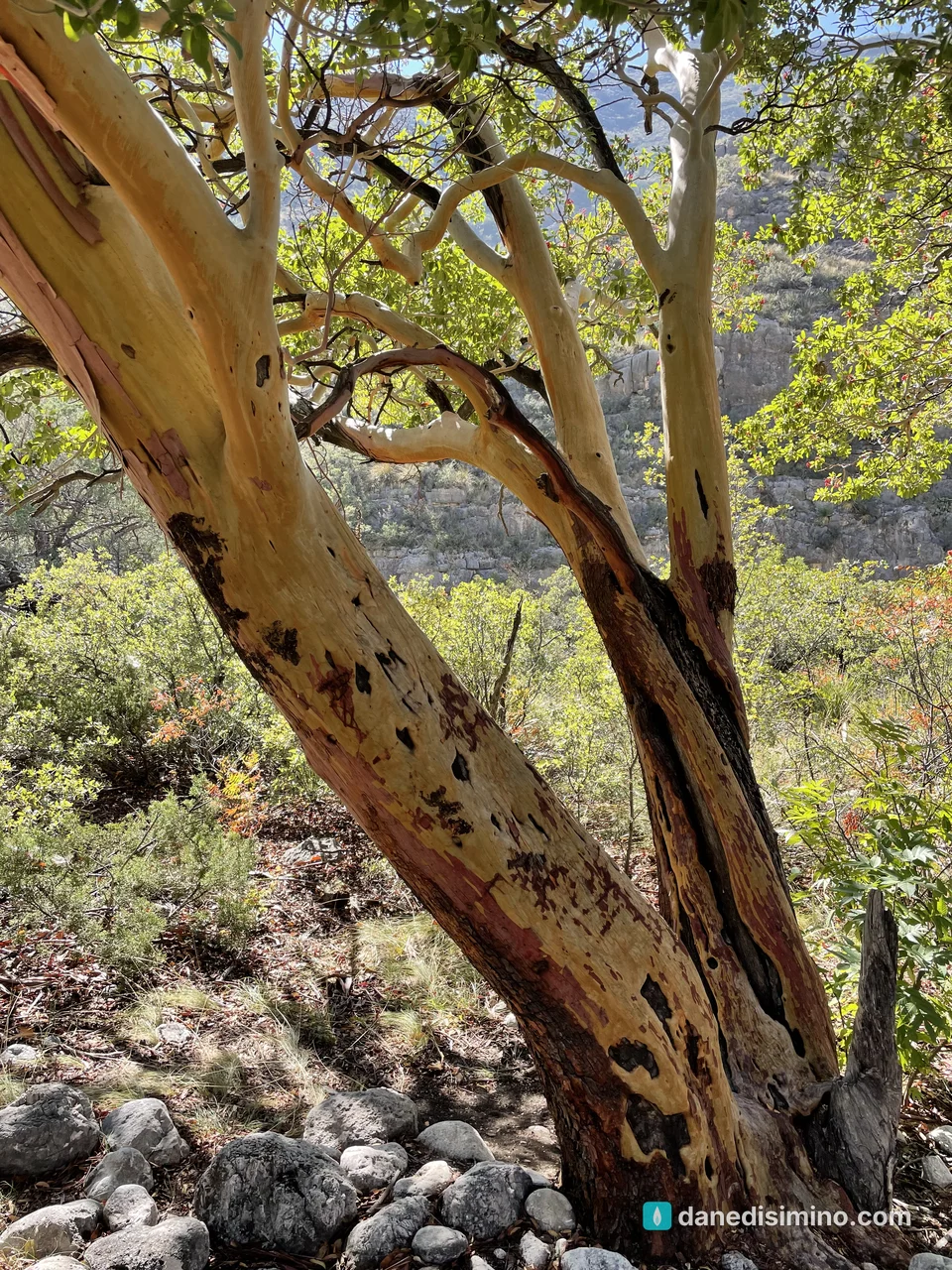
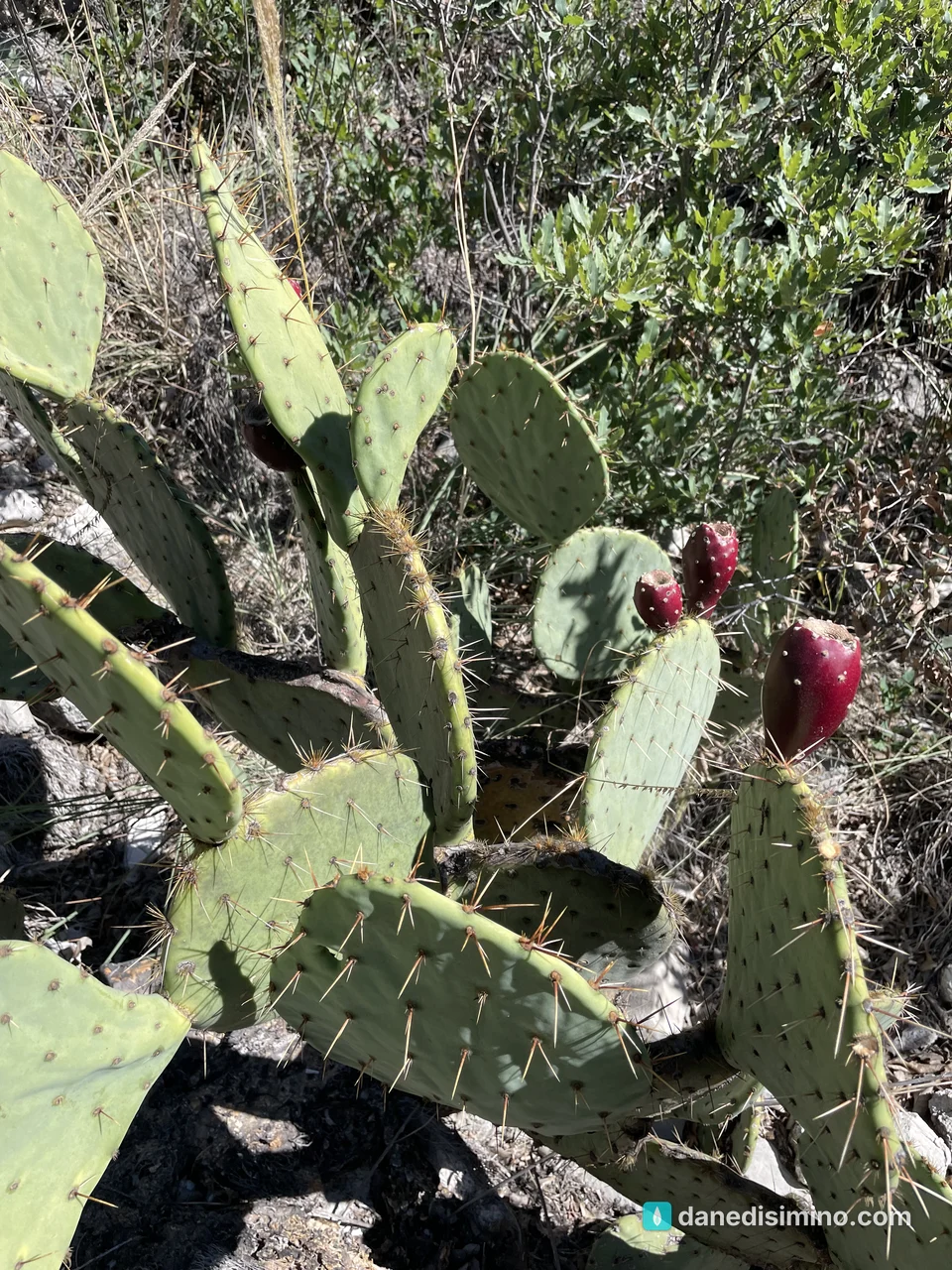
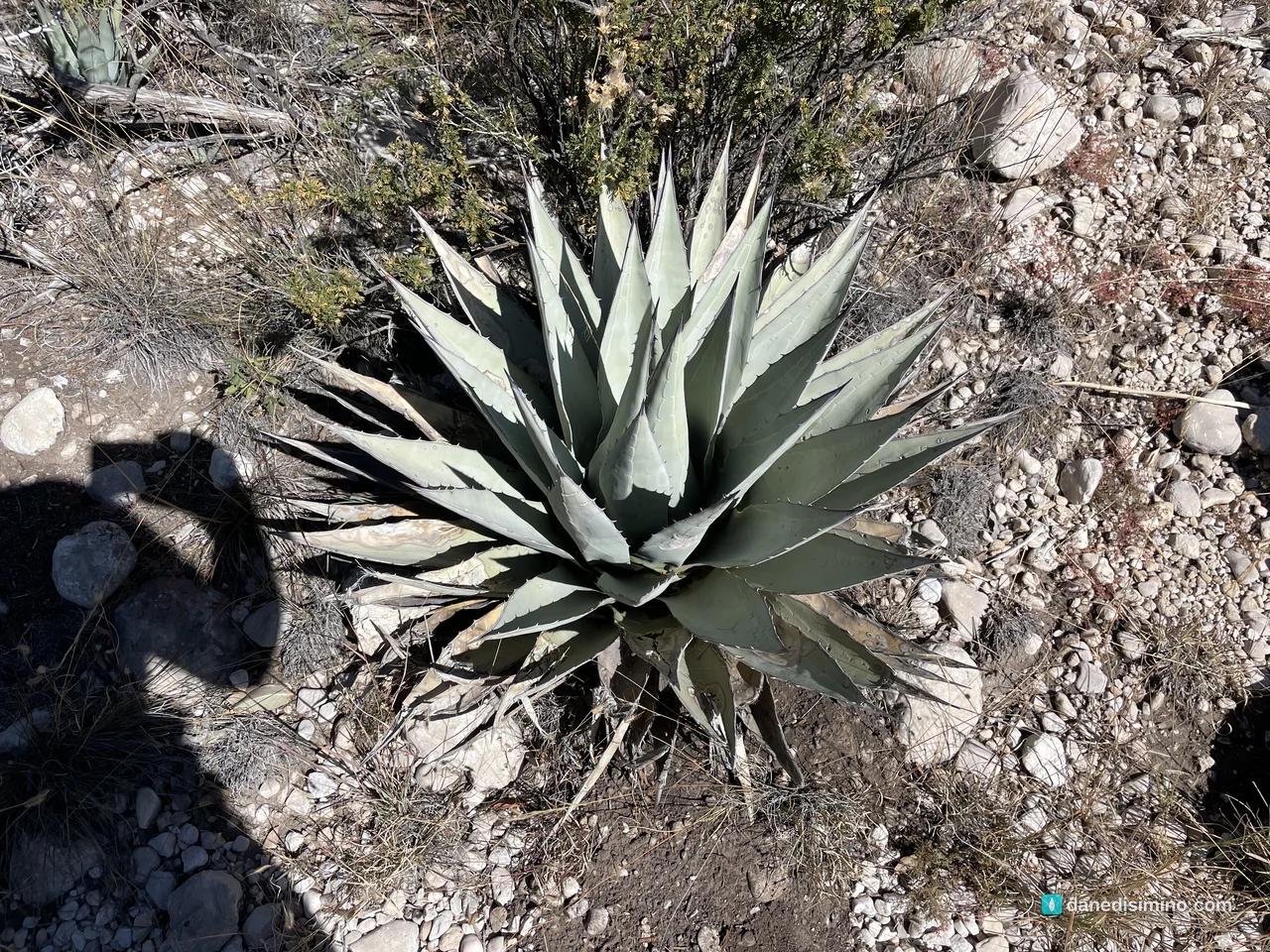
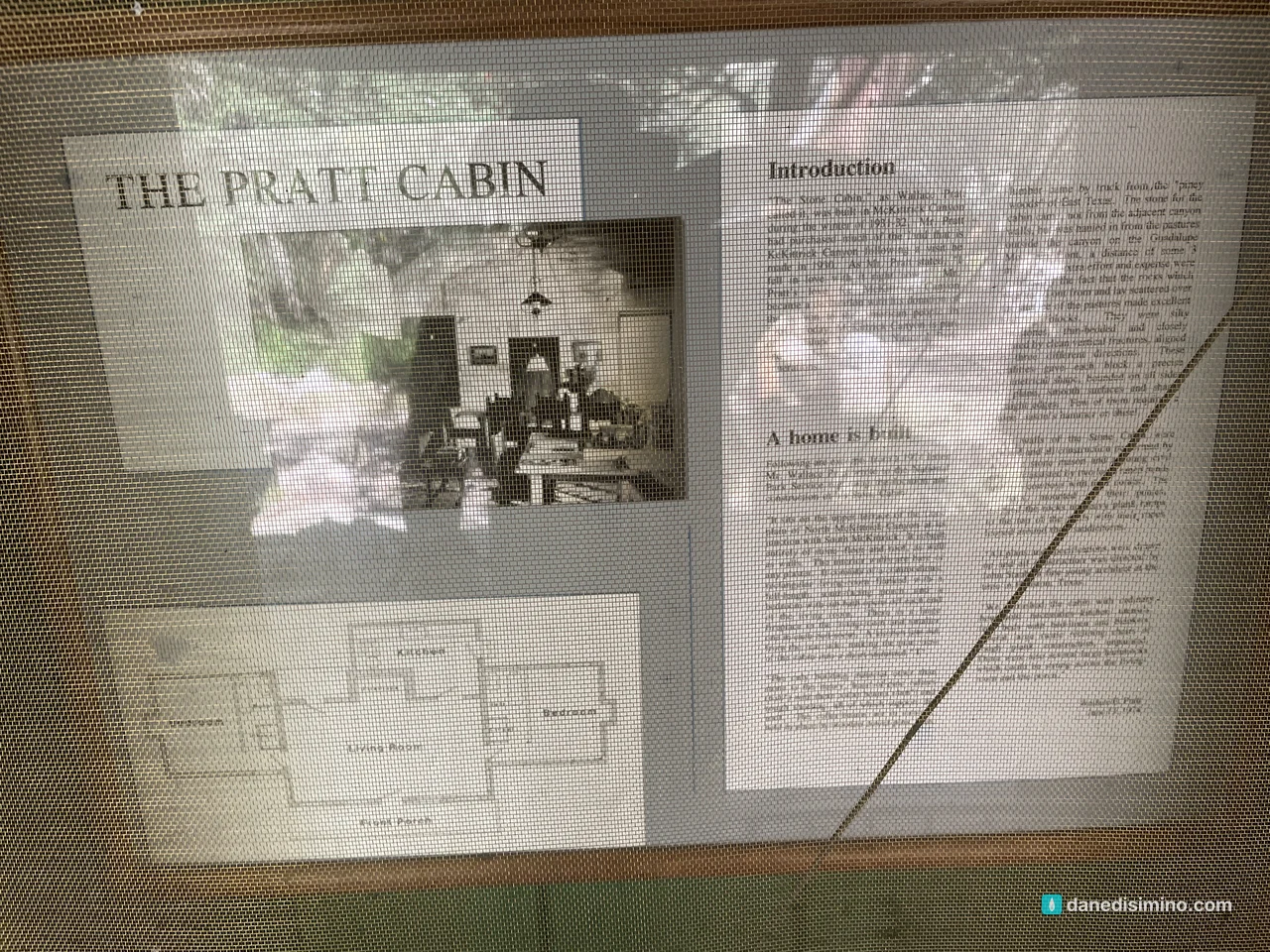
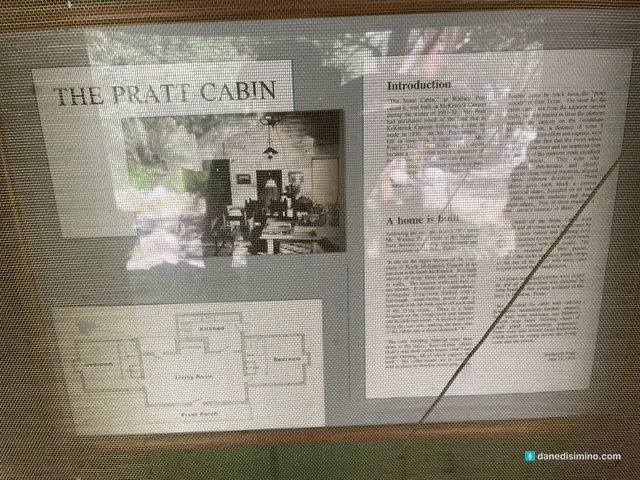
At the end is Pratt Cabin, a stone summer home built in the early 1930s by oil geologist Wallace Pratt. In 1963 he donated more than 5,000 acres, including this cabin, to the National Park Service, which helped create the park in 1972. There are picnic tables on the grounds; it's the perfect lunch stop before heading back.
Where to stay
We drove over from Carlsbad. The park has campgrounds at Pine Springs and Dog Canyon, but no lodging; White's City and Carlsbad are the nearest towns on the New Mexico side. McKittrick Canyon is day use only, so plan to be out by the 5 p.m. gate close.
What I'd do differently
Climb Guadalupe Peak. We didn't this time. Next time we're starting at dawn with a full pack of water.
Stay longer in the canyon. Push on to the Grotto and give the madrones the time they deserve.
Plan the New Mexico loop on purpose. White Sands, Carlsbad Caverns and Guadalupe Mountains in three days is one of the best road trips in the Southwest.
What Guadalupe Mountains taught me
Guadalupe taught me to look up. You drive toward these mountains for miles, watching them rise out of the desert, and then you walk into a canyon where the trees close in and everything goes quiet.
"I look up to the mountains—does my help come from there? My help comes from the LORD, who made heaven and earth!" (Psalm 121:1–2, NLT)
The mountains are beautiful. The One who made them is better.
Questions?
Ask me anything about Guadalupe Mountains: McKittrick Canyon, timing the fall color, Guadalupe Peak, or building a New Mexico three-park loop. I answer every question.
Photos
Sources
Pathlight
Park guides from the road. A printable trip sheet comes with them when one is ready.