
NATIONAL PARKS
Mammoth Cave
A Field Guide
On this page
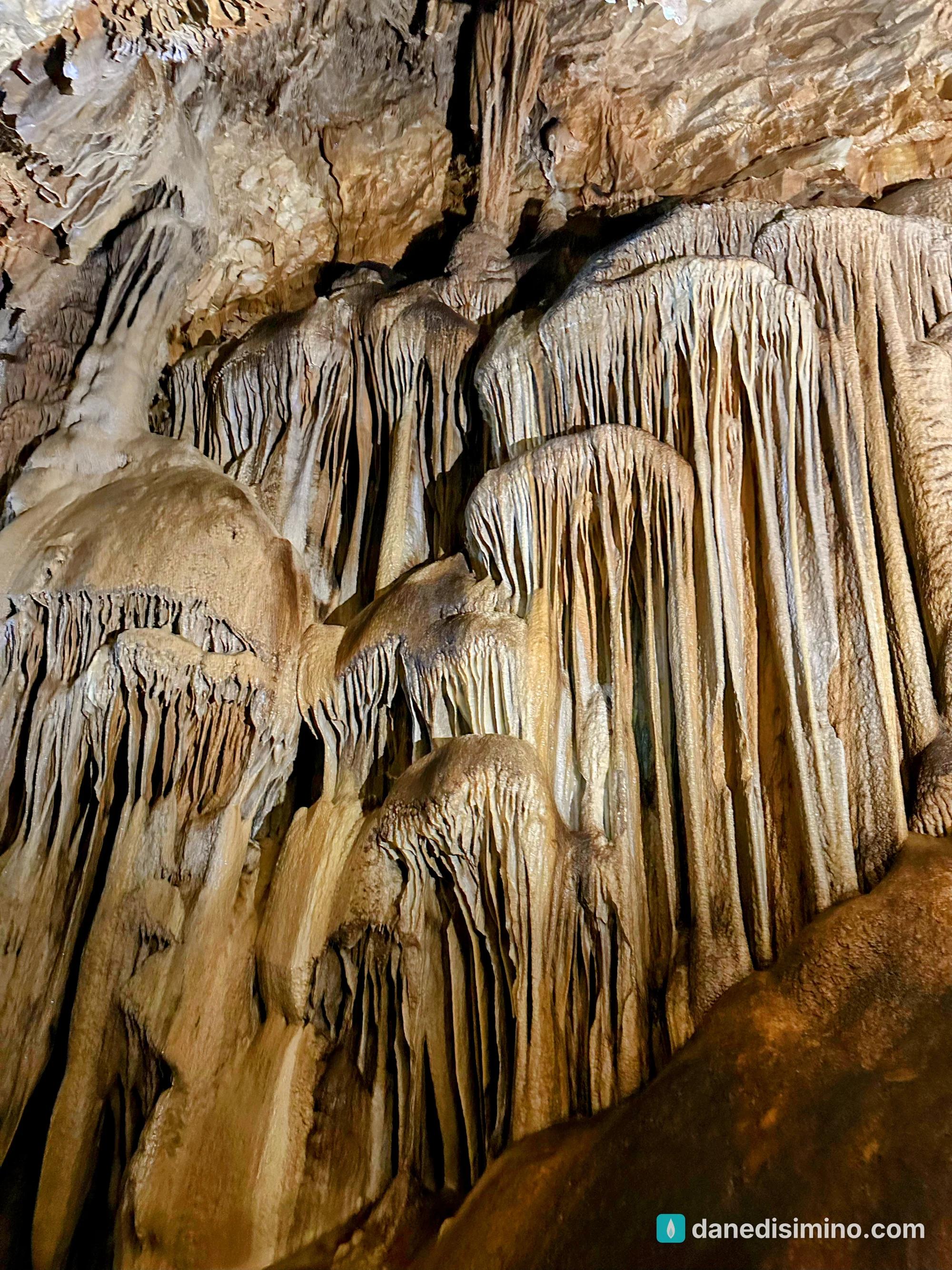
The world's longest known cave, seen the hard way: no reservation for the tour we wanted, a loud, hot bus ride and a headache. The cave still delivered, with dripstone formations that look poured from the ceiling. How the cave formed, who explored it and how to book the tour you actually want.
Version 1.0 · Updated Nov 20, 2026
Map
When to go
Average monthly visits, 2023–2025. Source: NPS visitor statistics. ● marks the months we visited.
| January | 17,080 |
|---|---|
| February | 23,215 |
| March | 71,530 |
| April | 64,891 |
| May | 66,863 |
| June | 89,623 |
| July | 100,213 |
| August | 76,073 |
| September | 56,274 |
| October | 53,496 |
| November | 33,312 |
| December | 34,838 |
Mammoth Cave was a bit disappointing, and that was mostly my fault. We arrived on July 6, 2023, the fourth park of our five-park eastern trip, without the cave tour we really wanted.
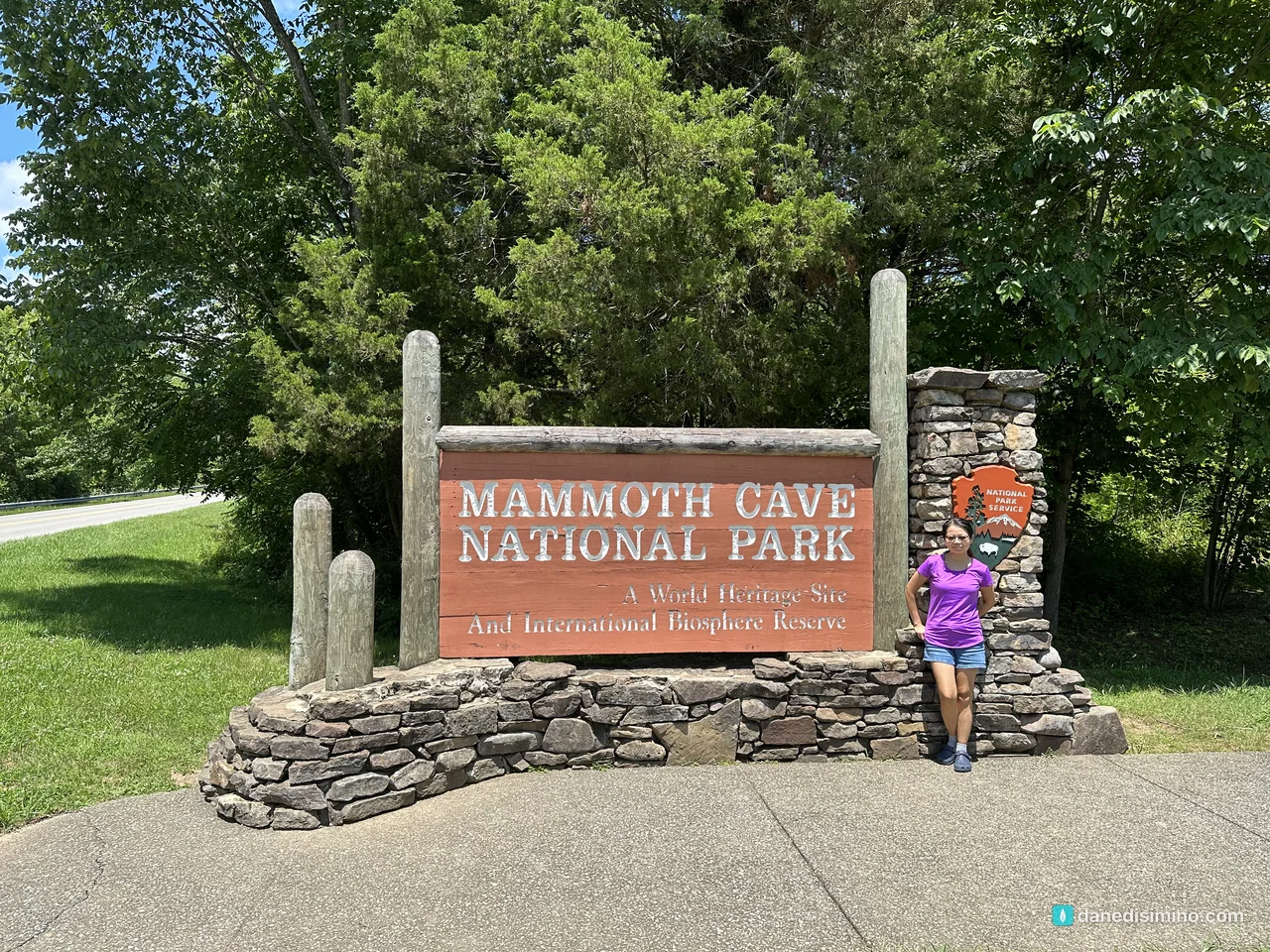
I hadn't booked ahead, and every tour into the historic part of the cave was full for the time we had. We took a bus tour to another entrance instead. It was hot, I had a headache, and by this point in the trip Carrie and I were worn down. But once we were underground, the formations were something special.
Book your cave tour before you book anything else.
The short version
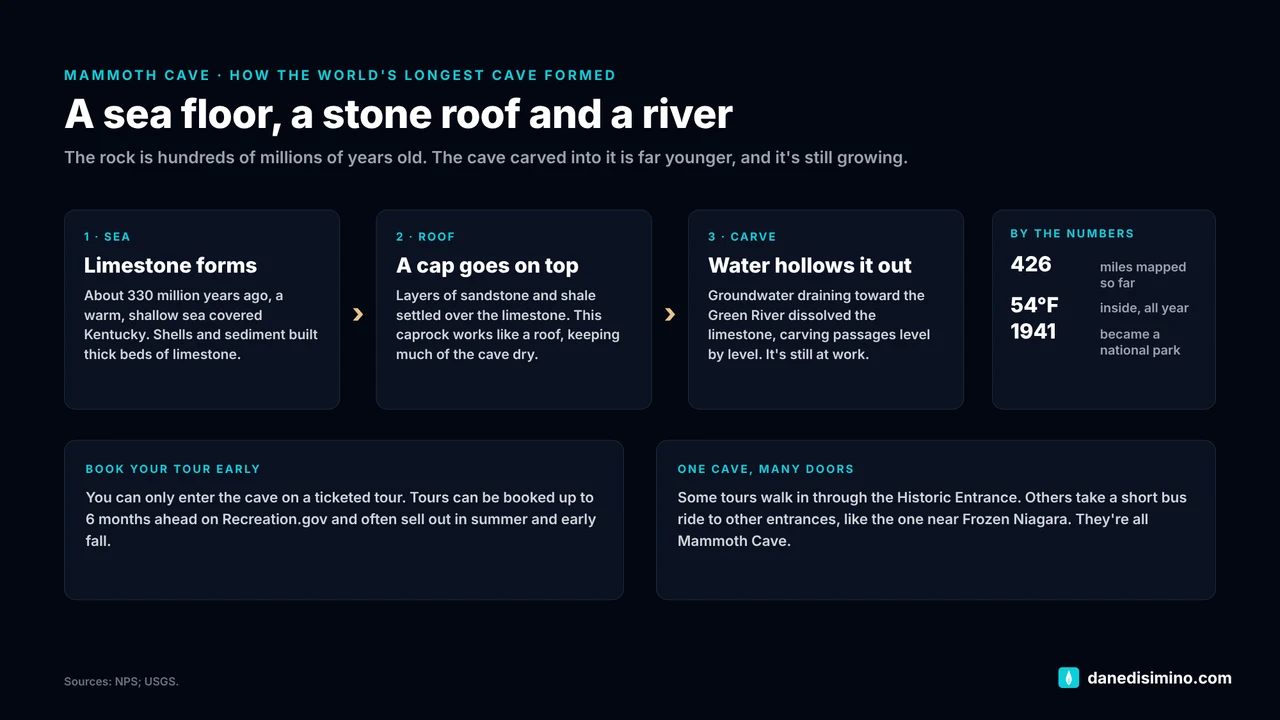
Book your tour early. You can only enter the cave on a ticketed tour. Tickets open up to 6 months ahead and often sell out in summer and early fall.
Pick your tour on purpose. Tours range from one to six hours and from easy to strenuous. Read the descriptions first.
Bring a jacket. The cave stays around 54°F all year, even when it's over 90°F outside.
Expect stairs. Some tours have hundreds of them.
Entry is free. The park has no entrance fee, but cave tours cost money.
The park at a glance
- 426
- Miles of cave mapped
- 54°F
- Cave temperature
- 1941
- Became a national park
- $0
- Entrance fee
Where: south-central Kentucky, near Brownsville.
Start here: the visitor center. All tours start and end there, so arrive at least 30 minutes early.
Tours: book on Recreation.gov or by phone at 877-444-6777. Walk-up tickets aren't guaranteed.
Bring: a light jacket and good walking shoes. Flash photography, back carriers and large backpacks aren't allowed on tours.
Before you go: check the park's Alerts & Conditions page at nps.gov/maca.
How the cave formed
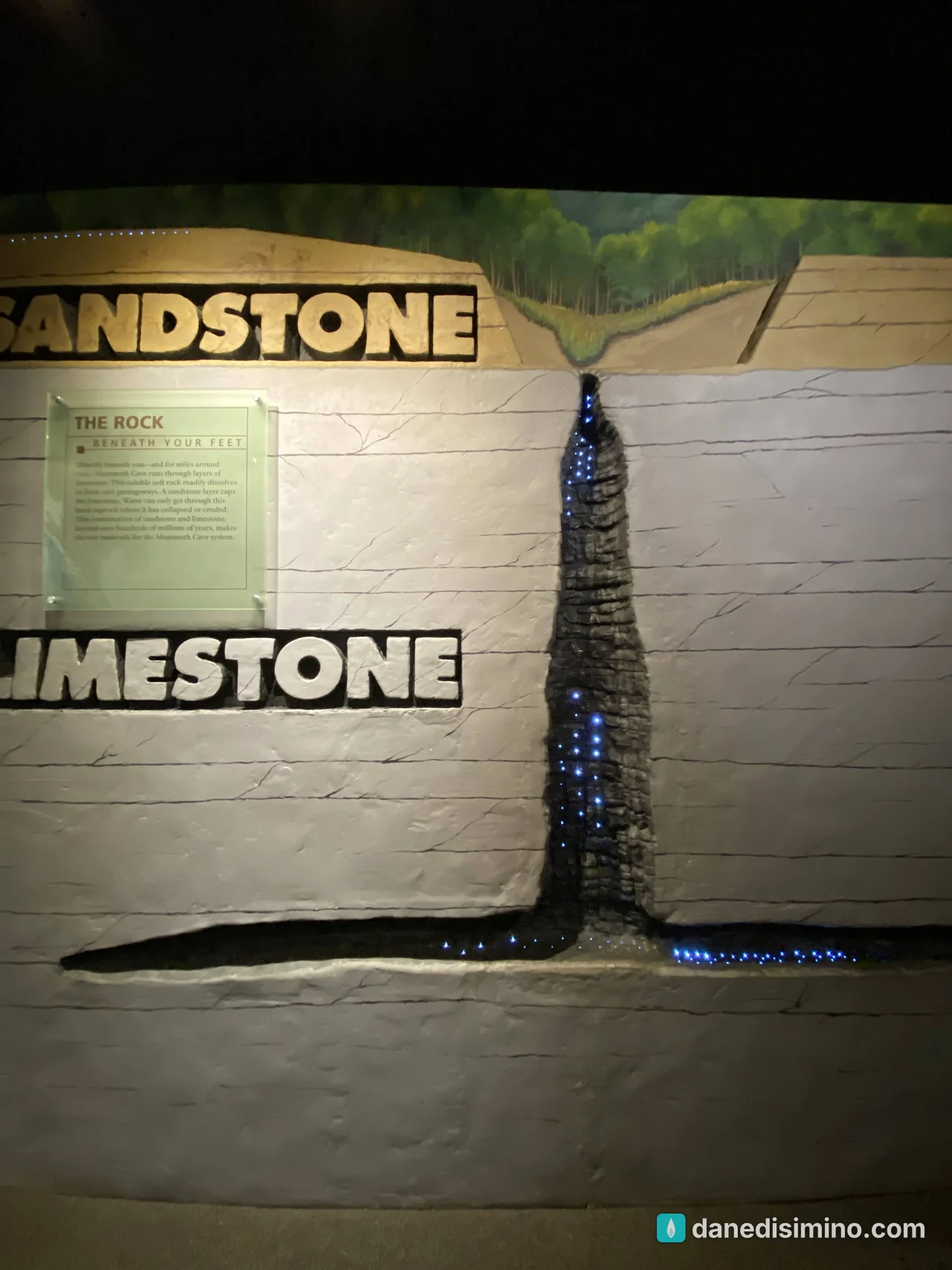
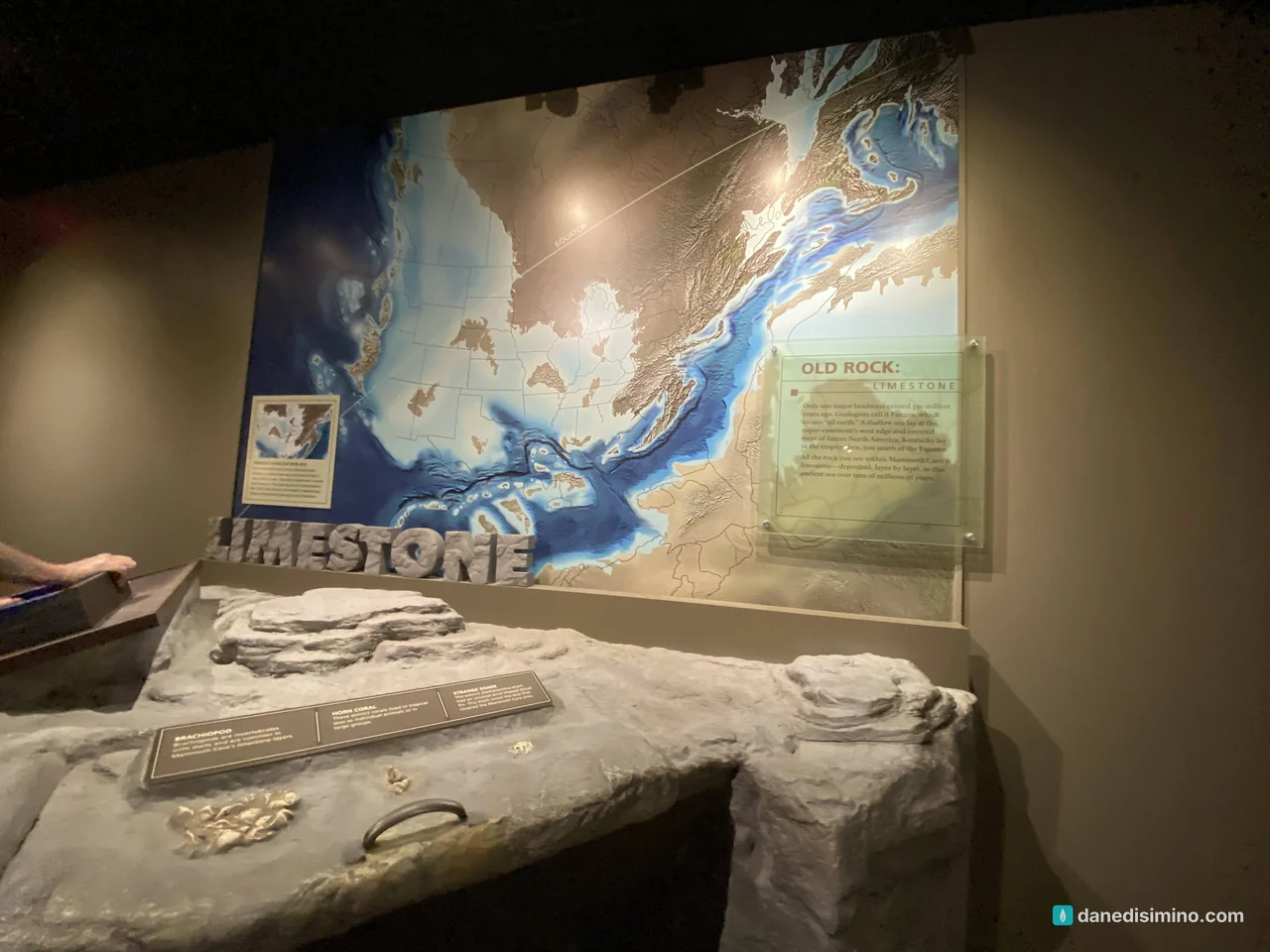
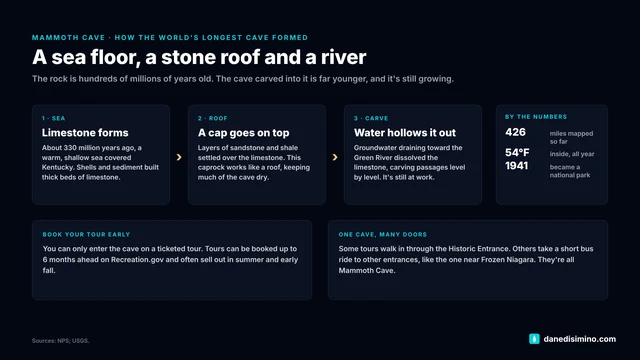
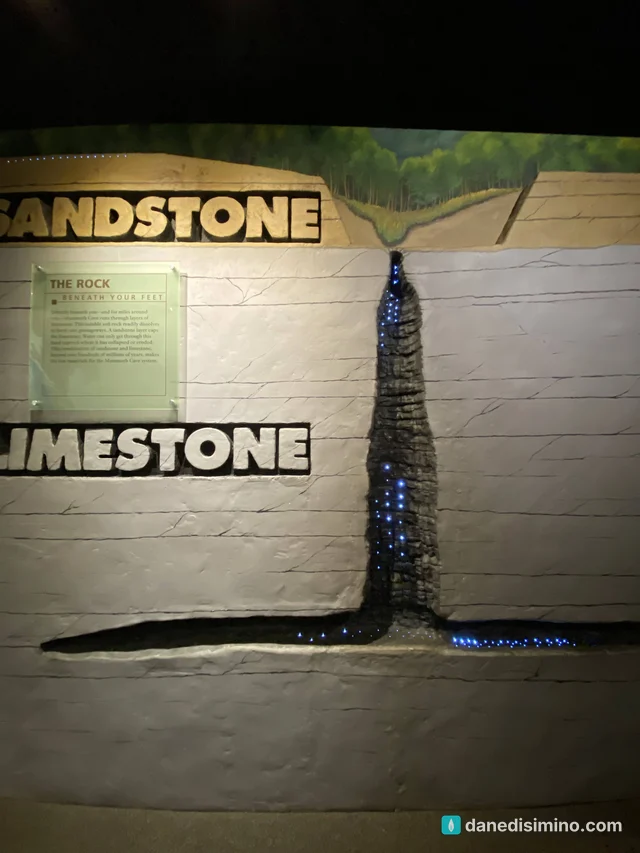
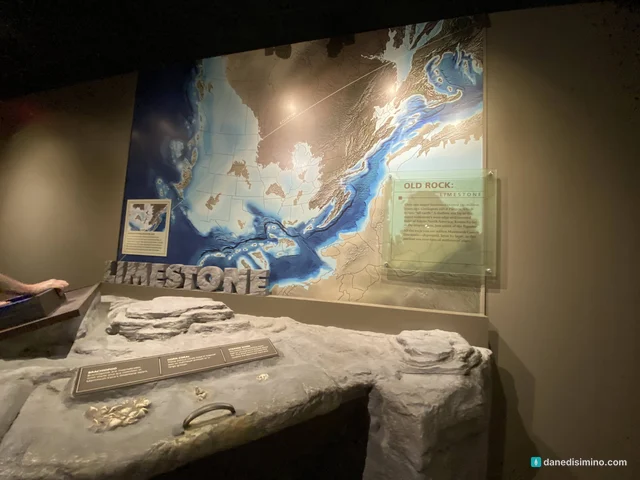
About 330 million years ago, a warm, shallow sea covered Kentucky. Shells and sediment hardened into thick beds of limestone. Later, layers of sandstone and shale settled on top, forming a caprock that acts like a roof and keeps much of the cave dry.
Water did the rest. Groundwater draining toward the Green River dissolved the limestone and carved passages, level by level. The highest passages formed until about 2 million years ago, and the cave is still forming today.
How the cave became a park
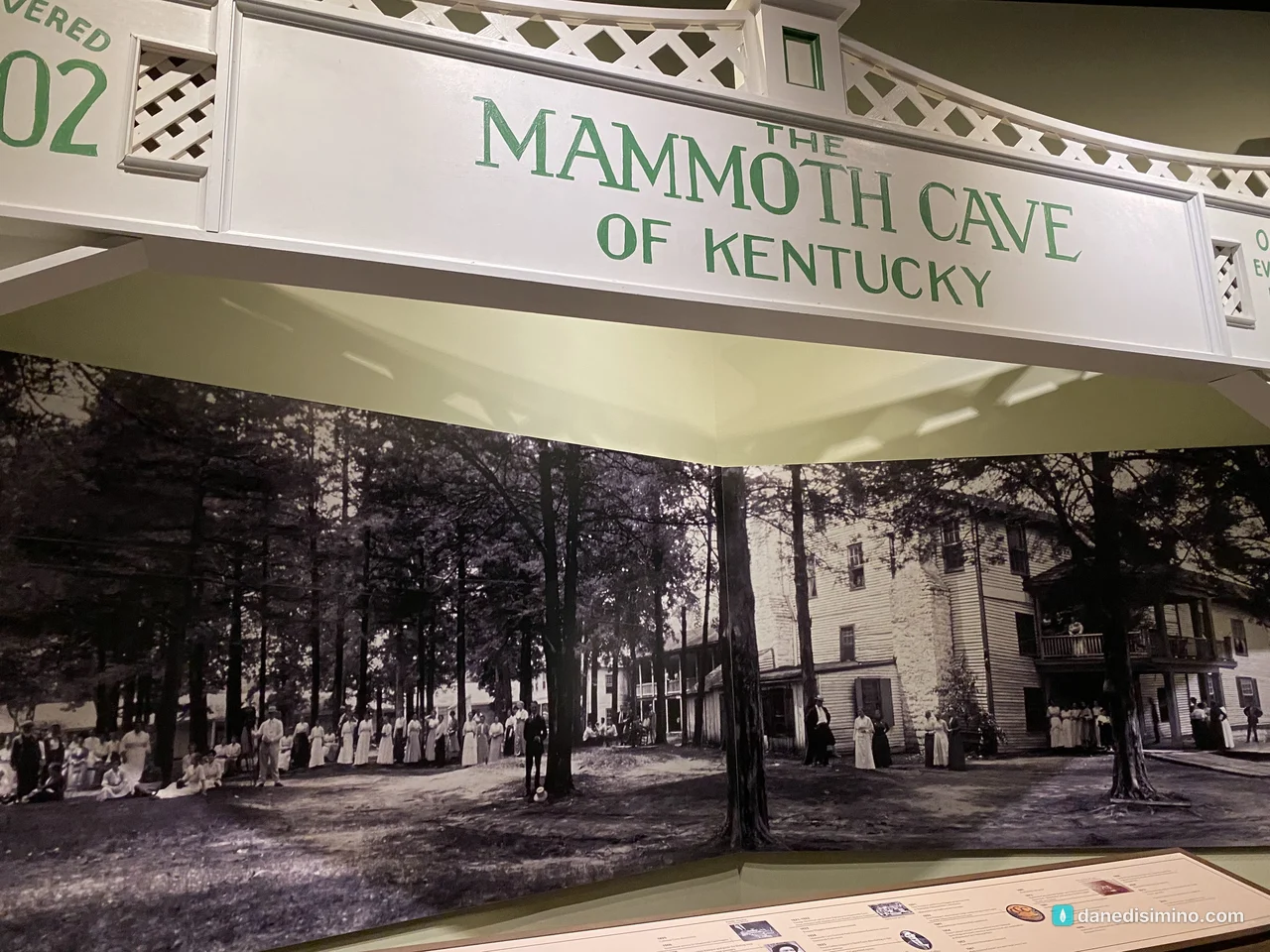
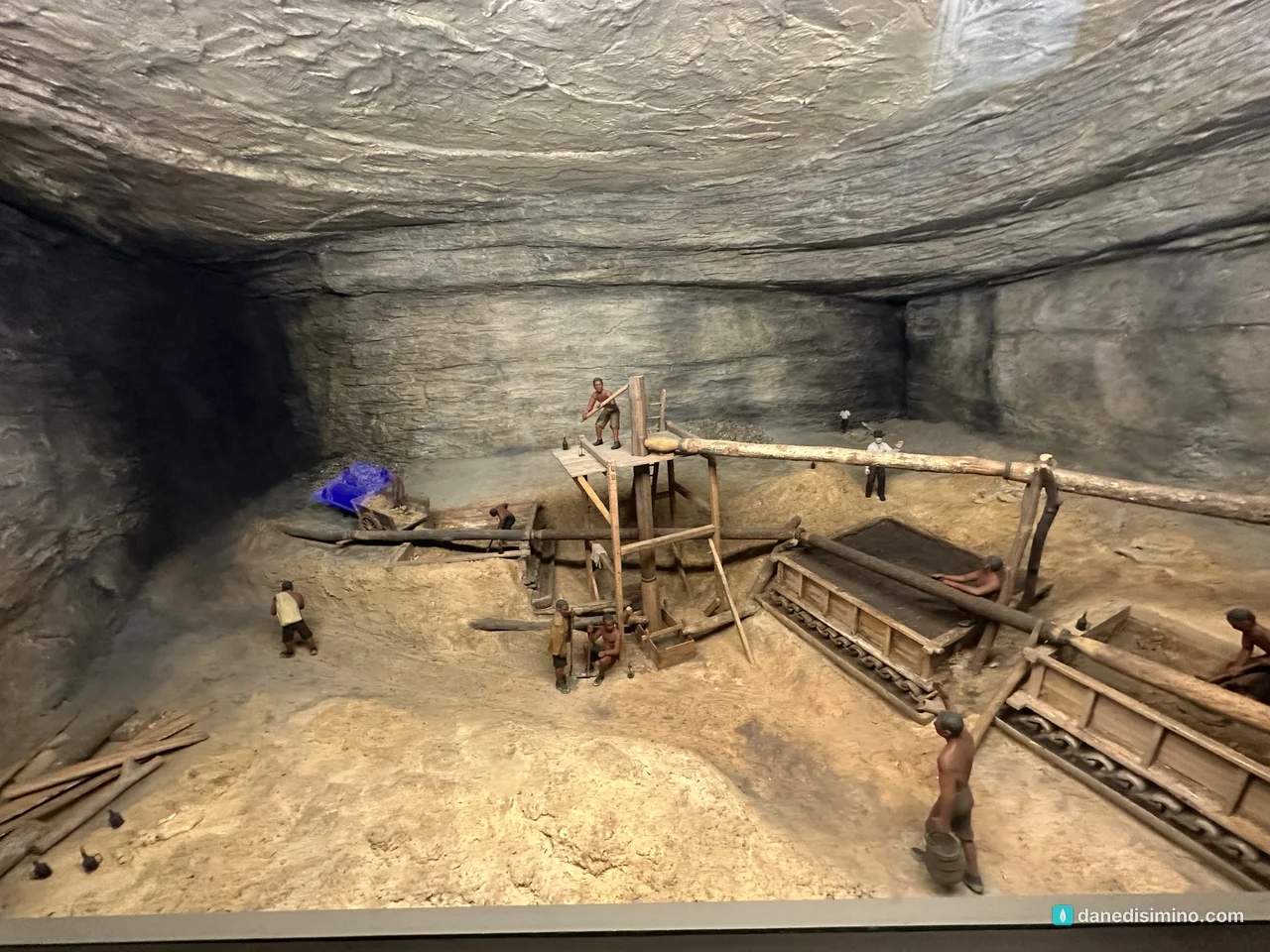
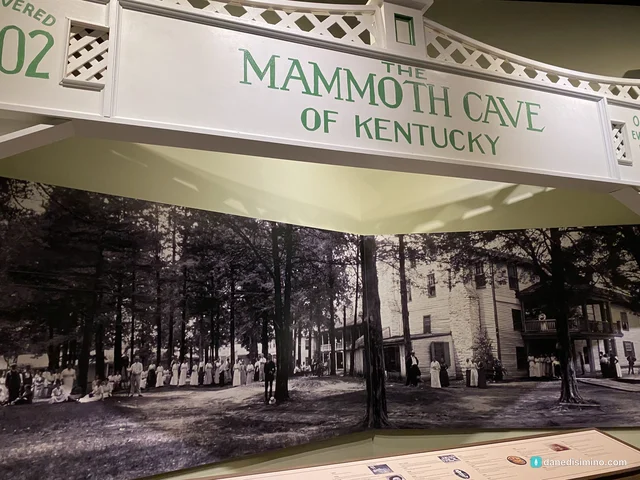
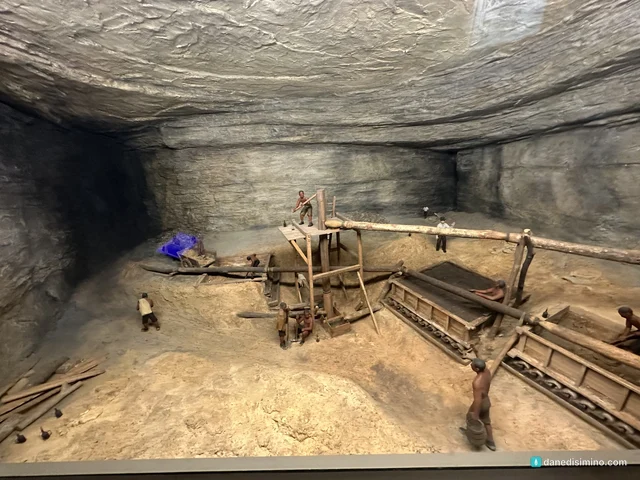
People have entered Mammoth Cave for about 5,000 years. Before and during the War of 1812, enslaved workers mined saltpeter here to make gunpowder. When the war ended, the cave became a tourist attraction.
Some of its greatest early guides were enslaved men, including Stephen Bishop, Mat Bransford and Nick Bransford. Bishop explored and mapped miles of passages no one had seen. Mammoth Cave became a national park on July 1, 1941, a World Heritage Site in 1981 and the world's longest known cave in 1972.
On the way in
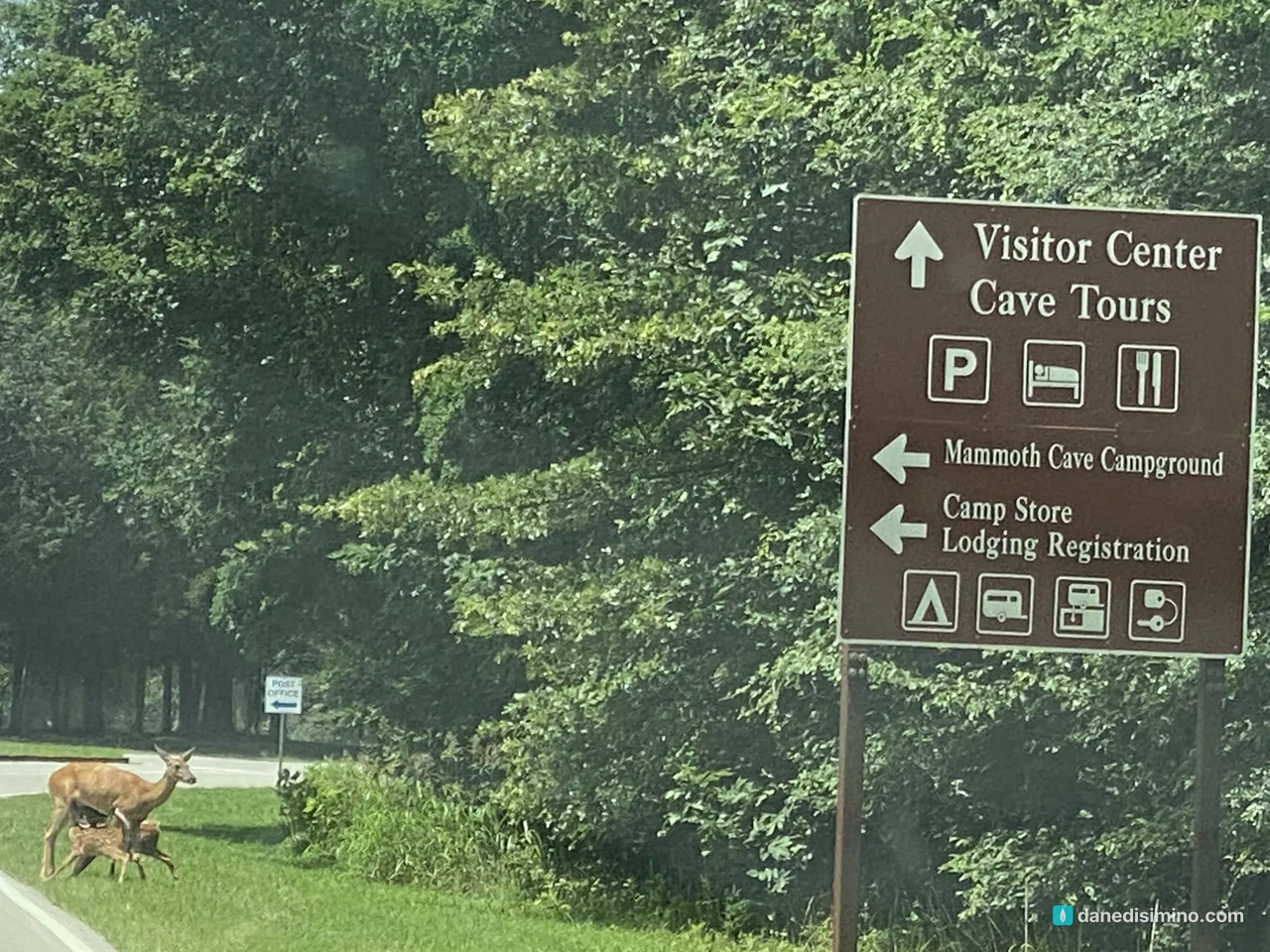
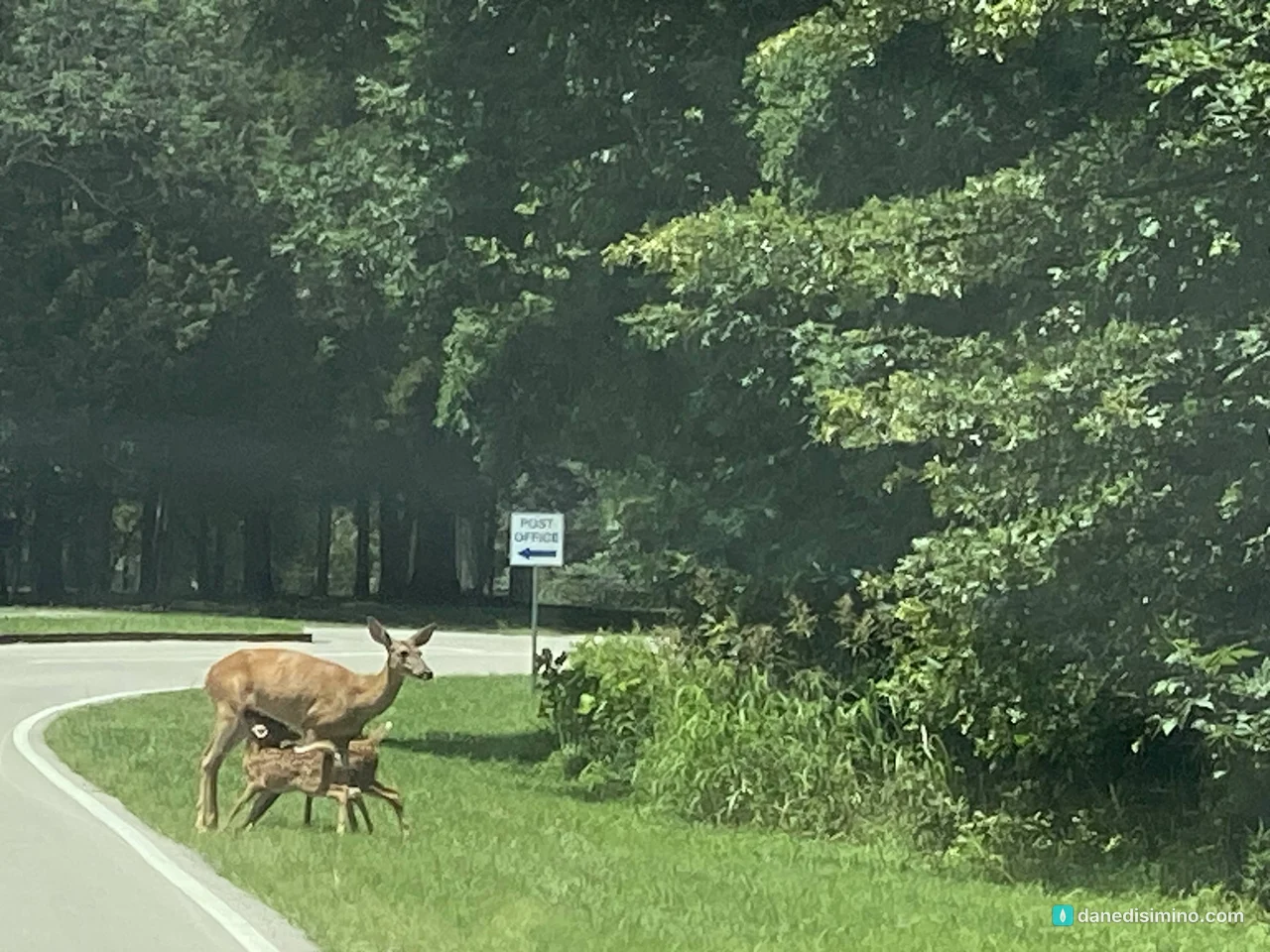
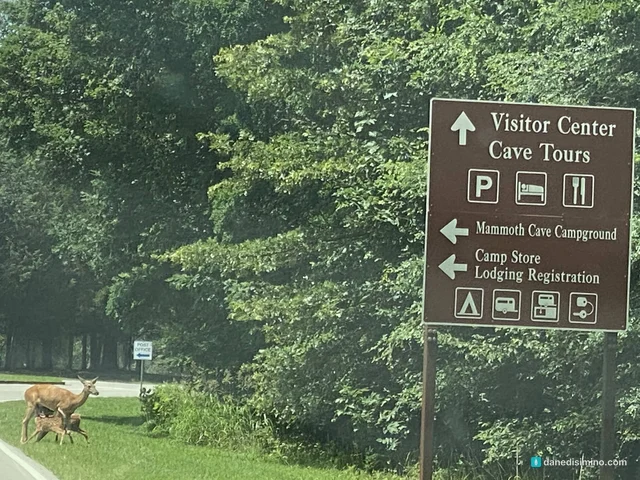
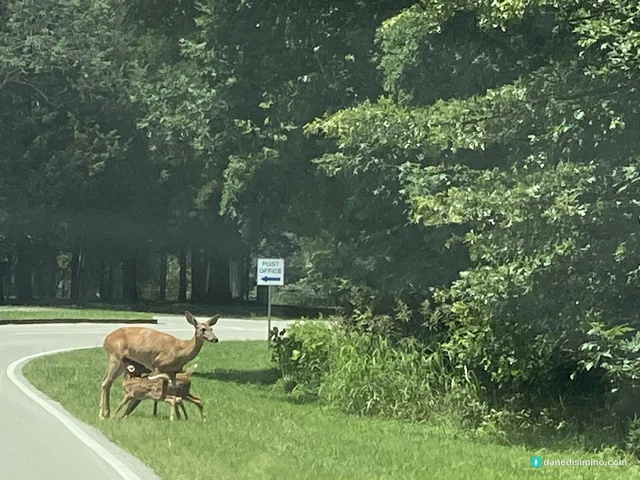
Driving in, we spotted a doe with two fawns right by the road, one of them nursing.
The bus to the other entrance
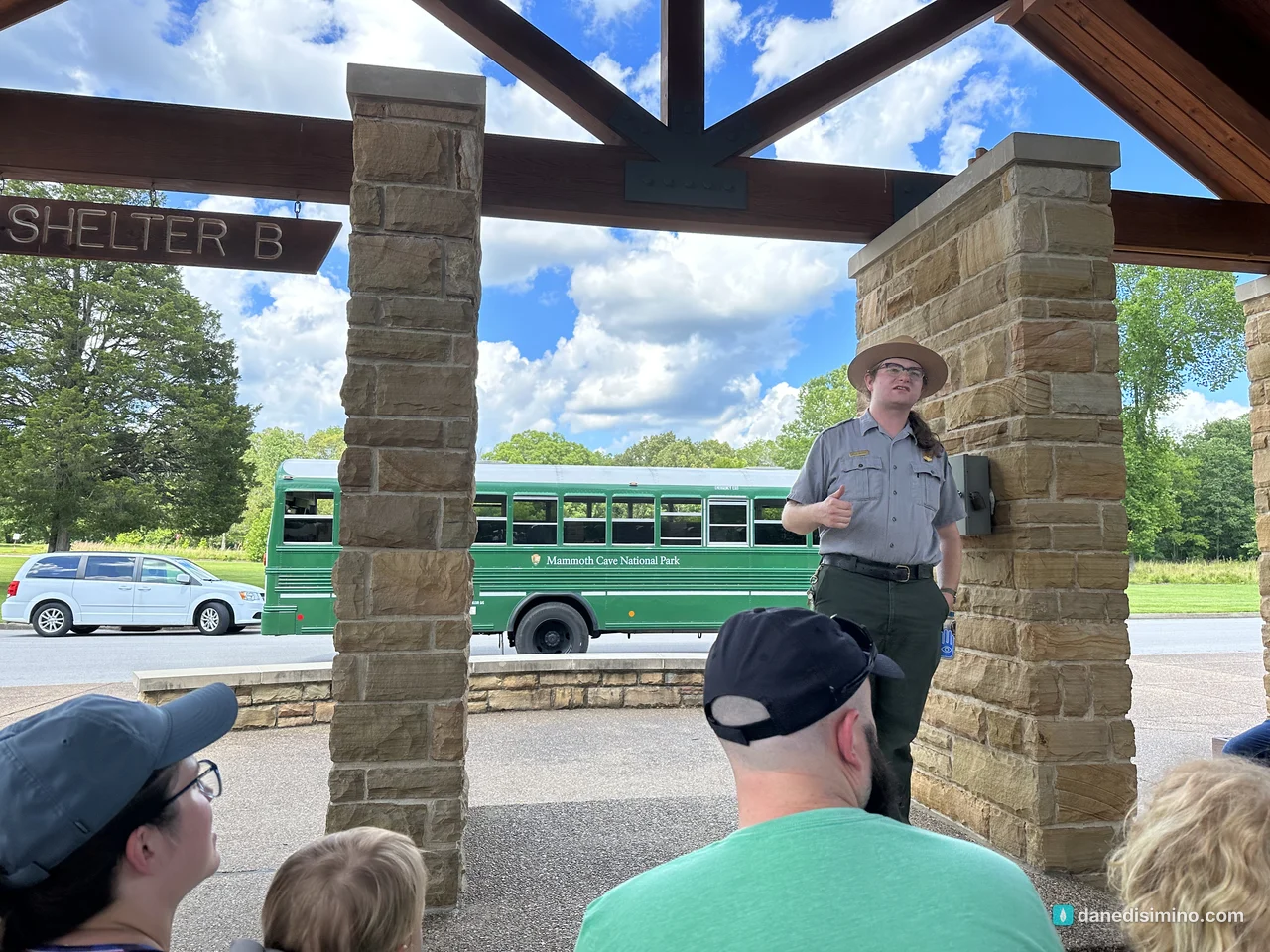
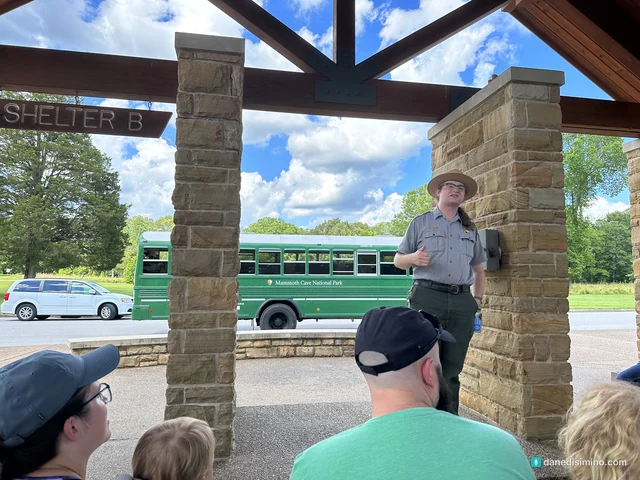
Our tour started with a bus ride from the visitor center. It was a hot day. The ranger shouted information over a sound system that pierced my eardrums. We grinned and bore it.
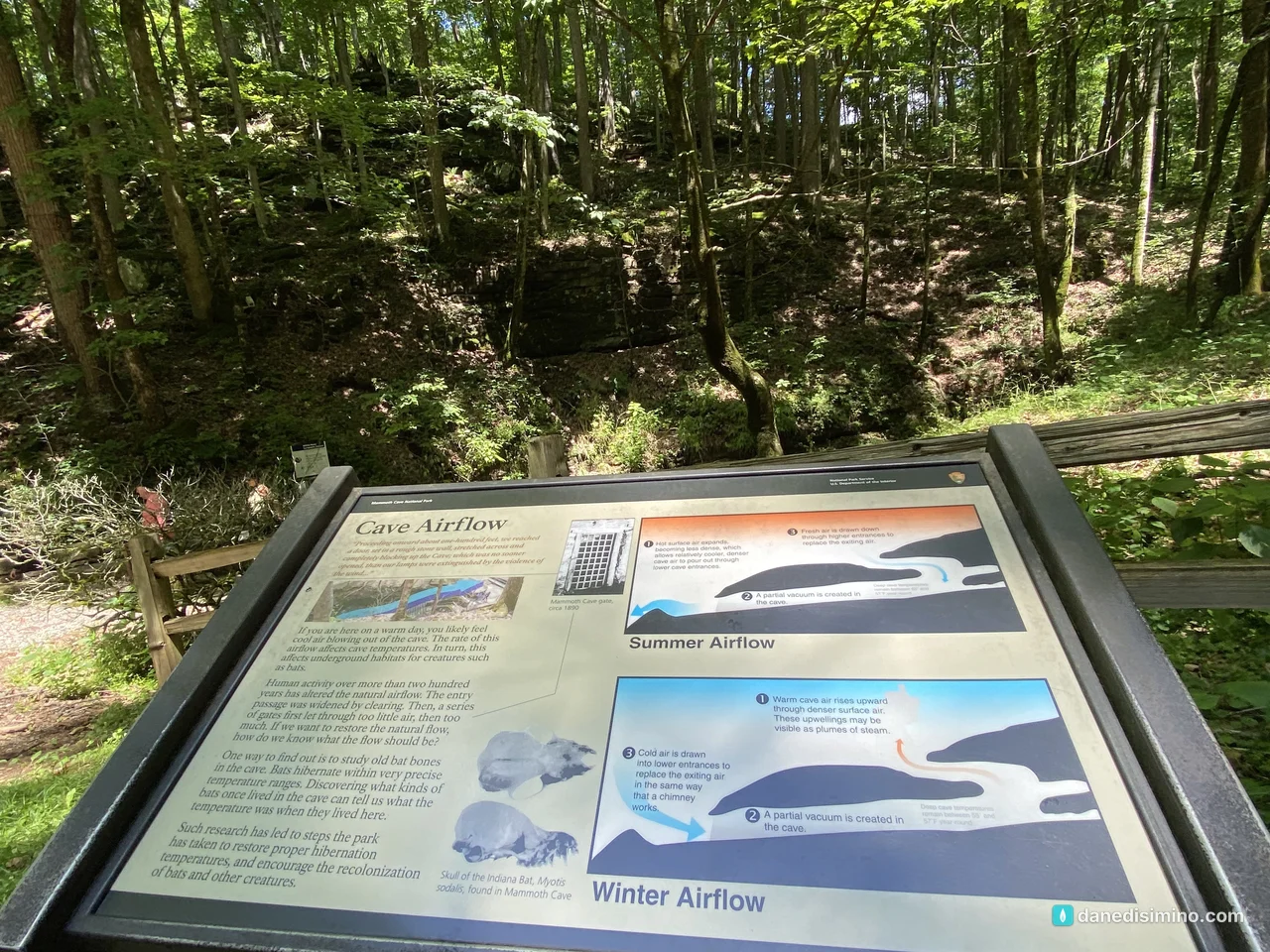
Here's what I didn't realize: it wasn't a different cave. Mammoth Cave has several entrances, and some tours take a short bus ride to reach them. Our tour went through one of those other doors into the same giant system.
Into the dripstone
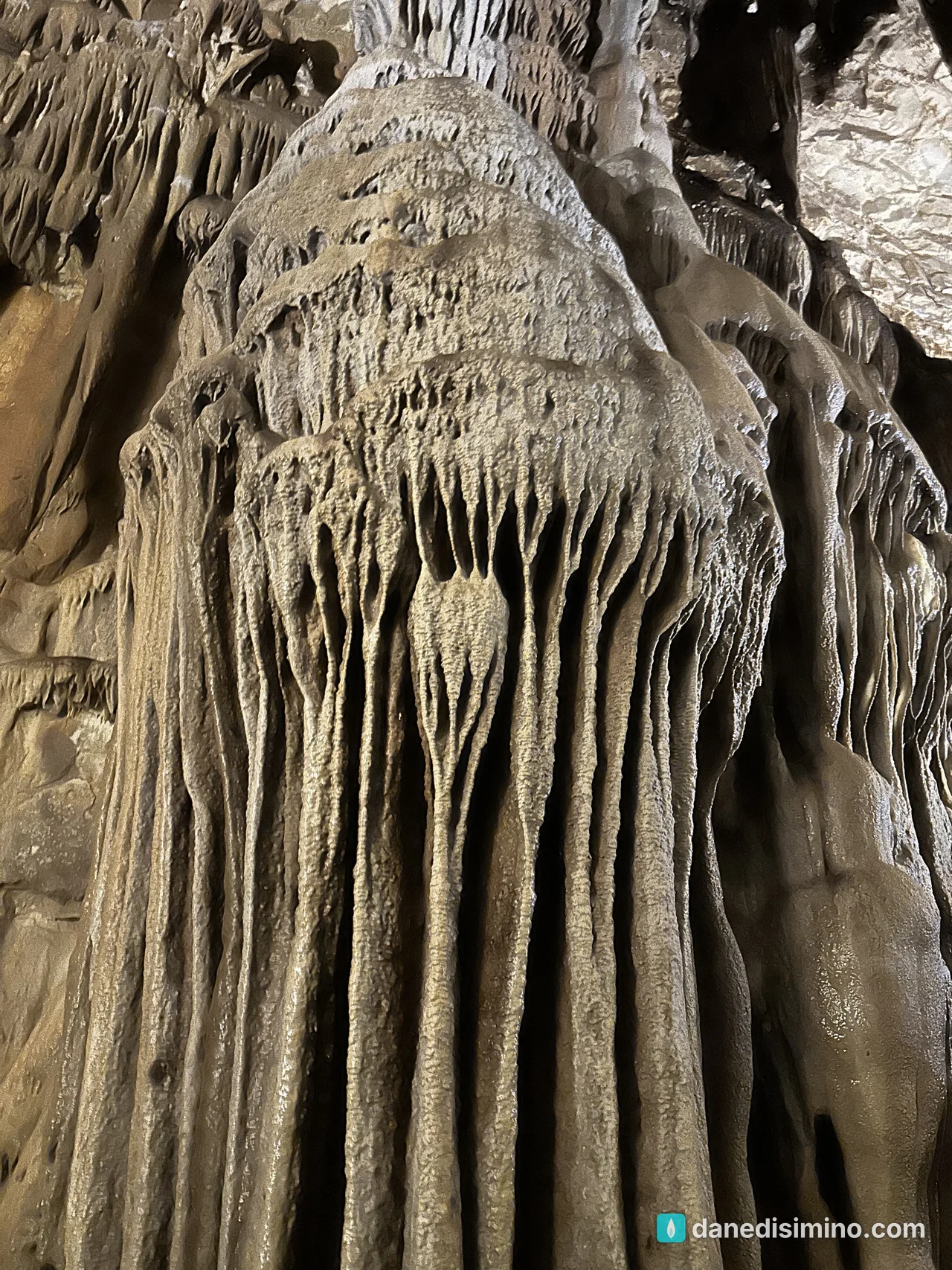
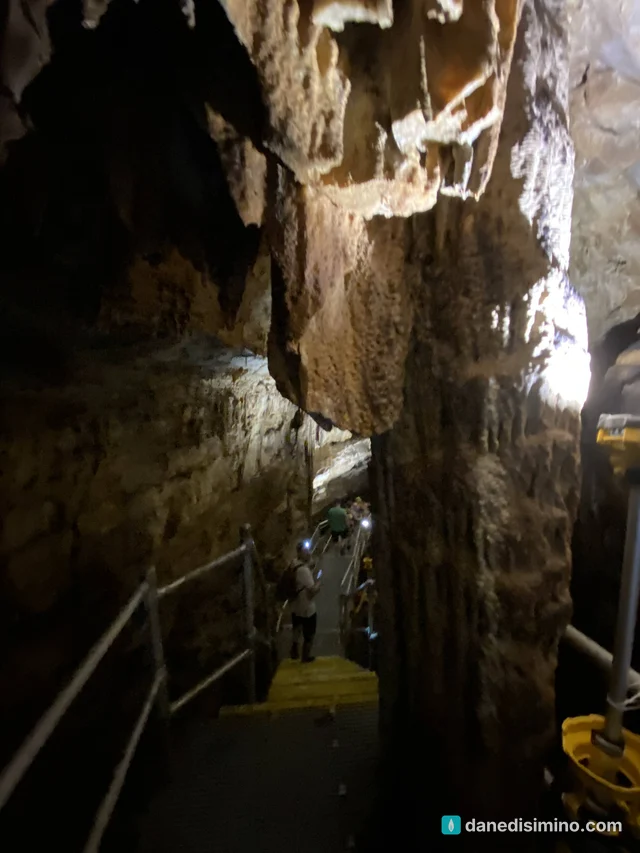
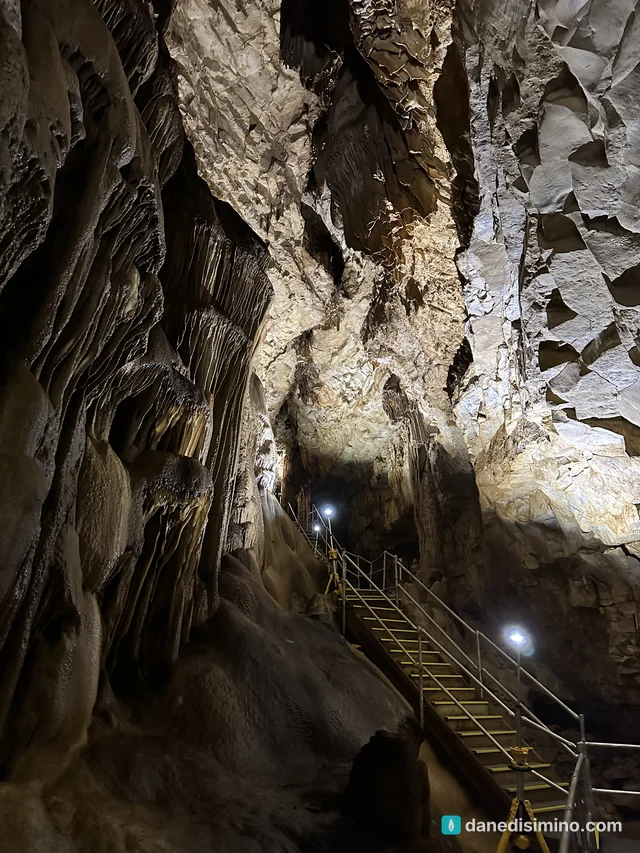
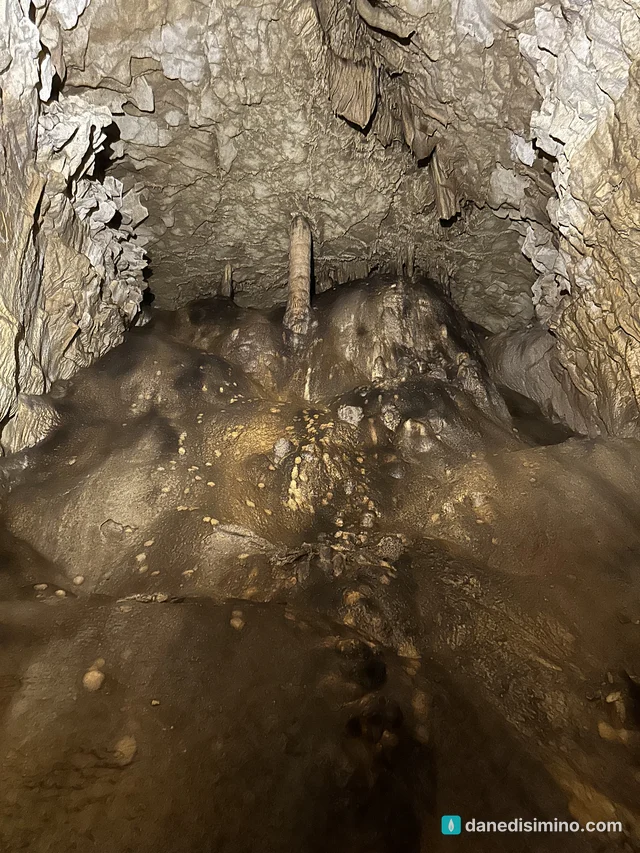
We went down steep stairs through narrow, twisting passages. I wore my headlamp, which helped in the low light.
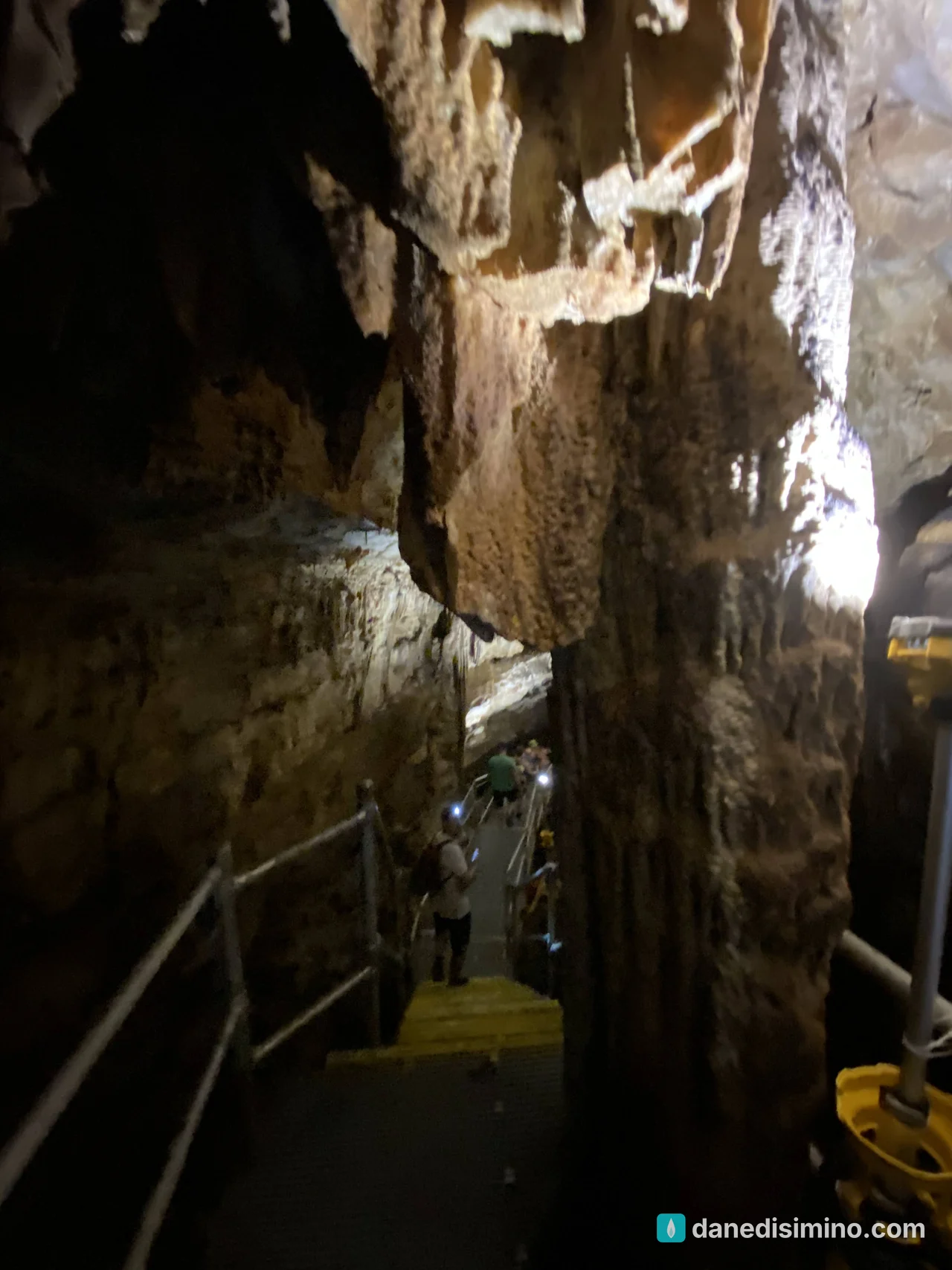
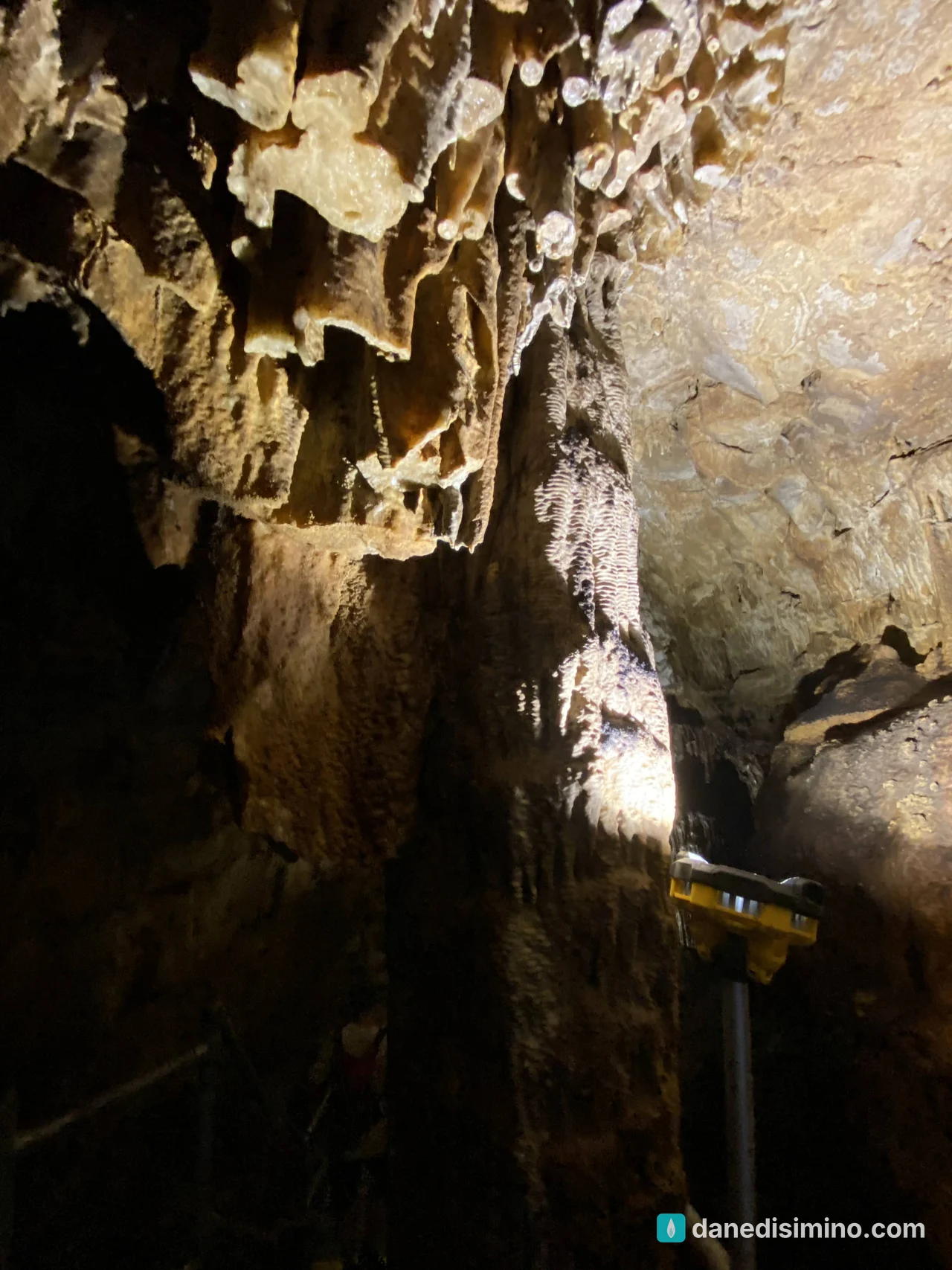
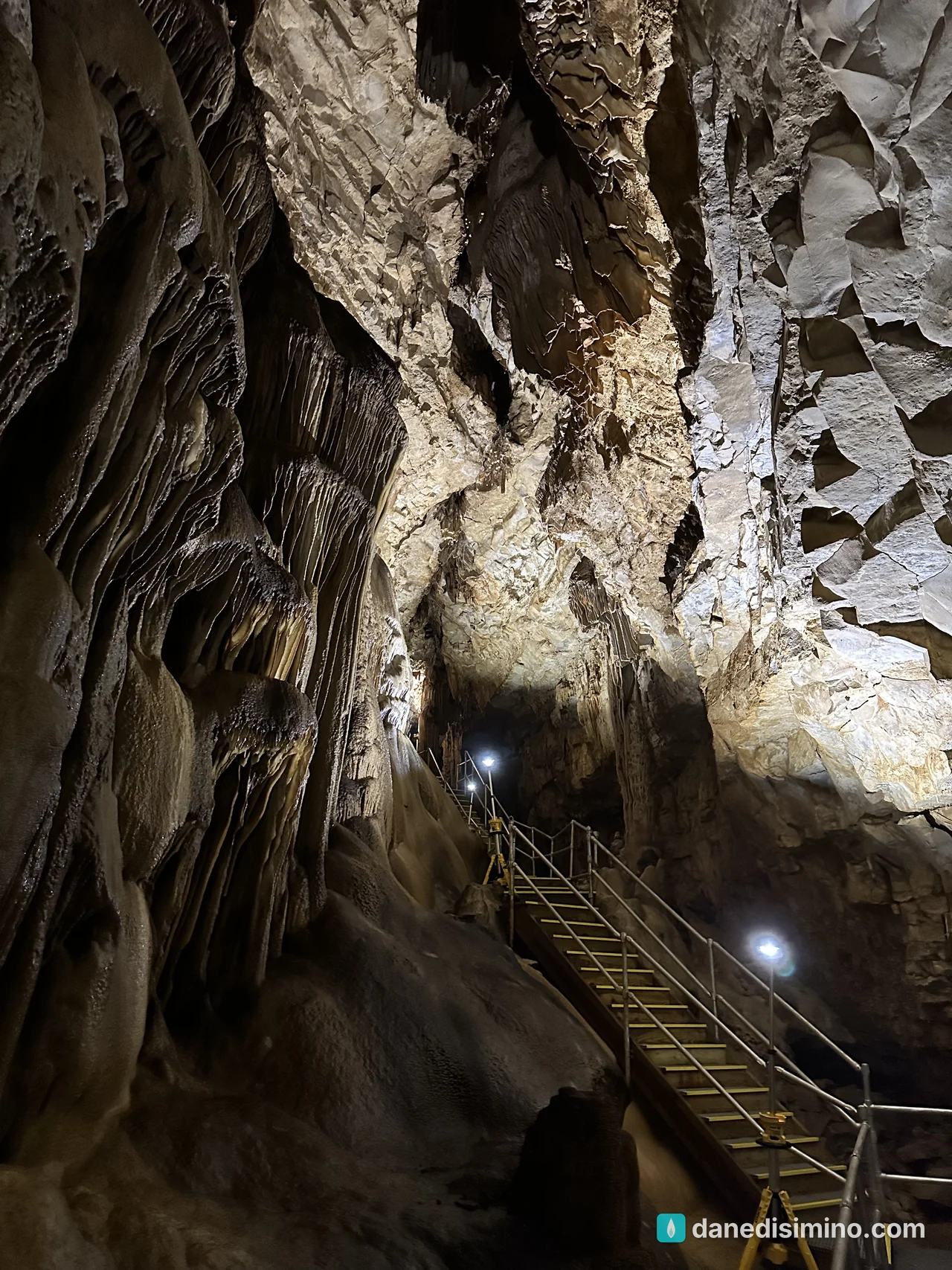
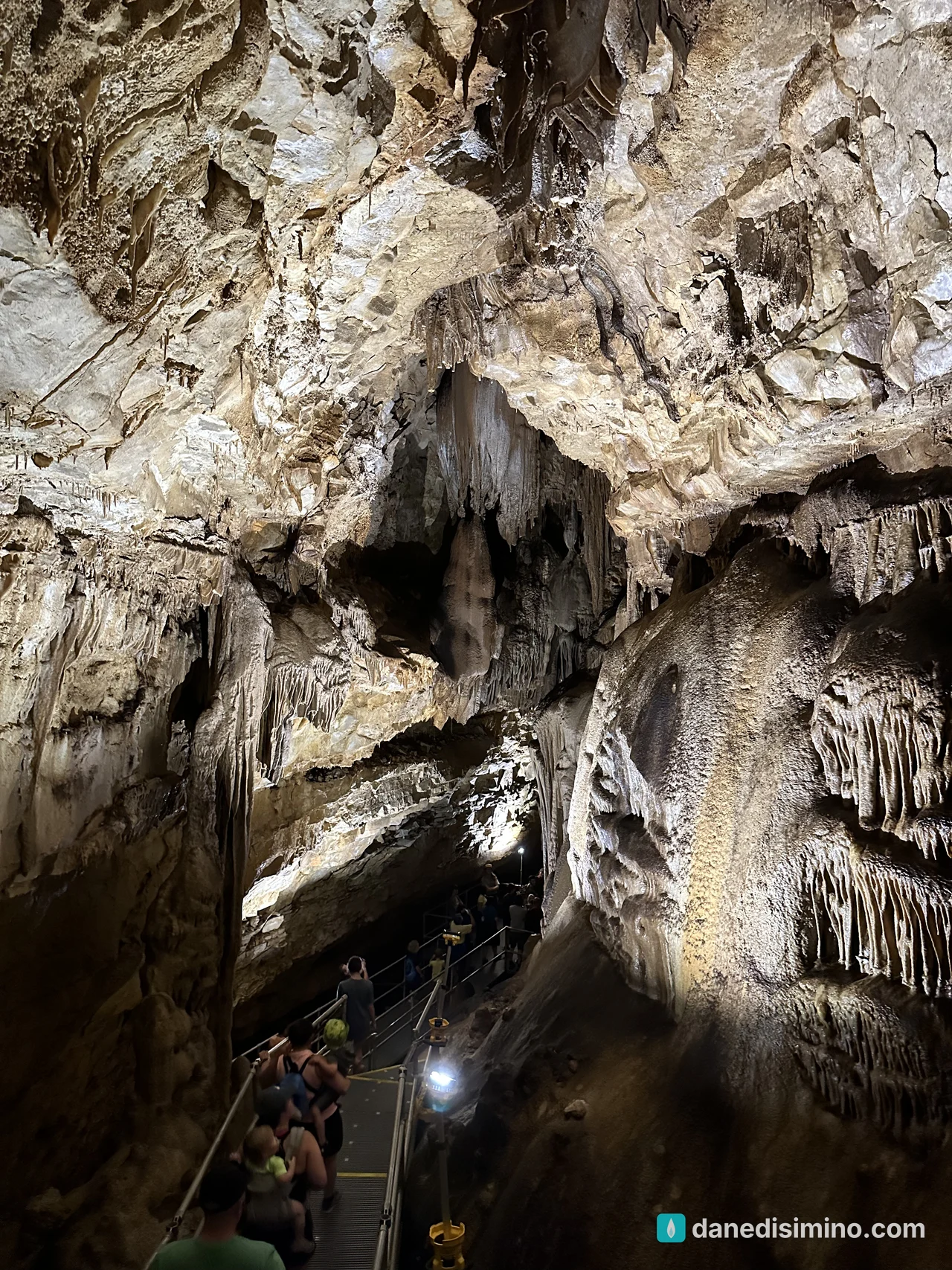
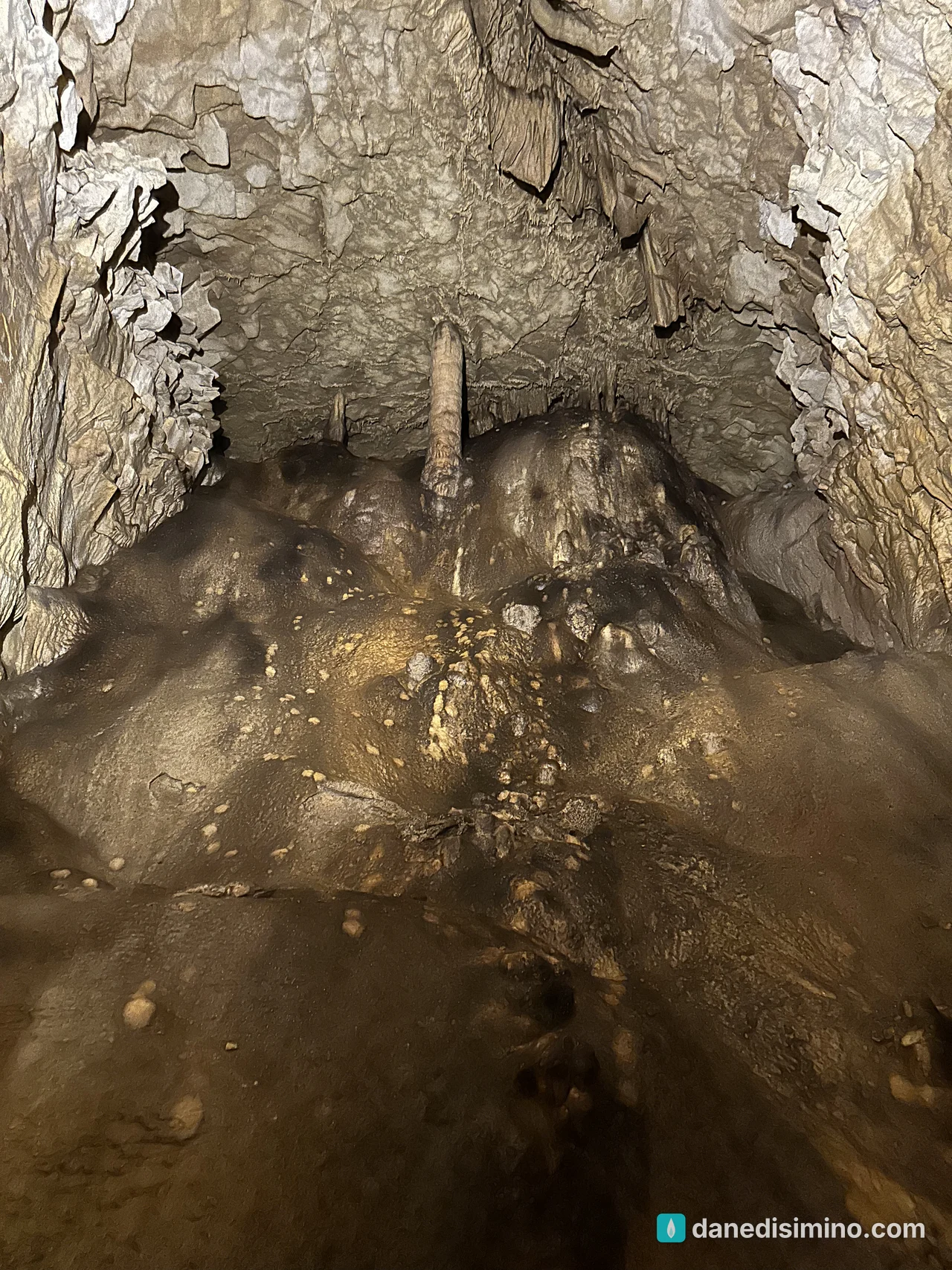
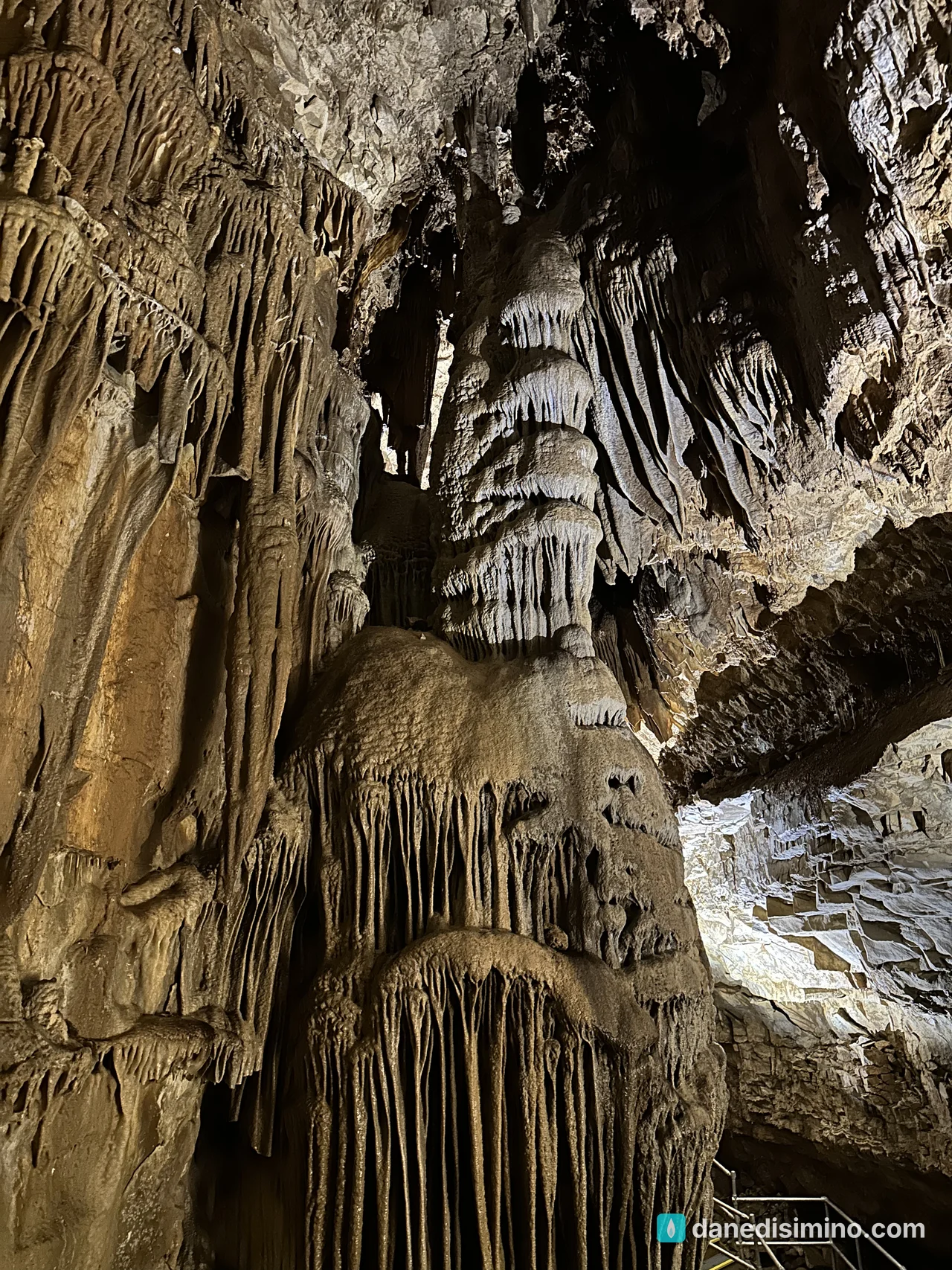
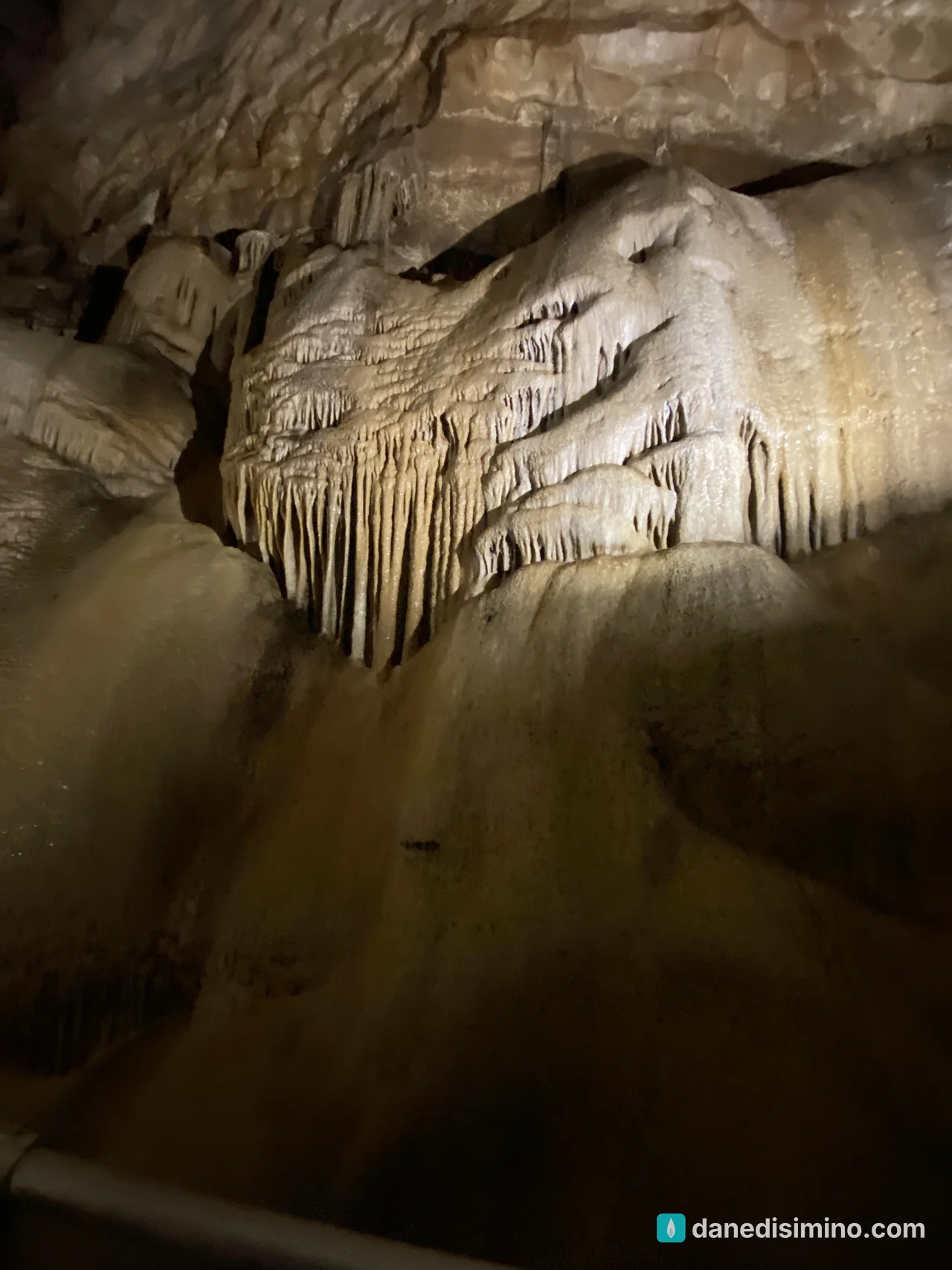
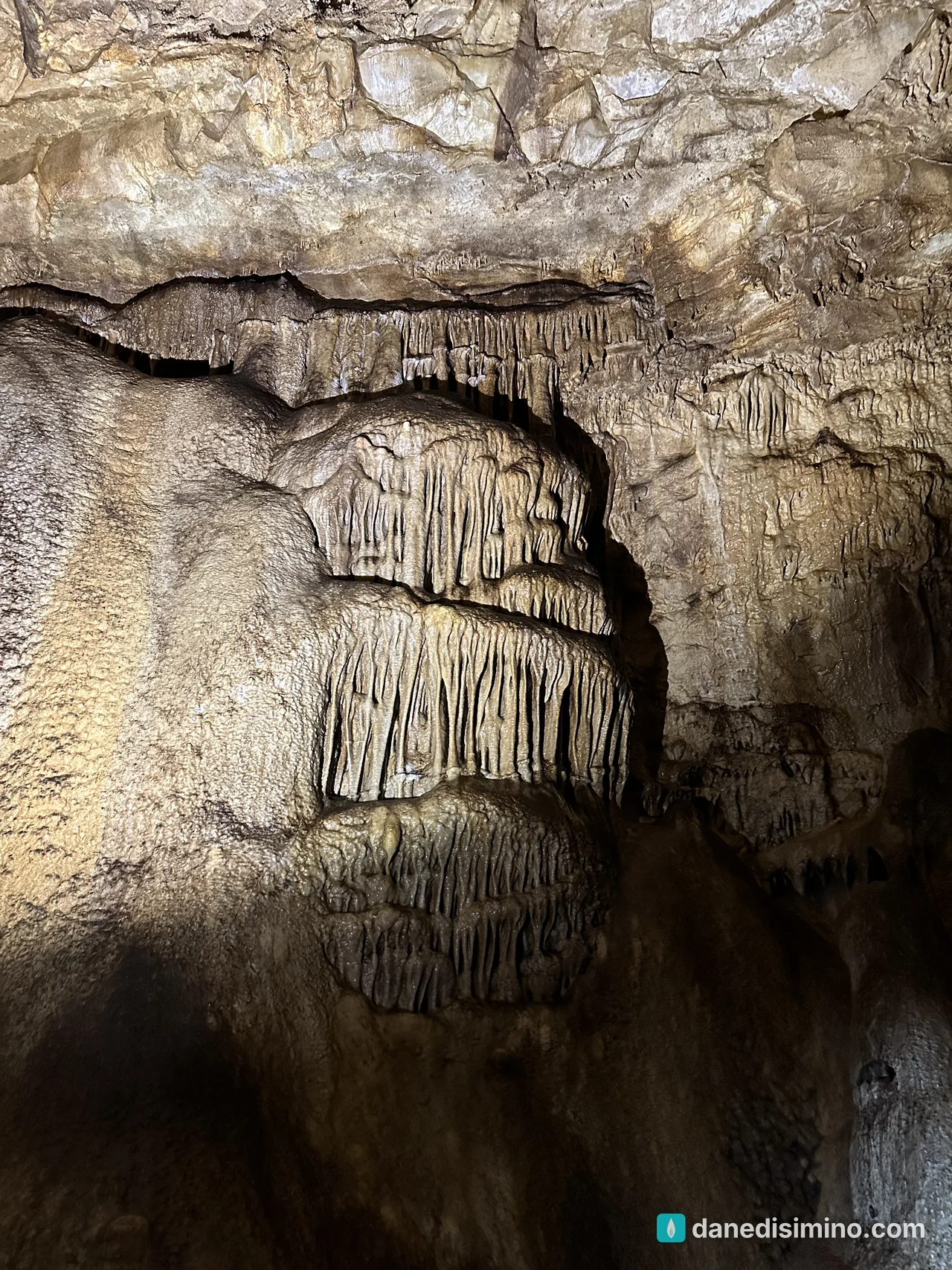
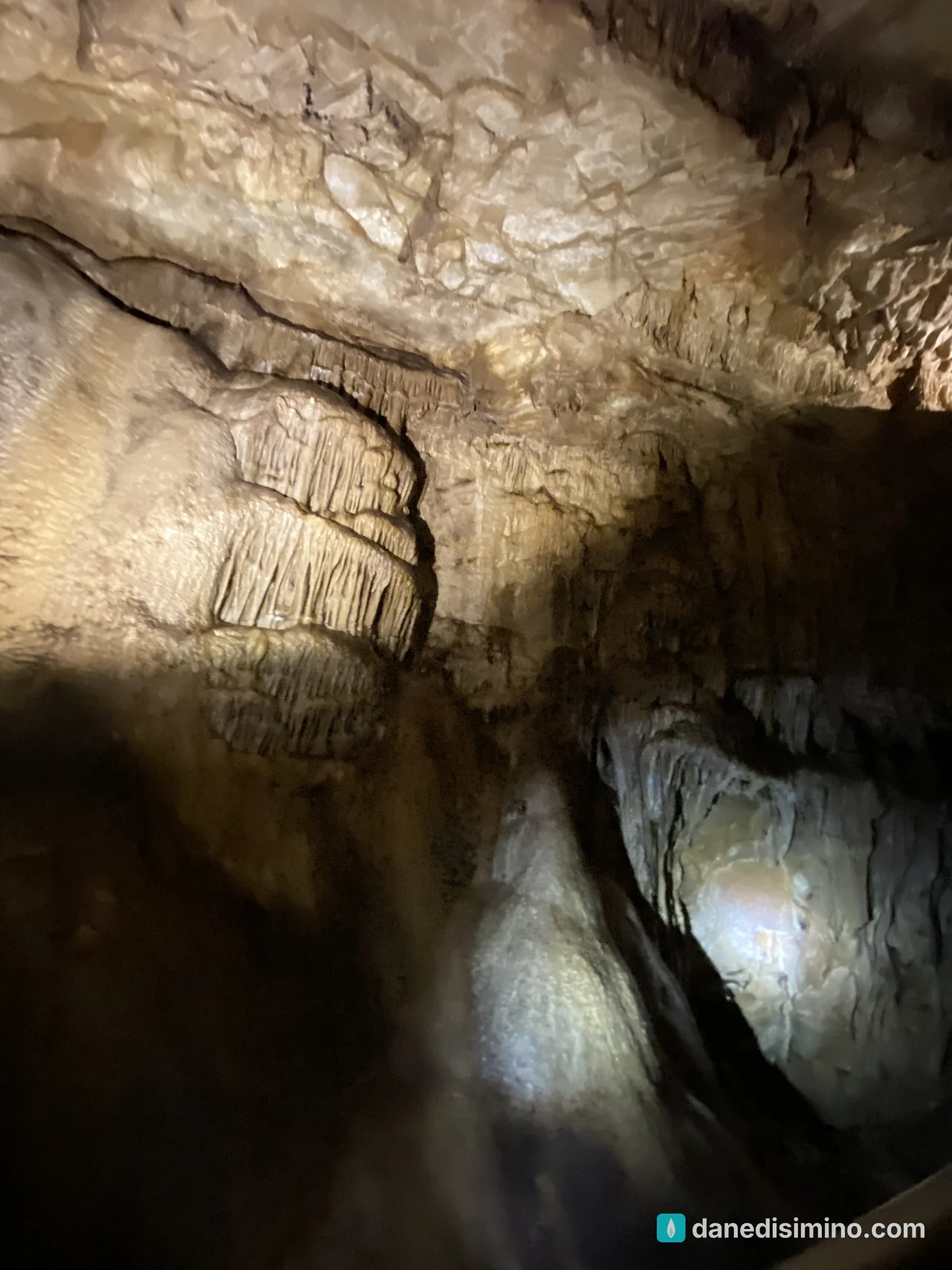
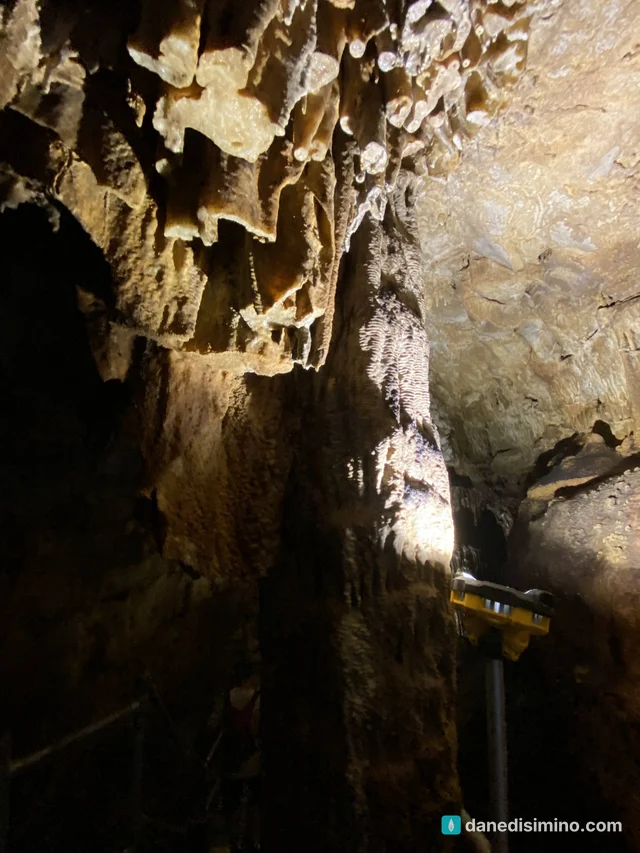
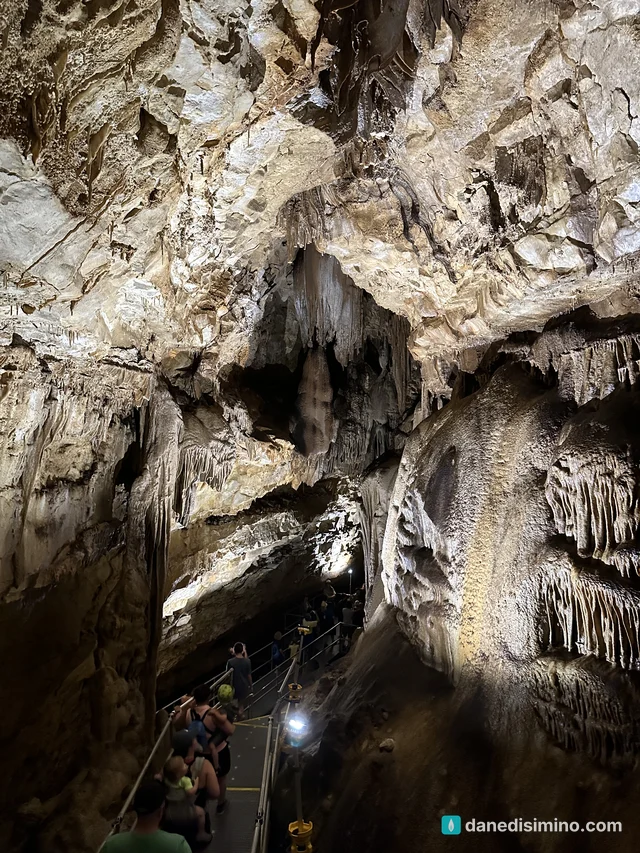
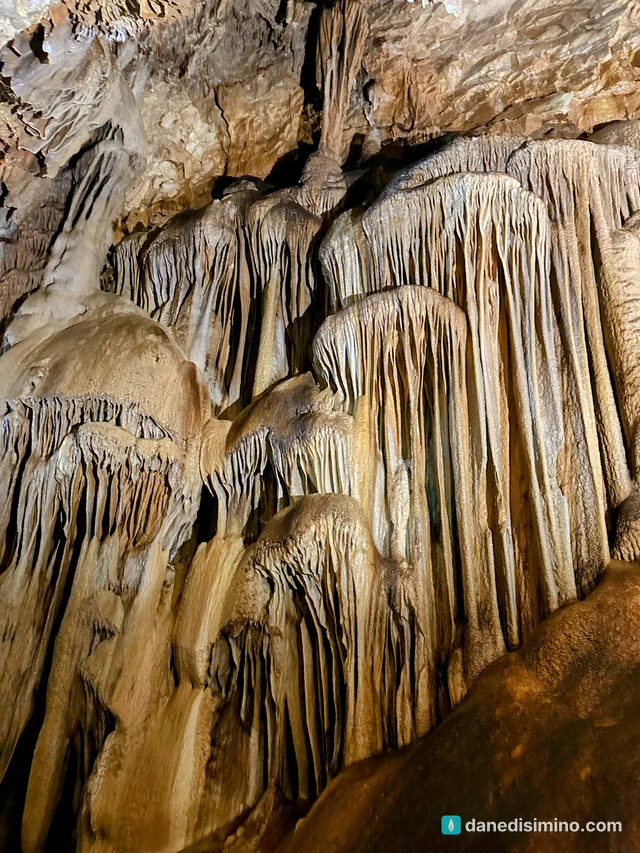
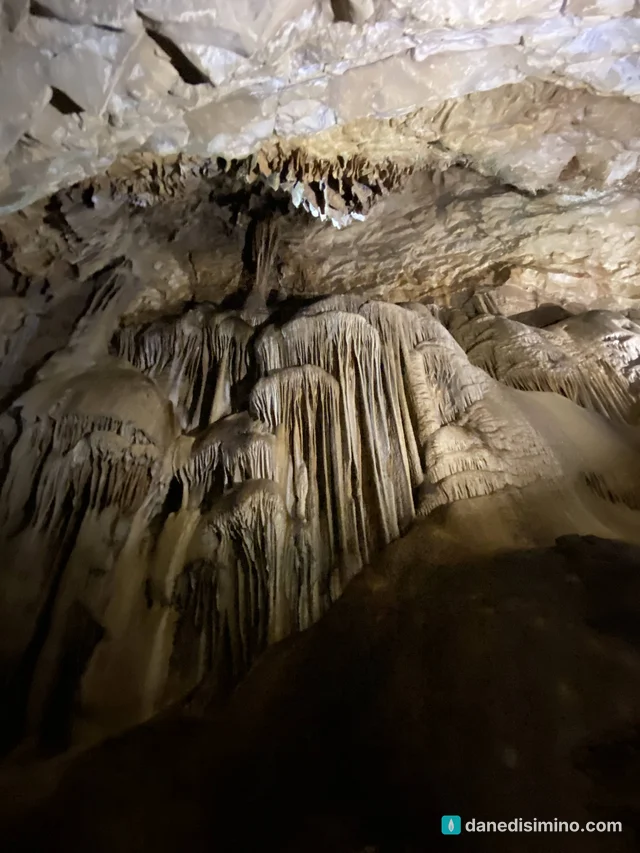
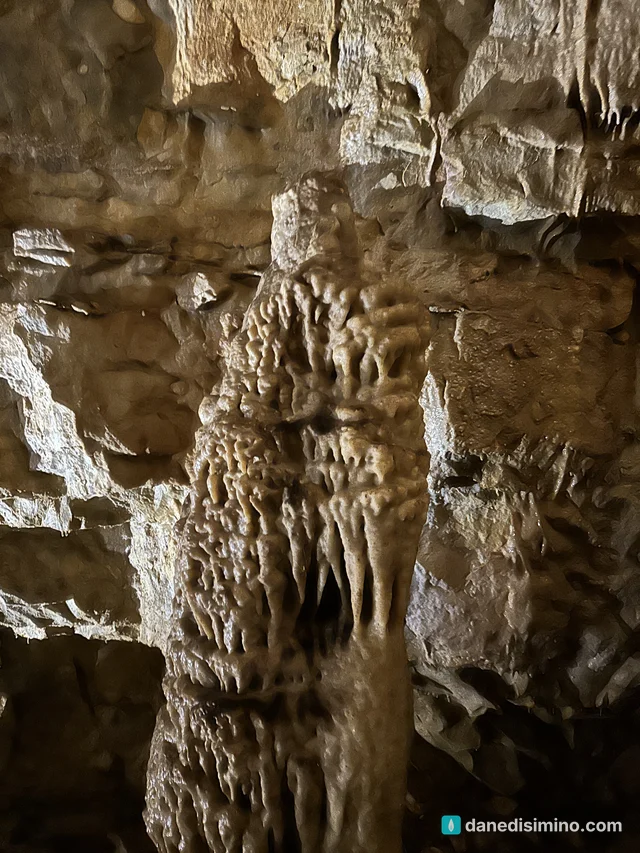
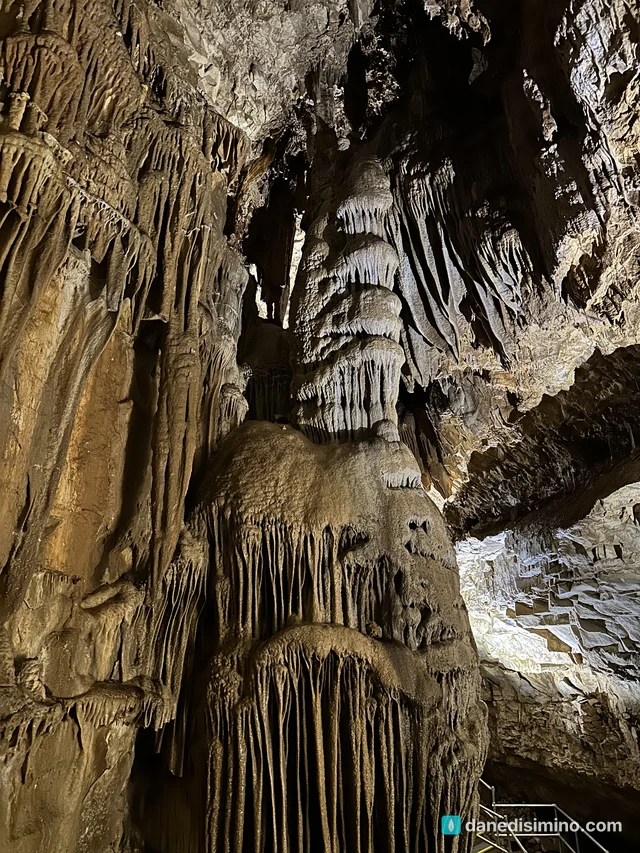
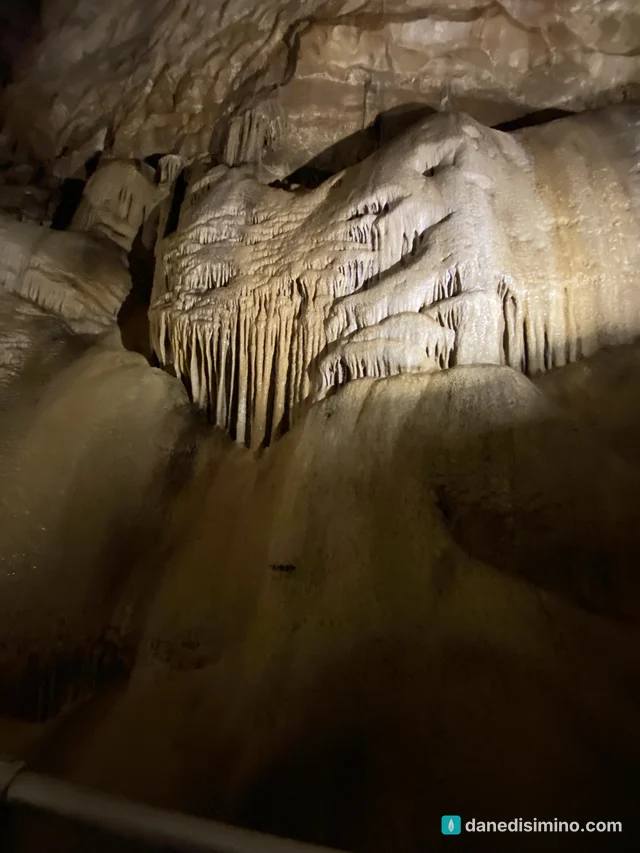
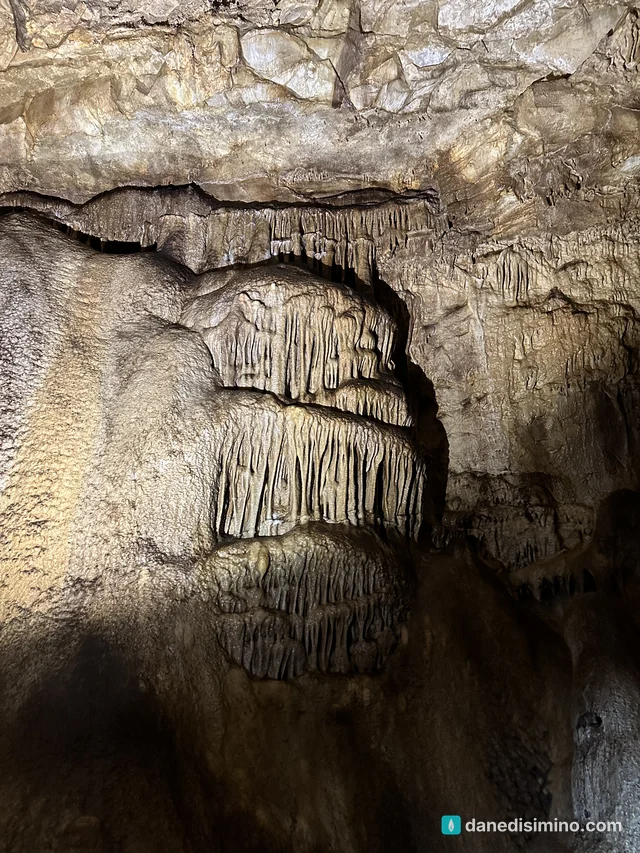
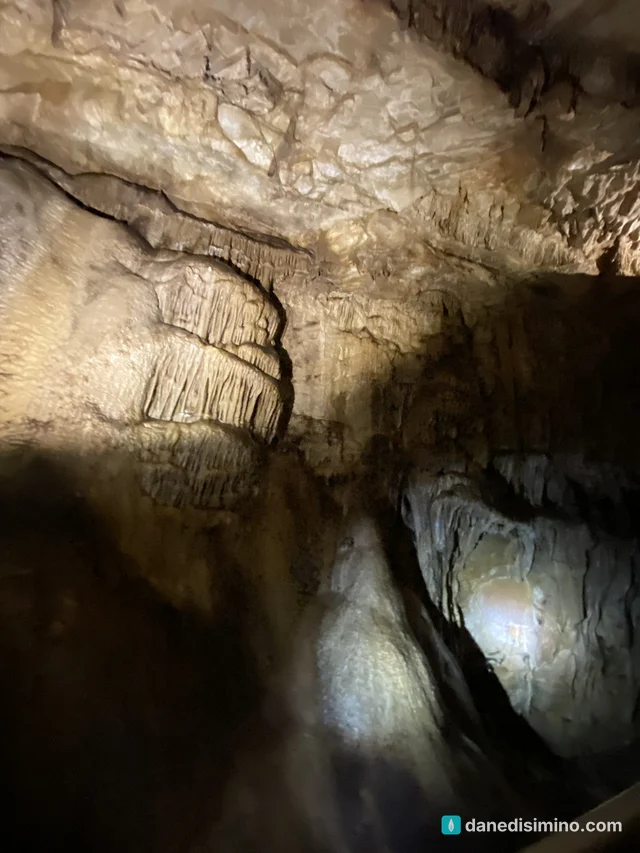
Then the cave opened up into dripstone. The part of Mammoth Cave around Frozen Niagara is famous for these formations, and they're its most photographed area.
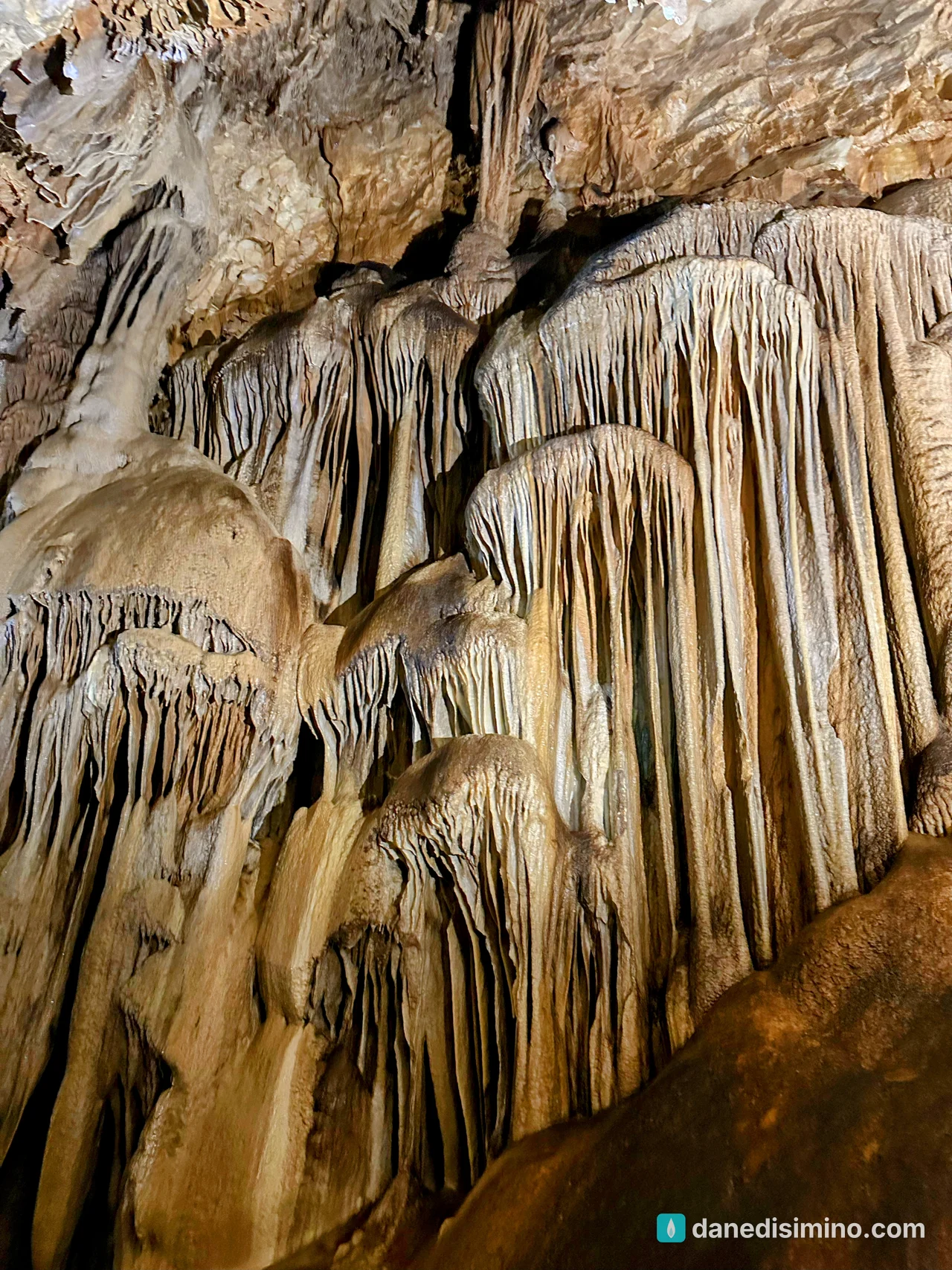
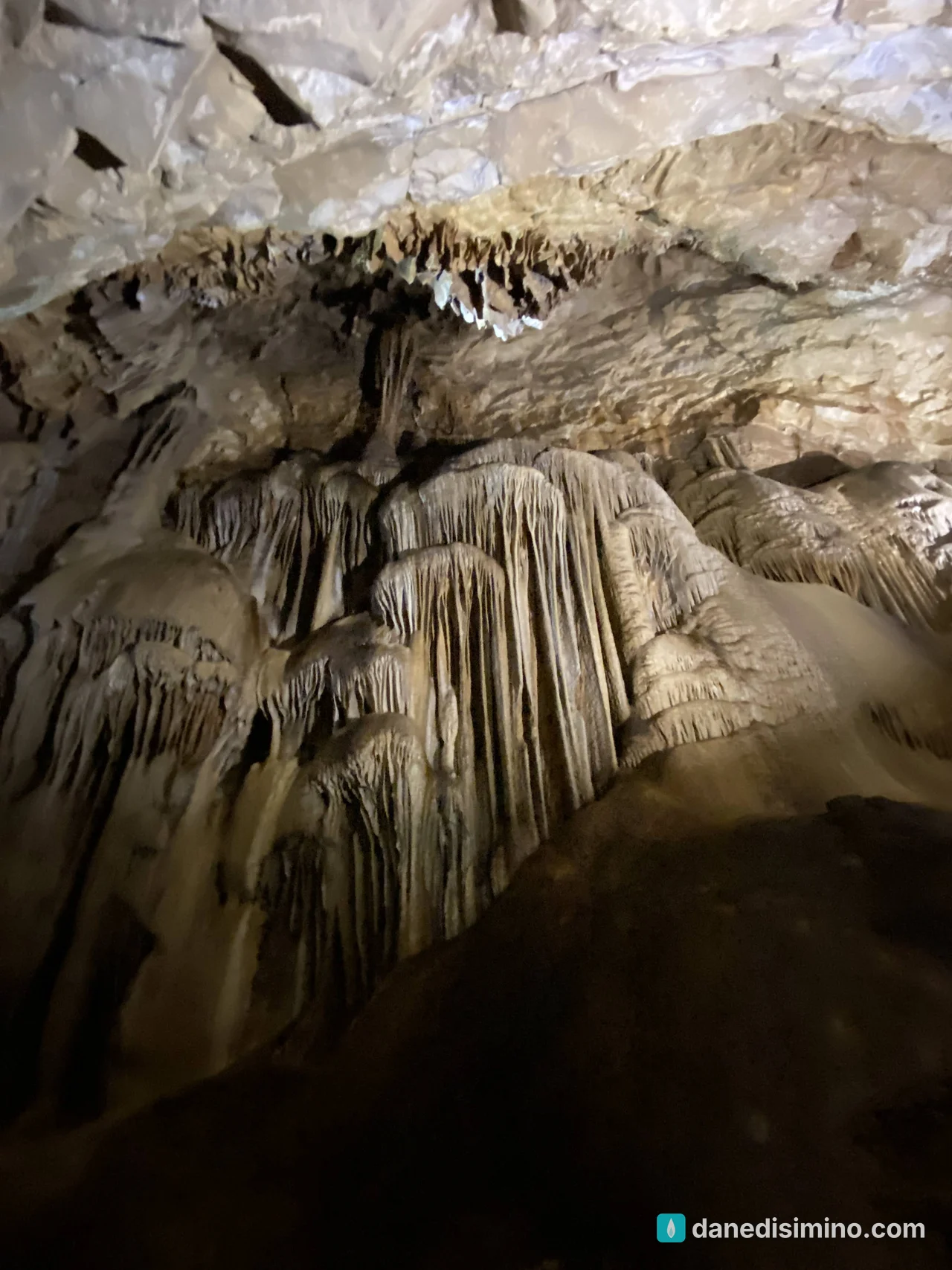
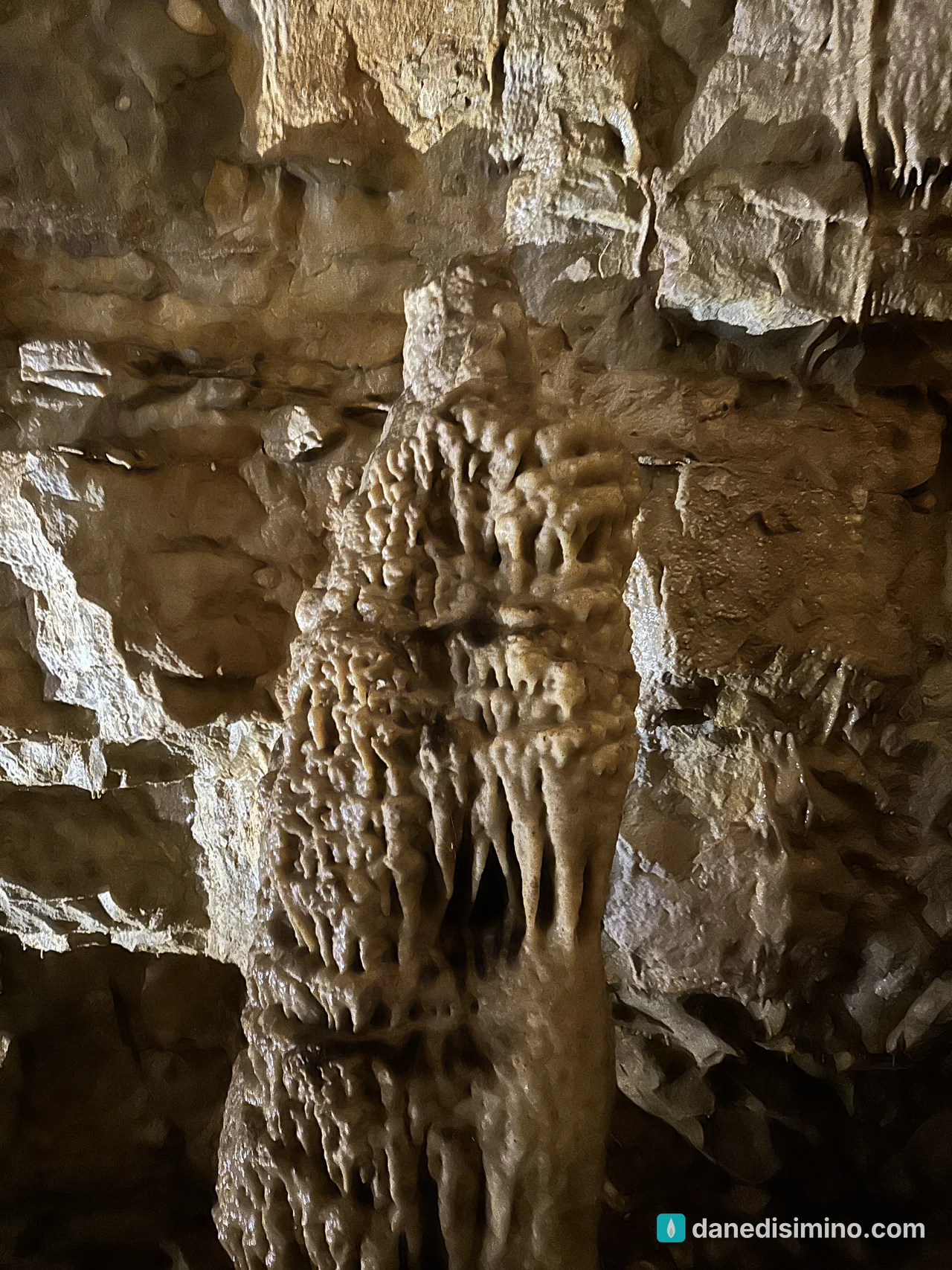
My honest take
It was a cool cave, and I'm glad we saw it. But we weren't at our best, and missing the classic tour stung. This park rewards planning more than most. If you book the right tour ahead of time, I think you'll enjoy it far more than we did.
It was also on the way to our final stop of the trip, the Gateway Arch in St. Louis.
Where we stayed
We drove on after our tour. If you want to stay, the park has a lodge near the cave entrance and three campgrounds. Book them on Recreation.gov or through the lodge.
What I'd do differently
Book first. I'd reserve a tour through the Historic Entrance as soon as I knew our dates.
Plan a lighter day. We arrived tired and hot. A rest day before the cave would have helped.
Explore the surface too. The park also has trails, the Green River and free ranger programs.
What Mammoth Cave taught me
I had the whole trip mapped out and still missed the tour I wanted. God still led us somewhere good.
"We can make our plans, but the LORD determines our steps." (Proverbs 16:9, NLT)
Plans fall through. His path doesn't.
Questions?
Ask me anything about Mammoth Cave: which tour to book, what to bring or how to fit it into a road trip. I answer every question.
Photos
Sources
- Mammoth Cave National Park (NPS)
- Frequently asked questions (NPS)
- Park statistics and important dates (NPS)
- Exploring the world's longest known cave (NPS)
- Cave tours (NPS)
- Other cave tours (NPS)
- Explore all tours (NPS)
- Mammoth Cave tours (Recreation.gov)
- Rocks of Mammoth Cave (NPS)
- How Mammoth Cave formed (NPS)
- Geology of Mammoth Cave National Park (USGS)
- Kentucky: Mammoth Cave National Park (NPS)
- African American history (NPS)
- Mammoth Cave National Park place page (NPS)
- Top ten tips (NPS)
Pathlight
Park guides from the road. A printable trip sheet comes with them when one is ready.