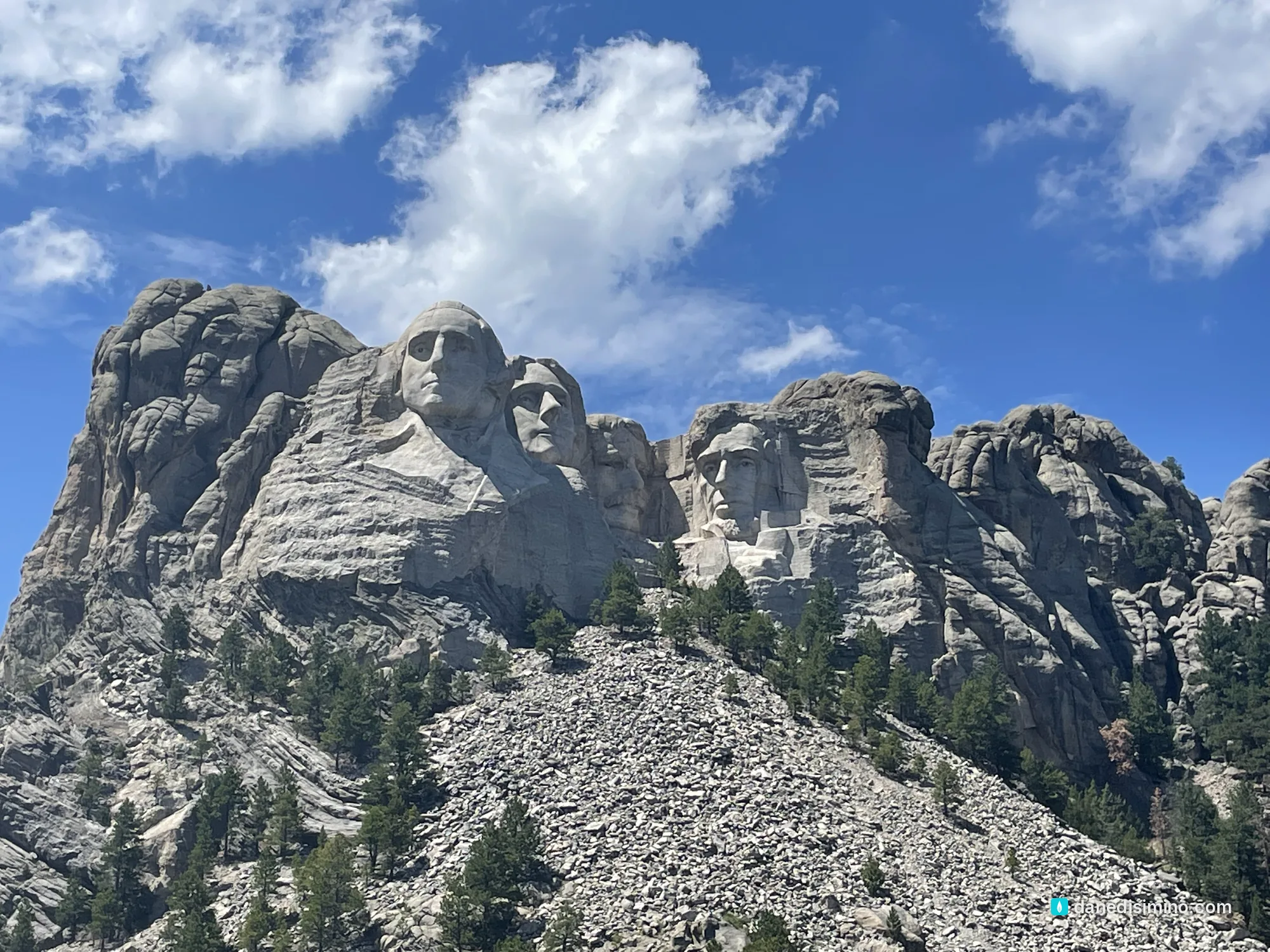

NATIONAL MONUMENTS · A NATIONAL MEMORIAL
Mount Rushmore
A Field Guide
On this page
A must-see stop on any Dakotas trip, and a quick one. Our hot, crowded July afternoon at Mount Rushmore: the Grand View Terrace, the museum, and why one to two hours is enough. How four faces were carved out of 1.6-billion-year-old granite, and how to plan your stop.
Version 1.0 · Updated Nov 20, 2026
Map
Mount Rushmore is one of those places you have to see once. It's about an hour from Wind Cave, so it was an easy stop on our Dakotas trip. We drove up the afternoon of July 3, 2022, right after our Wind Cave tour.
It was a very hot July day, the day before the Fourth, and the crowds were heavy. We were in and out in under an hour. There was nothing especially memorable about the experience for us, but it was great to see, and the museum is worth your time.
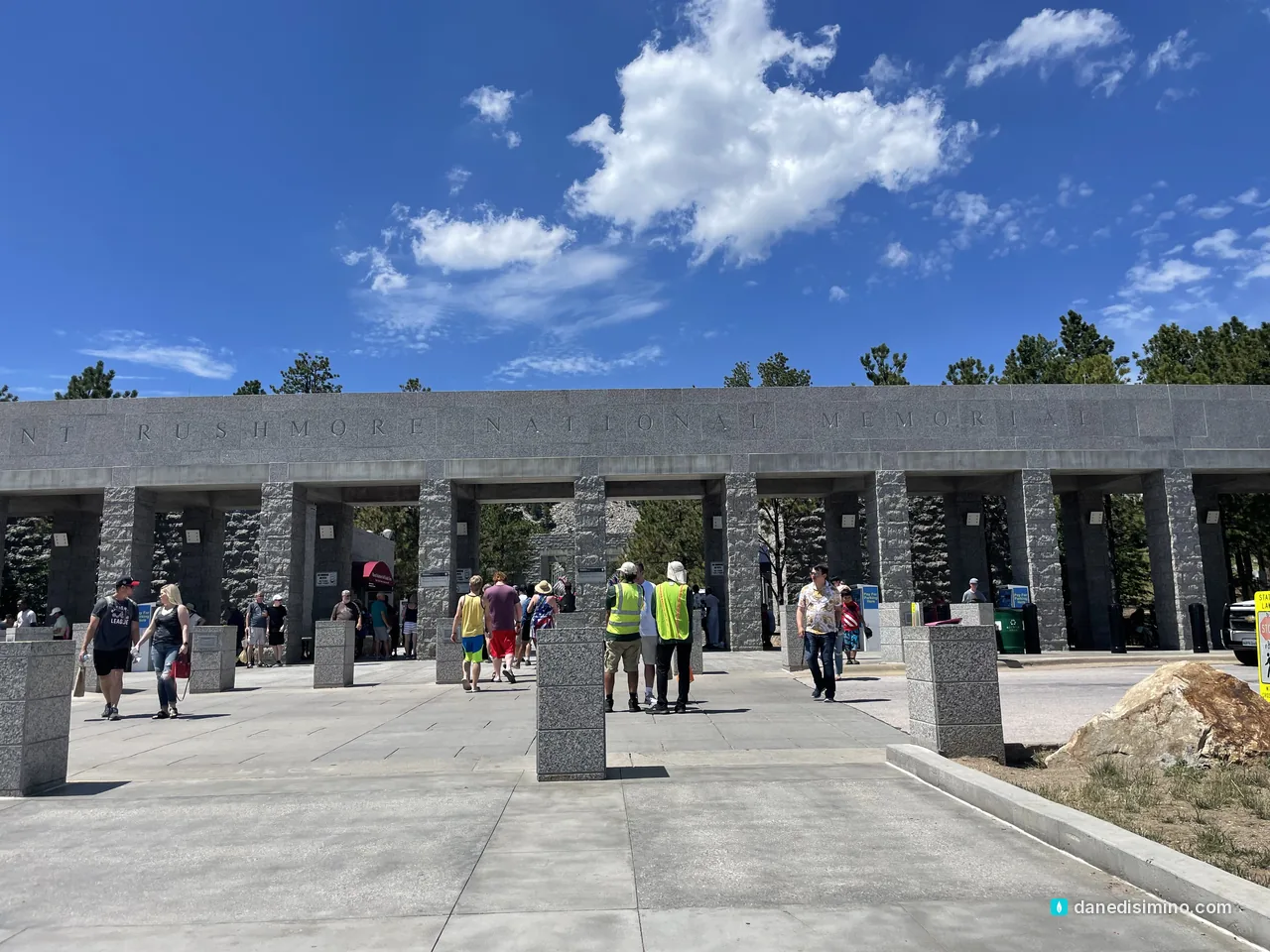
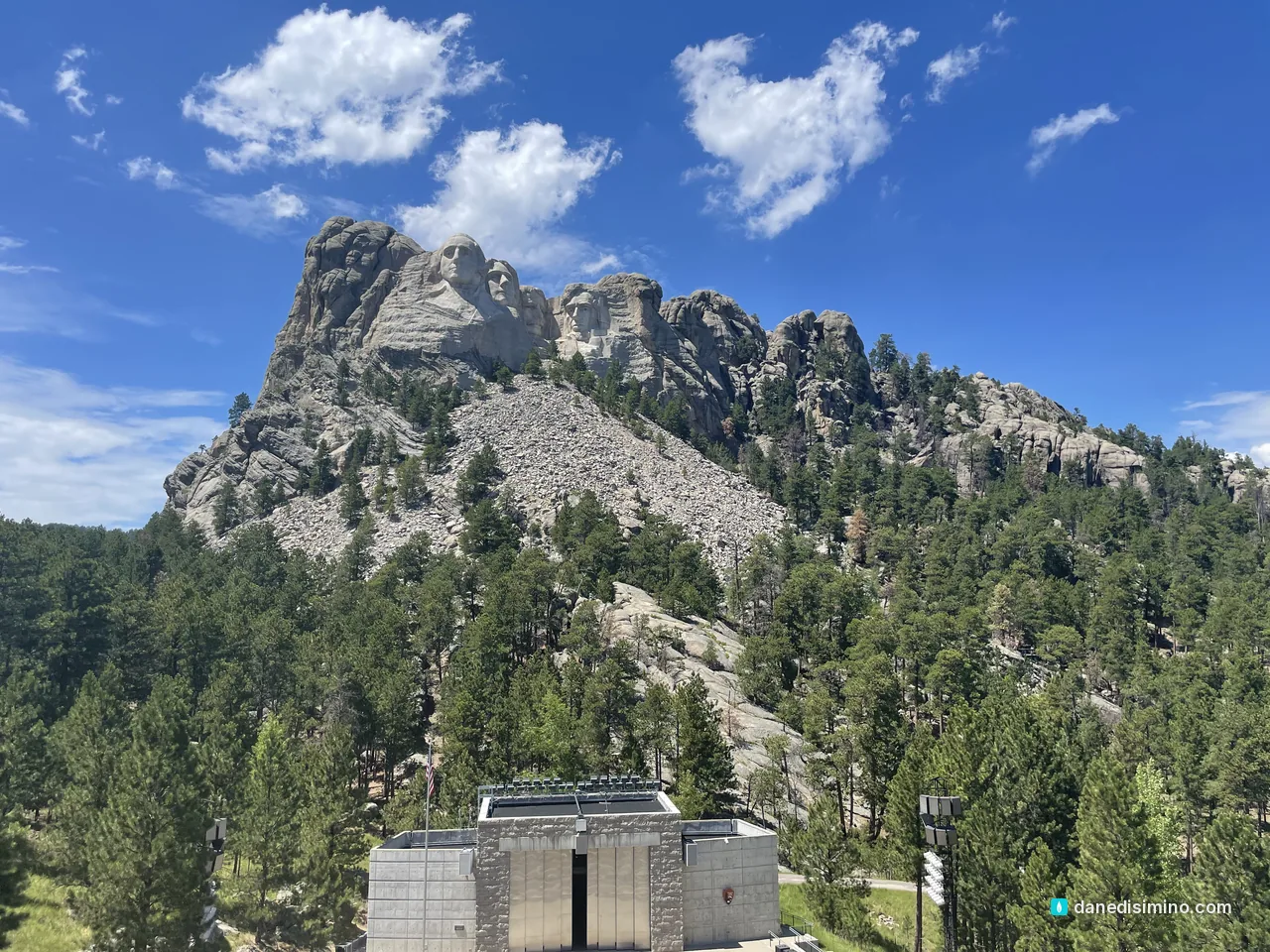
Worth stopping for. Not worth planning a day around.
The short version
Plan one to two hours. That's enough to see the faces, walk part of the trail and go through the museum. Especially in July.
There's no entrance fee, but parking costs. Parking is run by a concessioner, and federal park passes don't cover it. Your receipt is good for a year.
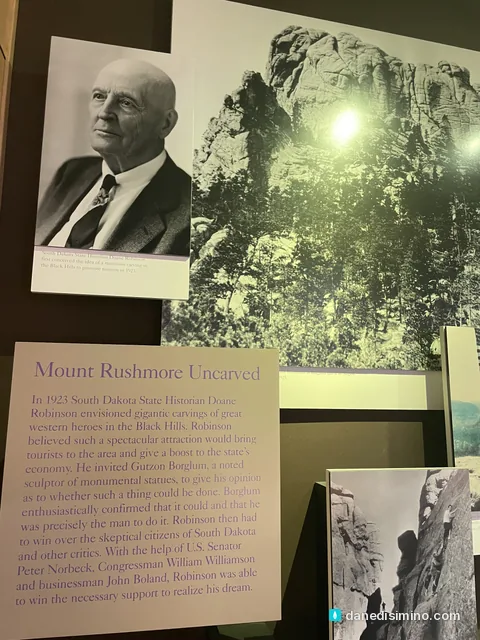
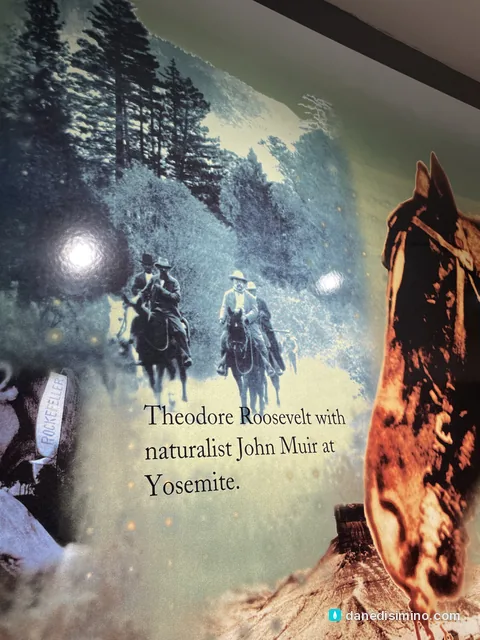
Don't skip the museum. The Lincoln Borglum Museum, under the Grand View Terrace, explains why these four presidents and how the carving was done.
Go early or late in summer. Midday in July brings heat and crowds.
It's a memorial, not a national park. Mount Rushmore is a national memorial run by the National Park Service.

The memorial at a glance
- 60 ft
- Each face
- 450,000
- Tons of rock removed
- 14 yrs
- Of work, 1927–1941
- 1.6B yrs
- Age of the granite
Where: the Black Hills of South Dakota, just above the town of Keystone on Highway 244.
Fees: no entrance fee. Parking is $10 per car, run by a concessioner, and the receipt is good for a year.
Open: the grounds are open year-round. Check nps.gov/moru for building hours, the evening lighting schedule and Alerts & Conditions before you go.
Walk: the Presidential Trail is a 0.6-mile loop. The first 0.2 miles to the base of the mountain are accessible. The rest has 422 stairs.
How the mountain formed
About 1.6 billion years ago, a huge mass of molten rock rose up from deep in the earth's crust and cooled underground into granite. Erosion later stripped away the softer rock around it and left the hard granite peaks of the Black Hills standing.
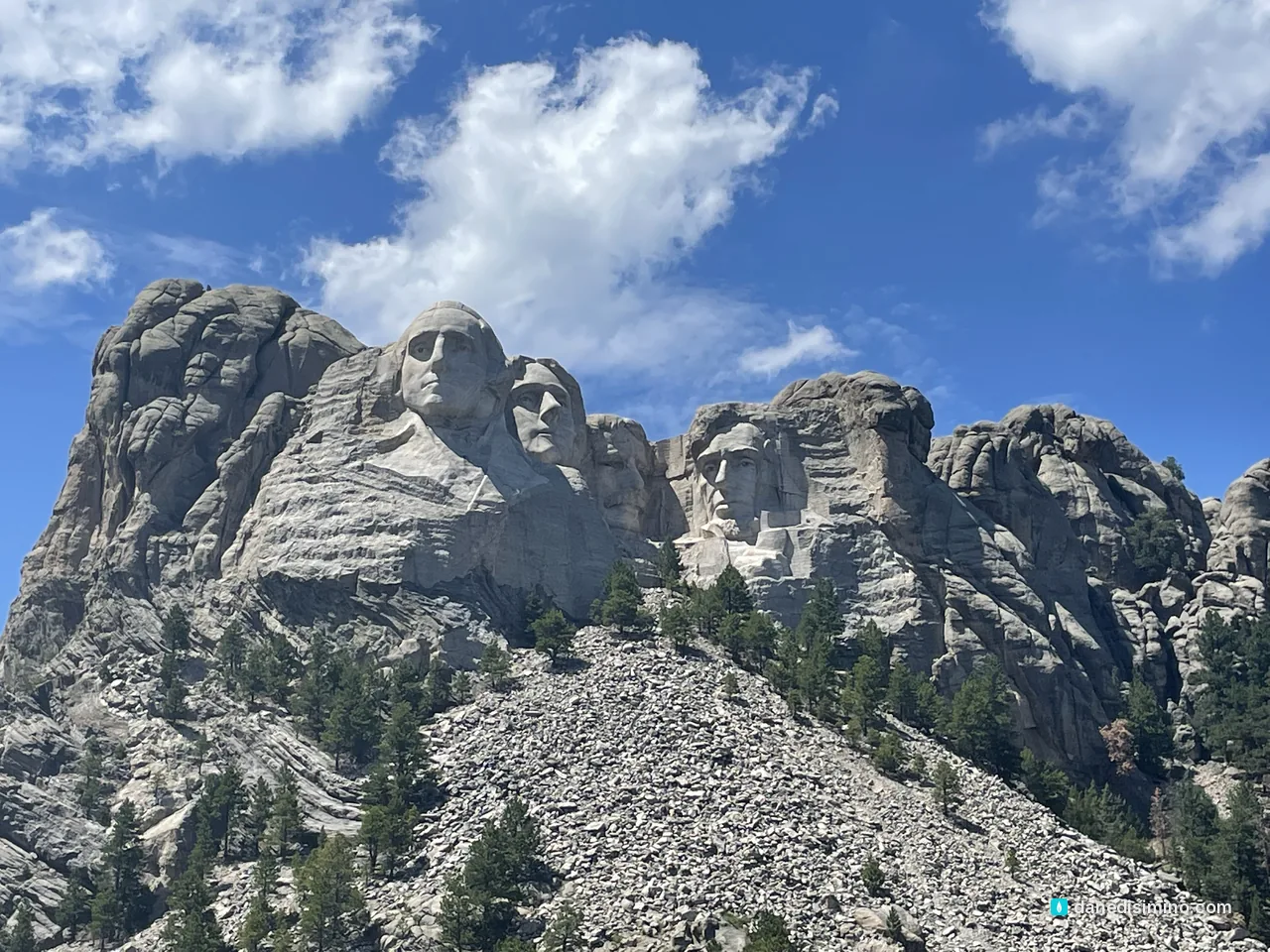
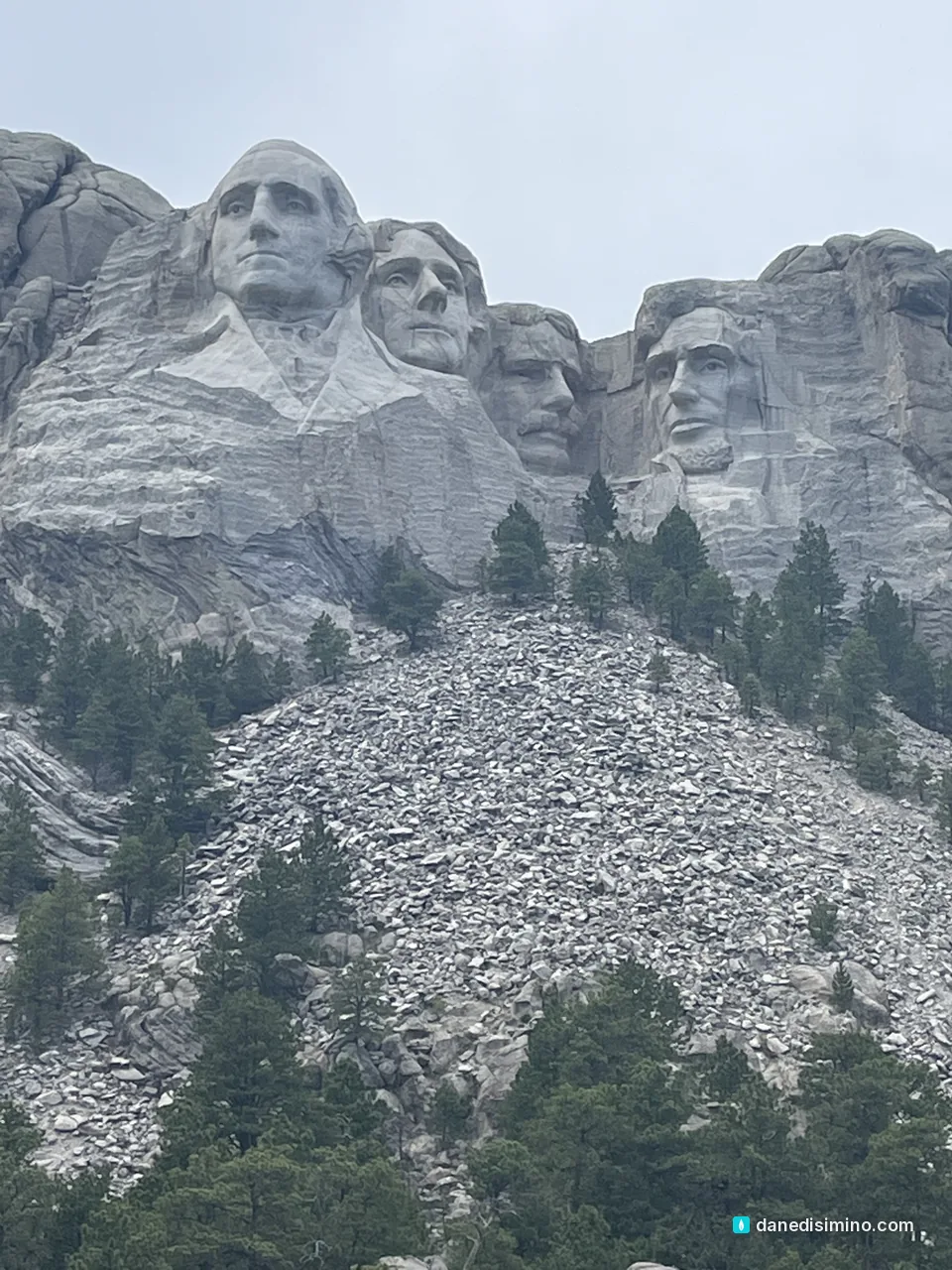
That granite is why the faces are here. It wears away only about one inch every 10,000 years. The sculptor also chose this peak partly because it faces southeast and gets the most sun.
How the memorial was made
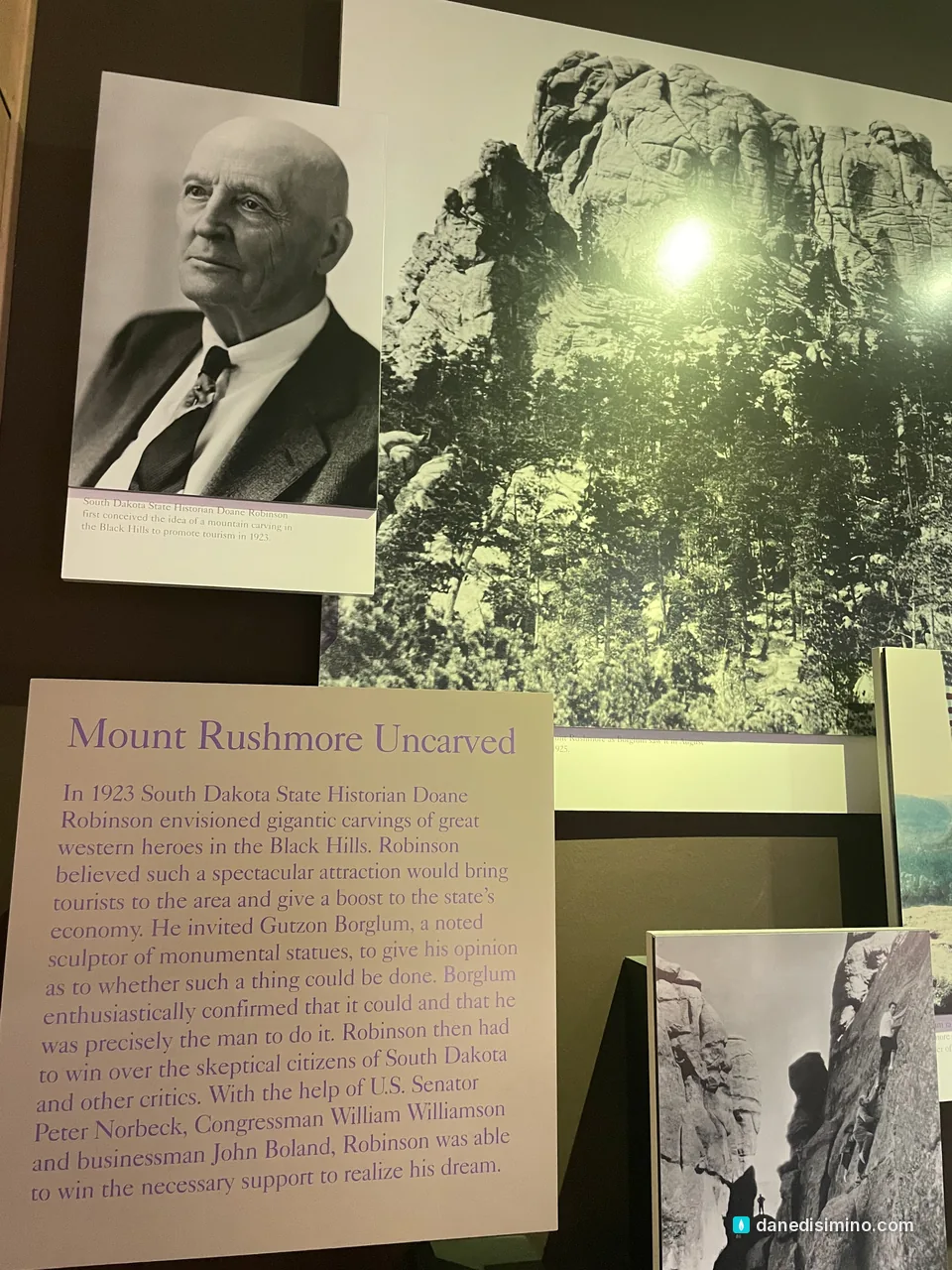
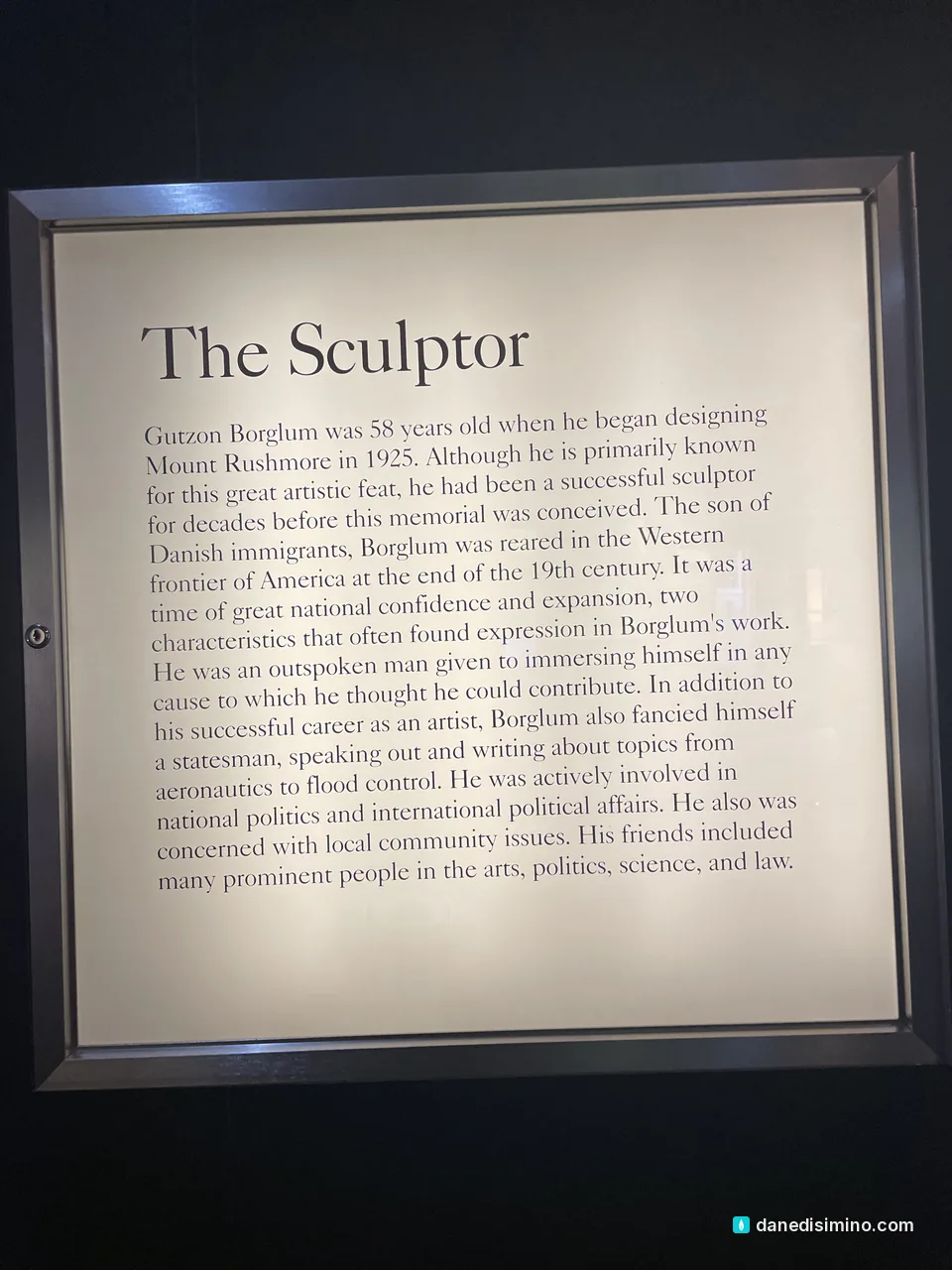
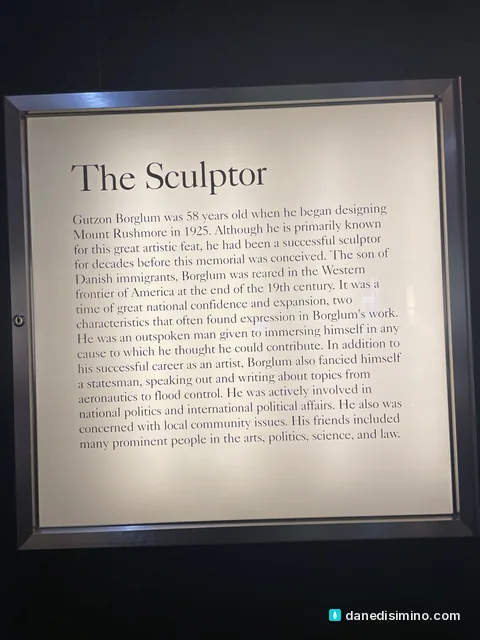
In 1923, South Dakota's state historian, Doane Robinson, wanted giant carvings in the Black Hills to bring tourists to the state. He invited the sculptor Gutzon Borglum. Robinson first imagined western heroes. Borglum picked four presidents instead.
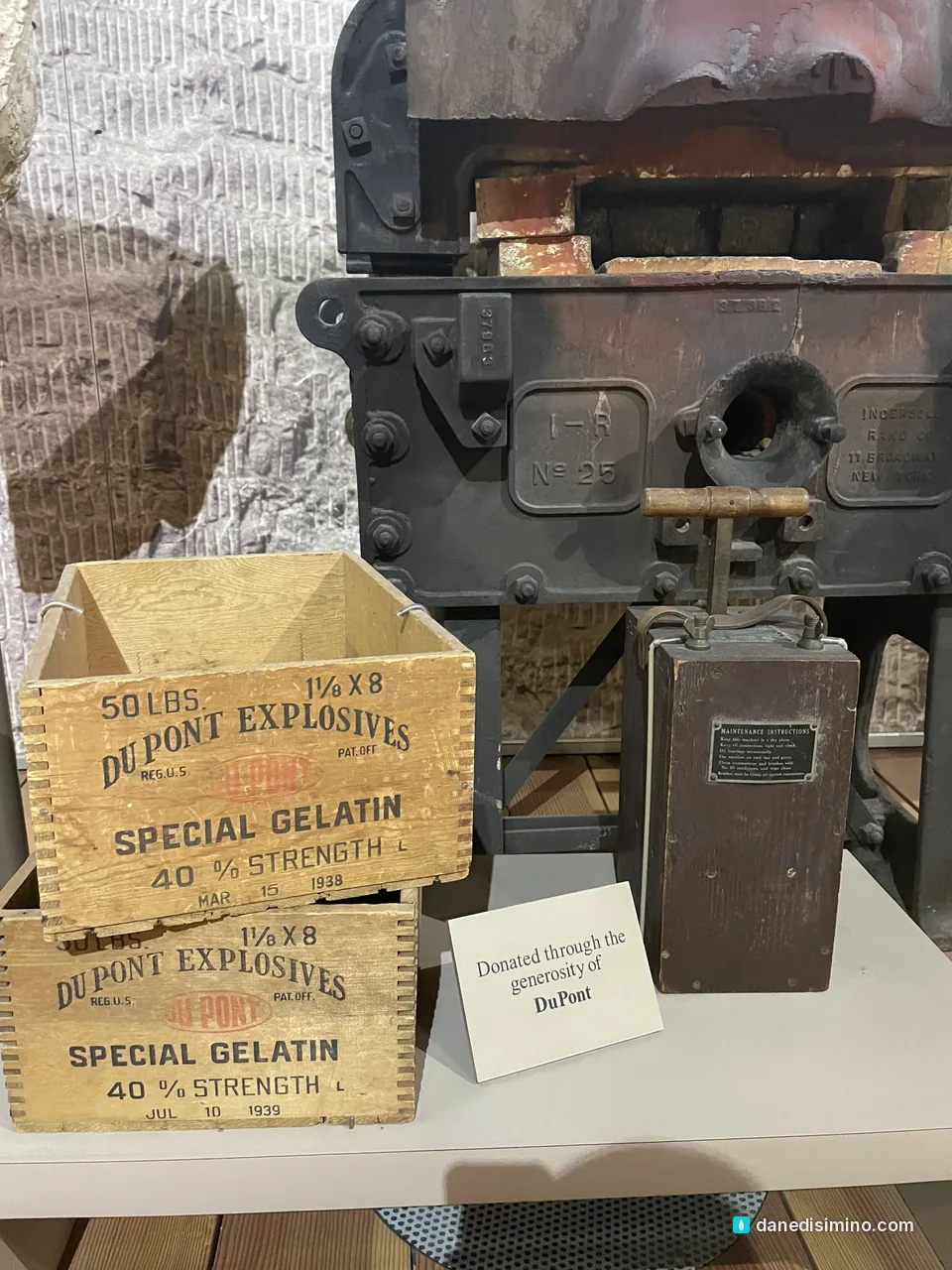
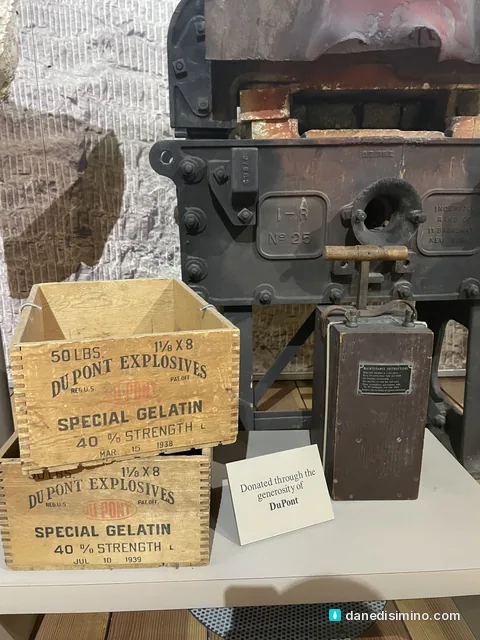
Mount Rushmore was dedicated as a national memorial on October 1, 1925, and drilling began on October 4, 1927. Almost 400 men and women worked on it over the next 14 years. About 90% of the rock came off with dynamite, and workers finished the faces with drills, hammers and chisels. Remarkably, no one died.
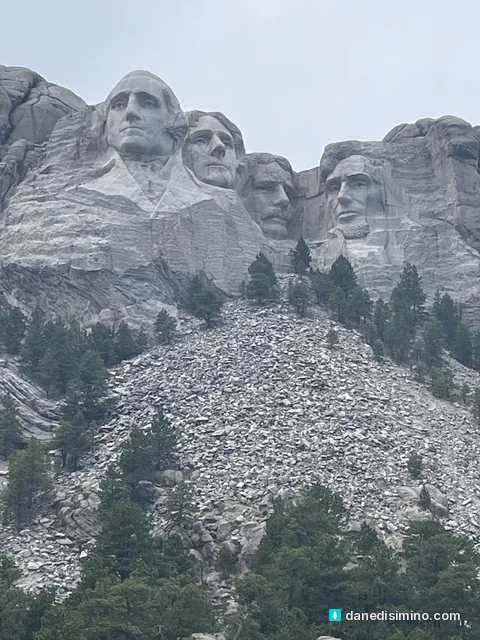
Borglum died in March 1941, months before the end. His son, Lincoln Borglum, finished the work, and the last day of carving was October 31, 1941. Much of the rock they removed still lies in the rubble pile below the faces.
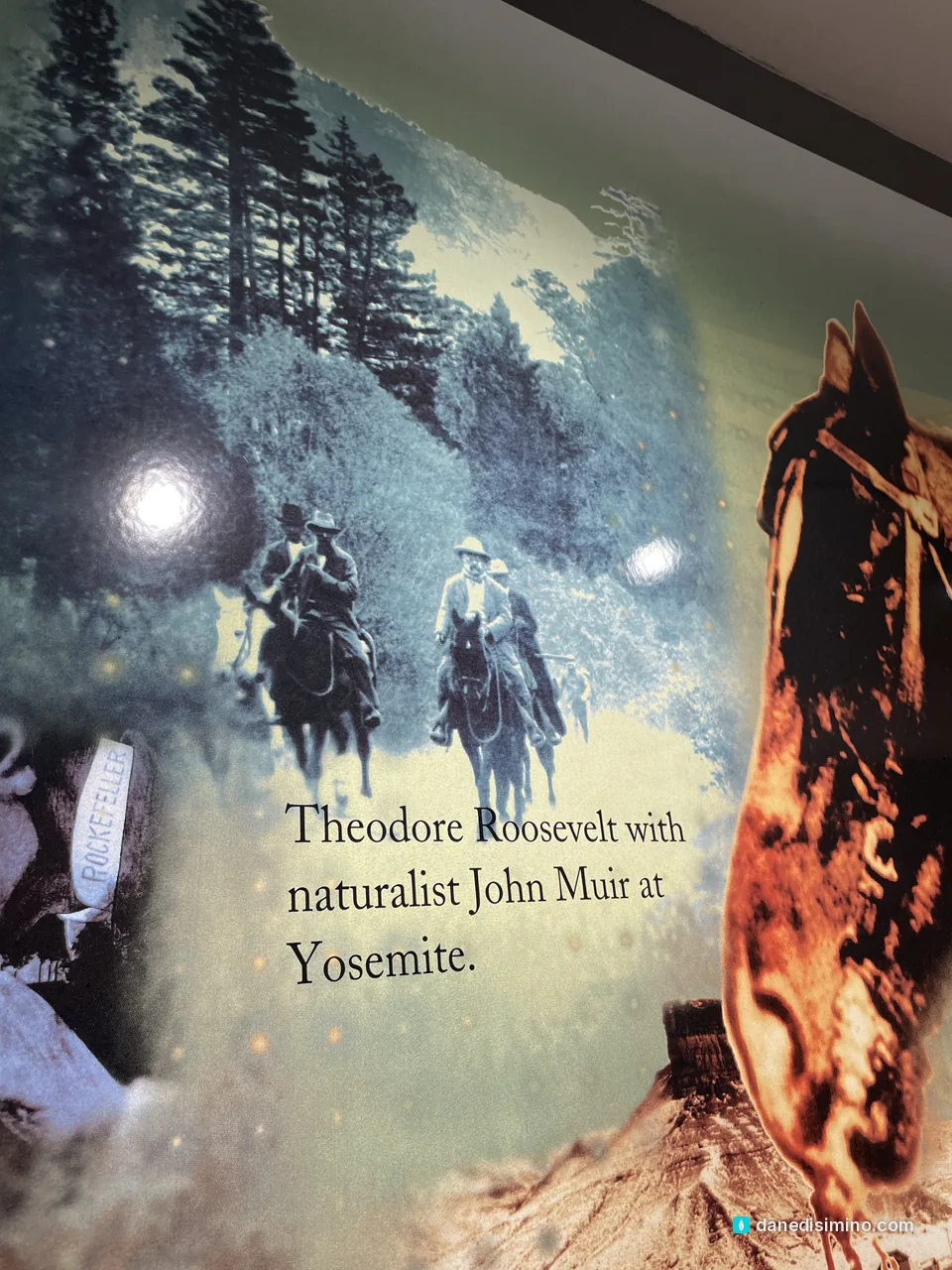
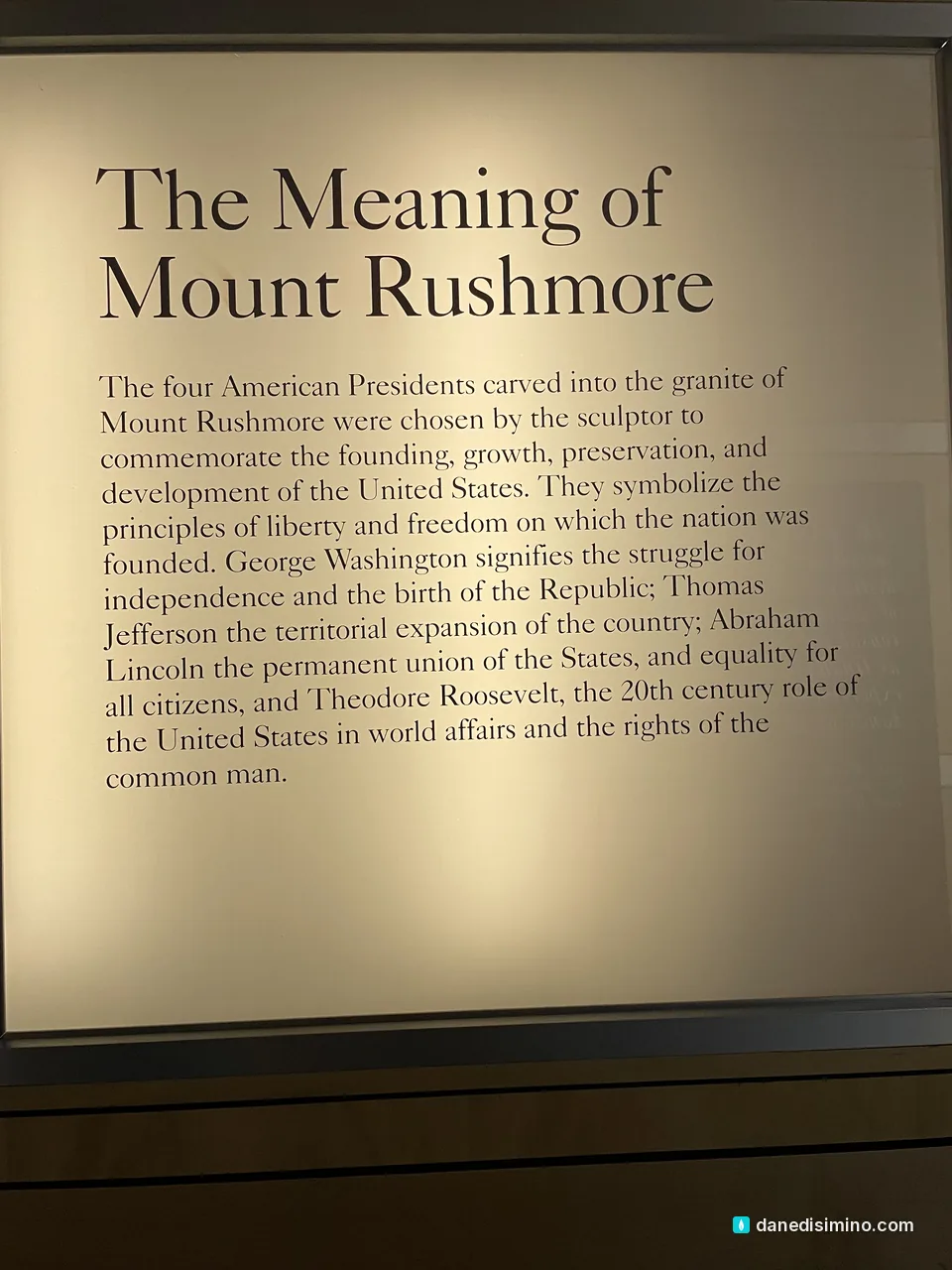
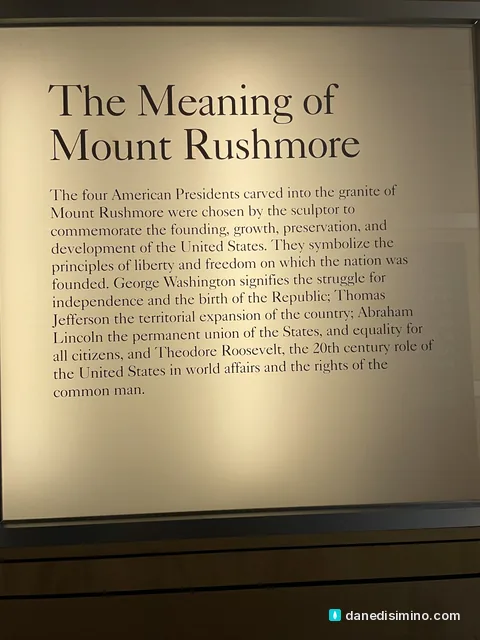
The museum also explains the meaning. Borglum chose the four presidents to stand for the founding, growth, development and preservation of the country.
Long before the carving, the Lakota knew this mountain as the Six Grandfathers. The Black Hills are sacred to the Lakota, and for many Native people that history is part of what this place means.
Our afternoon
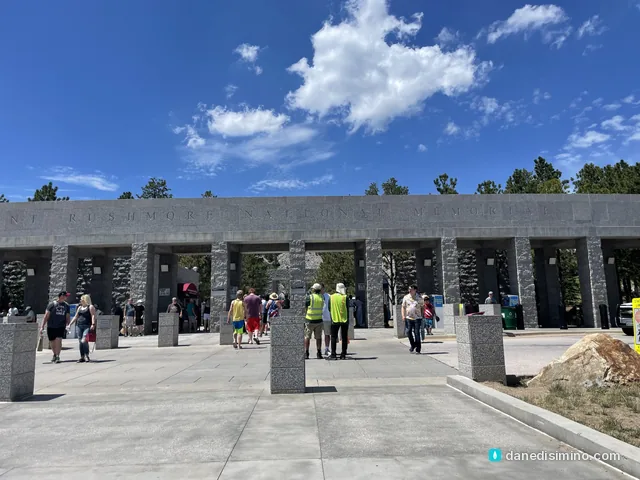
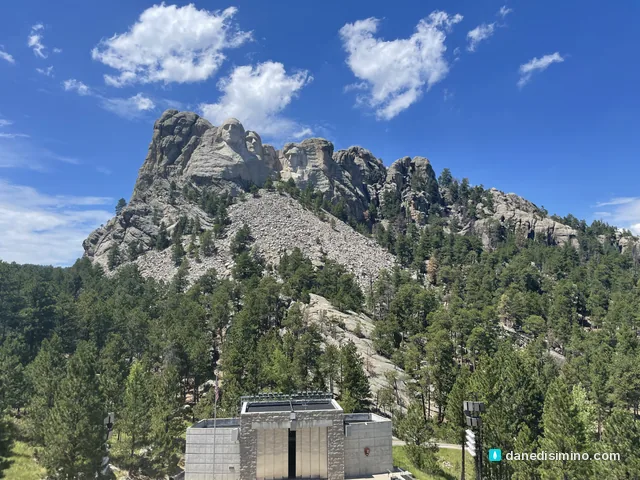
We walked in through the granite entrance and out to the Grand View Terrace. That's the classic view, and it's the one in every photo. The clouds rolled in while we were there, and by the end the sky behind the faces had gone white.
Where we stayed
We camped at the Hot Springs KOA, about an hour south, and drove up from our Wind Cave tour. Keystone, right below the memorial, and Rapid City have plenty of places to stay. There's no camping at the memorial.
What I'd do differently
Go in the morning. We went at the hottest, most crowded time of day.
Walk the Presidential Trail. It gets you to the base of the mountain for a closer look.
Stay for the lighting ceremony. In summer, the faces are lit in the evening after a ranger program.
What Mount Rushmore taught me
The granite here wears away only an inch every 10,000 years. The faces will last a very long time, but not forever.
"The grass withers and the flowers fade, but the word of our God stands forever." (Isaiah 40:8, NLT)
Even our greatest monuments wear away. God's word never will.
Questions?
Ask me anything about Mount Rushmore: when to go, parking, or how to fit it into a Black Hills and Badlands trip. I answer every question.
Photos

Sources
- Mount Rushmore National Memorial (NPS)
- Carving history (NPS)
- The workers (NPS)
- Student guide and timeline (NPS)
- Geologic activity (NPS)
- Fees and passes (NPS)
- Independence Day events and parking (NPS)
- Presidential Trail (NPS)
- FAQ (NPS archive)
- Mount Rushmore National Memorial: Six Grandfathers (Visit Rapid City)
- Mount Rushmore (Britannica Kids)
Pathlight
Monument guides from the road, written as we go.