
FLY FISHING & OUTDOORS · THE SOUTH PLATTE · PART 3 OF 4
Deckers
A Fly Fishing Guide
On this page
Version 1.0 · Updated Nov 9, 2026
Deckers is where I learned to fish the South Platte.
I started trying it in the fall of 2021, a few months after my first humbling day in Cheesman. I fished the stretch in front of Lone Rock Campground and mostly didn't catch anything. But I was learning the foundation: how to wade, how to set up my rod, how to tie on flies, and how to stop at the fly shop and ask what was working.
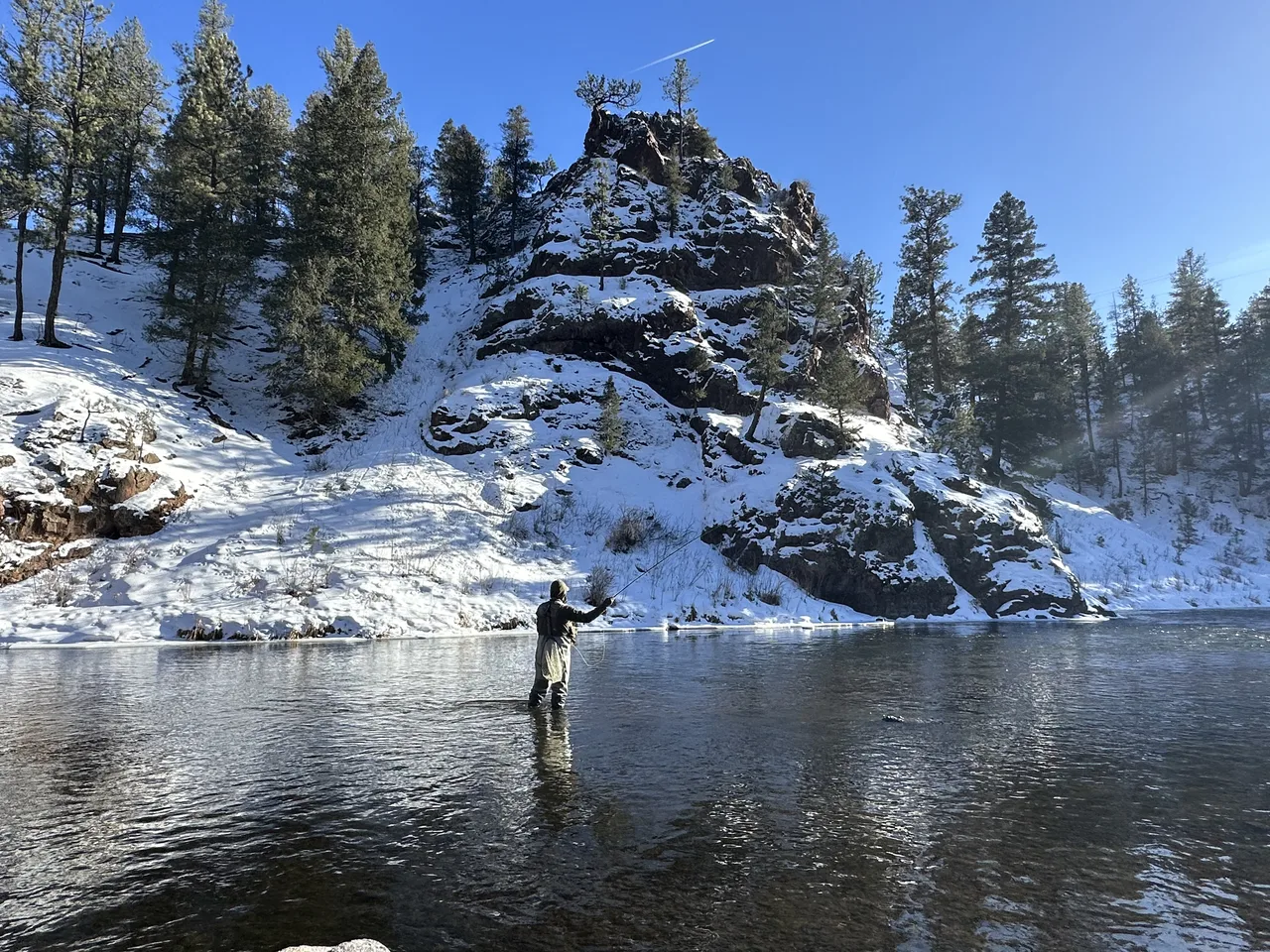
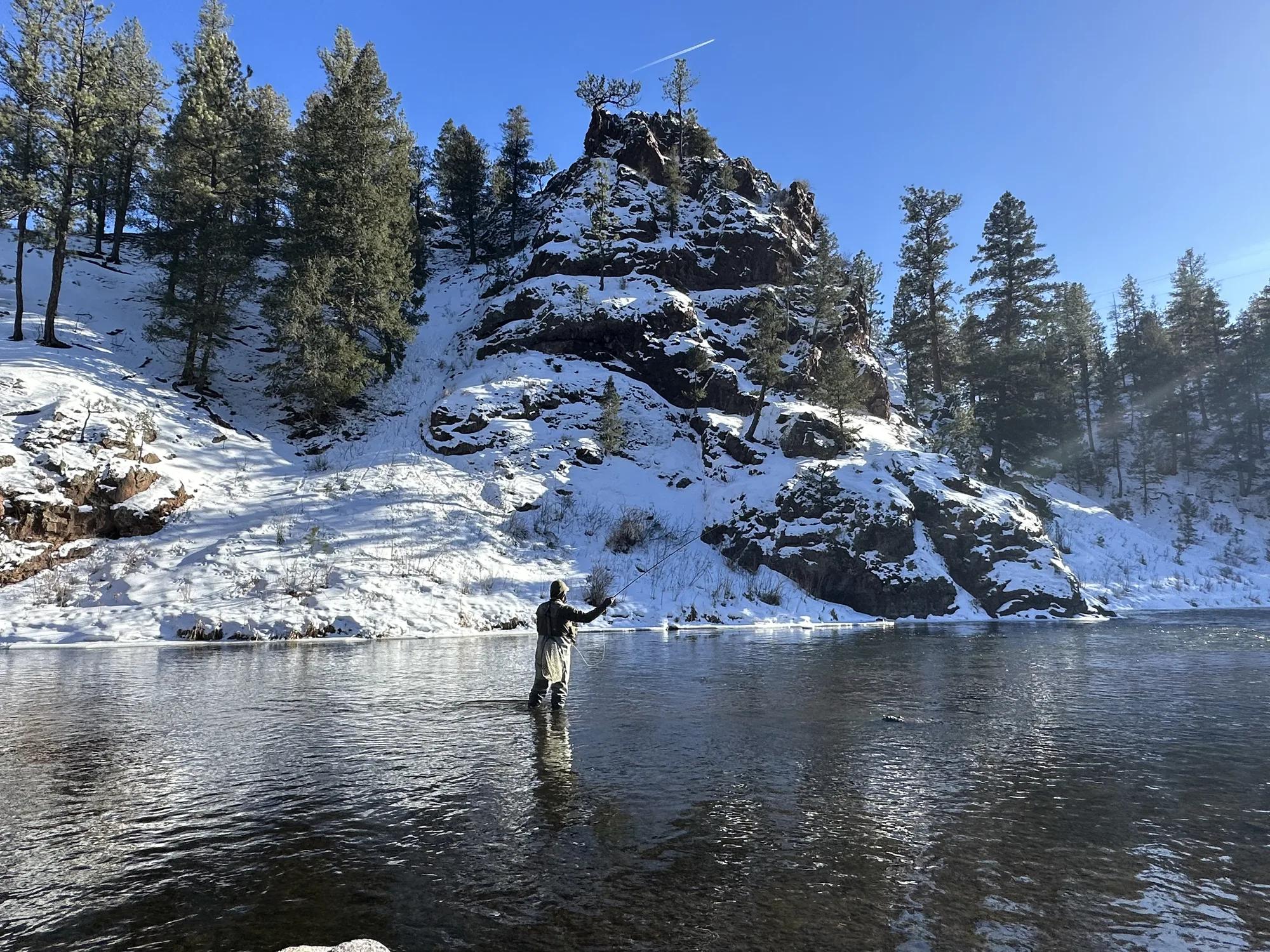
The day it clicked was in January 2022. I was between jobs, with a few weeks off before starting a new one, so I drove out to Deckers. It started to snow. The river was quiet, and nobody else was there.
I tied on a red Rojo Midge. I still don't know why I picked that fly. Then I just worked the process I'd been taught: cast, drift, drift again. It felt like an eternity of drifts. My guides were icing up and my hands were freezing, but I was determined to keep going.
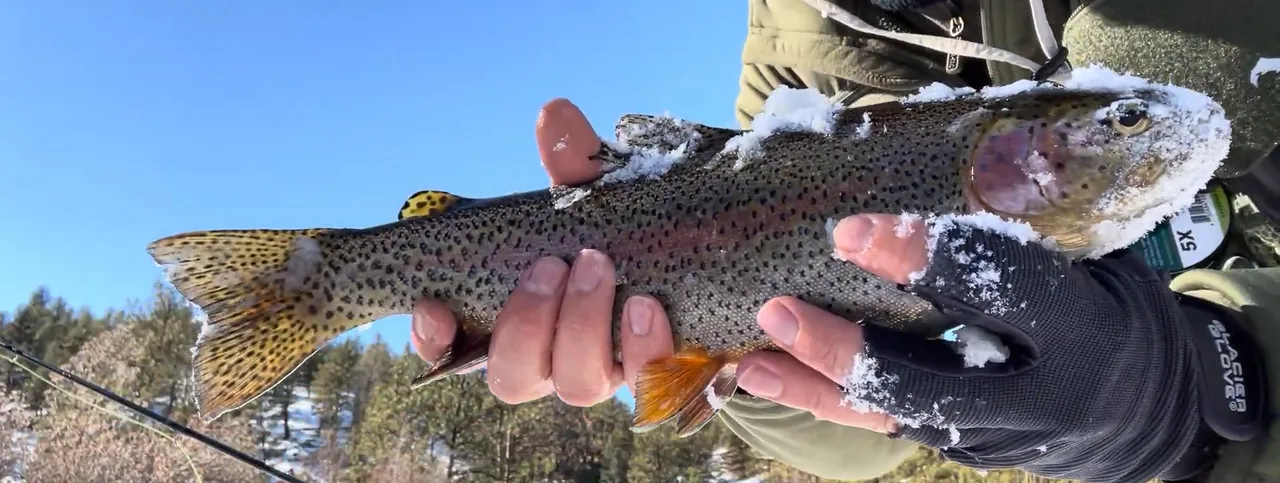
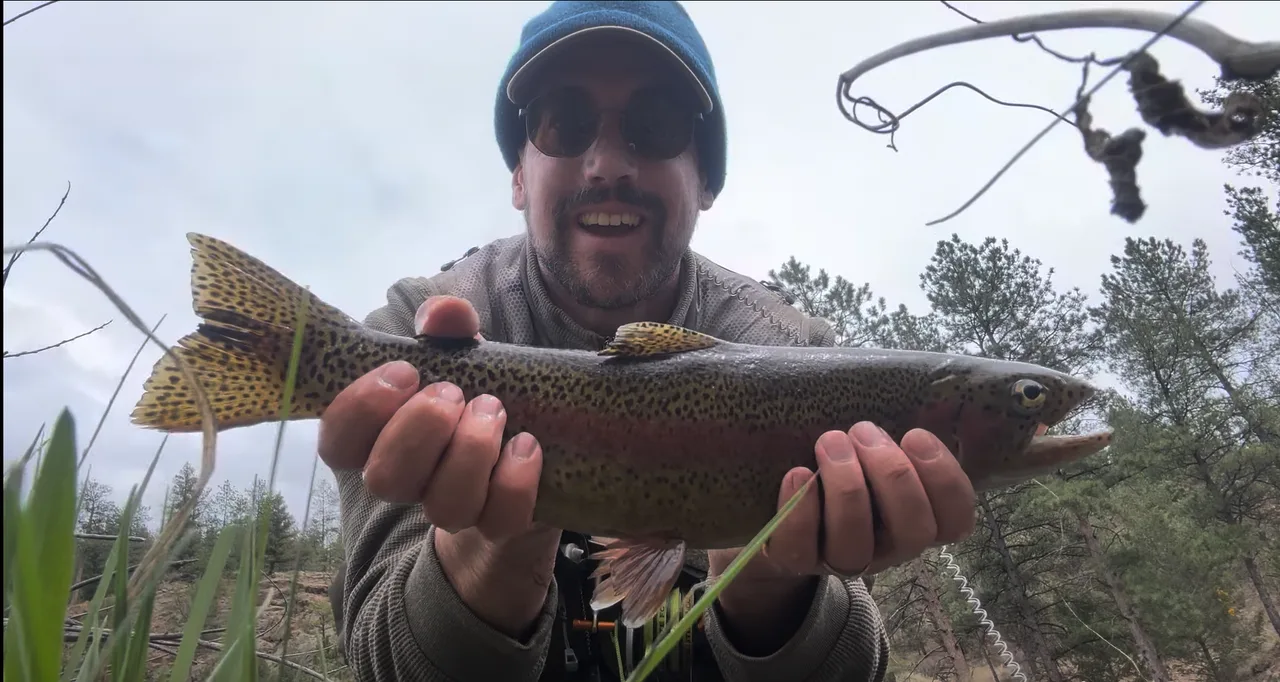
On one of the last drifts of the afternoon, along the bank, I watched a big trout move a foot or two to take my midge. I set the hook, fought it, got it in the net and brought it up onto the bank in the snow. It was a cutbow, a cross between a cutthroat and a rainbow, about 15 inches. It was the biggest adrenaline rush and the best day of fly fishing I'd had up to then. From that day on, I was determined to master the craft.
After that, I looked for every chance to fish Deckers. I started camping at Lone Rock and getting up at 6 a.m., too excited to sleep in. Later I spent more of my time in Cheesman. But Deckers is where it started.
The short version
- 70 min
- From Colorado Springs
- 22
- And smaller: the fly sizes
- 2
- Trout over 16 inches may be kept
- 21½ in
- The fish on my wall
Close to Denver, and fished like it. Drive up, pull off, fish. Expect company.
The best place on the Platte to learn. Easy access, lots of water, and plenty of trout.
Two fish over 16 inches may be kept on the stretch through Deckers. Most people, including me, put nearly all of them back.
Go small. Midges and emergers, size 22 and smaller.
Winter and late fall are quietest. Summer brings campers and tubers.
Getting there
From Colorado Springs, it's about an hour and 10 minutes. Head west to Woodland Park, then north on Highway 67 for about 23 miles to Deckers.
Deckers is a tiny town at the bridge, with a couple of places to eat, some lodging, and a fly shop. Stop at Flies 'N Lies. The guys there know this water better than anyone. Ask what's working, and buy what they tell you to buy.
Finding your water
You can fish right at the bridge in town. From there you have two directions.
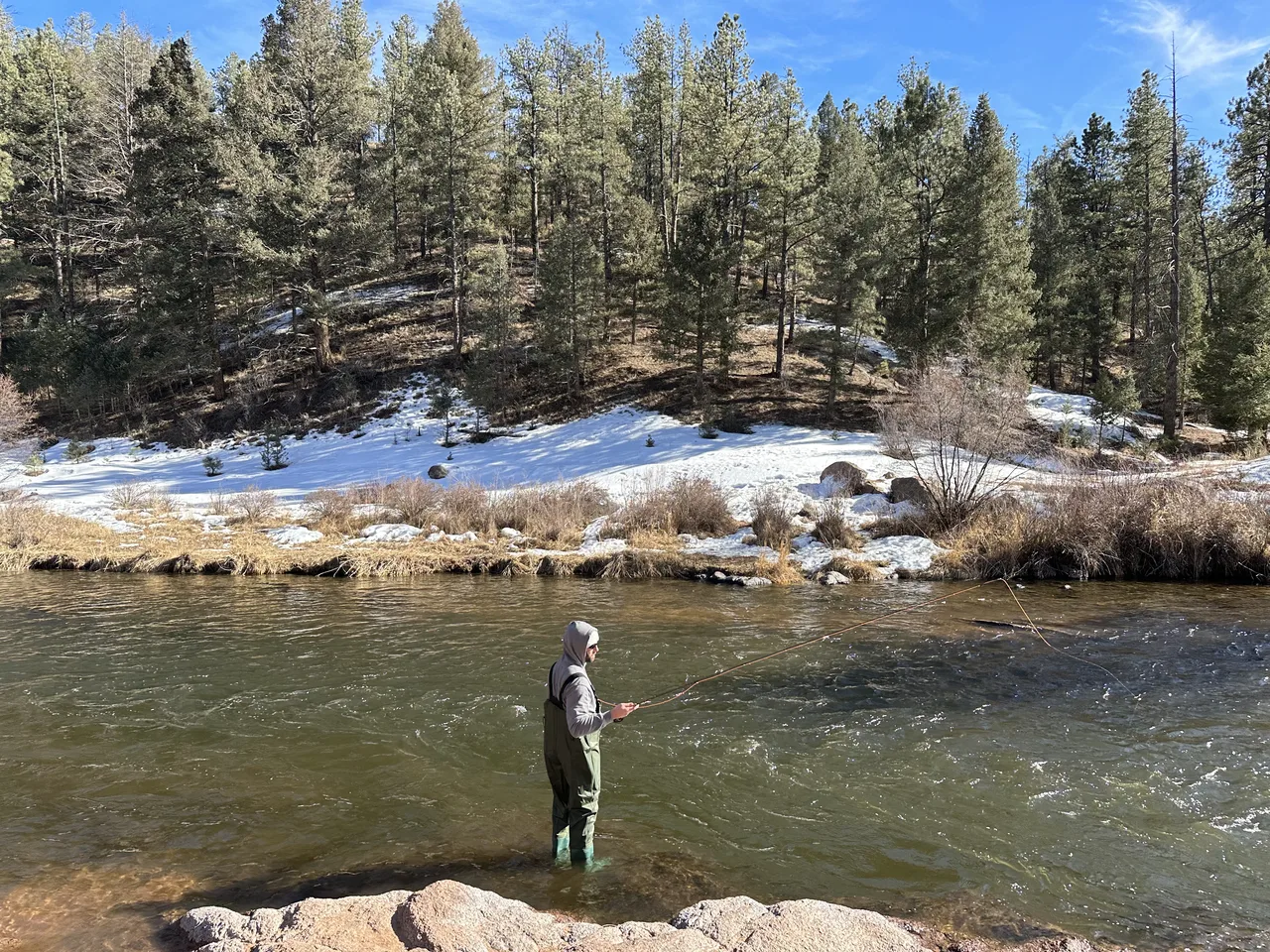
Downstream, toward Denver. Highway 67 follows the river north toward Sedalia, the way Denver anglers drive in. It's paved, then dirt for a stretch, with fishing turnouts all along it and more past a second bridge. There will always be people at these turnouts, but this is a good place to try out your gear, your waders and your technique. If you can find open water, you can have a great day here.
Upstream, toward Cheesman. A dirt road, Y Camp Road, heads toward the YMCA's Camp Shady Brook. There's parking along it, and a lot of anglers use it. This was my go-to for years. You can get out and fish the whole stretch.
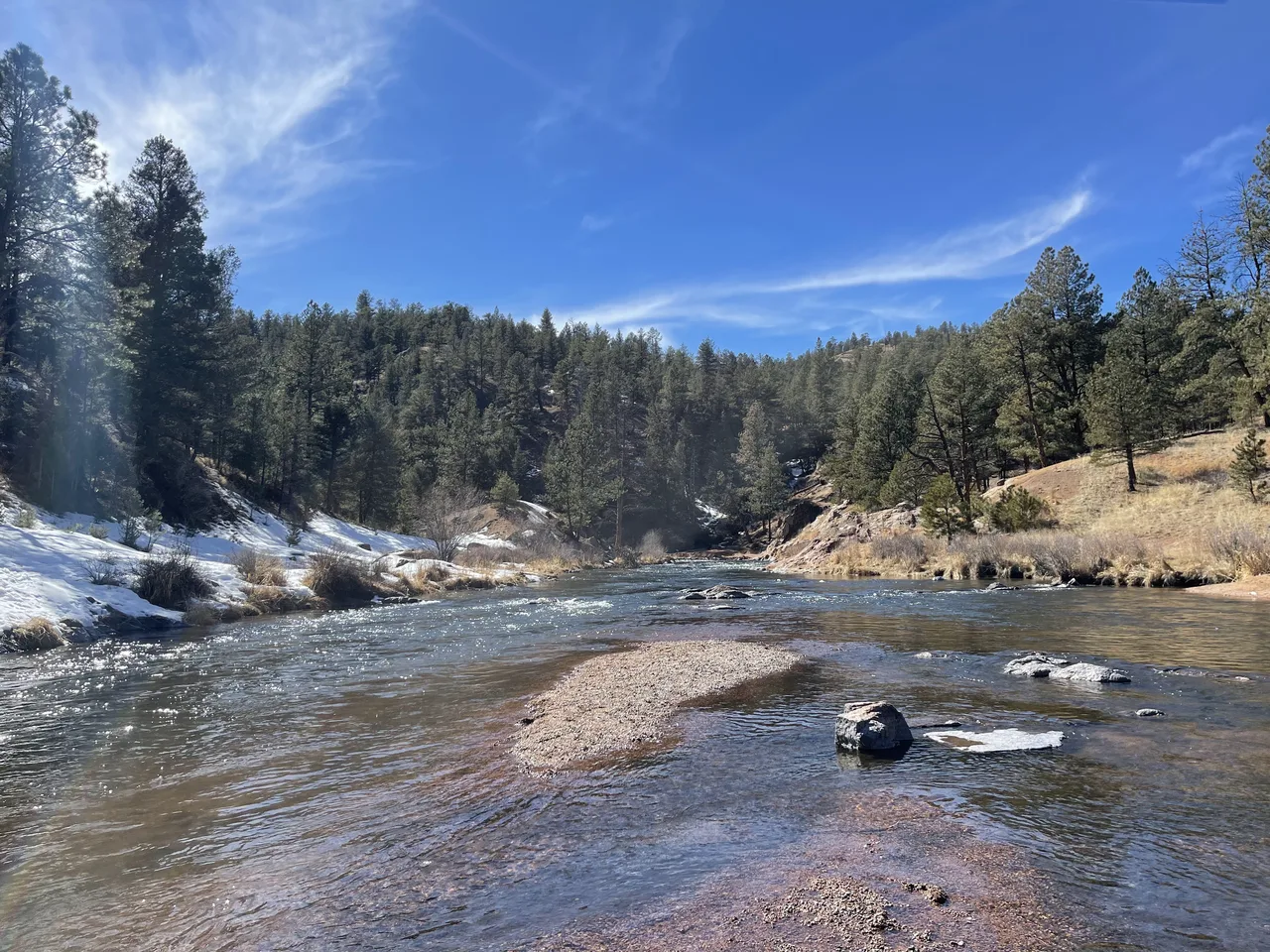
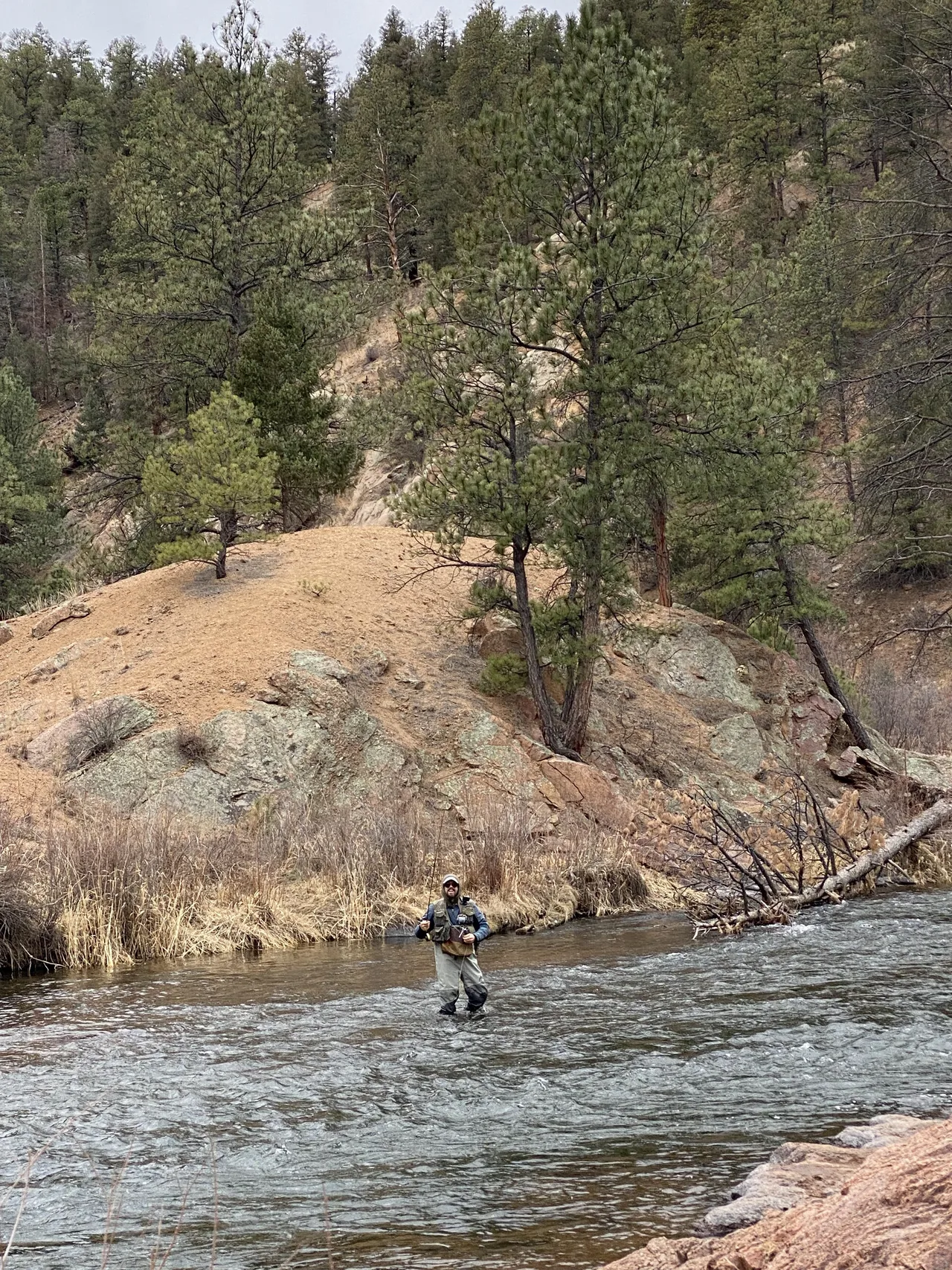
Upstream, the public water ends at the Wigwam Club, a private fishing club. You'll see a fence and signs, and anglers aren't allowed past them. Public and private land alternate in a few places along this river, so respect the signs. Access on one bank doesn't give you access to the other bank.
The fish on my wall
The fishing near the Wigwam boundary can be good. The club stocks its water, and the rumor is that some of those big fish slip down into the public water. Looking back, I think that's where my biggest Deckers fish came from.
It was May 2022, about a week after my birthday, and I'd camped at Lone Rock the night before. I was fishing a size 22 olive WD-40 under an indicator. I didn't see the fish and wasn't casting to it. I was just doing the technique. Then the indicator went down. I made a textbook hook set and fought the biggest trout I'd ever hooked. It was 21½ inches.
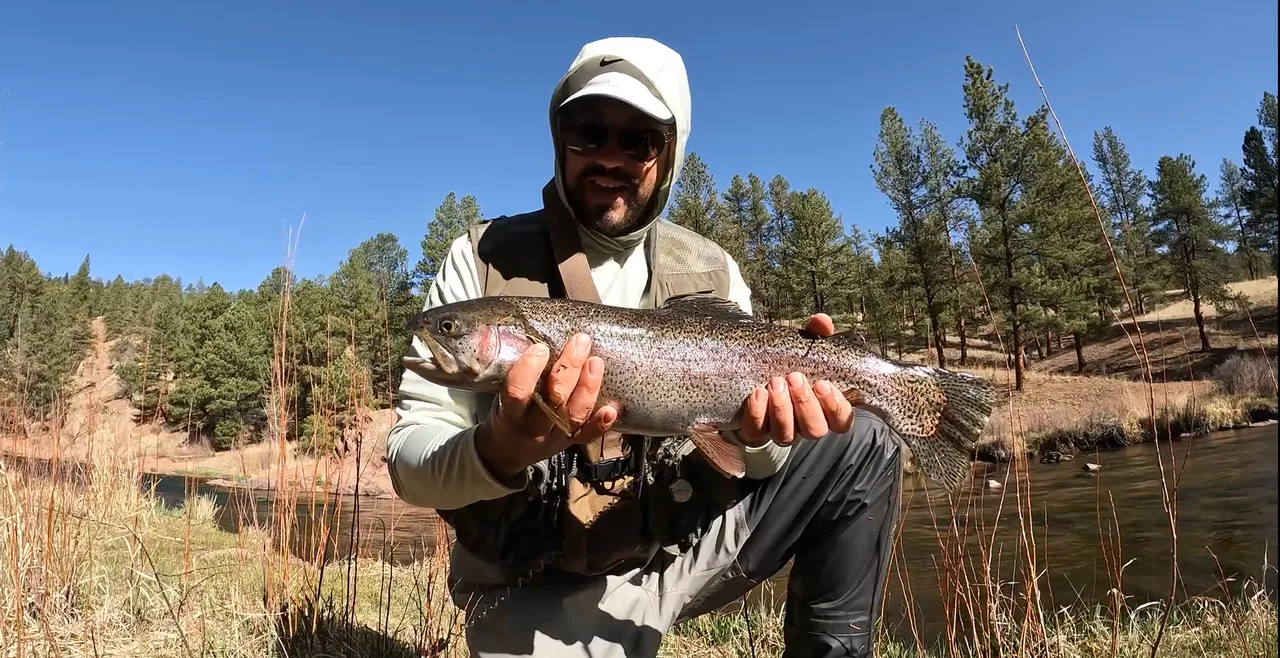
I put back about 99.5% of the fish I catch. This one I kept, and it's mounted on my wall at home. It's the only fish I've ever had mounted. The taxidermist took about five months. Every day I look at it, I remember that fight.
Keeping a fish
Deckers is one of the few places on the South Platte where you're allowed to keep trout. From the north boundary of the Wigwam Club downstream to the Scraggy View Picnic Ground, the rules are artificial flies and lures only, and you can keep two trout, each at least 16 inches long. It's Gold Medal water. Check the current Colorado Parks and Wildlife regulations before you go.
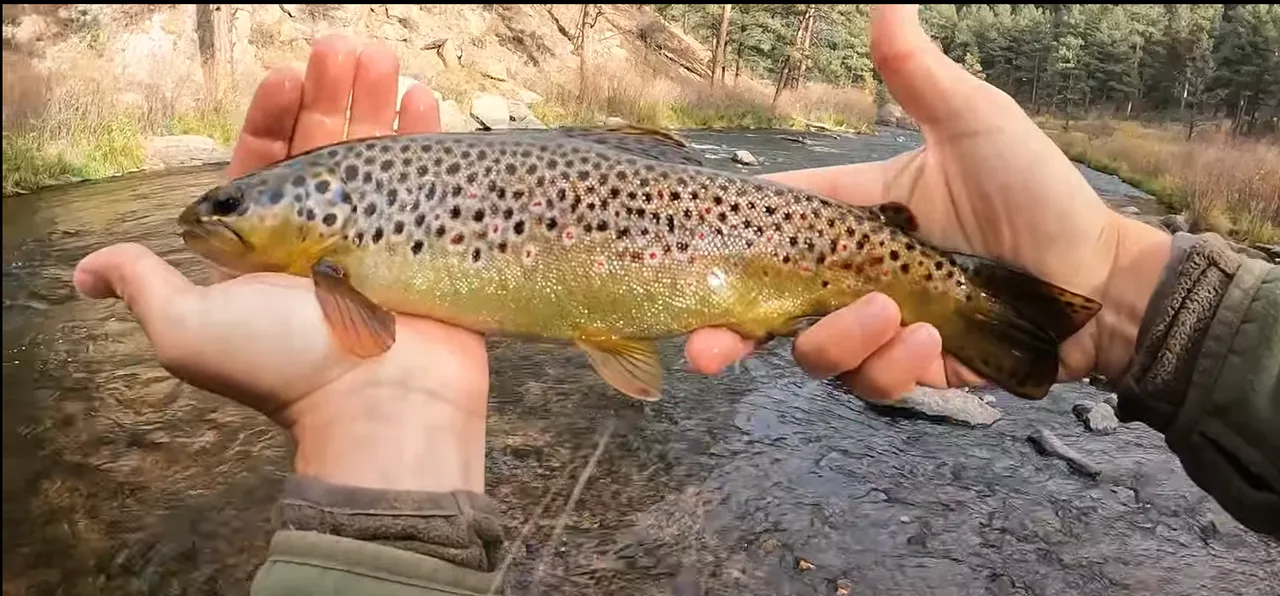
Keeping fish is frowned on in a lot of the fly fishing world, and I understand why. We all want a healthy river. My rule is simple: release 99 out of 100. If the hundredth is the kind of fish you'd like to eat, a nice chunky brown, say, the law allows it, and you earned it. Use your judgment and don't abuse the privilege.
What to tie on
Deckers fishes like the rest of the South Platte. Start with small midges and emergers in size 22 and smaller. Two flies have earned a permanent spot in my box here: the Rojo Midge that caught my snow-day cutbow and the olive WD-40 that caught the fish on my wall. Rig it like the rest of the Platte: a dry-dropper when the fish are spooky, an indicator with more weight when you need to get down, and 5X tippet.
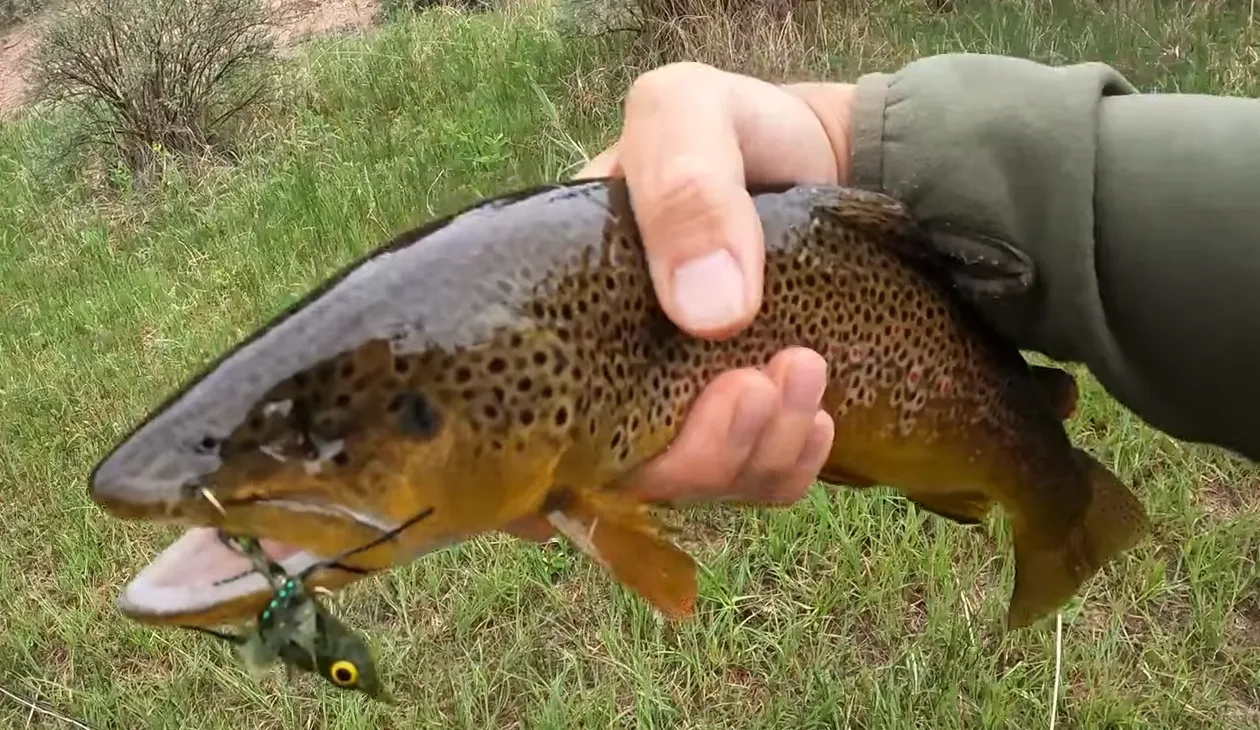
Don't be afraid to try something bigger now and then. One day I caught a brown on a big streamer and noticed it only had one eye. It still found the fly.
See a Blue-Winged Olive hatch at least once. One June day, I stood knee-deep in the river and felt like I was surrounded by hundreds of trout eating BWOs off the surface. Luckily I had BWO dries in my box, and I caught a bunch of trout on top. It's still one of the best hatches I've ever seen.
What lives here
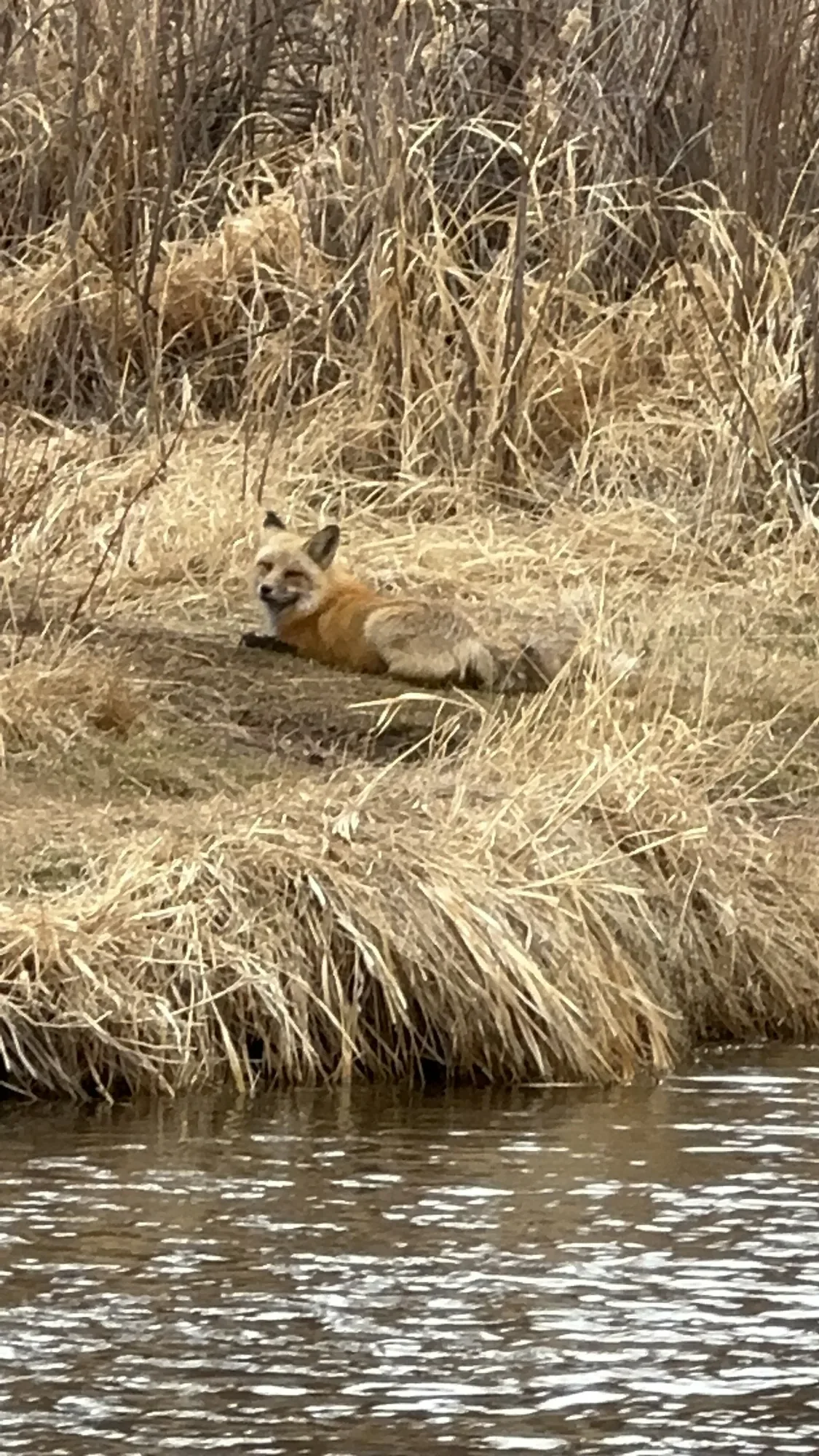
The trout aren't the only thing worth watching at Deckers. I've seen foxes along the banks, bald eagles and ospreys working the river, and American dippers, the little gray birds that sing from the rocks and then dive underwater to walk the bottom for bugs. Keep your eyes up between drifts. Some days the critters are the best part.
When to go
Deckers fishes year-round, like the rest of the South Platte.
Winter is harder, because the fish are more lethargic. But there are no campers and no tubers, and it's quiet. These days it's my favorite time here.
Spring brings Blue-Winged Olive and caddis hatches.
Summer fishes well, but it's crowded. I don't bother anymore.
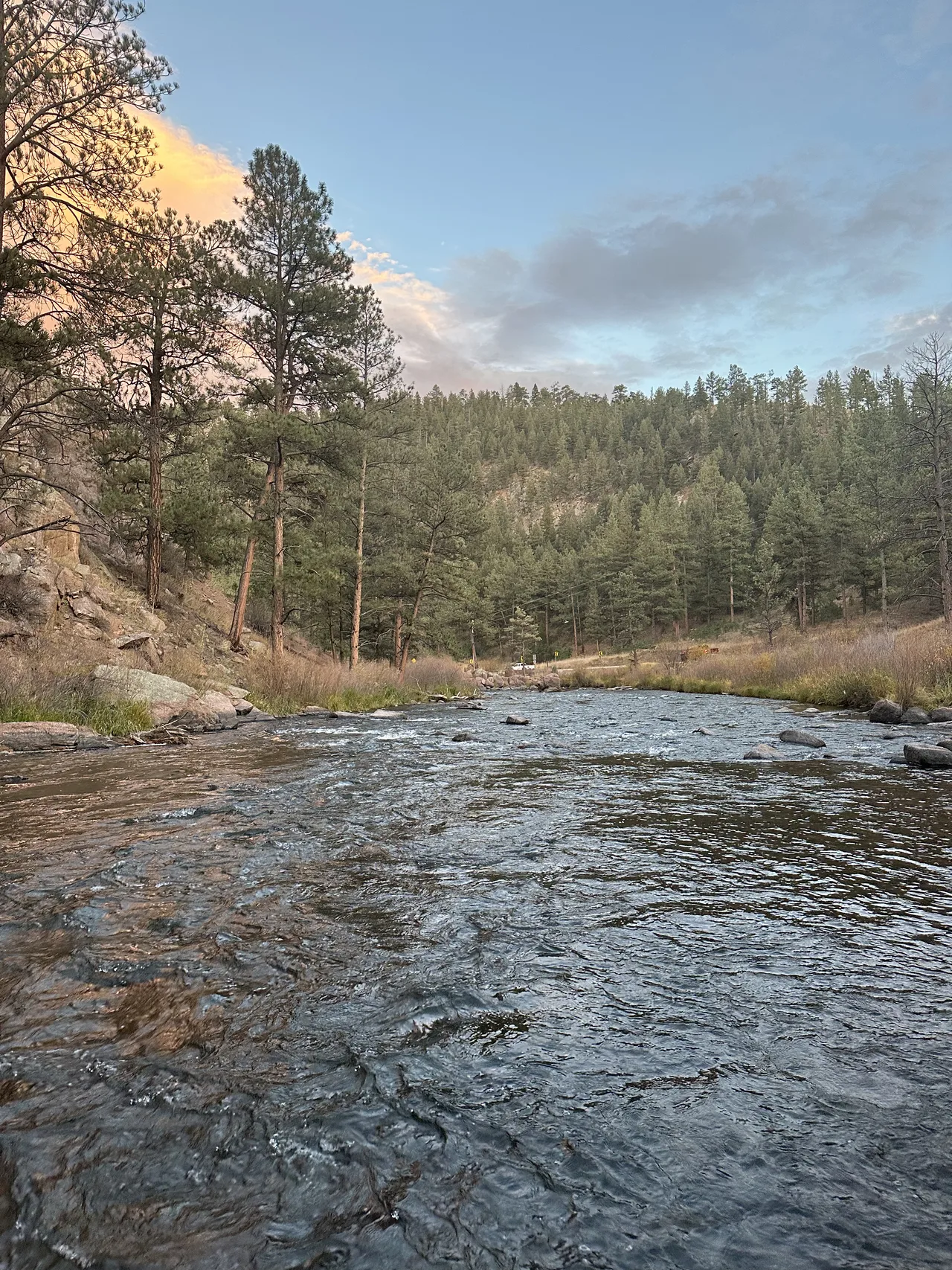
Fall is beautiful. Temperatures are good, the fish are active and feeding, there are hatches, and you still have daylight. Campers stick around until mid to late September, so October and November can be even better.
Share the river
Deckers is one of the closest stretches of trout water for anglers from Denver and its southern suburbs, so it gets a lot of pressure. Guides like to bring clients here too, because it's a great place to start.
My first summer, I got frustrated watching tubers float right through the water I was fishing. You have to learn to share this river. Plenty of campers and tubers come to have fun, and that's fine.
With other anglers, the same rules apply as everywhere on the Platte. Don't fish right next to somebody. Give everyone elbow room. And don't high-hole: if someone is working their way upstream, don't jump into the hole just above them. Spread out and explore more water, even if the spot you wanted is taken.
If you want to camp
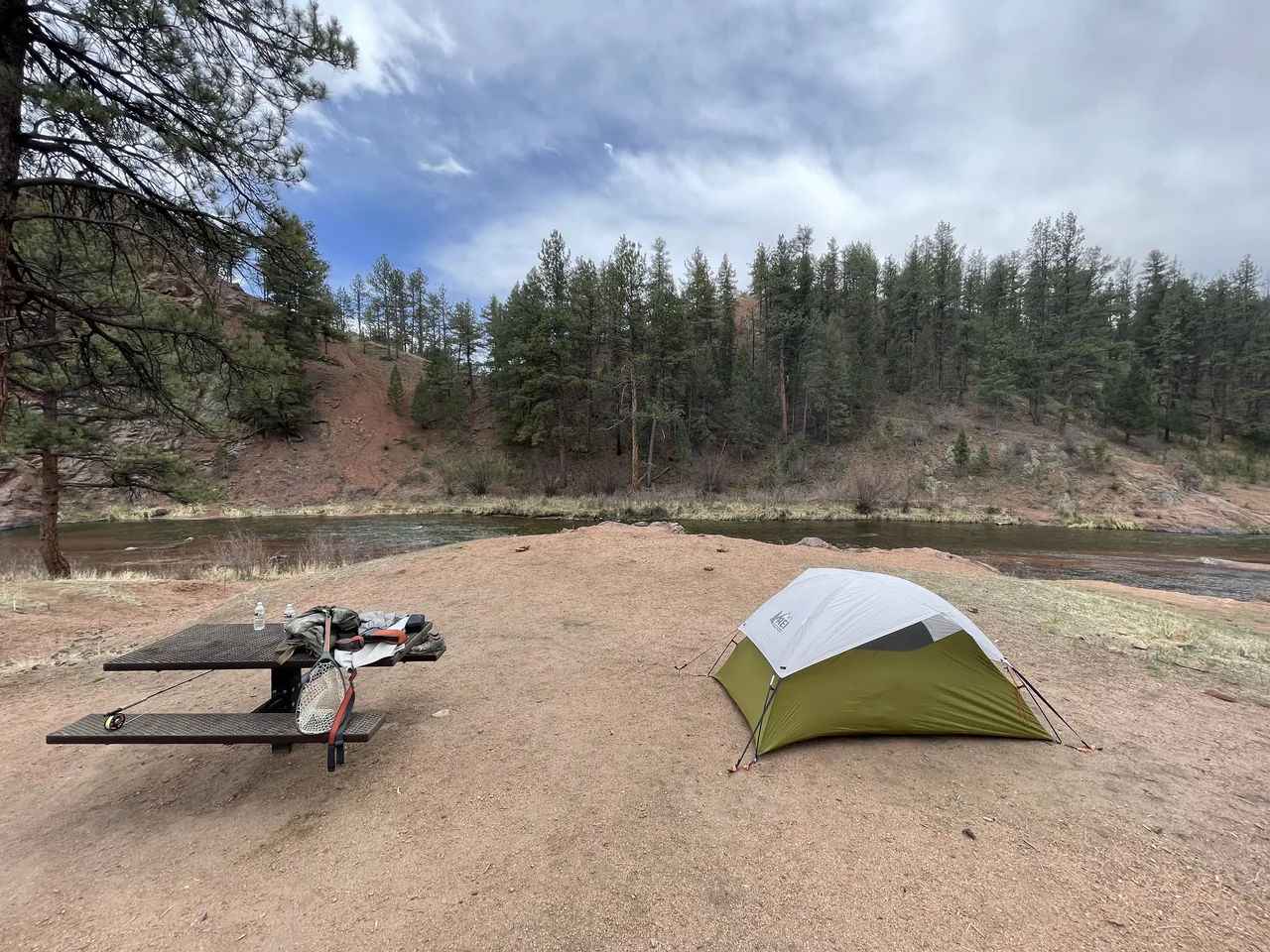
Lone Rock Campground sits on the river about a mile west of Deckers. It's open year-round, it takes reservations through Recreation.gov, and it fills up fast on summer weekends. Waking up next to the river with the water right there is hard to beat. Just know that the sites are close together.
Before you drive home
Watch the weather. If a storm turns, you don't want to be stuck back here. Highway 67 back toward Woodland Park is a winding road, and it can be hazardous. I've driven past a bad accident on it, and there are signs warning motorcyclists. Check the forecast before you head in, especially if there's any chance of ice.
Where I learned
Over the years, Deckers stopped being my go-to. I'm drawn to quieter water now. But I wouldn't be the fisherman I am without it, and I still tell beginners to start here. Learn to wade, learn to drift, ask the fly shop for help, and keep at it. Your snow-day fish is out there.
More from the river
1 / 3
Questions?
Ask me anything about Deckers: where to start, what's hatching, or where to camp. I answer every question. And if you'd rather fish it with me, I'm happy to show you around.
Pathlight
River notes from days on the water, and a seasonal hatch chart when one is ready.