
NATIONAL PARKS
Theodore Roosevelt
A Field Guide
On this page
One of my favorite parks in the whole system. A storm on the drive up we had to pull over for, then wild horses, bison, prairie roses and the muddy Little Missouri winding through the badlands. How the layers formed, why Roosevelt fell for this land, and how to plan your day.
Version 1.0 · Updated Nov 20, 2026
Map
When to go
Average monthly visits, 2023–2025. Source: NPS visitor statistics. ● marks the months we visited.
| January | 1,700 |
|---|---|
| February | 2,199 |
| March | 8,296 |
| April | 11,603 |
| May | 73,912 |
| June | 137,526 |
| July | 158,960 |
| August | 151,305 |
| September | 119,287 |
| October | 55,127 |
| November | 14,521 |
| December | 2,134 |
Theodore Roosevelt National Park is one of my favorite parks in the entire system, and I still can't fully say why. There's an enchanting beauty about the place. We spent July 5, 2022, in the South Unit, the last stop of our three-park run through the Dakotas, and the scenery and the wildlife never let up.
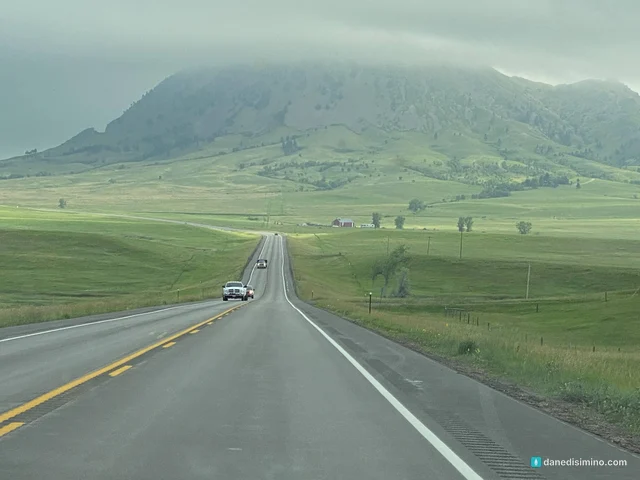
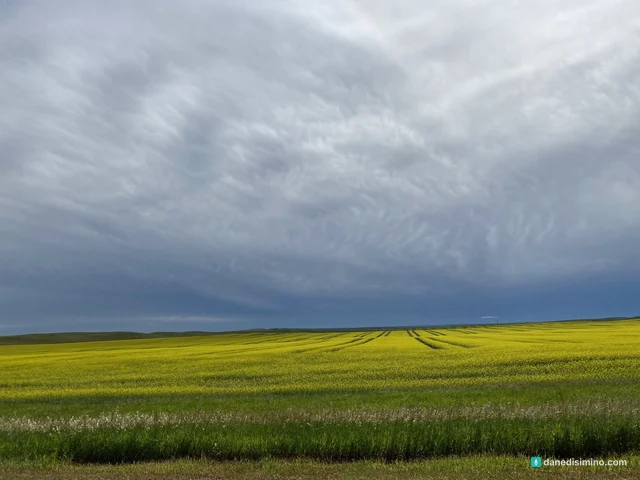
The drive up from South Dakota is the other thing I'll never forget. Somewhere on the plains we drove into one of those storms where you have to pull over and wait. The rain came down so hard you could feel the force of the water on the car. Then it passed, and the badlands were waiting.
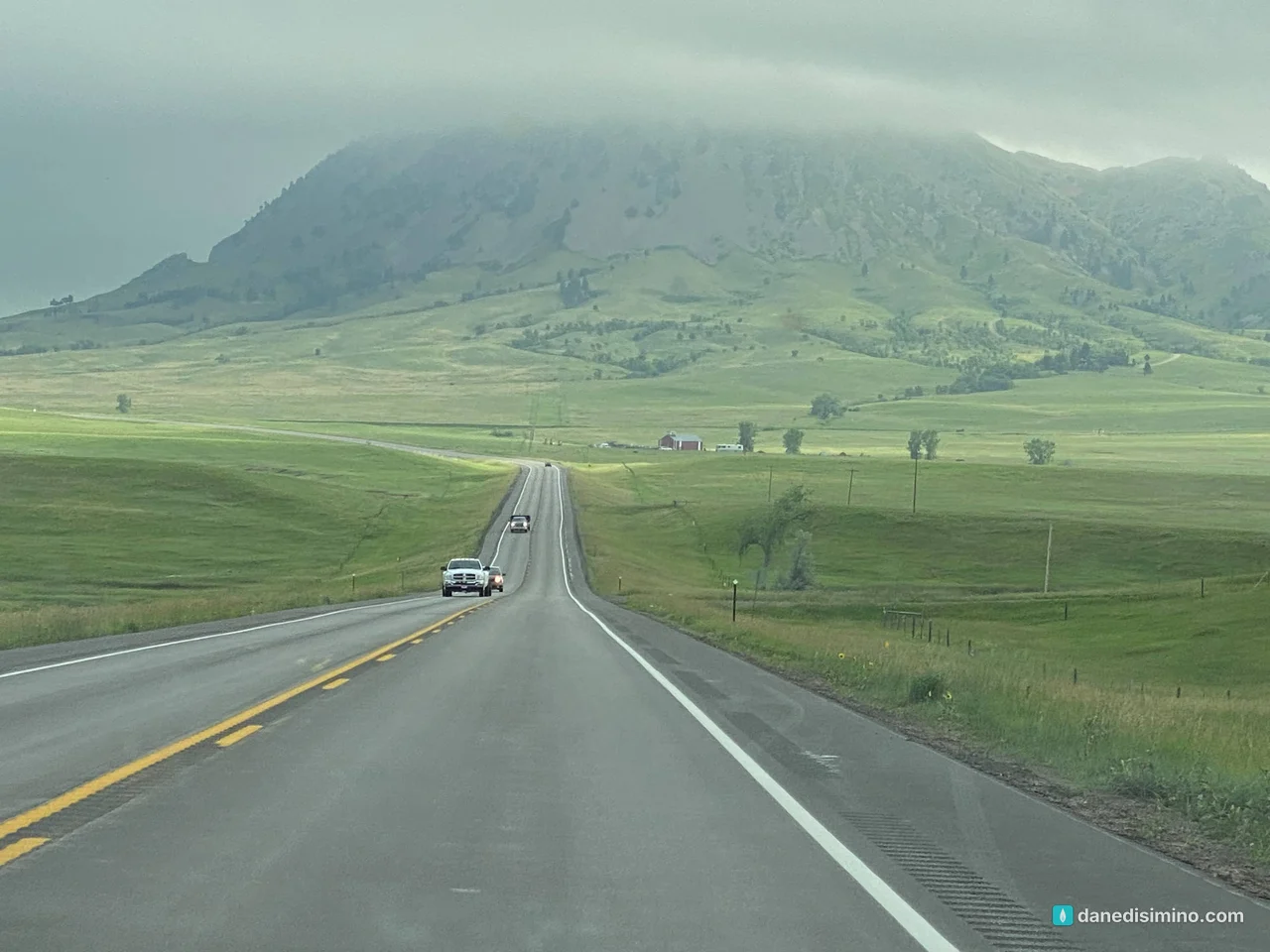
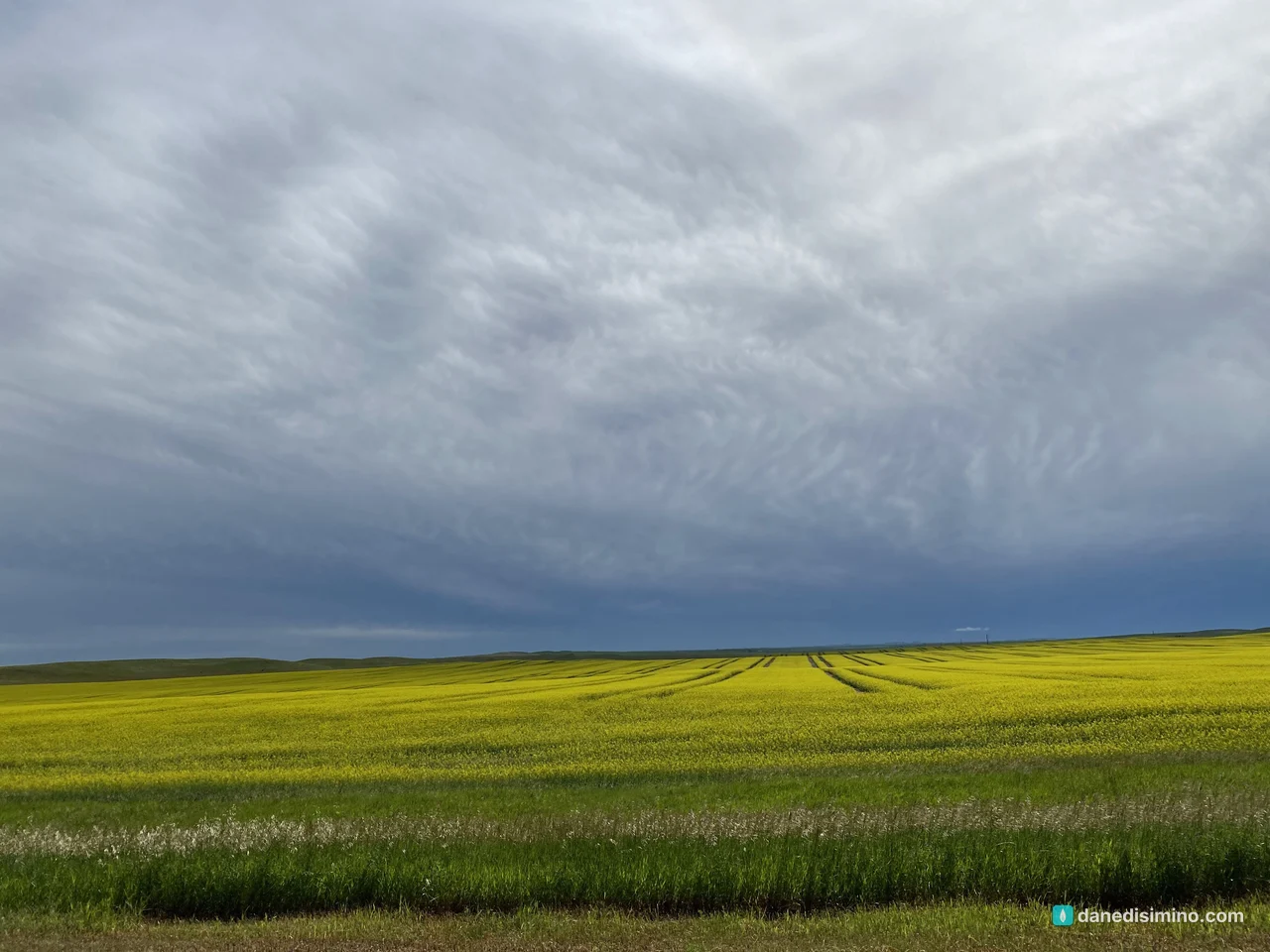
There's an enchanting beauty about this place I still can't fully explain.
The short version
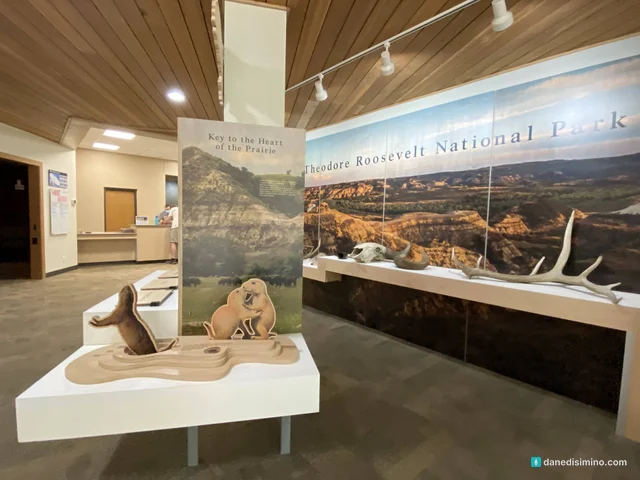
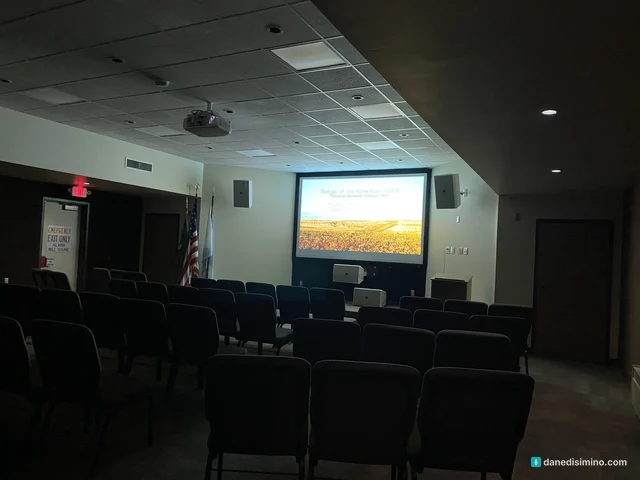
Start at the South Unit Visitor Center in Medora. The exhibits are excellent, Roosevelt's Maltese Cross Cabin is right outside, and the park film plays in the theater.
Drive the Scenic Loop. It's where you'll find the wild horses, bison, prairie dogs and overlooks. Check the park's road status before you go.
Walk the Wind Canyon Trail. A short loop to what the park calls the best view of the Little Missouri River in the South Unit.
Watch the weather. Plains storms can force you off the road. Pull over and wait them out.
Give it a full day. We could have spent more.
The park at a glance
- 70,446
- Acres in three units
- 1883
- Roosevelt's first trip here
- 1978
- Became a national park
- $30
- Per vehicle, good for 7 days
Where: western North Dakota. The South Unit entrance and visitor center are in Medora, right off I-94. The North Unit is about 68 miles north by road, and the tiny Elkhorn Ranch Unit sits between them.
Fees: $30 per private vehicle for seven days. As of 2026 the park is cashless, so bring a card.
Time zones: the South Unit runs on Mountain time and the North Unit on Central time.
Before you go: check the park's Alerts & Conditions page at nps.gov/thro.
How the badlands formed
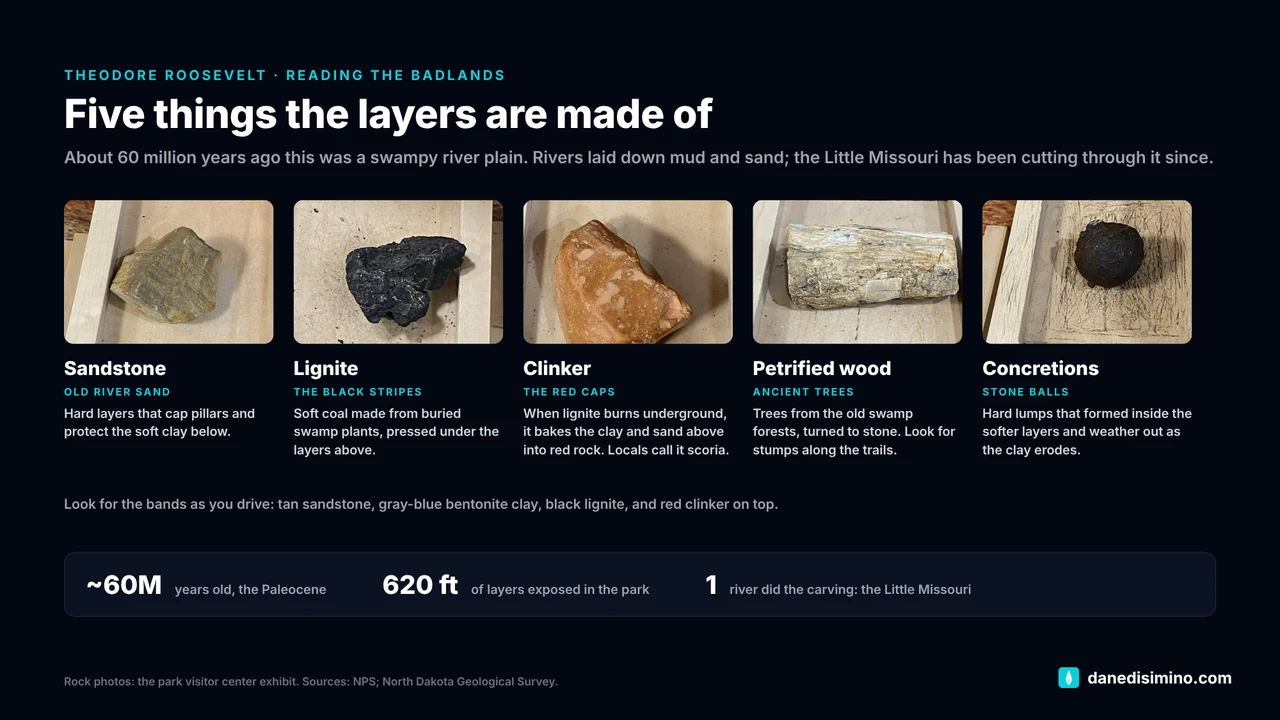
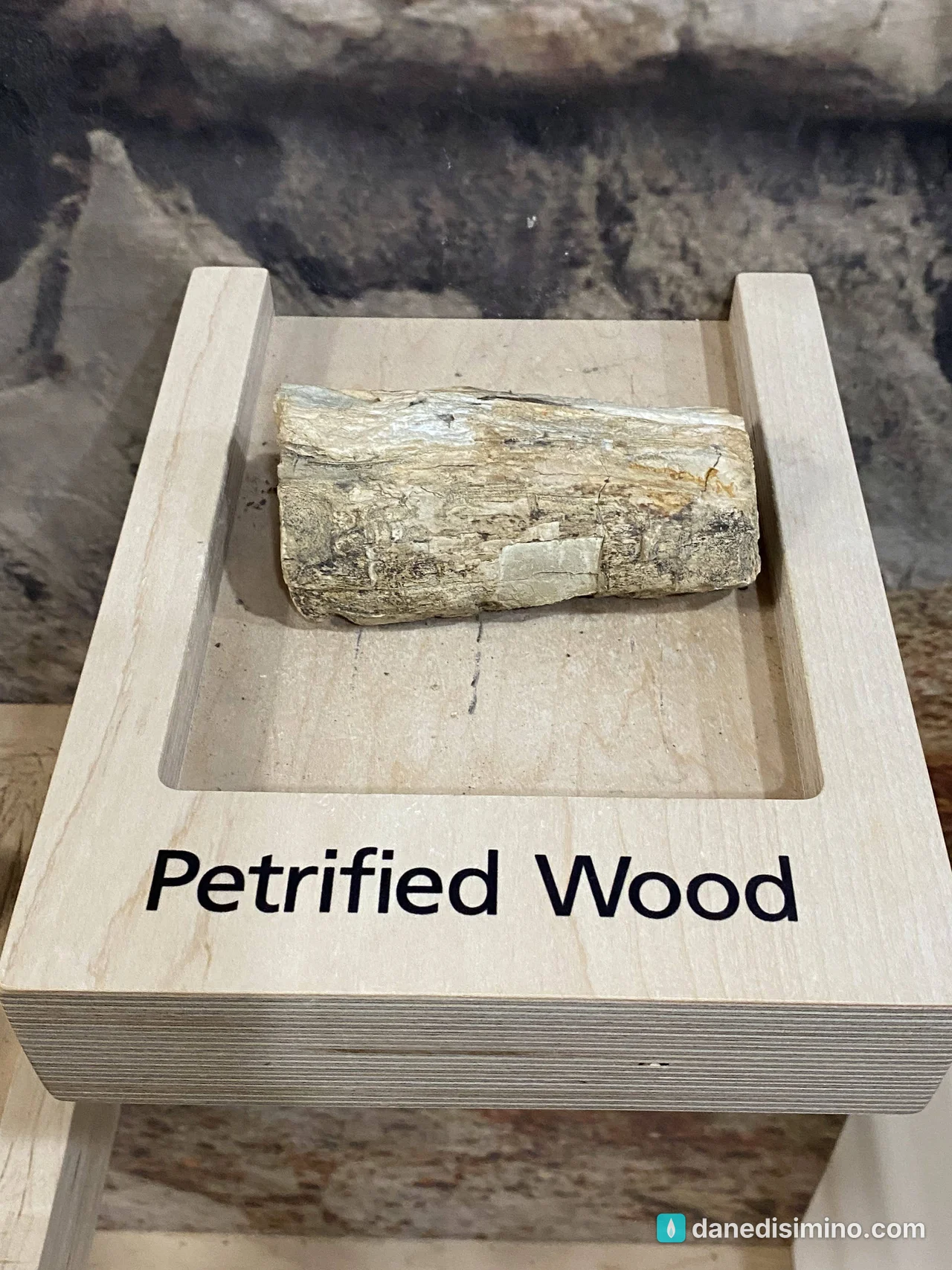
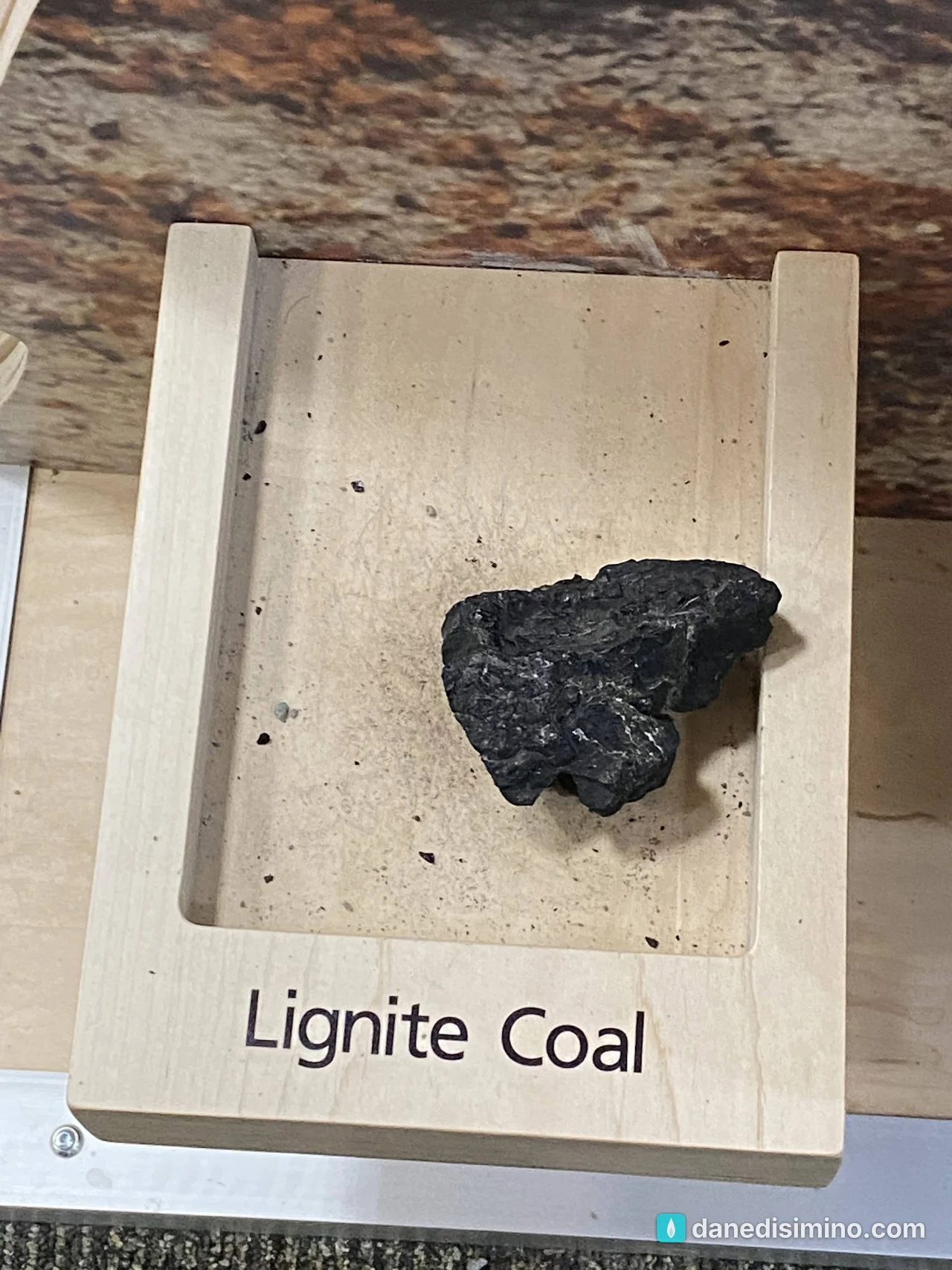
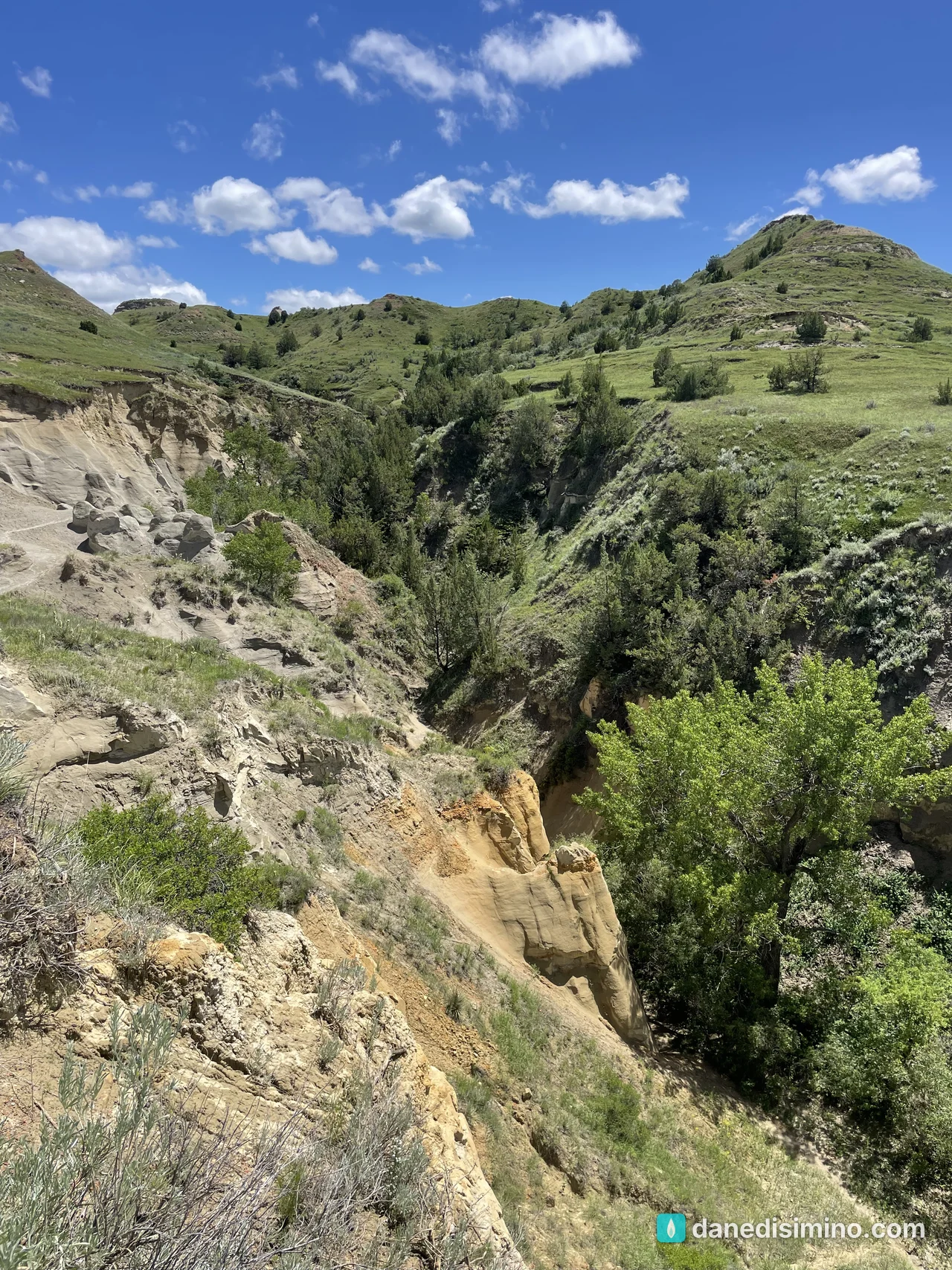
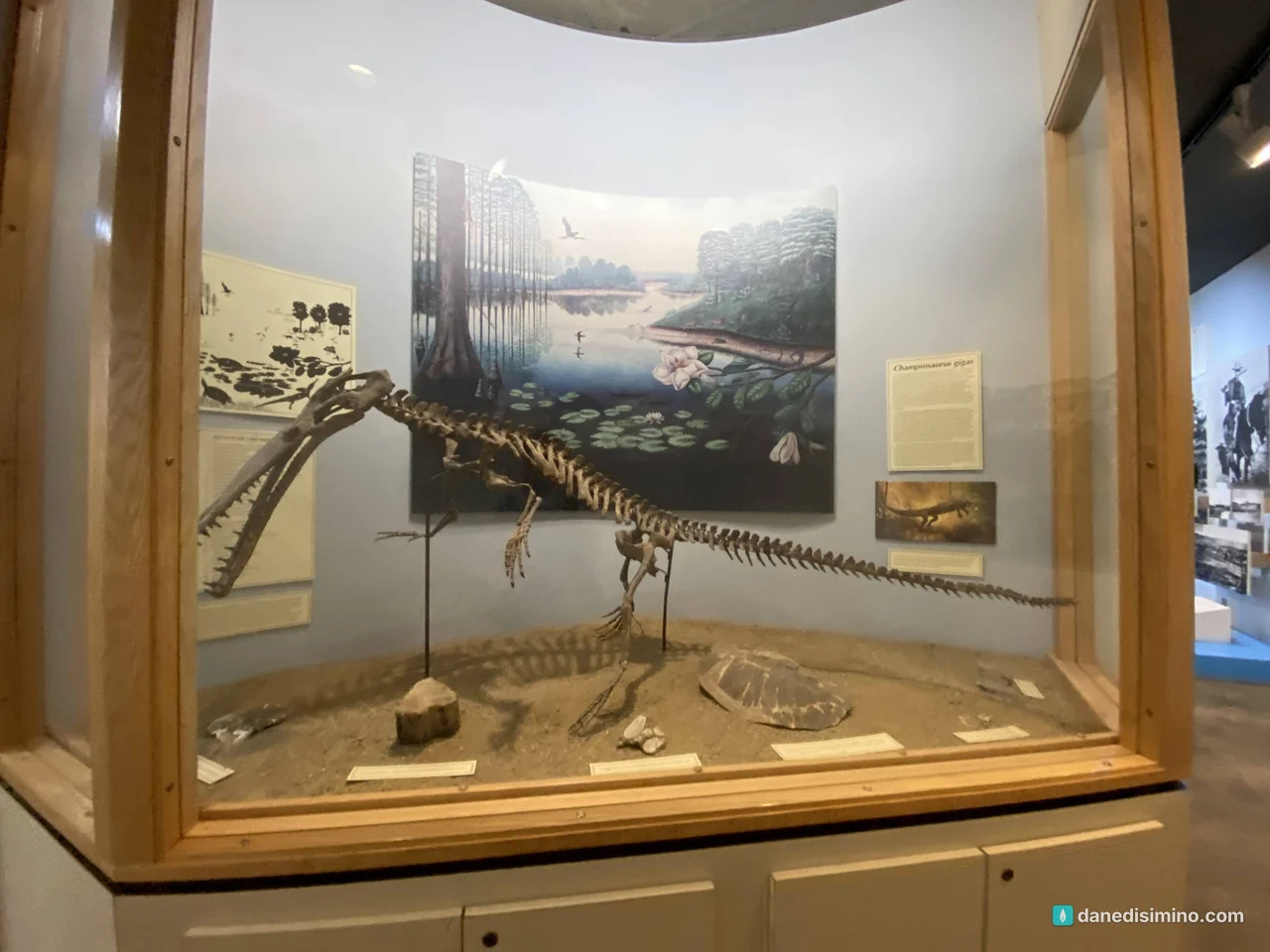
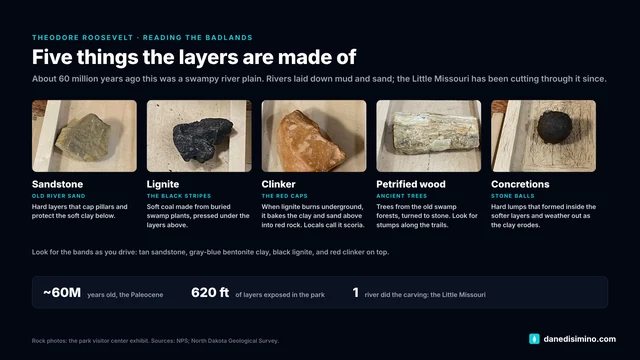
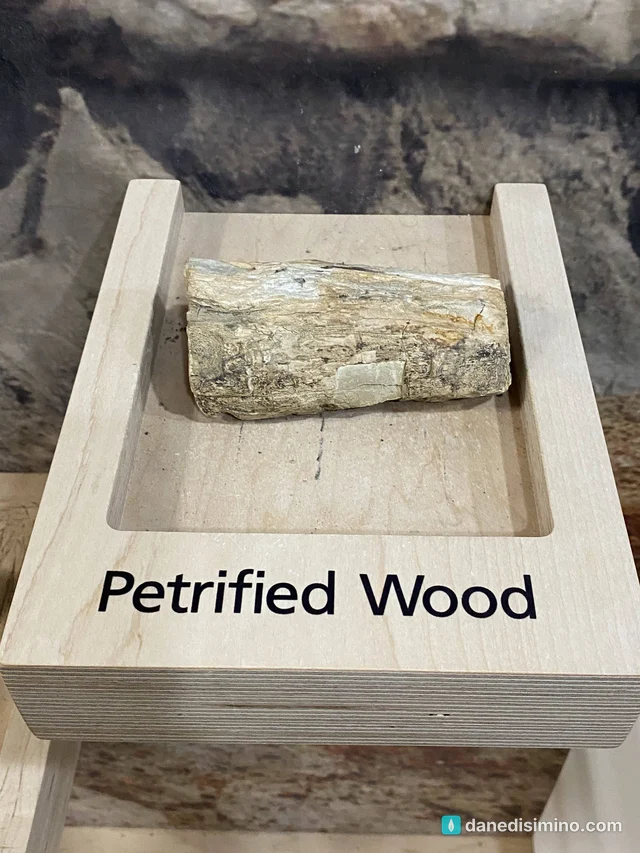
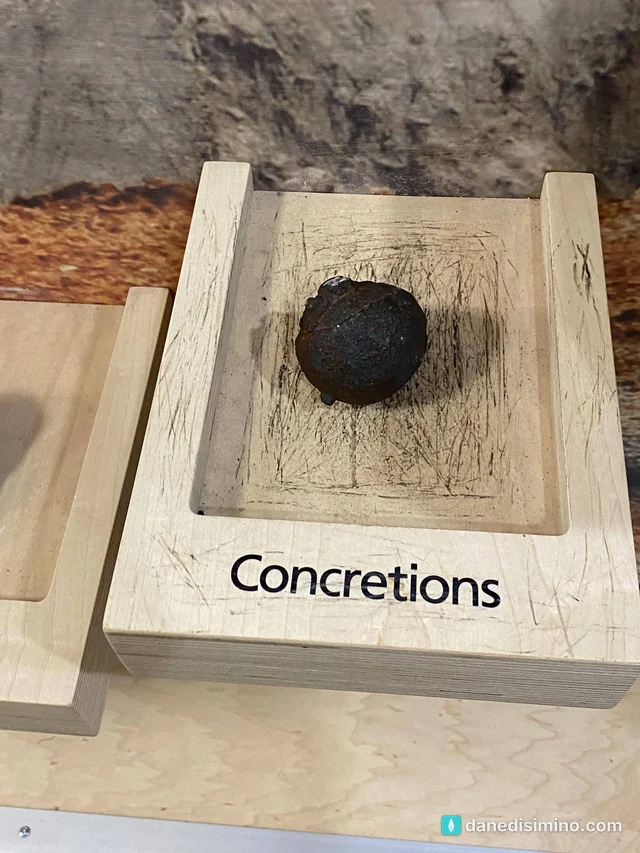
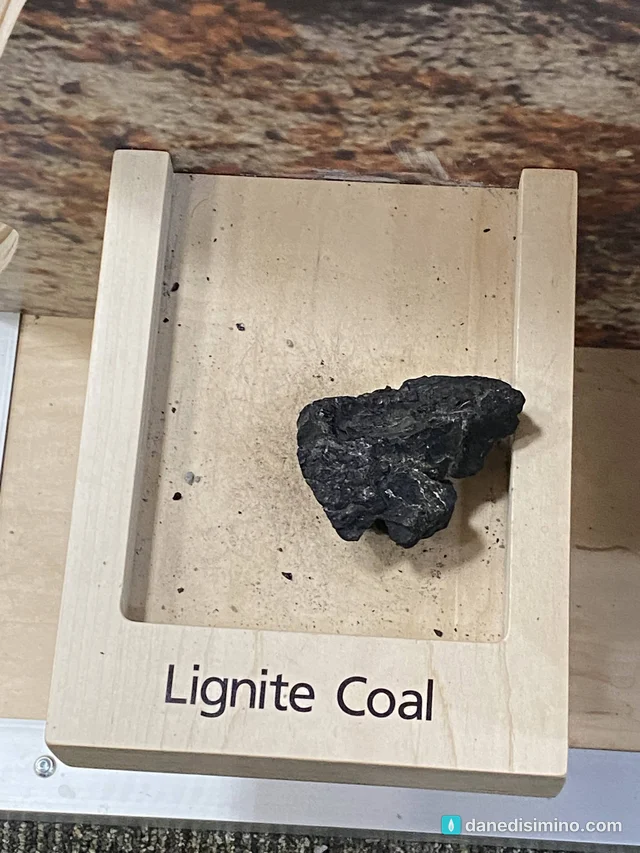
About 60 million years ago, this corner of North Dakota was a low, swampy river plain. Rivers carried mud and sand down from the west and laid them in layers. Plants from the swamps were buried and pressed into a soft coal called lignite, and trees from the old forests turned to petrified wood.
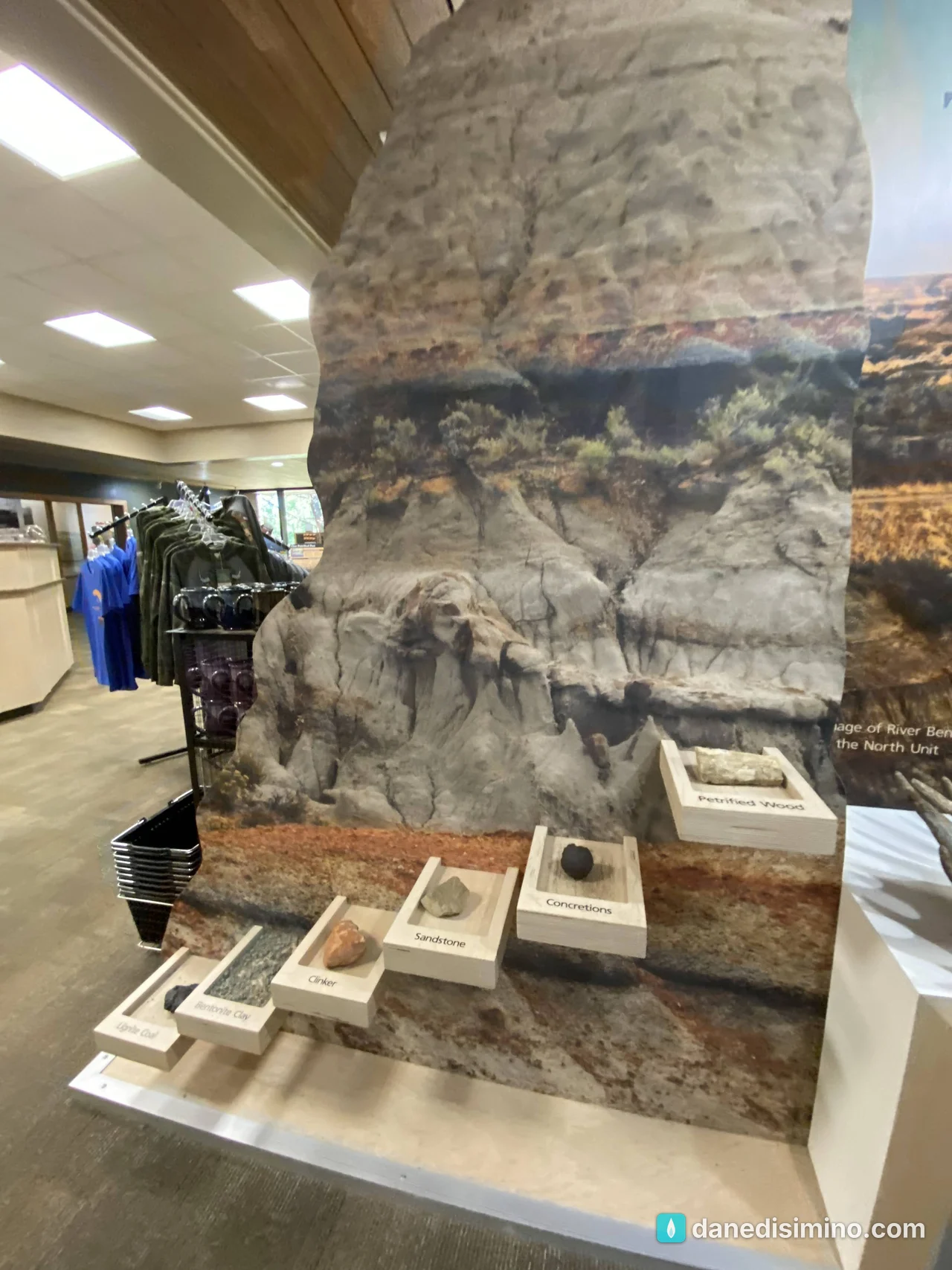
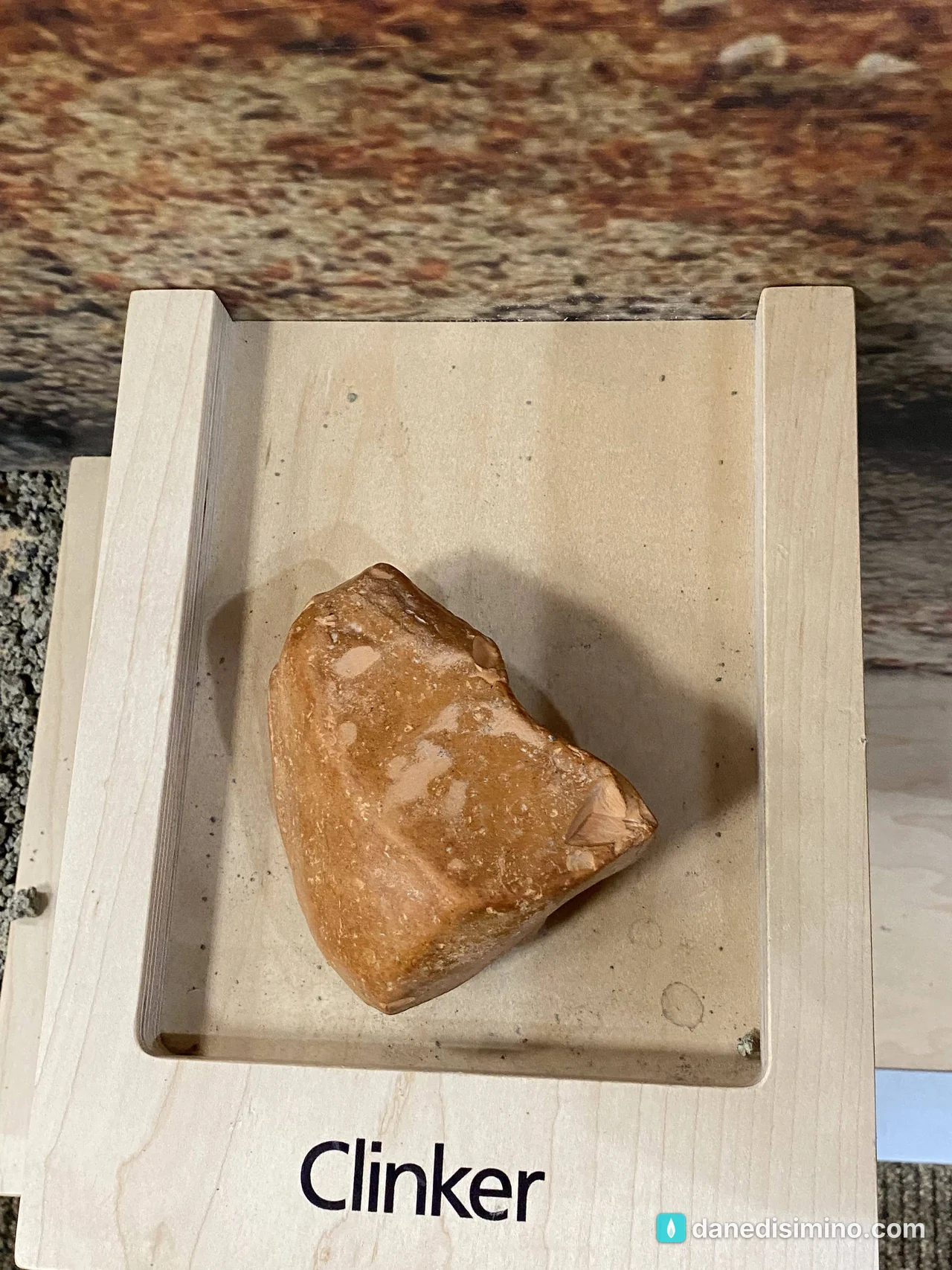
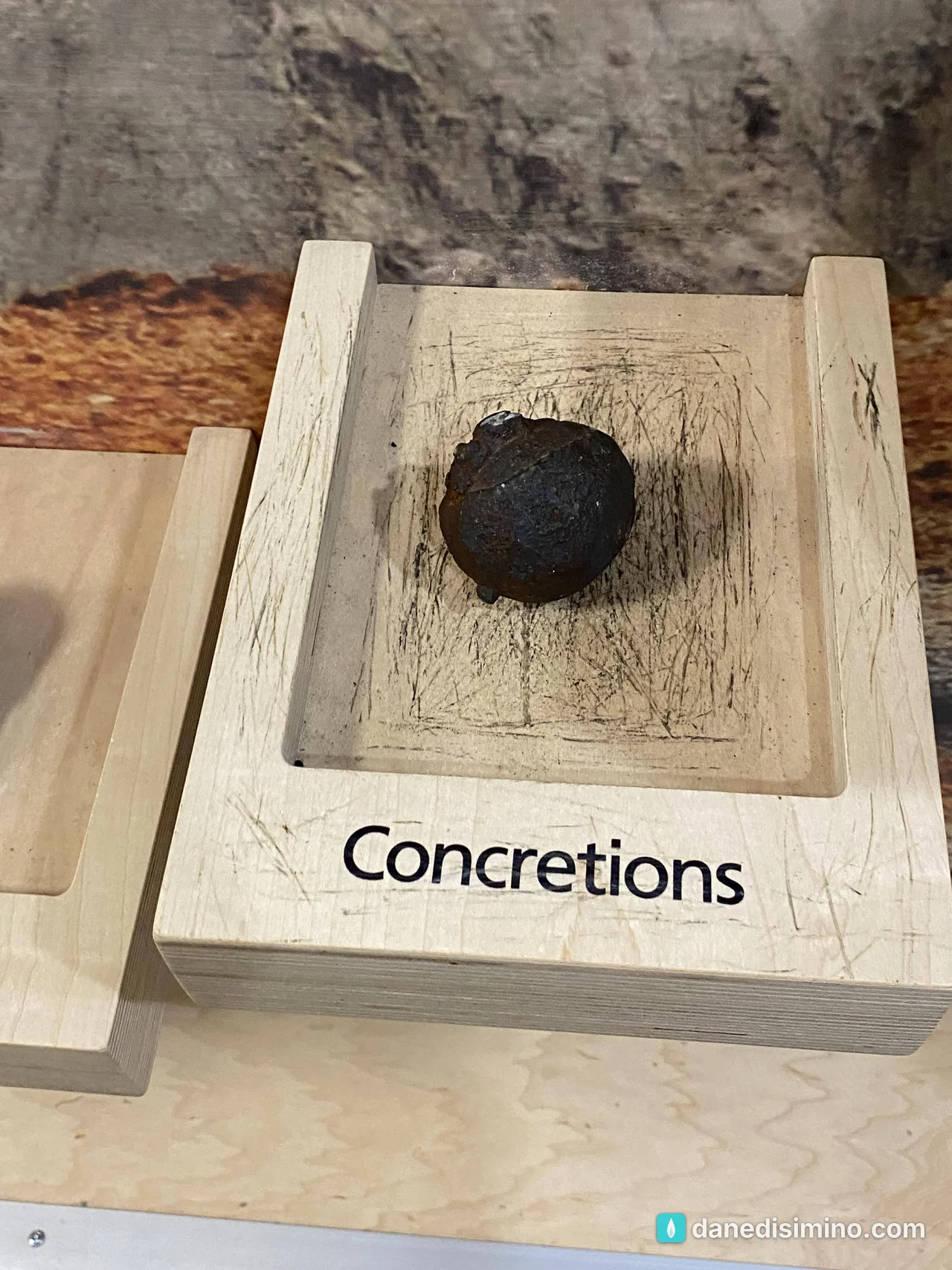
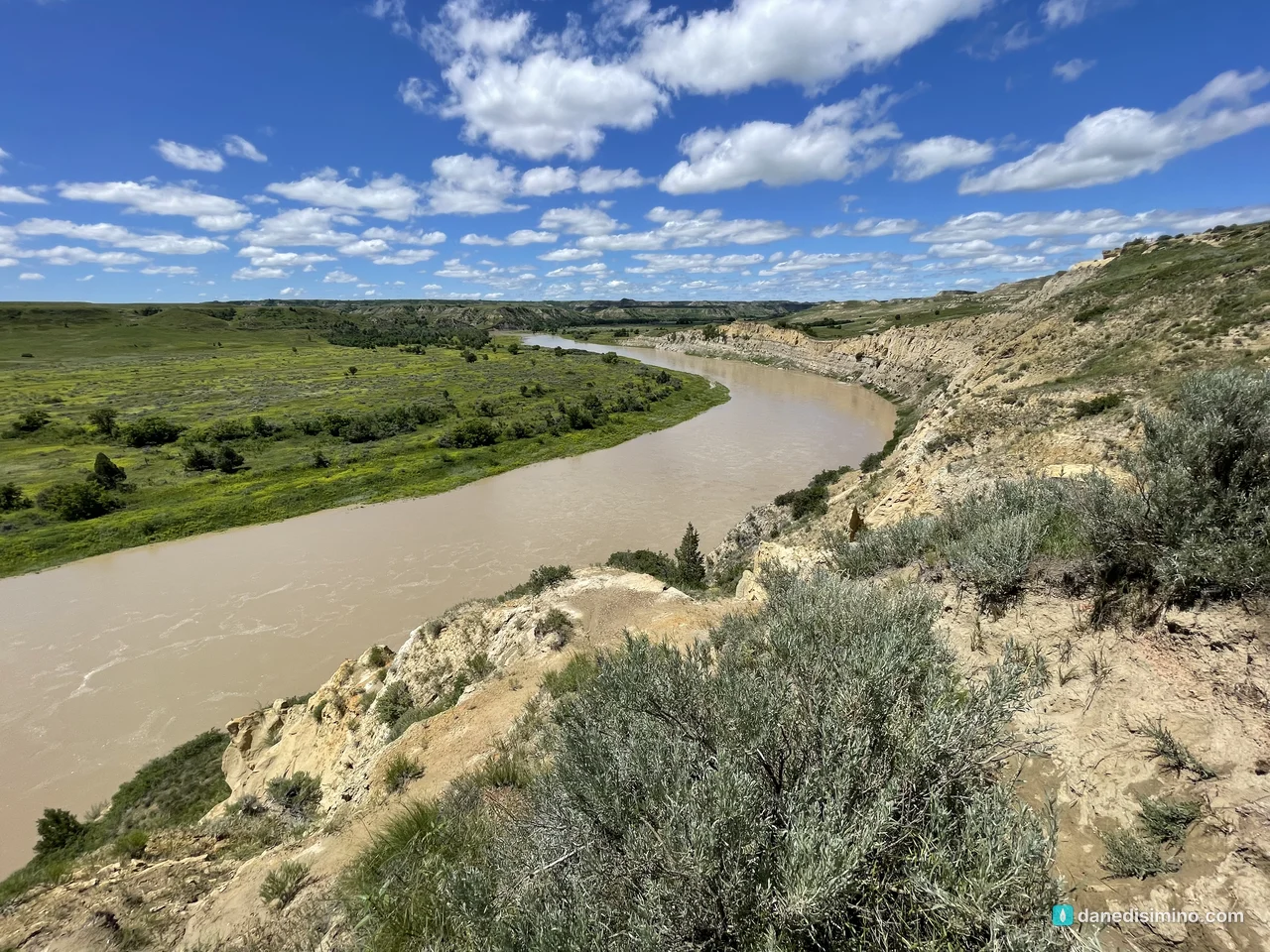
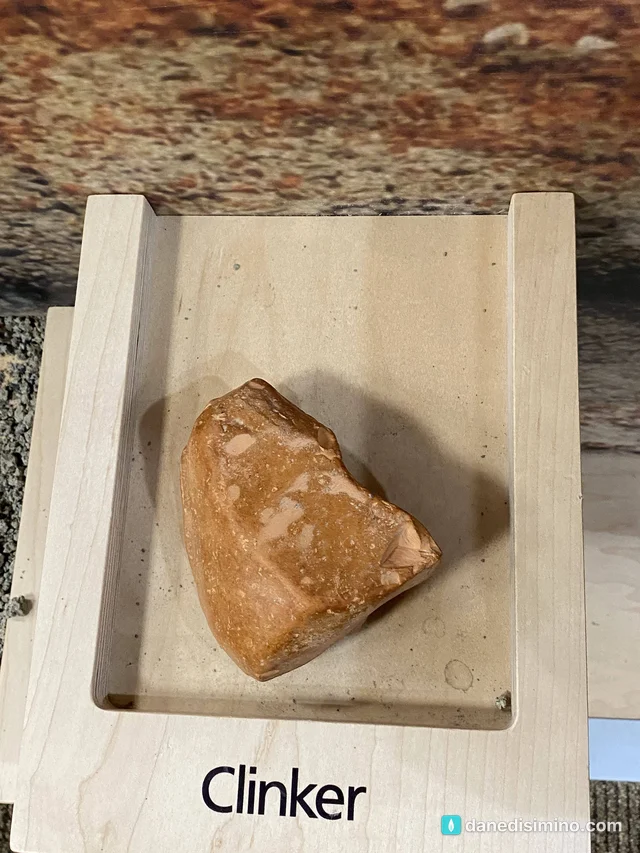
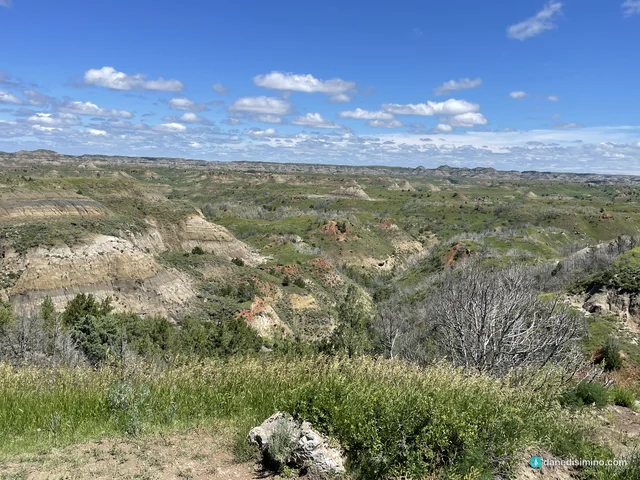
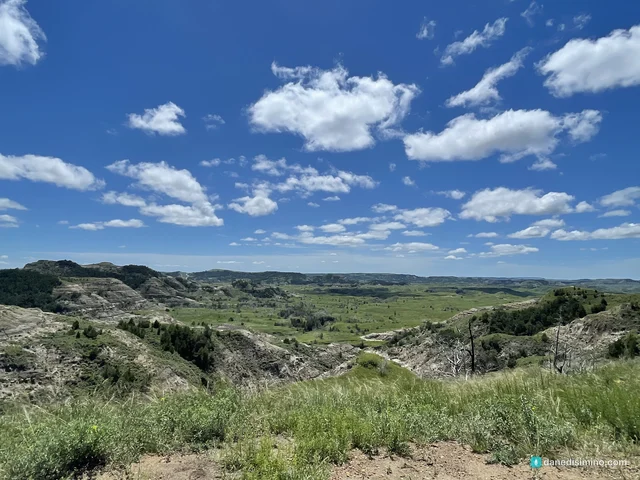
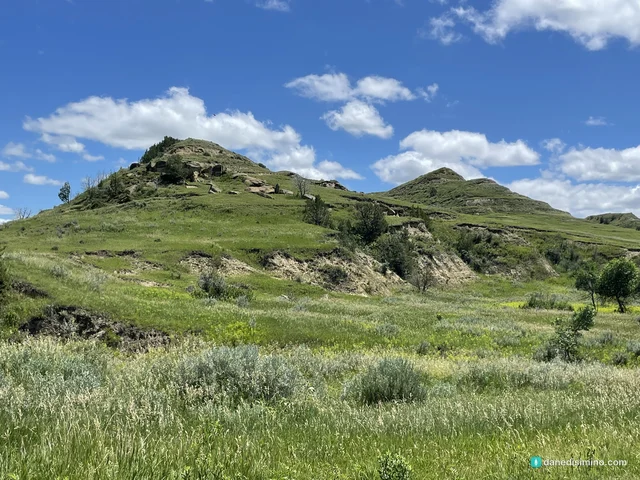
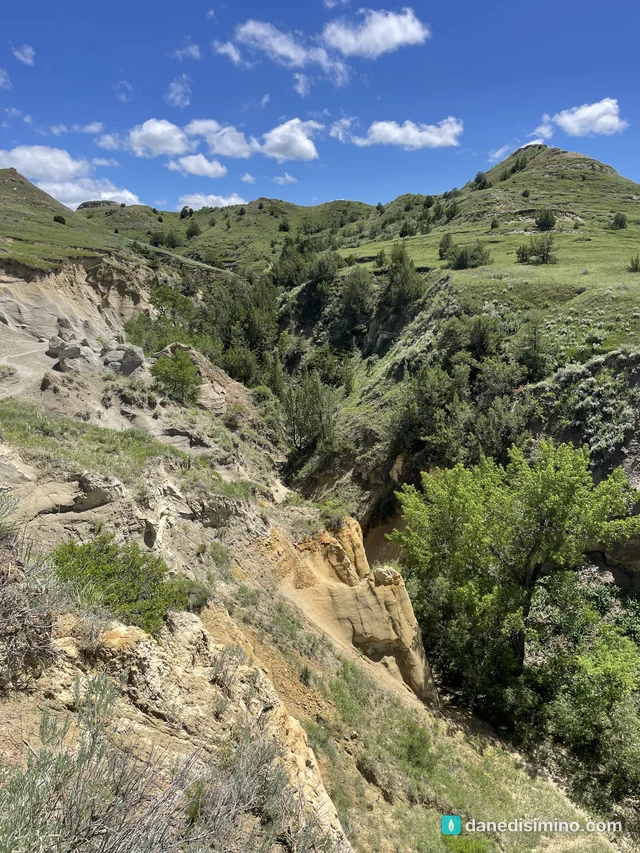
Since then, the Little Missouri River and its streams have been cutting down through those layers, exposing about 620 feet of them. That's why the hills are striped. Where a lignite seam caught fire underground, it baked the clay above into hard red rock called clinker, which locals call scoria. Hard sandstone caps protect the soft clay below and leave pillars standing.
How the park began
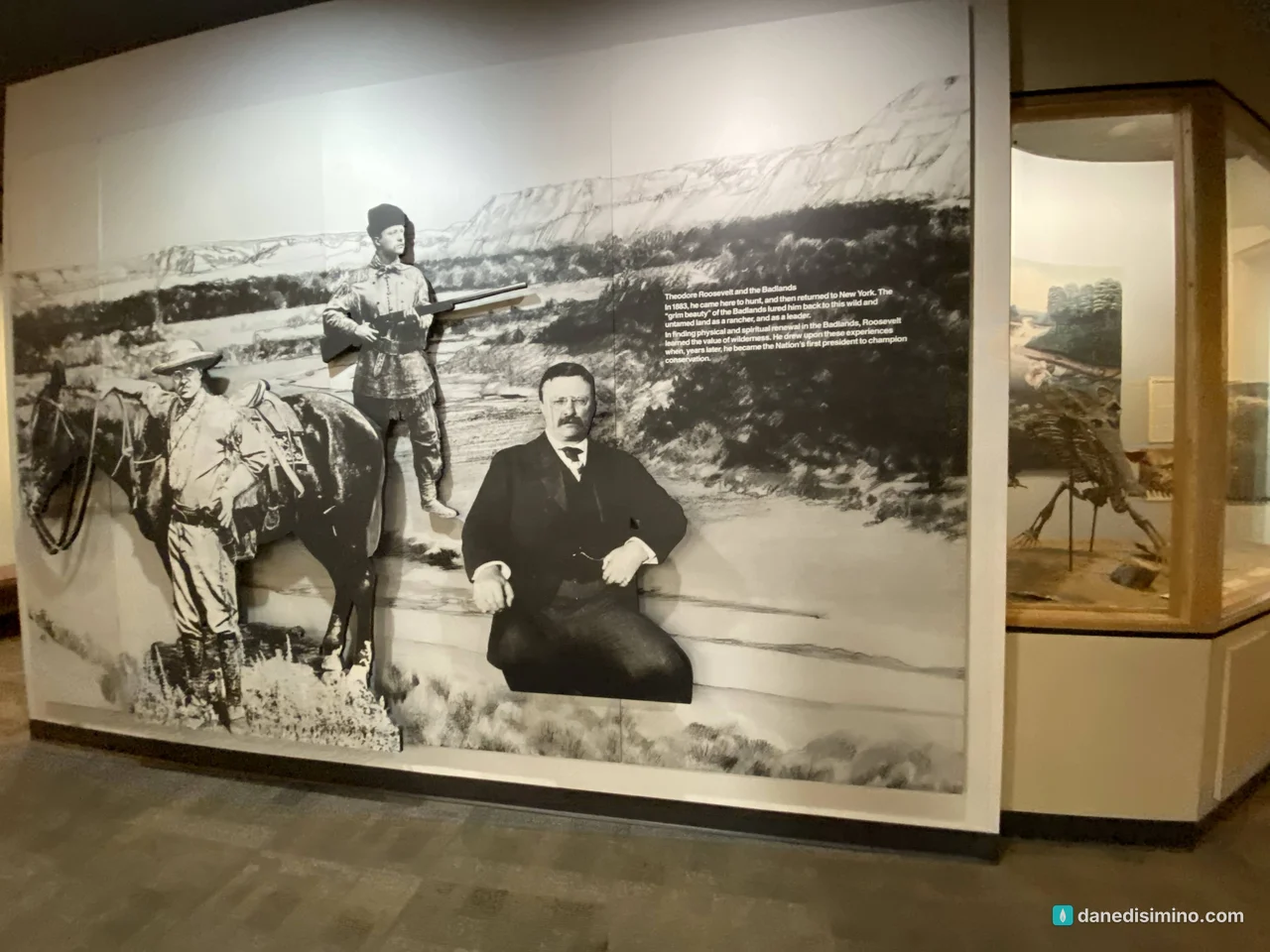
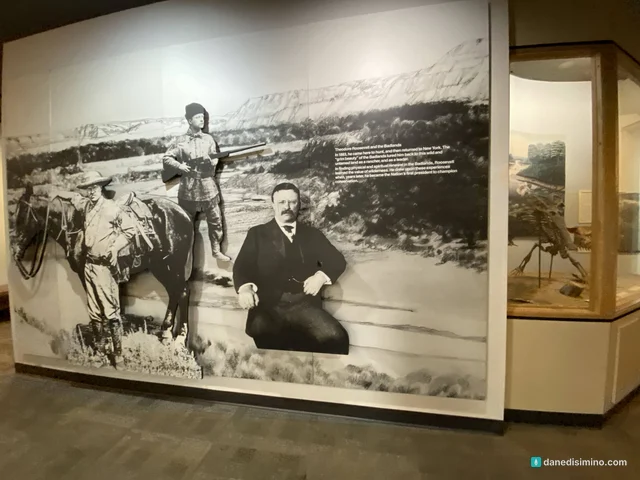
Roosevelt first came to the Dakota badlands in 1883 to hunt bison. He went home to New York, but the land kept pulling him back, as a rancher and as a man finding his footing. The visitor center puts it well: what he learned here about wild places shaped the president who later championed conservation.
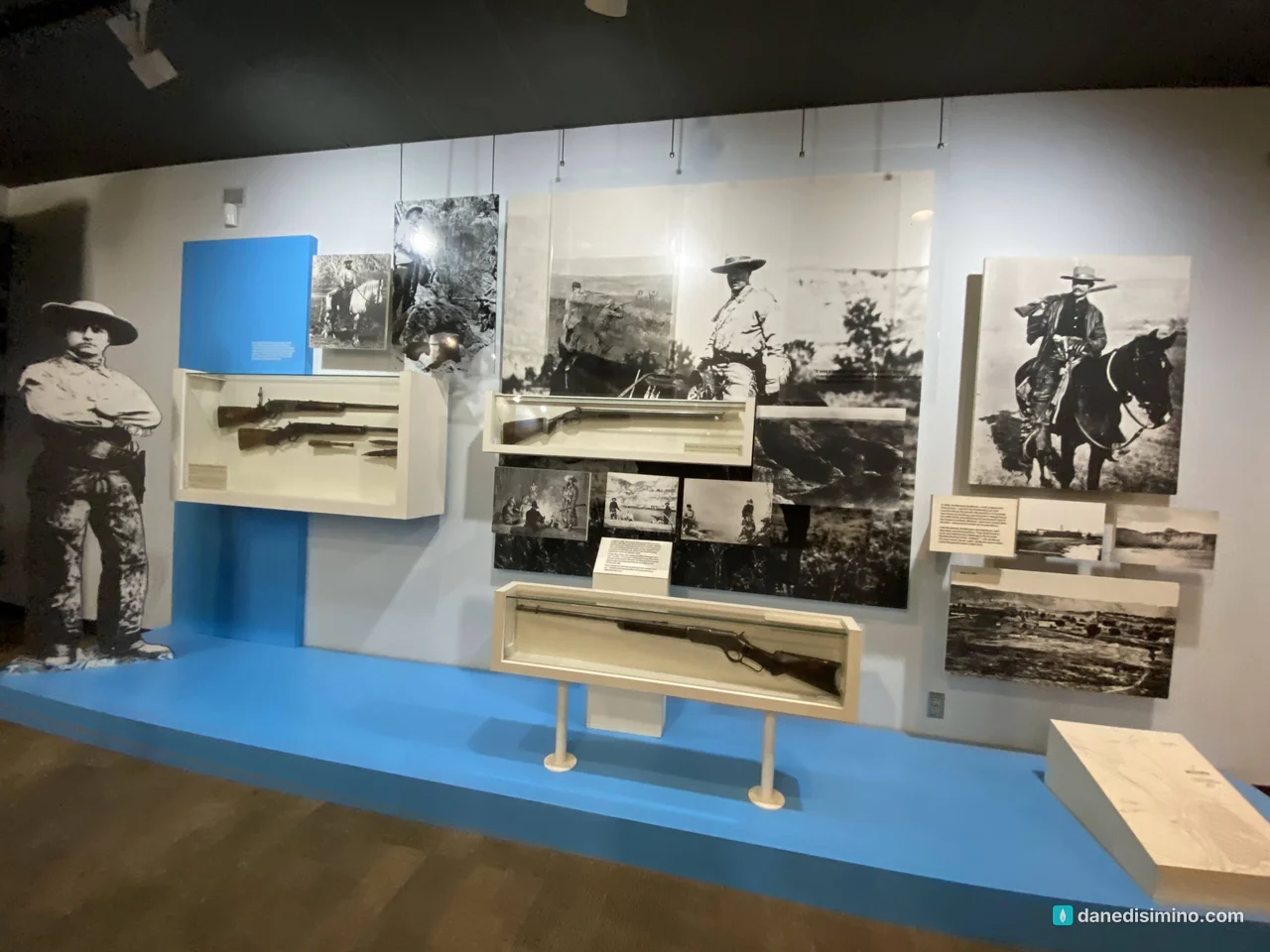
After his death in 1919, people began pushing for a memorial. President Truman signed the bill creating Theodore Roosevelt National Memorial Park on April 25, 1947. On November 10, 1978, it became Theodore Roosevelt National Park, and almost 30,000 acres were set aside as wilderness.
Our day in the South Unit
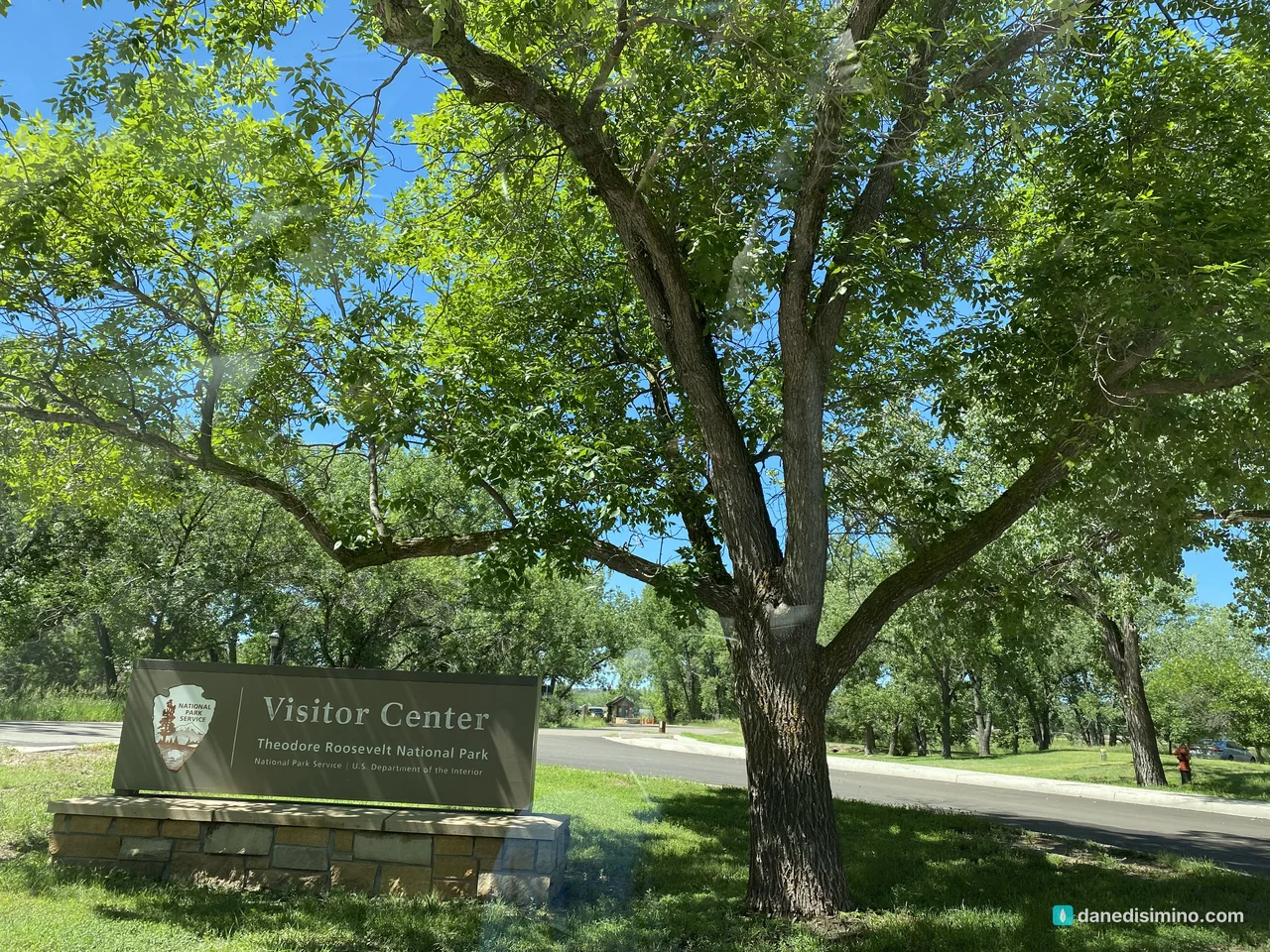
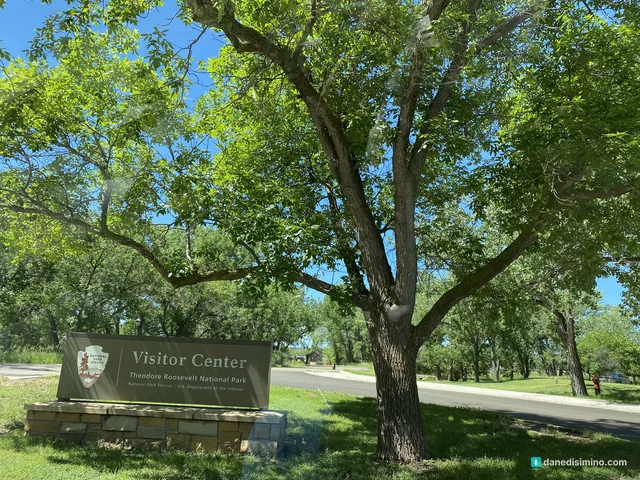
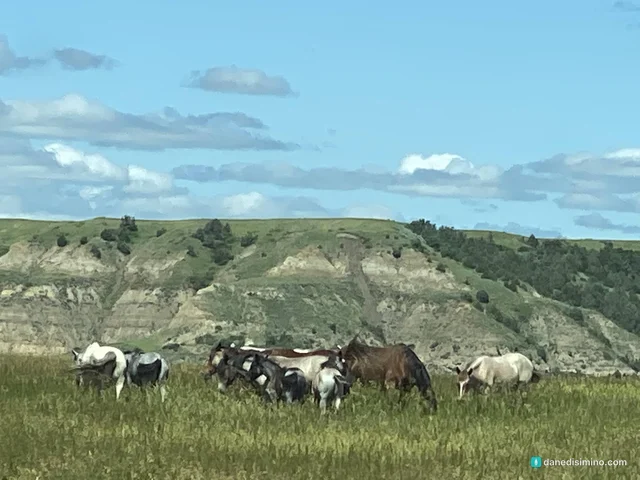
We pulled into Medora late morning and stopped at the visitor center sign under the cottonwoods. Within half an hour of starting the drive, we found a band of wild horses grazing below the bluffs. The horses live only in the South Unit. They descend from domestic stock, and the park keeps them as part of its history.
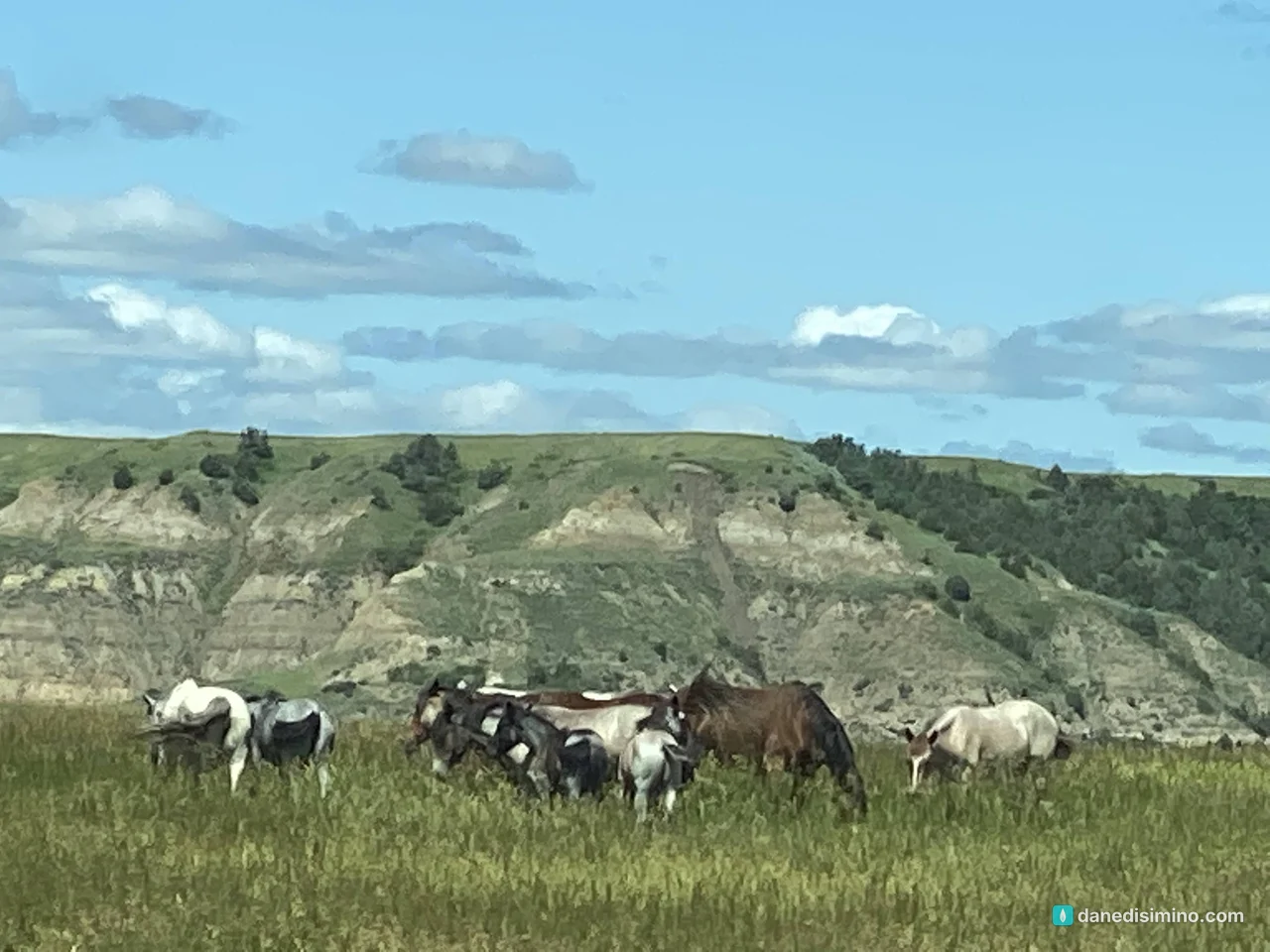
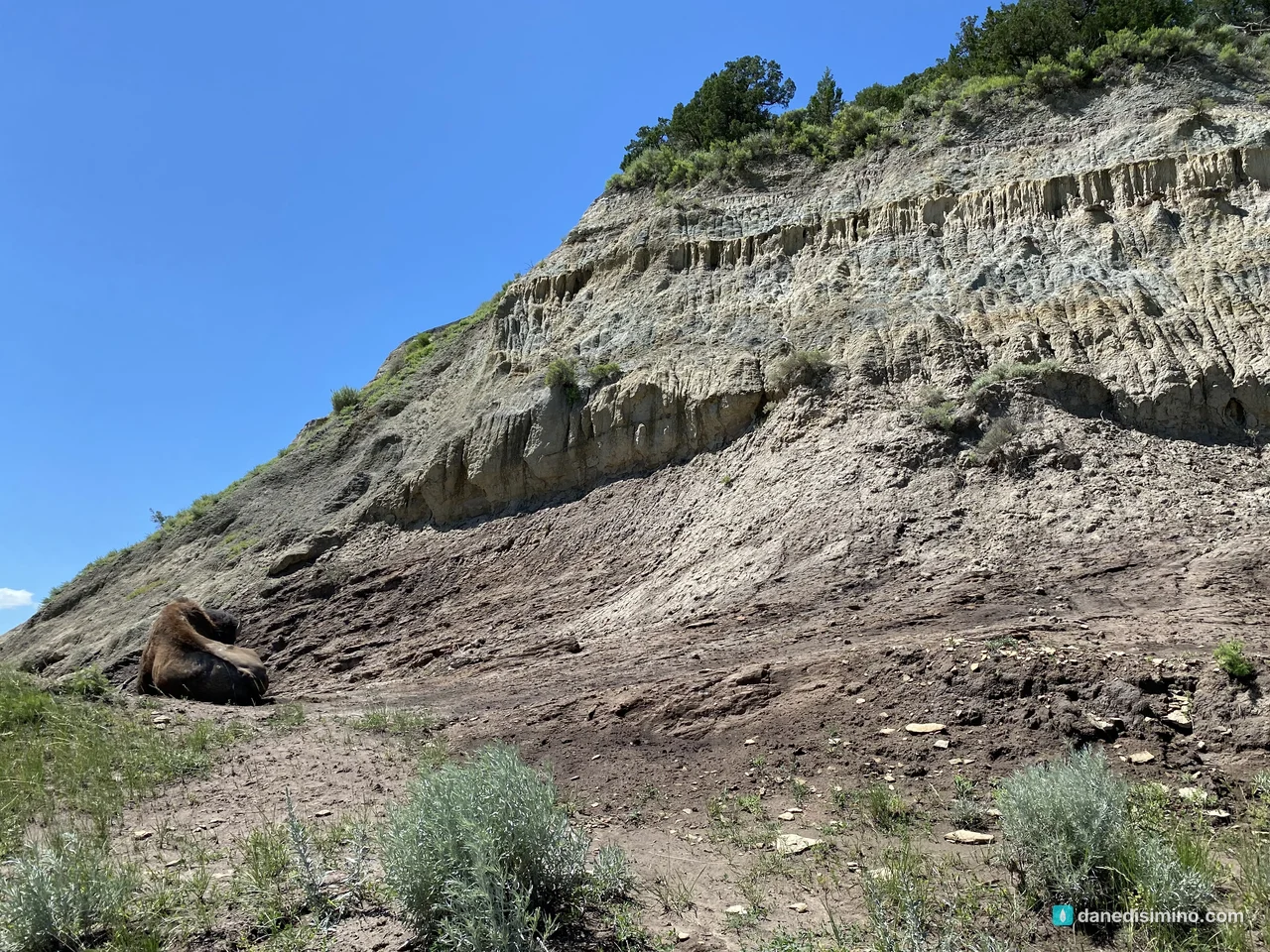
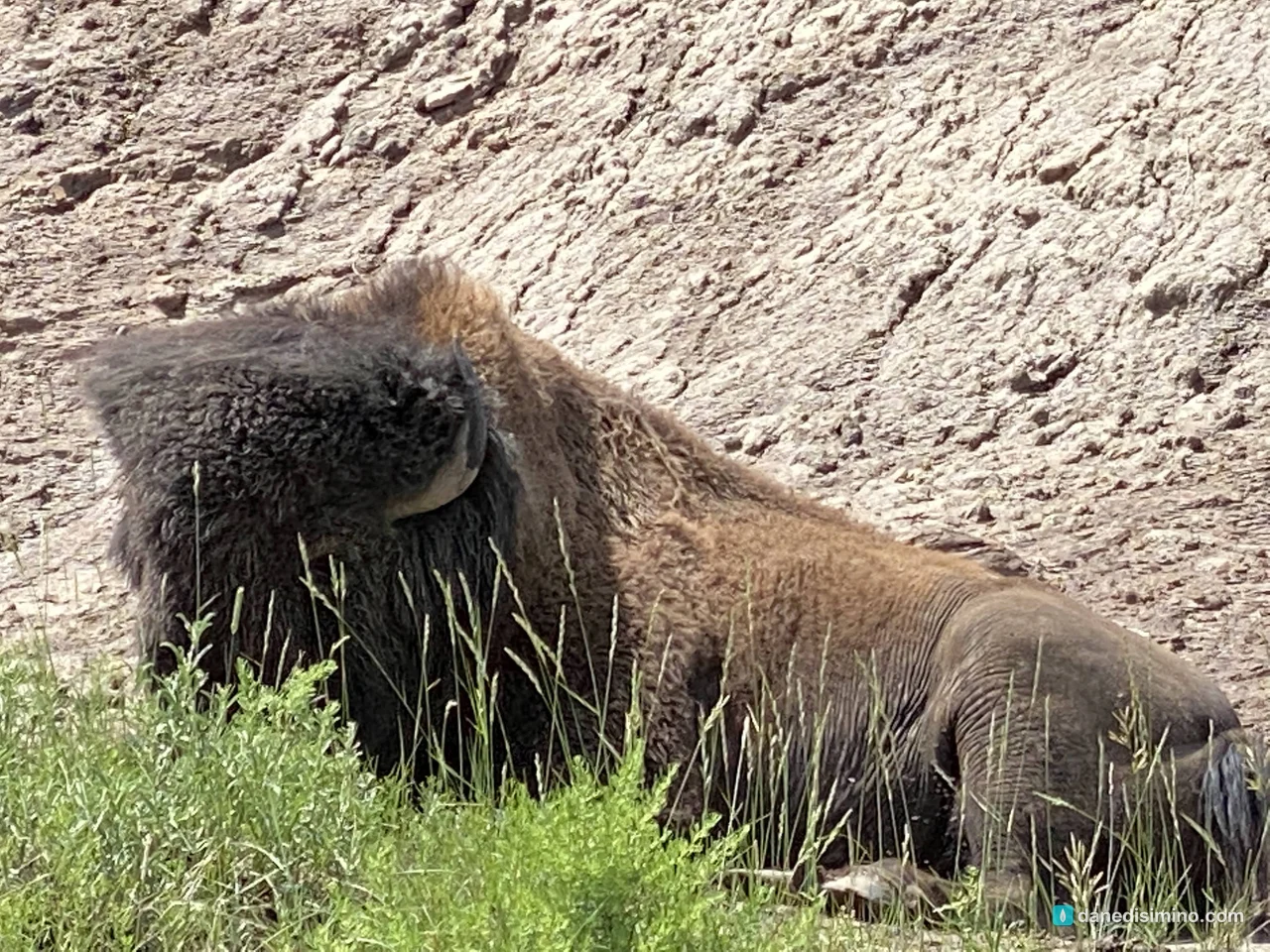
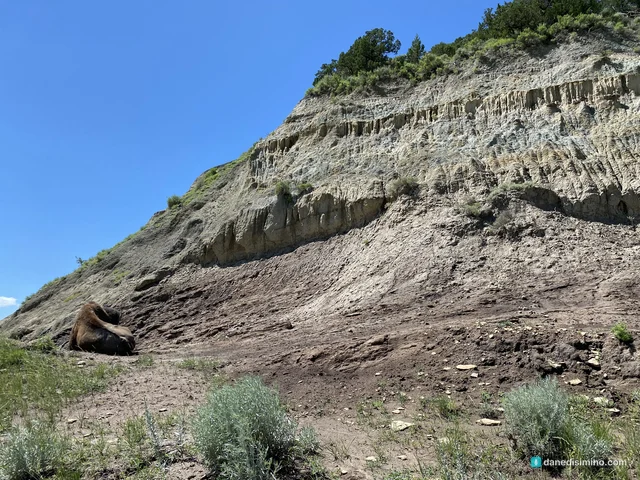
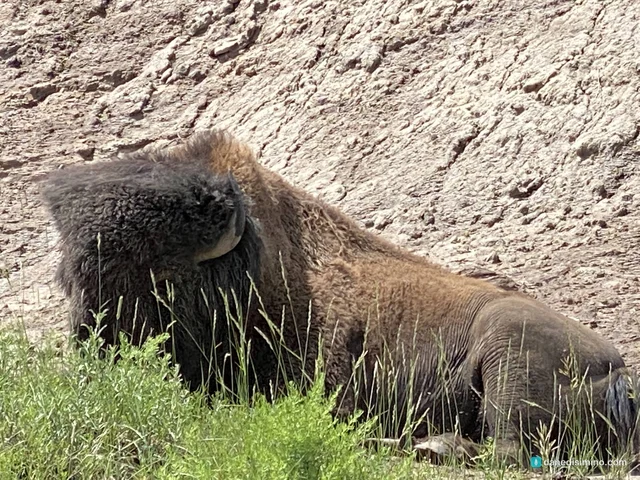
Then came the bison, one bedded down under a striped bluff and another resting close to the road. Everywhere we stopped there was something alive: prairie dogs, pronghorn, birds, even snakes. Pronghorn are the second-fastest land mammal in the world, behind the cheetah.
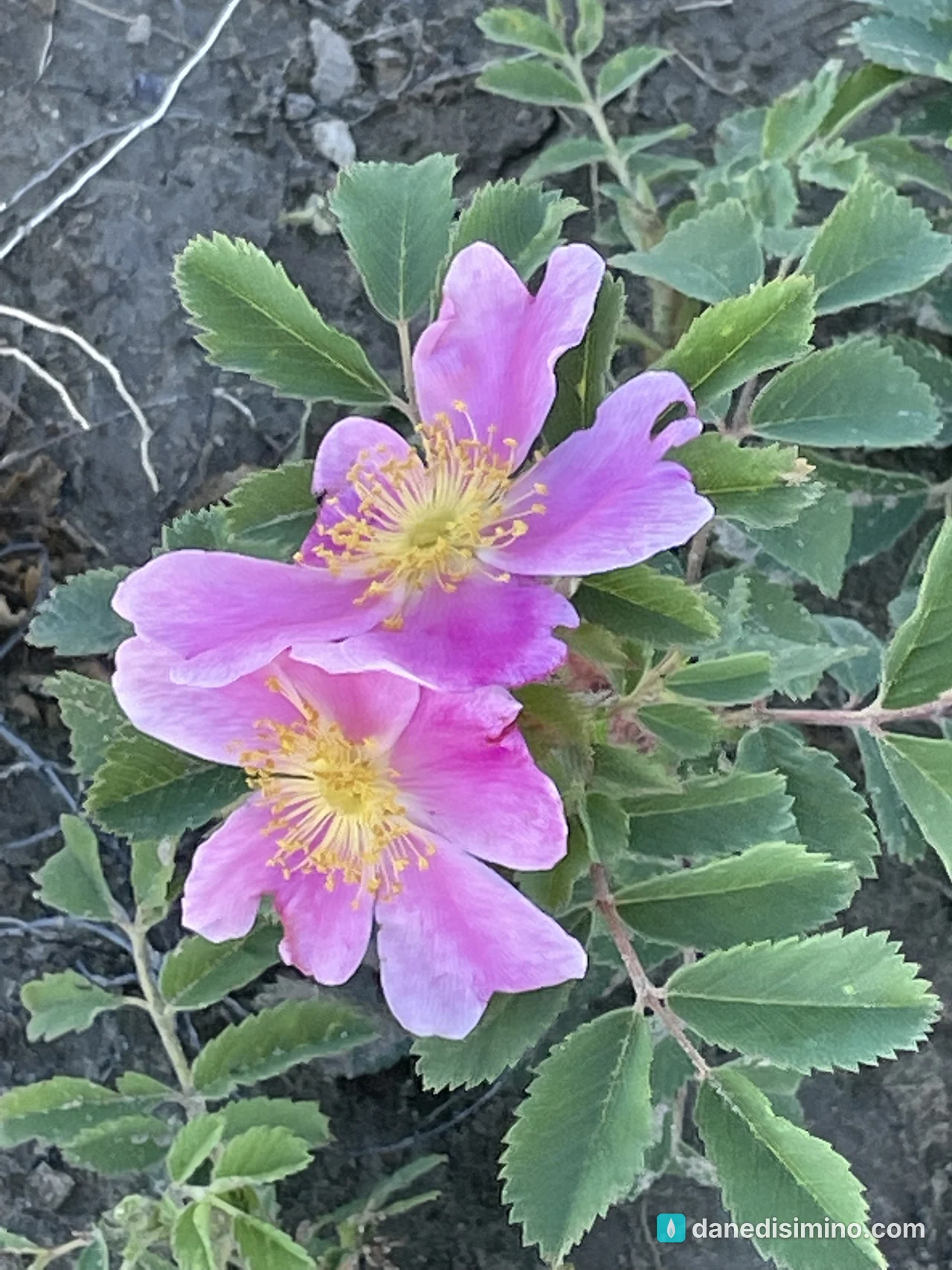
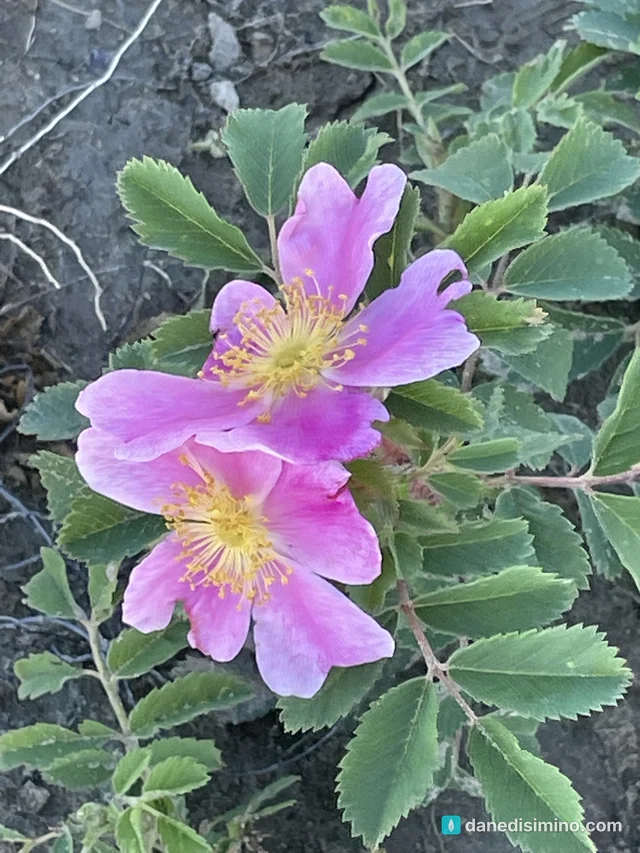
The wildflowers were out too. The pink wild prairie rose is North Dakota's state flower, and it was blooming along the road.
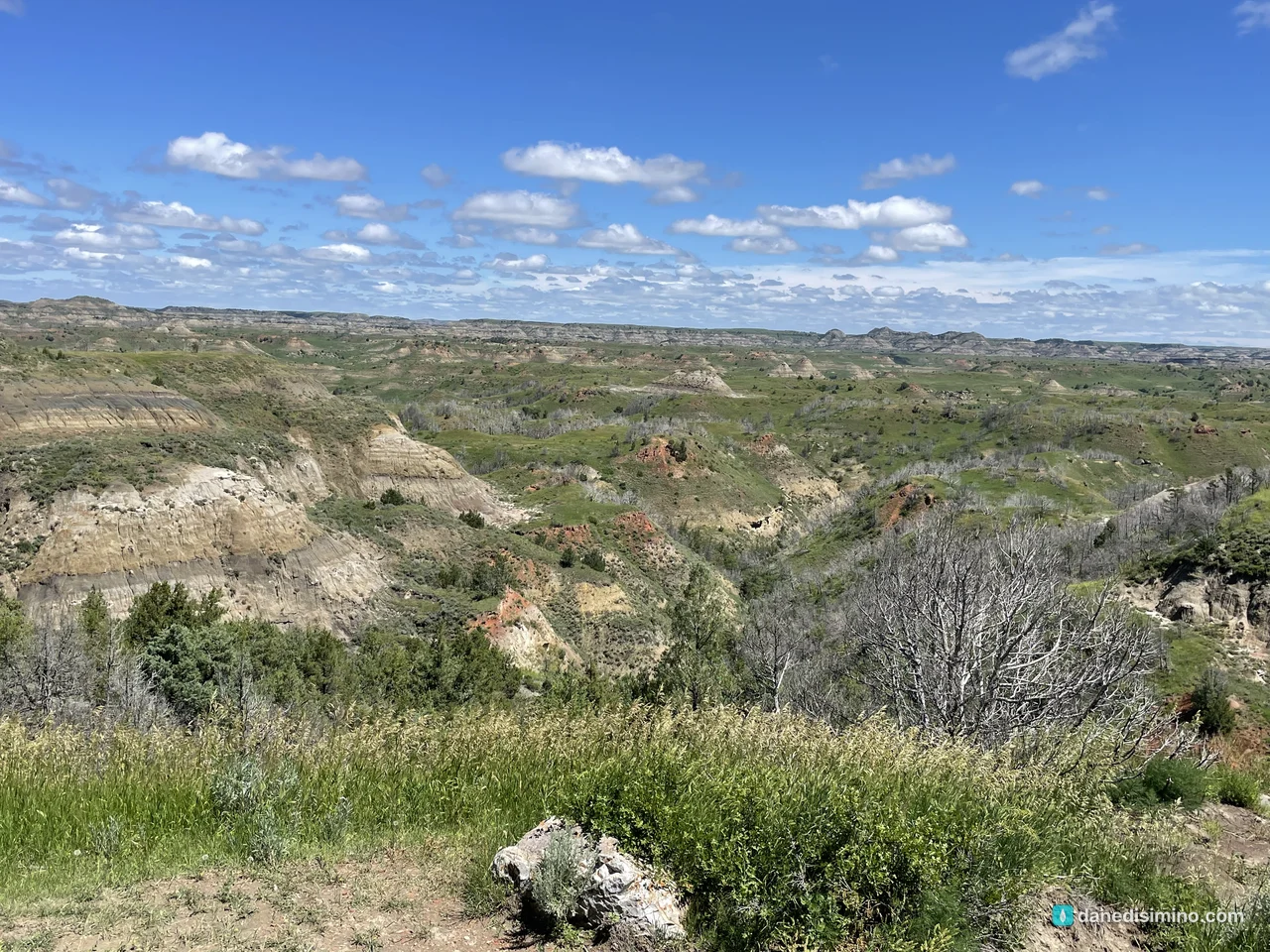
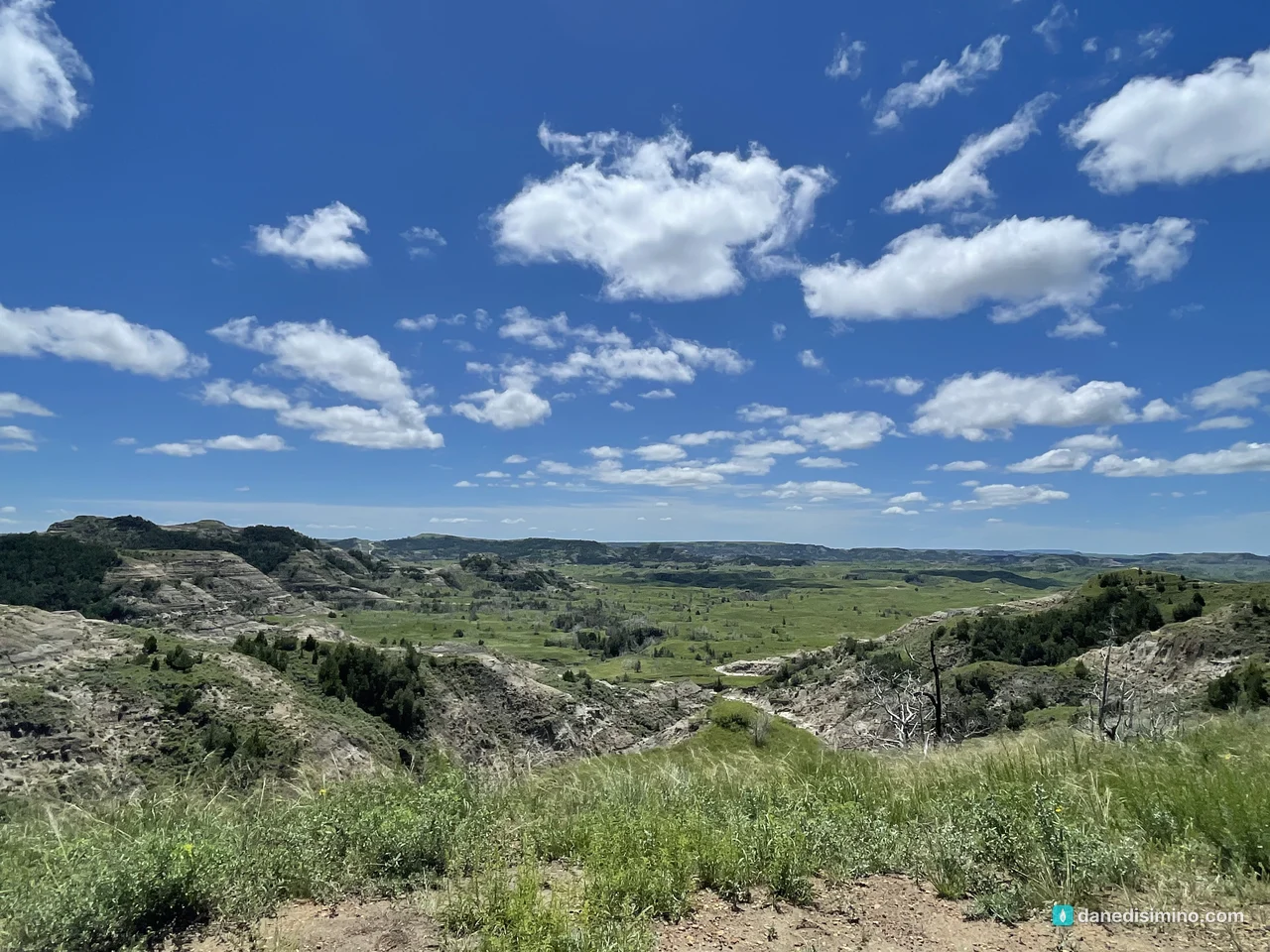
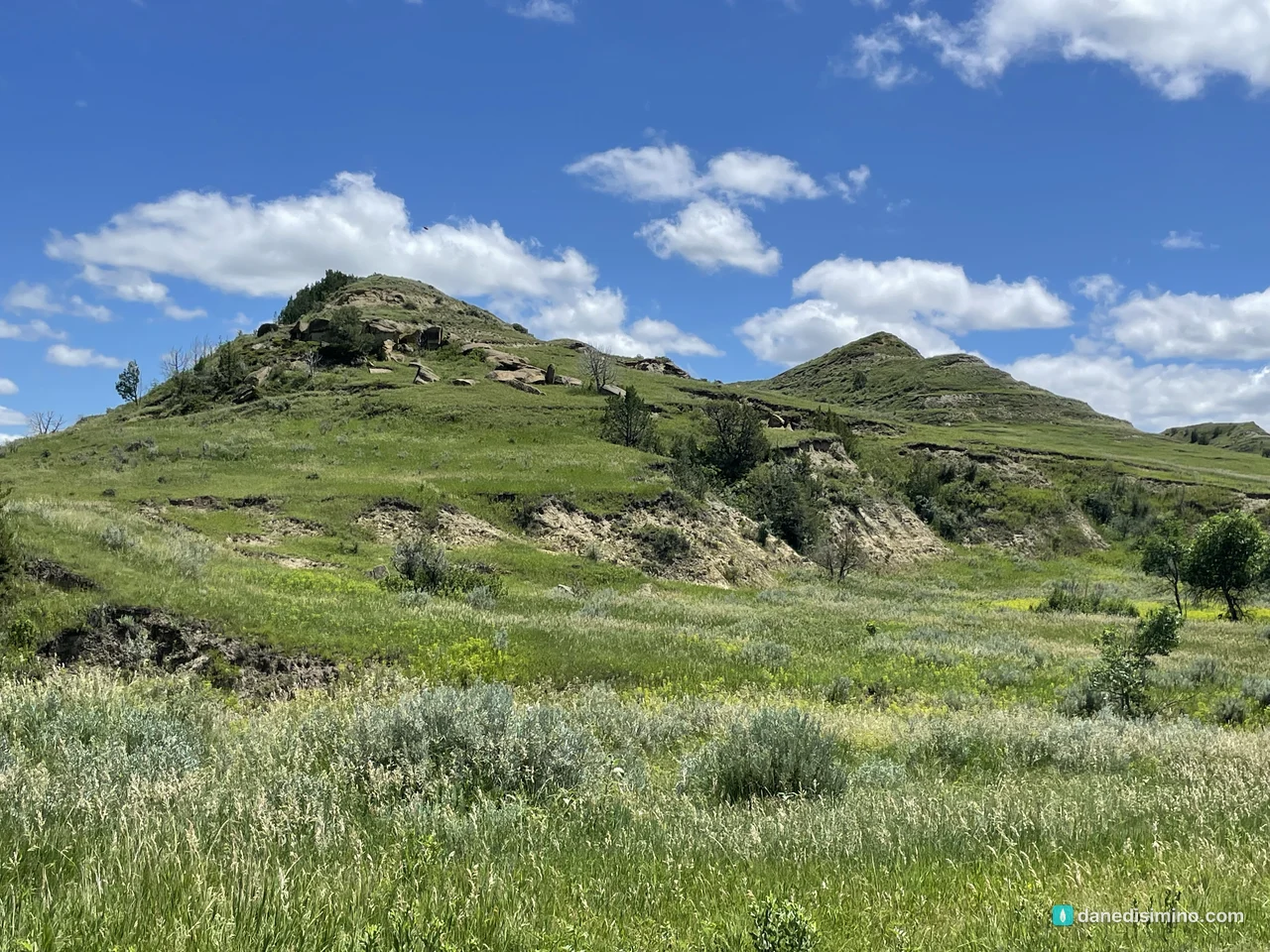
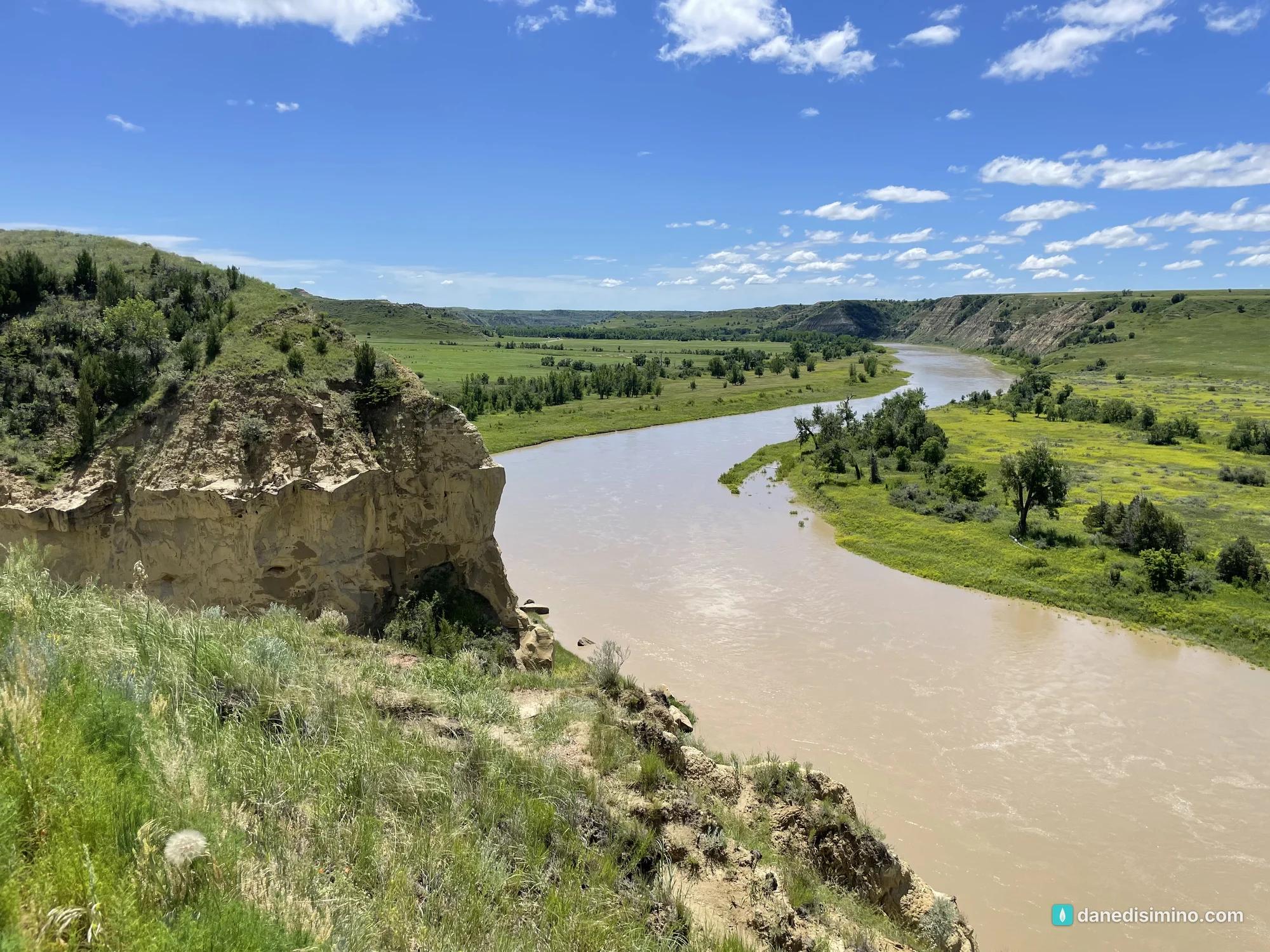
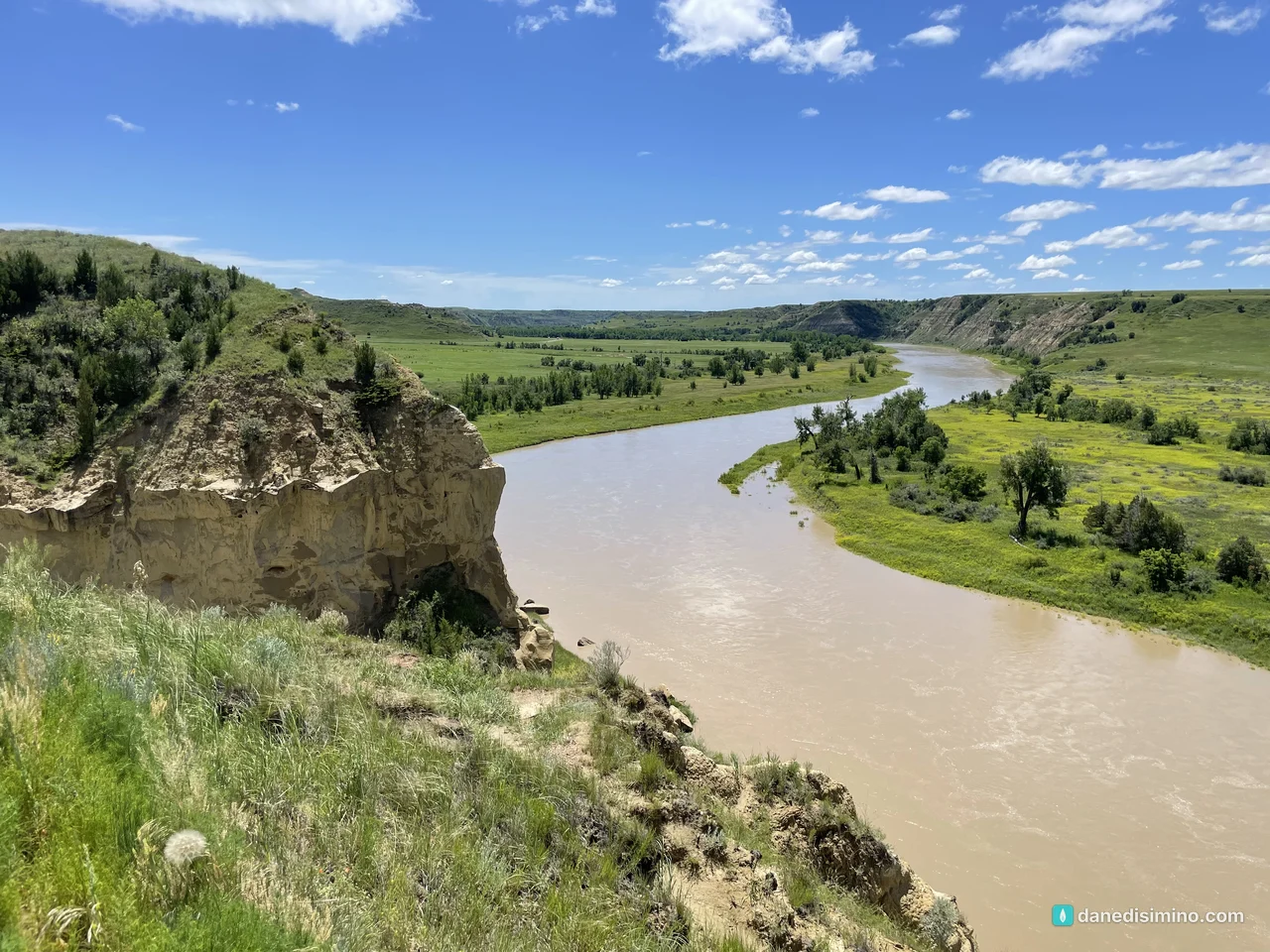
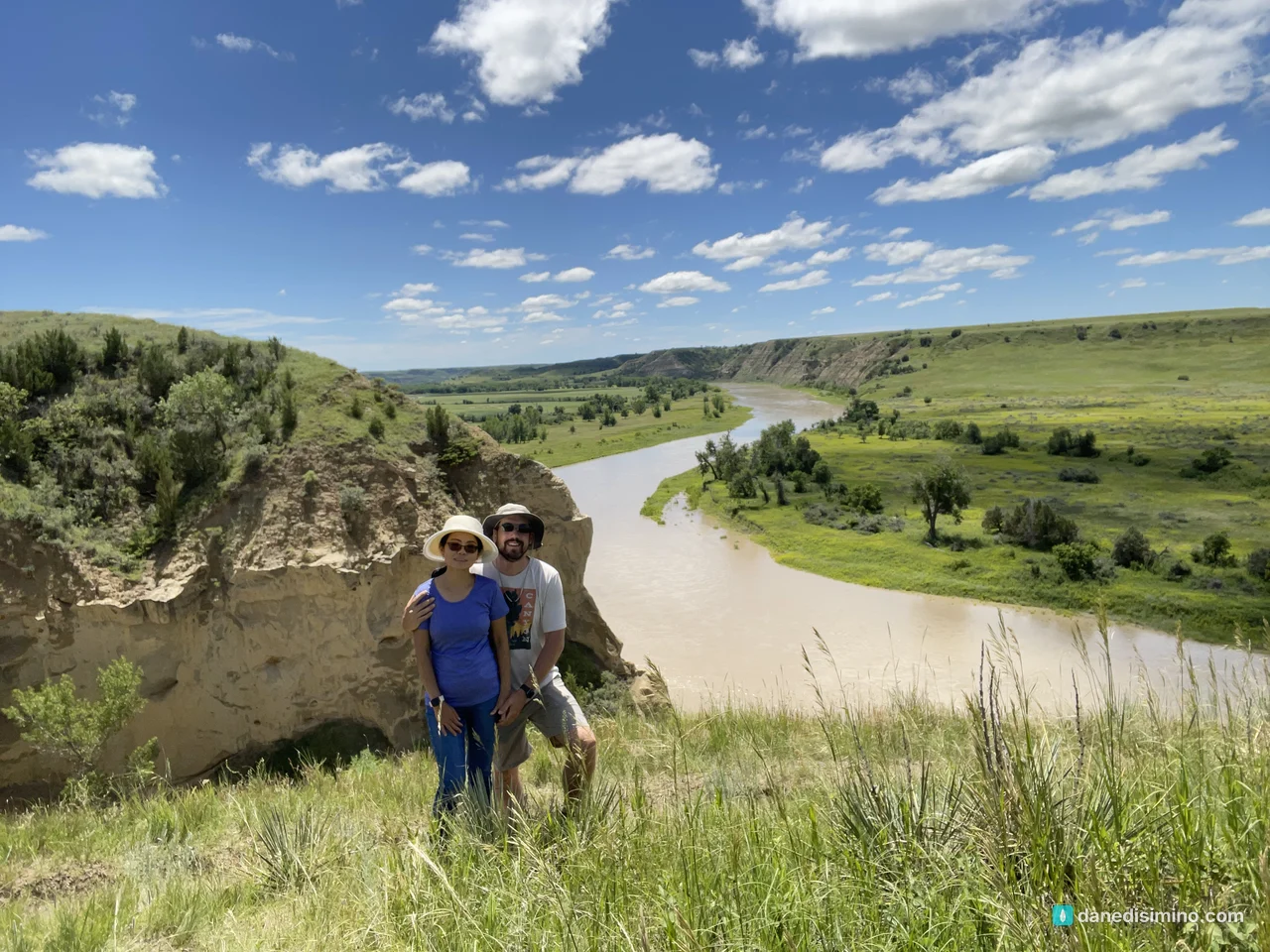
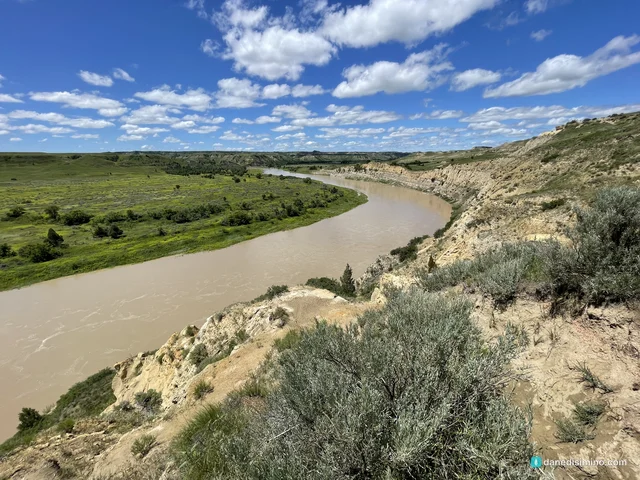
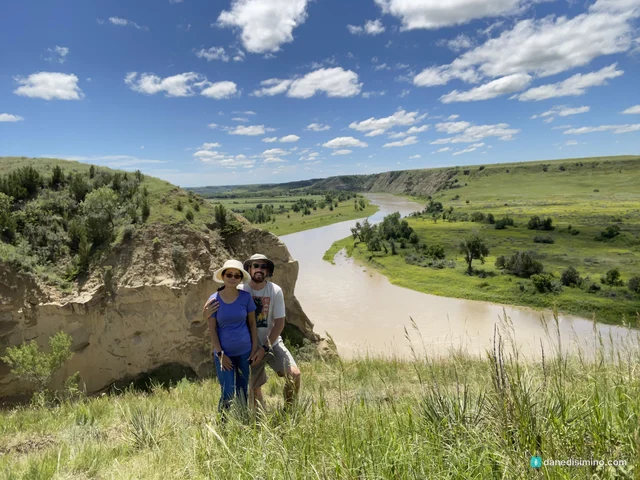
From a bluff above the river, the Little Missouri curved through the valley below us. It was running high and murky, and it was still beautiful.
A great visitor center
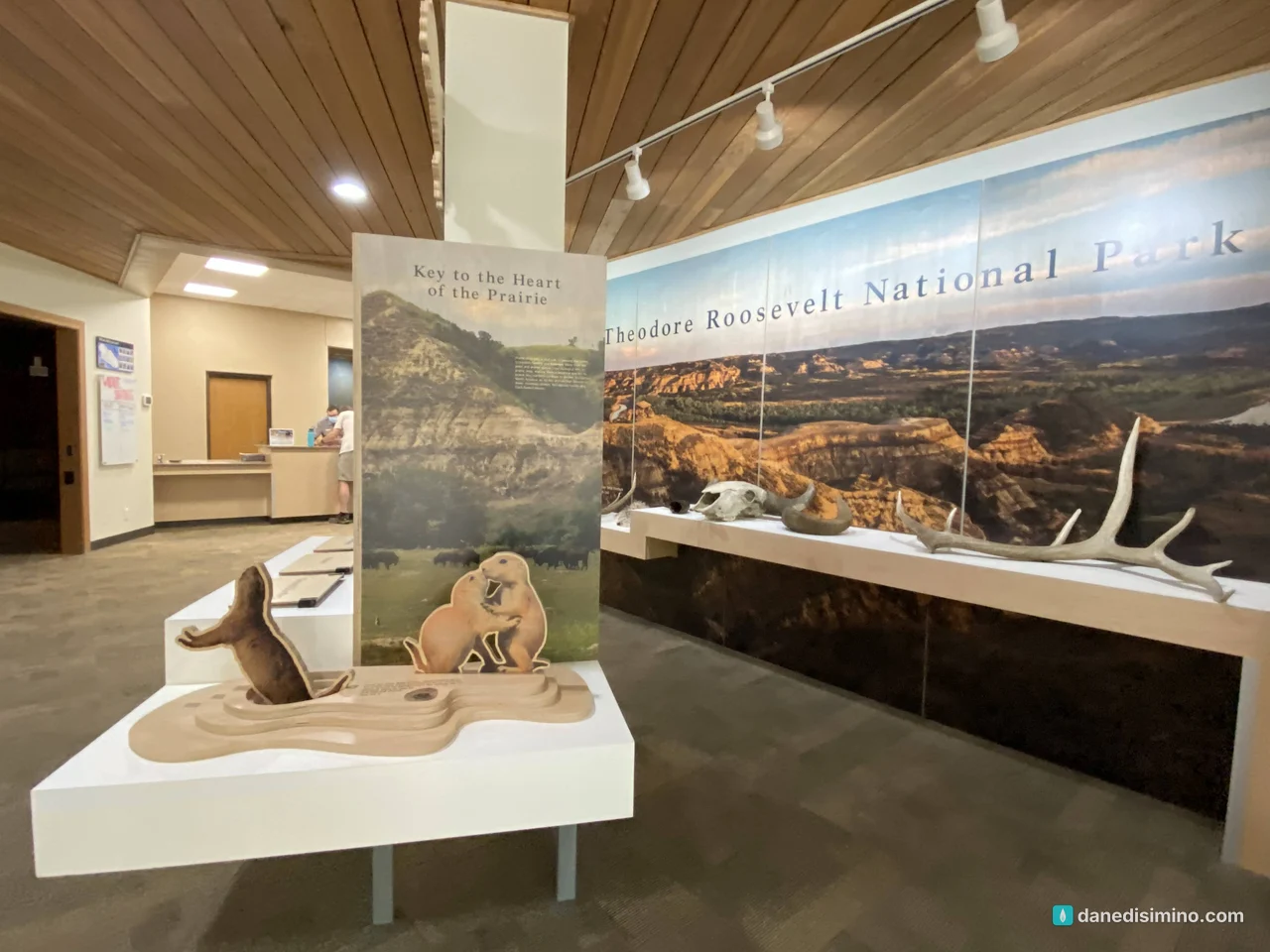
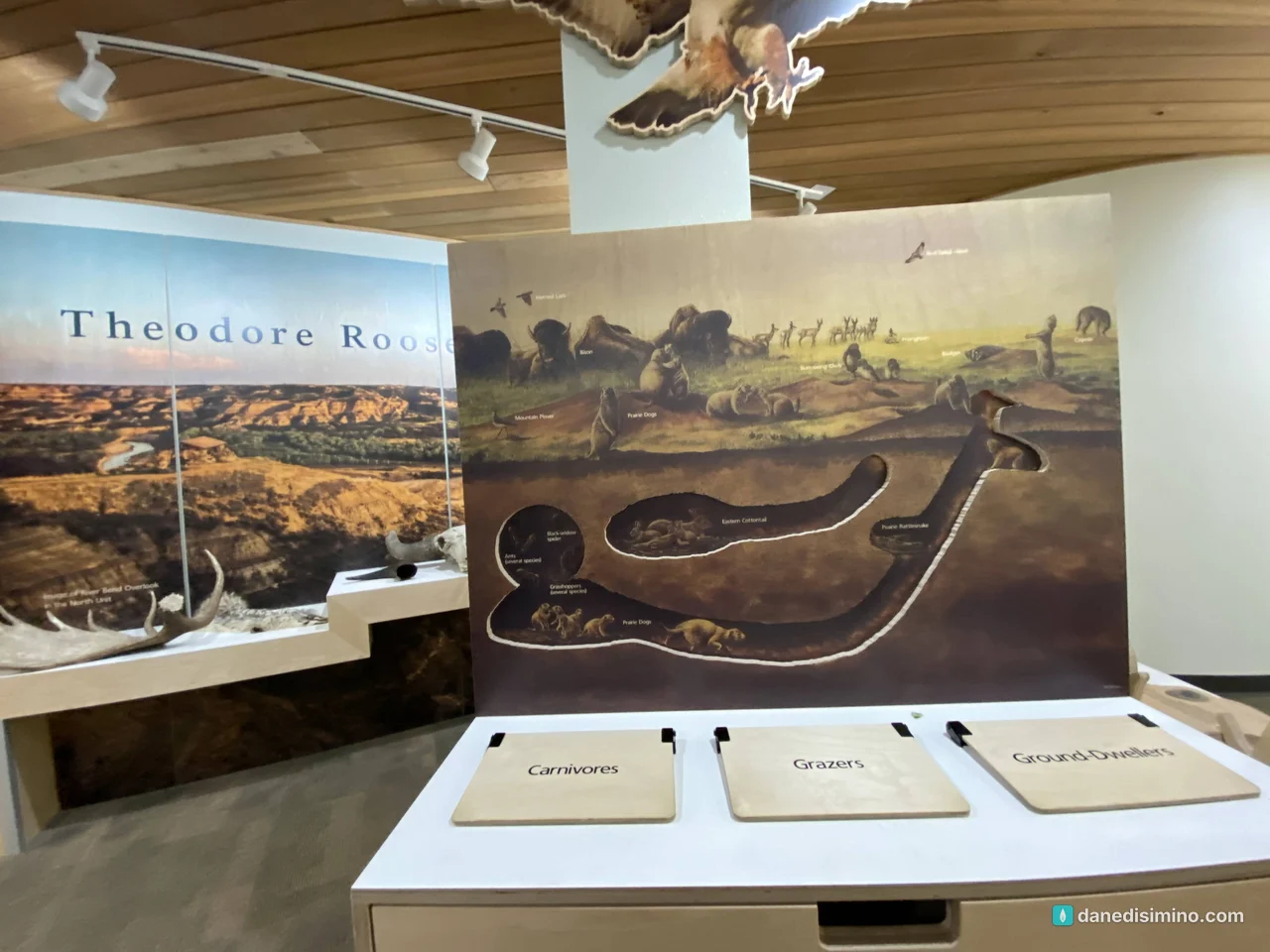
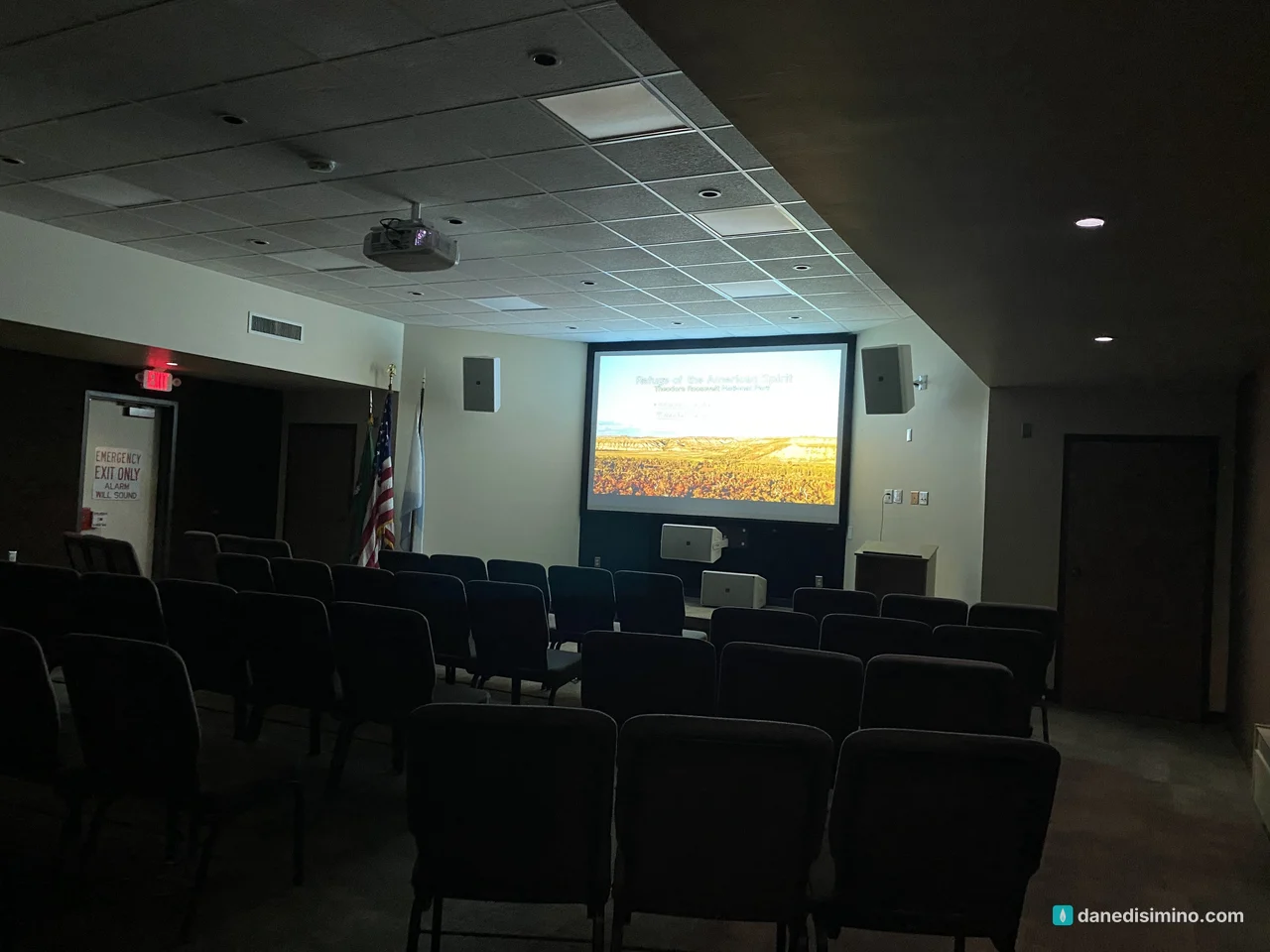
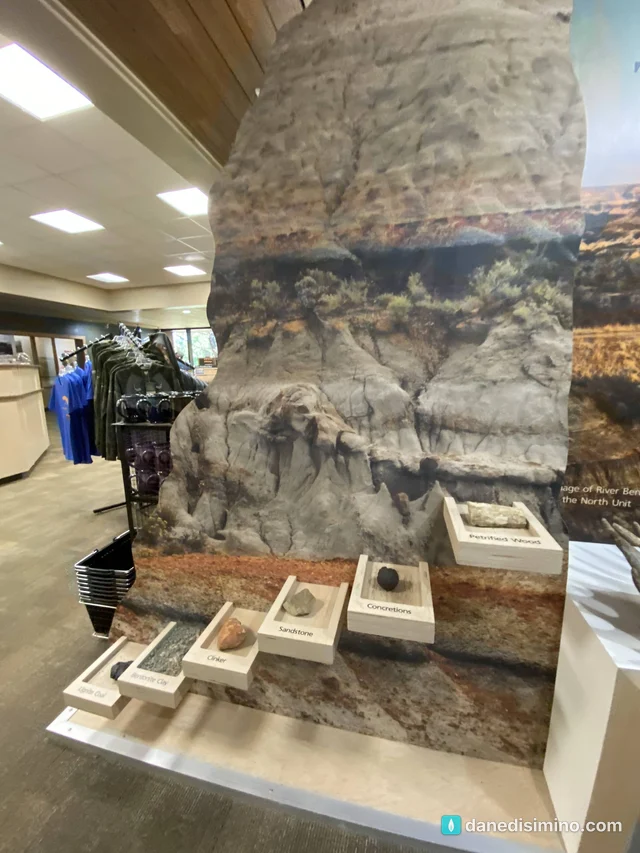
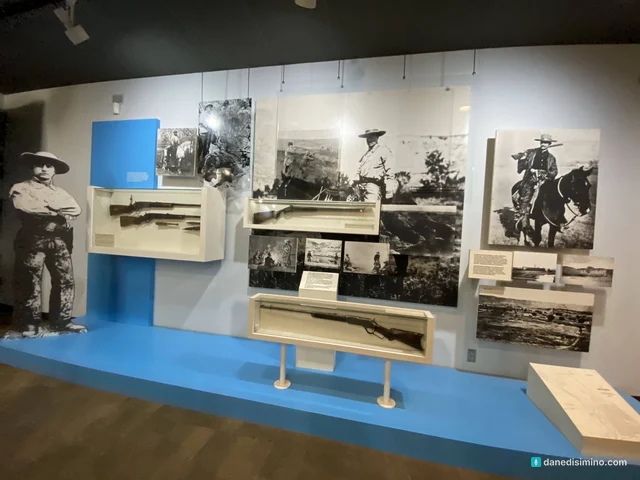
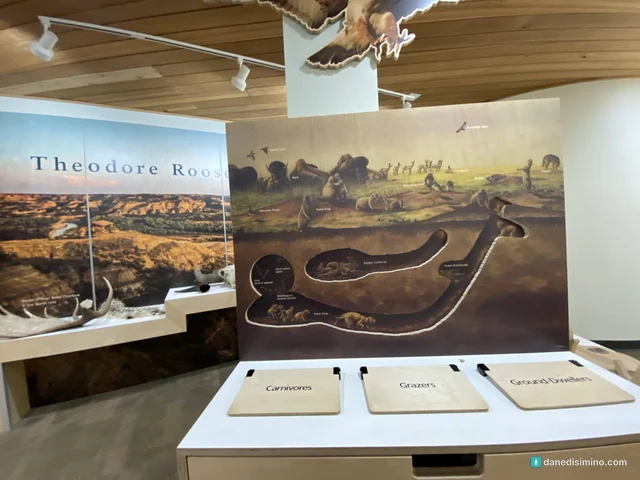
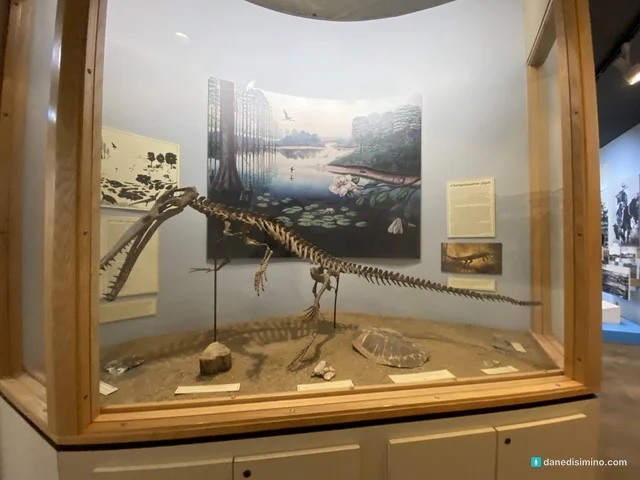
We finished the day back at the South Unit Visitor Center, and I'd recommend starting there instead. The exhibits cover the badlands' layers, the fossils found here, the animals and Roosevelt's ranching years. We watched the park film in the theater, and Roosevelt's Maltese Cross Cabin sits just outside.
Where we stayed
We did Theodore Roosevelt as a long day trip from the Hot Springs KOA in South Dakota, about five hours each way. I wouldn't do that again. Inside the park, Cottonwood Campground in the South Unit is the closest place to sleep, and the town of Medora sits right at the entrance.
What I'd do differently
Stay the night. Camp at Cottonwood or stay in Medora so you can catch sunset and early morning wildlife.
See the North Unit too. It's quieter, and its River Bend Overlook is one of the park's classic views.
Leave room for the weather. The storm on the drive up cost us time we'd rather have spent in the park.
What Theodore Roosevelt taught me
Roosevelt came to these badlands worn down, and the land gave him back his strength. I could feel why. There's a kind of renewal out there, in the open sky, the river and the animals going about their lives.
"But those who trust in the LORD will find new strength. They will soar high on wings like eagles. They will run and not grow weary. They will walk and not faint." (Isaiah 40:31, NLT)
The land can refresh us. Real strength comes from the Lord.
Questions?
Ask me anything about Theodore Roosevelt National Park: where to start, where to find the horses and bison, or how to fit it into a Dakotas trip. I answer every question.
Photos
Sources
- Theodore Roosevelt National Park (NPS)
- Park statistics (NPS)
- Park history (NPS)
- Fees and passes (NPS)
- Cars and private vehicles (NPS)
- Hiking and trail information (NPS)
- Wildlife viewing (NPS)
- Pronghorn (NPS)
- Geologic formations (NPS)
- Geology of the South Unit (North Dakota Geological Survey, via NPS)
- South Unit Visitor Center (Recreation.gov)
- North Dakota state flower (ND Studies)
Pathlight
Park guides from the road. A printable trip sheet comes with them when one is ready.