
NATIONAL PARKS
Everglades
A Field Guide
On this page
One November day in the Everglades, the surprise winner of our Florida trip: anhingas and egrets at Royal Palm, a hammock trail, a boat ride past a wild crocodile, manatees at the dock, and sunset over the water. Plus the alligator farm where we held a baby gator, and how much time to really give South Florida's three parks.
Version 1.1 · Updated Nov 17, 2026
Map
When to go
Average monthly visits, 2023–2025. Source: NPS visitor statistics. ● marks the months we visited.
| January | 83,336 |
|---|---|
| February | 89,169 |
| March | 98,954 |
| April | 72,277 |
| May | 52,699 |
| June | 54,823 |
| July | 65,096 |
| August | 54,509 |
| September | 38,113 |
| October | 32,150 |
| November | 59,049 |
| December | 76,614 |
Of the three Florida parks we visited, I expected the Everglades to be the weakest. It turned out to be the best.
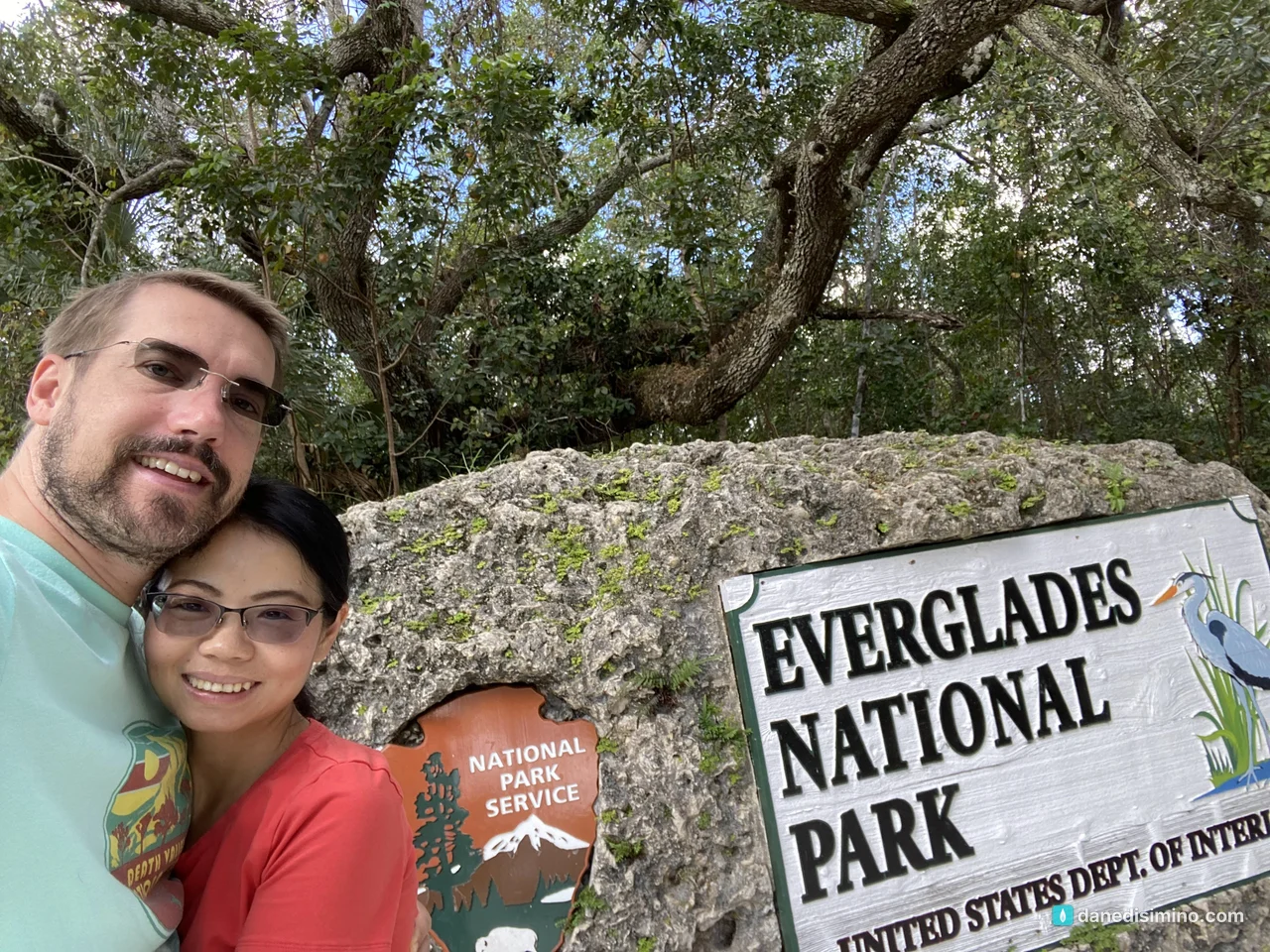
It didn't have the snorkeling or the beaches of Biscayne and Dry Tortugas. What it had was wildlife: so many animals and so many different species. It felt wild, like a real national park, with alligators and crocodiles around and a little sense of danger. And it was a day of firsts. "Look, that's the first time we've ever seen a crocodile." "That's our first manatee." Over and over.
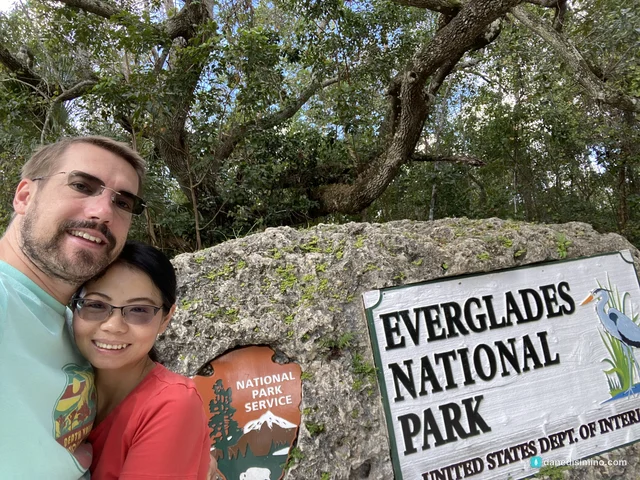
We went on November 6, 2022, the last stop on our three-park Florida trip.
It felt wild. Every few minutes was another first.
The short version
Look for wildlife. Birds, alligators, crocodiles, manatees. This is the reason to come.
Walk the Anhinga Trail. A short, paved trail and boardwalk at Royal Palm with some of the best close-up wildlife viewing in the park.
Take a boat tour from Flamingo. It goes into mangrove country you can't reach on foot.
Stay for sunset. The light over the water at the end of the day is beautiful.
Give it two days. We had one, and it deserves more.
The park at a glance
- 1.5 million
- Acres of wetland, forest and sea
- 1947
- First park created for its biodiversity
- 2 of 2
- U.S. crocodilians live here
- $35
- Per vehicle, good for 7 days
Where: the southern tip of Florida. The main entrance is near Homestead, about an hour from Miami. Flamingo is at the end of the road, about 38 miles in.
Entrance fee: $20 to $35 depending on how you enter. The park is cashless.
When: March is the busiest month and October the quietest. The dry season, December through March, is best for wildlife and has the fewest mosquitoes.
Bring: bug spray, water, sunscreen and binoculars.
Contact: nps.gov/ever. In an emergency, call 911.
A river of grass
The Everglades isn't a swamp. It's a river, maybe the strangest one in America: inches deep, often dozens of miles wide, and so slow you can't see it move.
How it formed. At the end of the last Ice Age, South Florida was a vast, nearly flat seabed. As the climate settled, the Everglades formed about 5,000 years ago on top of porous limestone bedrock. The land is so flat that from Lake Okeechobee to Florida Bay, about 100 miles, it drops only 12 to 14 feet.
How the water moves. Before canals and levees, summer rains overflowed the south shore of Lake Okeechobee and spread south in one broad, shallow sheet. The NPS calls it a tilted table with the lake as the plate. In the wet season, this "river of grass" can flow up to a mile a day and grow more than 30 miles wide. In the dry winter, it slows to about 100 feet a day. Barely moving, but still flowing.
Why the seasons matter. That rise and fall drives everything. In summer, water is everywhere and food is spread thin. In winter, the water shrinks into sloughs, ponds and solution holes in the limestone, and fish crowd into what's left. That's why the dry season is the best time to see wildlife: the birds and alligators come to the food, and the food is concentrated. It's exactly what we saw along the Anhinga Trail.
Sawgrass, marl and peat. The "grass" is sawgrass, a sedge with saw-toothed edges. Where the water stays only part of the year, light-colored marl soil forms from algae mats called periphyton, the base of the food web. Where water stands most of the year, dead plants pile up as dark peat. A difference of a few inches in elevation decides whether you're standing in sawgrass prairie, pine forest, a hardwood hammock or mangroves.
What's changed. The original Everglades reached all the way from the Orlando area to Florida Bay. The park protects about 1.5 million acres at the southern tip, including the largest legislated wilderness east of the Rocky Mountains. Starting in the late 1800s, canals, levees and roads drained much of the rest for farms and cities and cut off the natural flow. A long-term restoration effort is now working to send more clean water south again.
- 5,000
- Years old, as an ecosystem
- 12–14 ft
- Total drop over about 100 miles
- 1 mi/day
- Top wet-season flow
- 100 ft/day
- Dry-season flow
How the park was saved
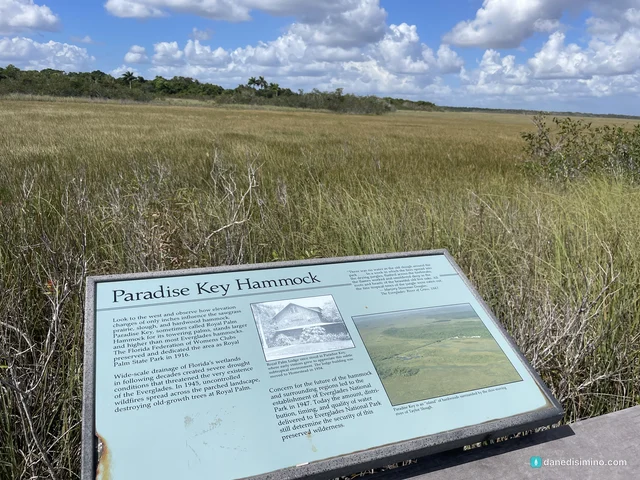
The park started right where we did. In 1916, Royal Palm State Park was created on Paradise Key, the first protected area in the Everglades. Its 4,000 acres became the heart of the national park.
In 1923, Stephen Mather, the first director of the National Park Service, wrote that there should be "an untouched example of the Everglades." A landscape architect named Ernest F. Coe made it his life's work, and Congress authorized the park in 1934. President Harry Truman dedicated it on December 6, 1947.
That same year, journalist Marjory Stoneman Douglas published The Everglades: River of Grass, the book that gave the place its name and taught a generation to see a river where others saw a swamp. In 1970, she founded Friends of the Everglades and kept fighting the canals and drainage for decades. Today the park's wilderness bears her name.
Everglades was the first national park created to protect an ecosystem rather than scenery. It's the largest subtropical wilderness in North America, protects the largest mangrove ecosystem in the Western Hemisphere, and is the only place in the U.S. recognized by three international programs: a World Heritage Site, an International Biosphere Reserve and a Wetland of International Importance.
Royal Palm and the Anhinga Trail
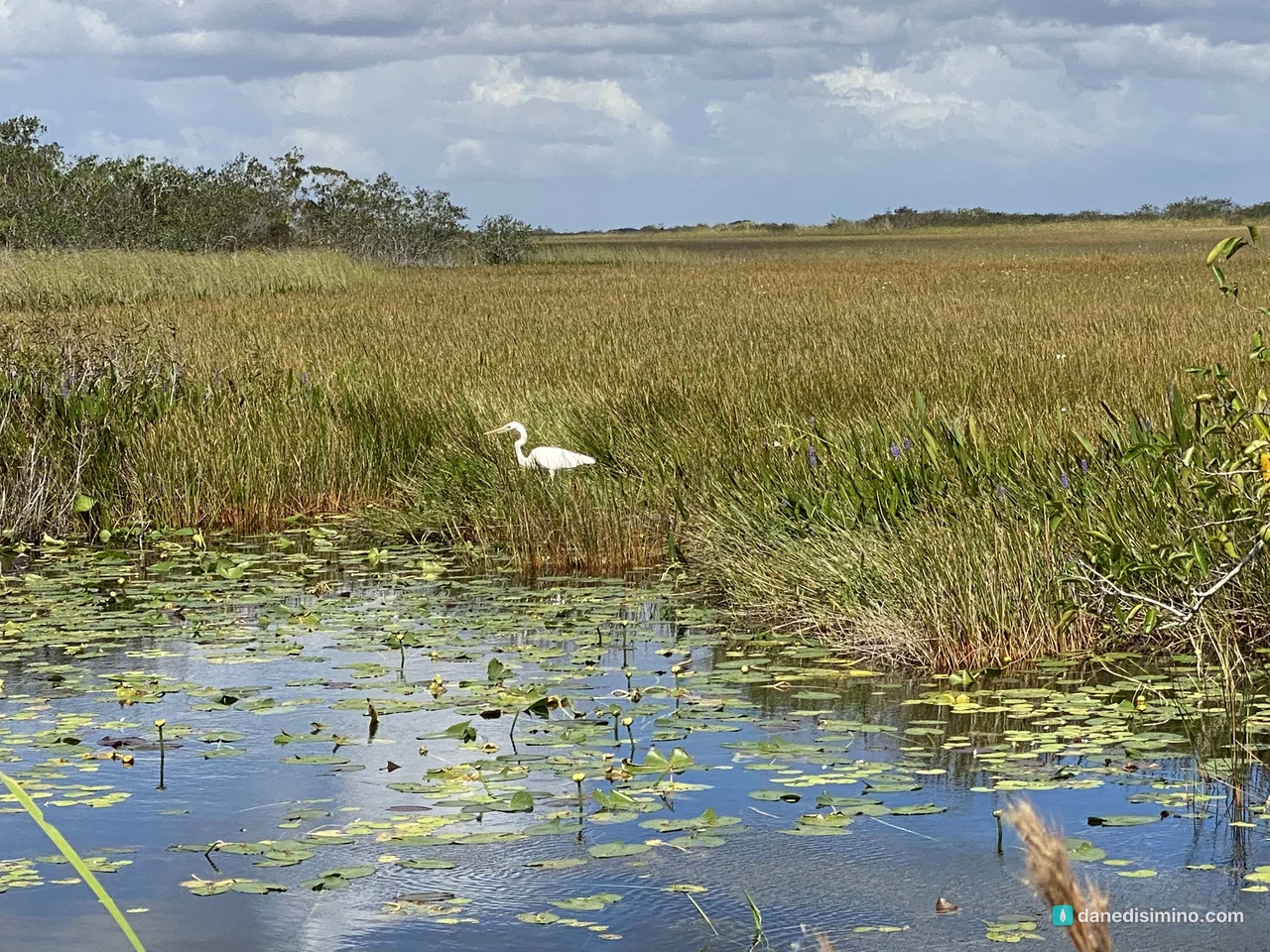
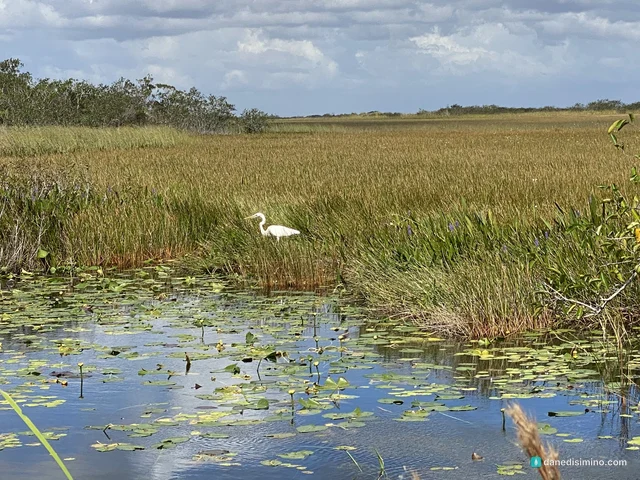
We started near the main entrance at Royal Palm. The Anhinga Trail winds over sawgrass marsh and a freshwater slough, and the wildlife comes to you. In the dry season, the falling water concentrates fish, birds and alligators right along the boardwalk.
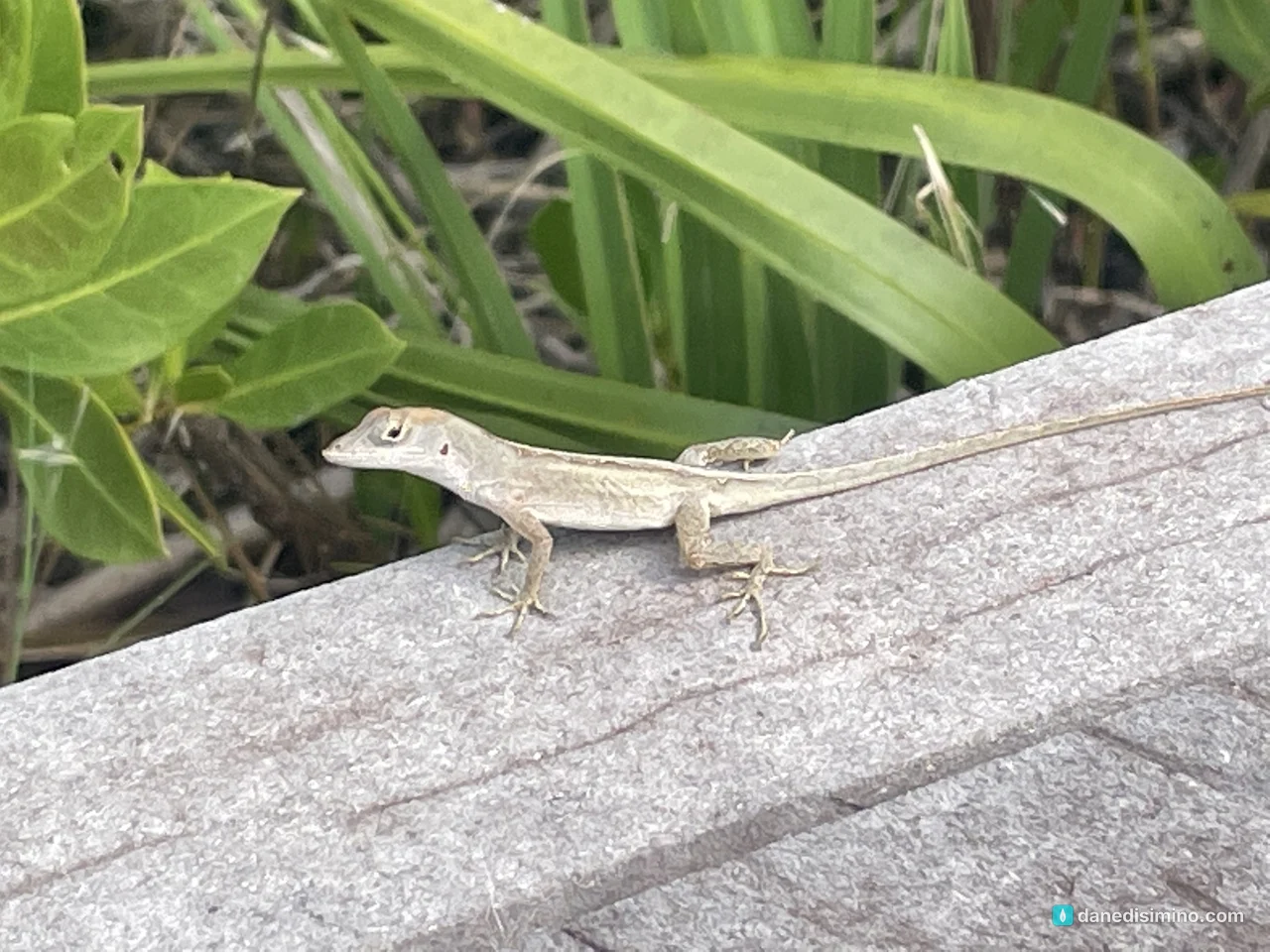
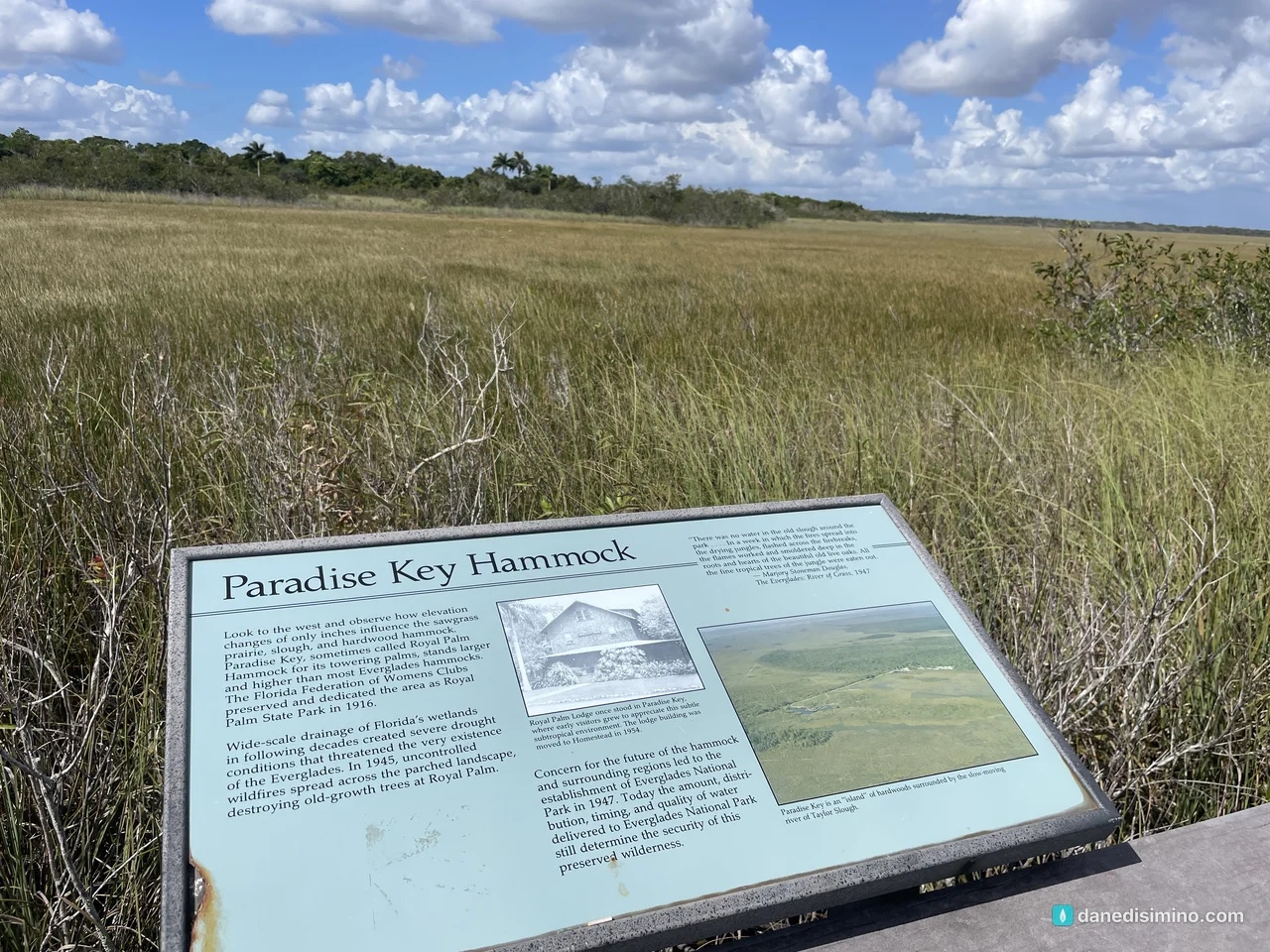
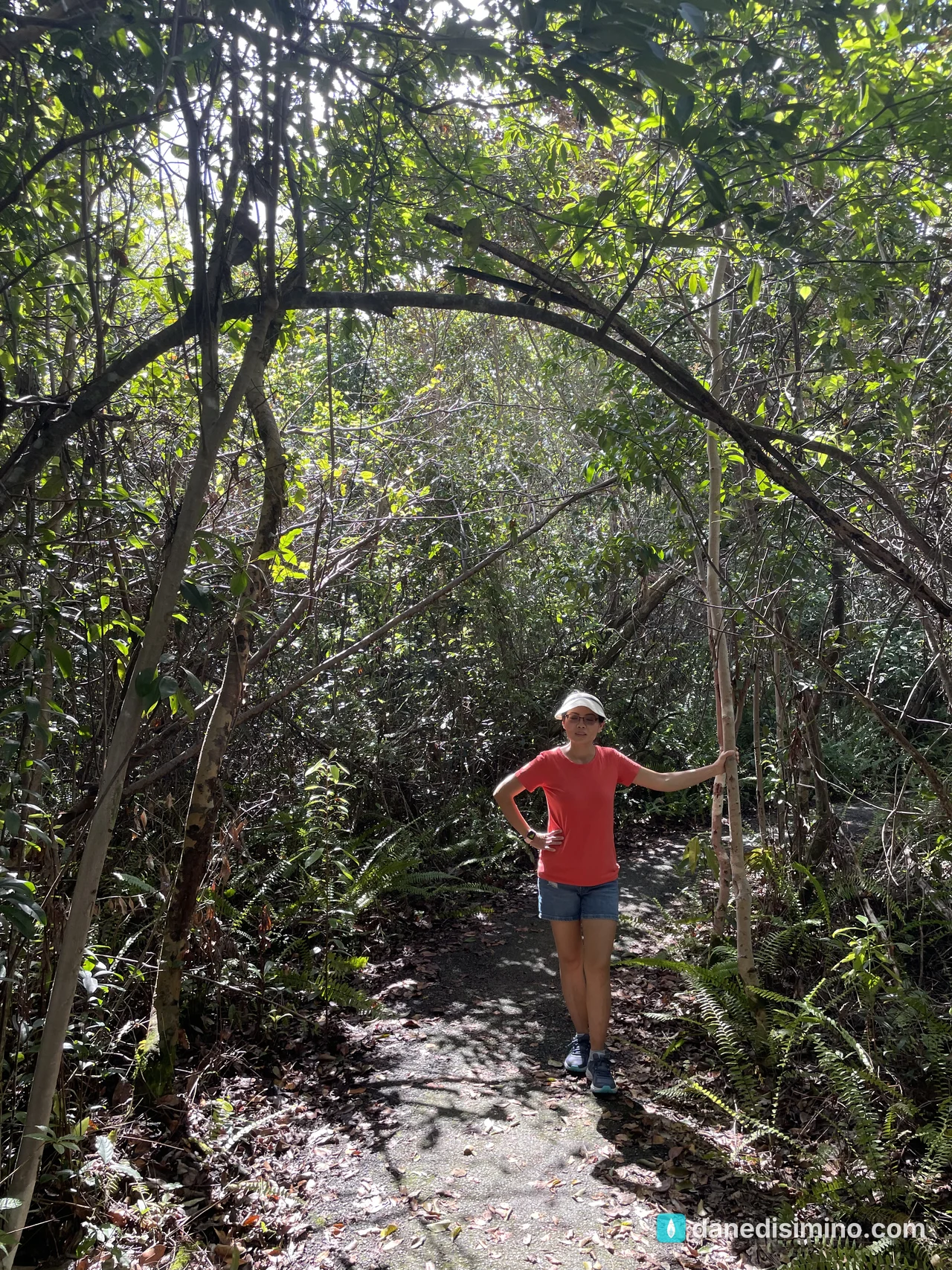
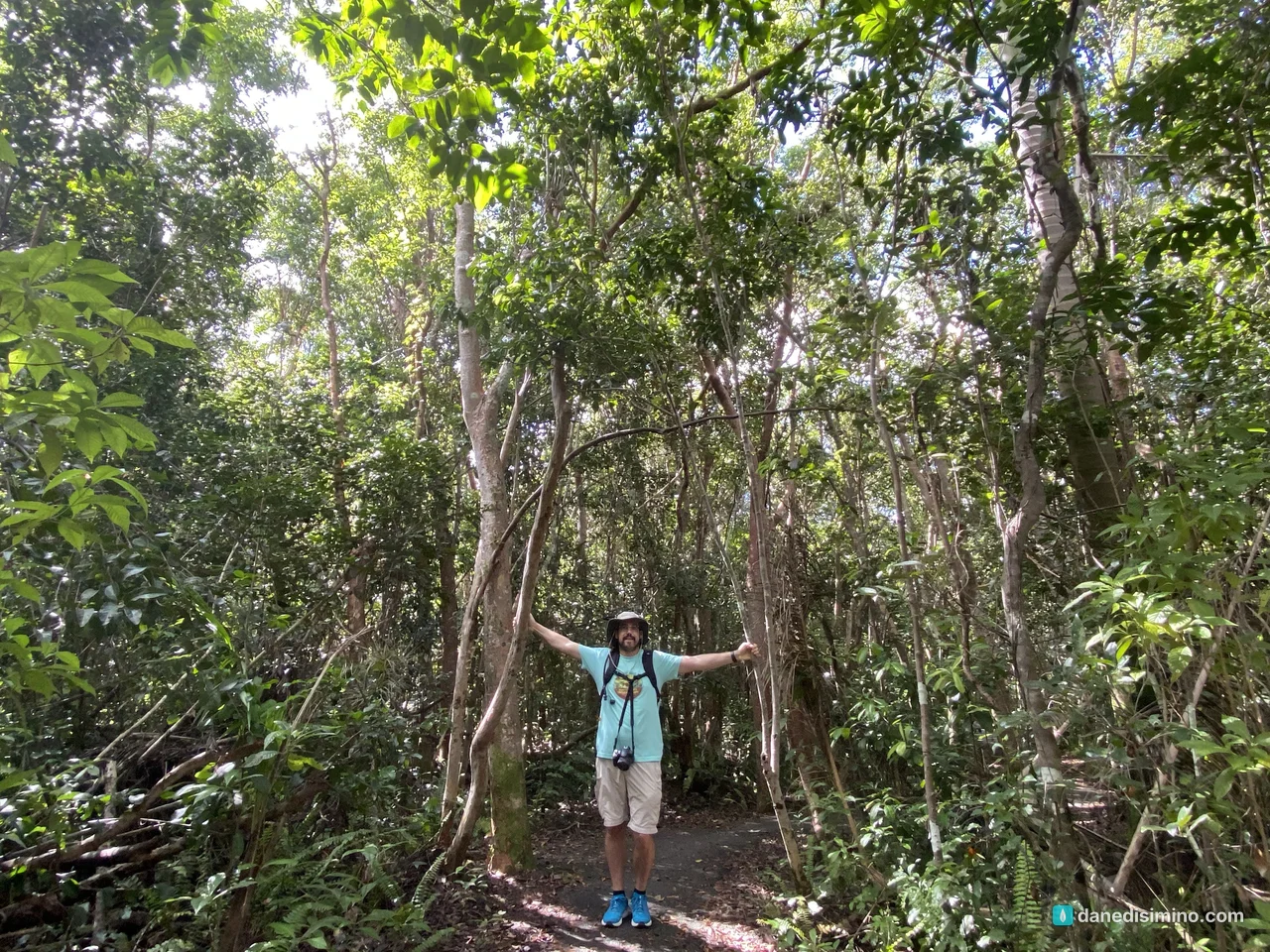
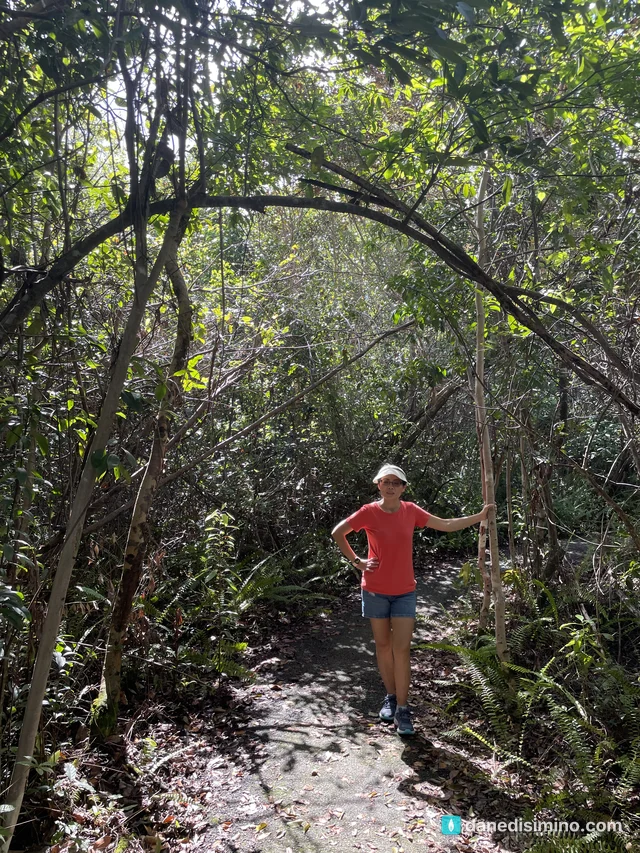
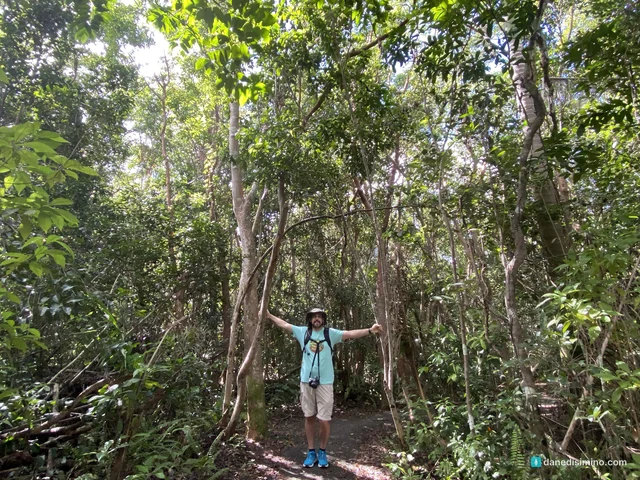
Nearby, the Gumbo Limbo Trail loops through a hardwood hammock, a shady island of tropical trees rising out of the sawgrass. It feels like a different world from the open marsh.
The birds
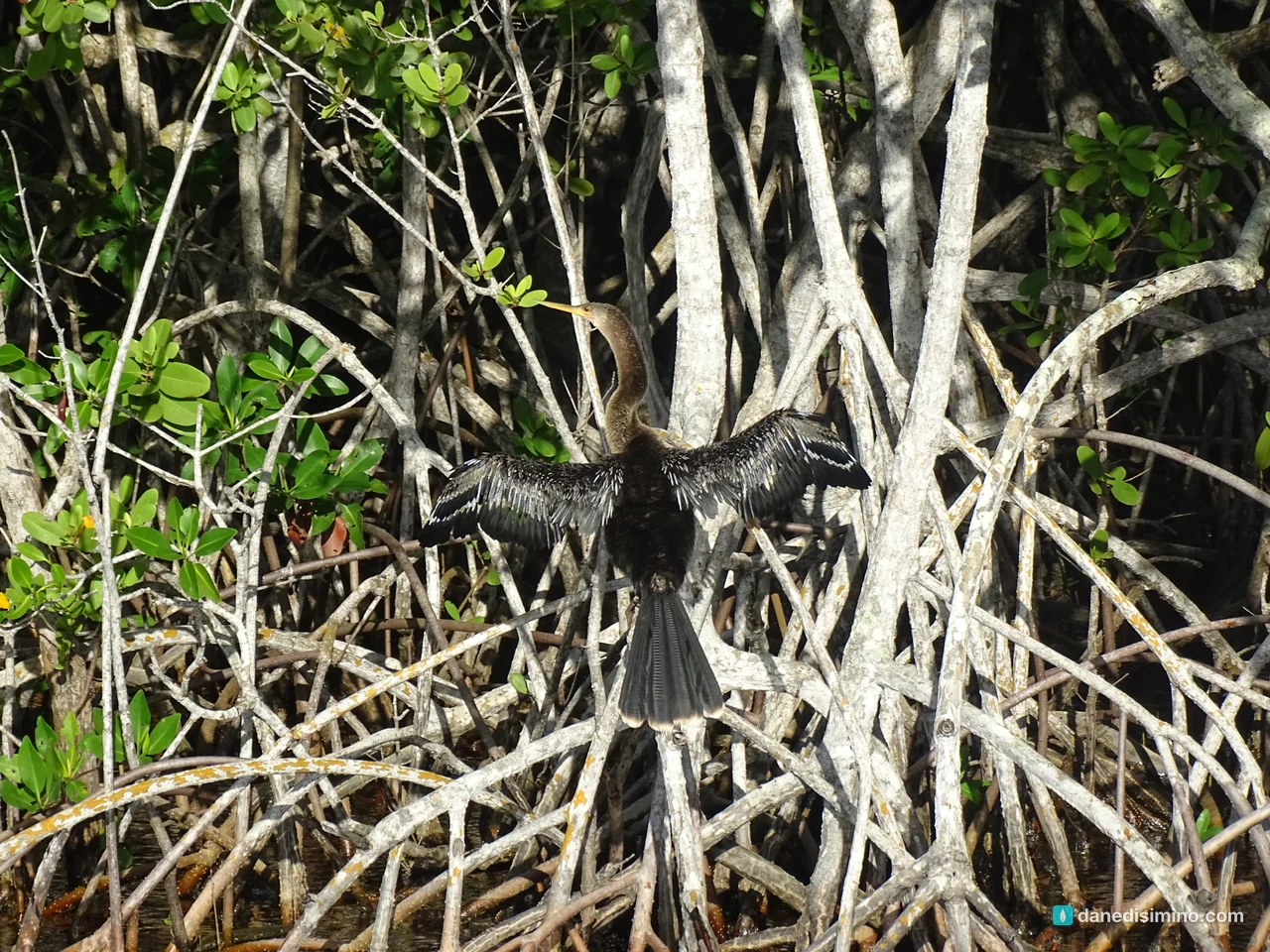
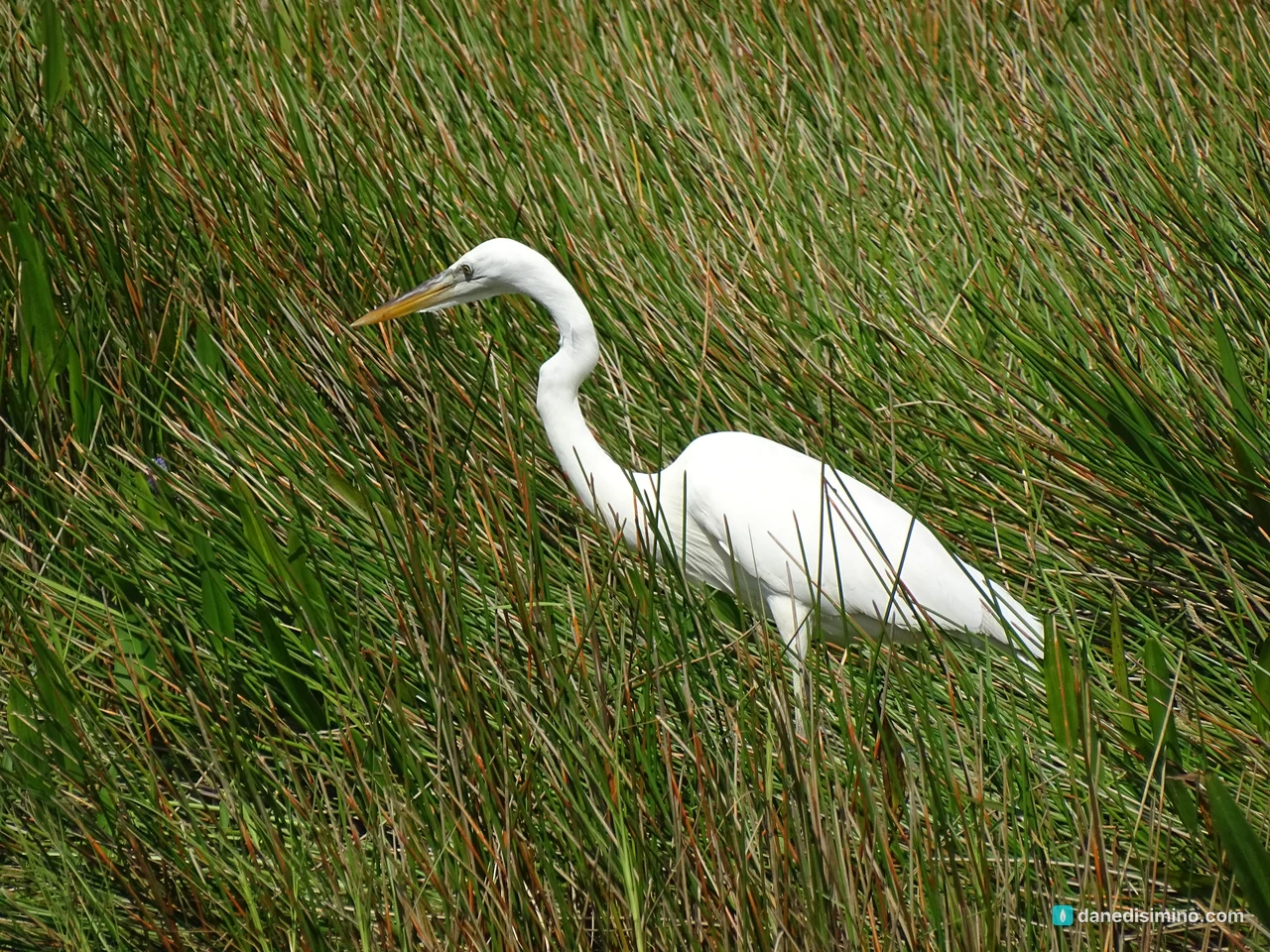
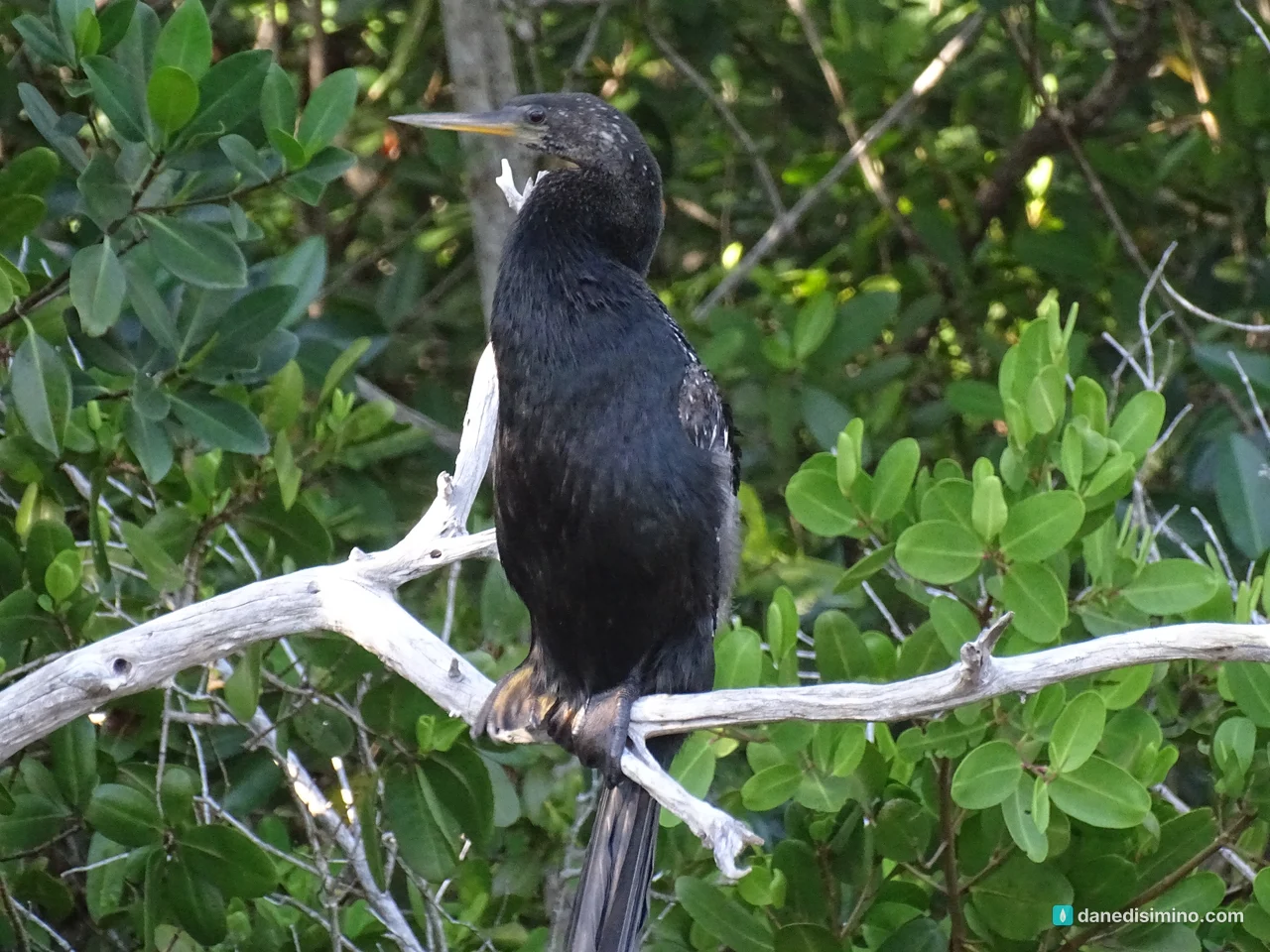
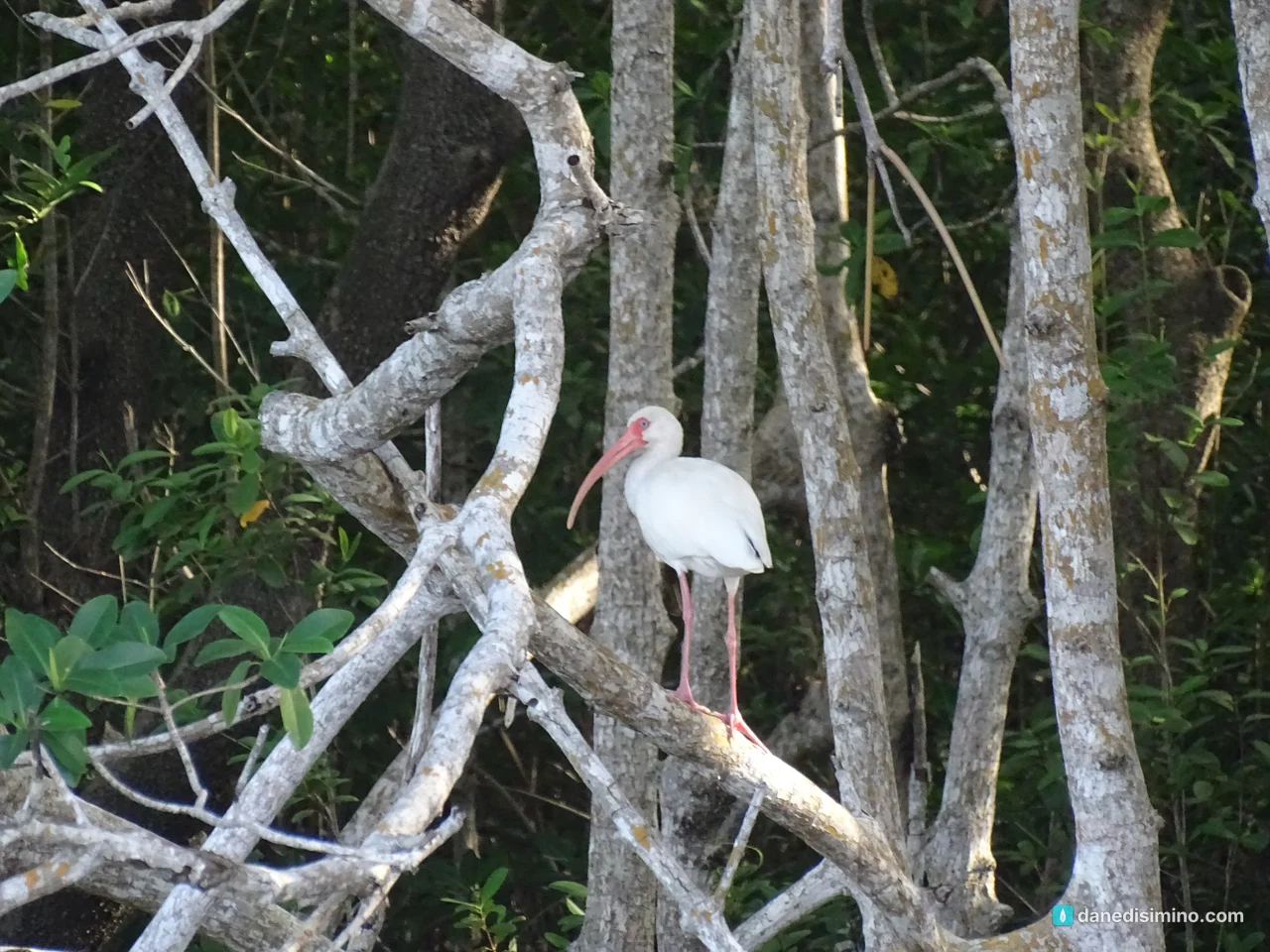
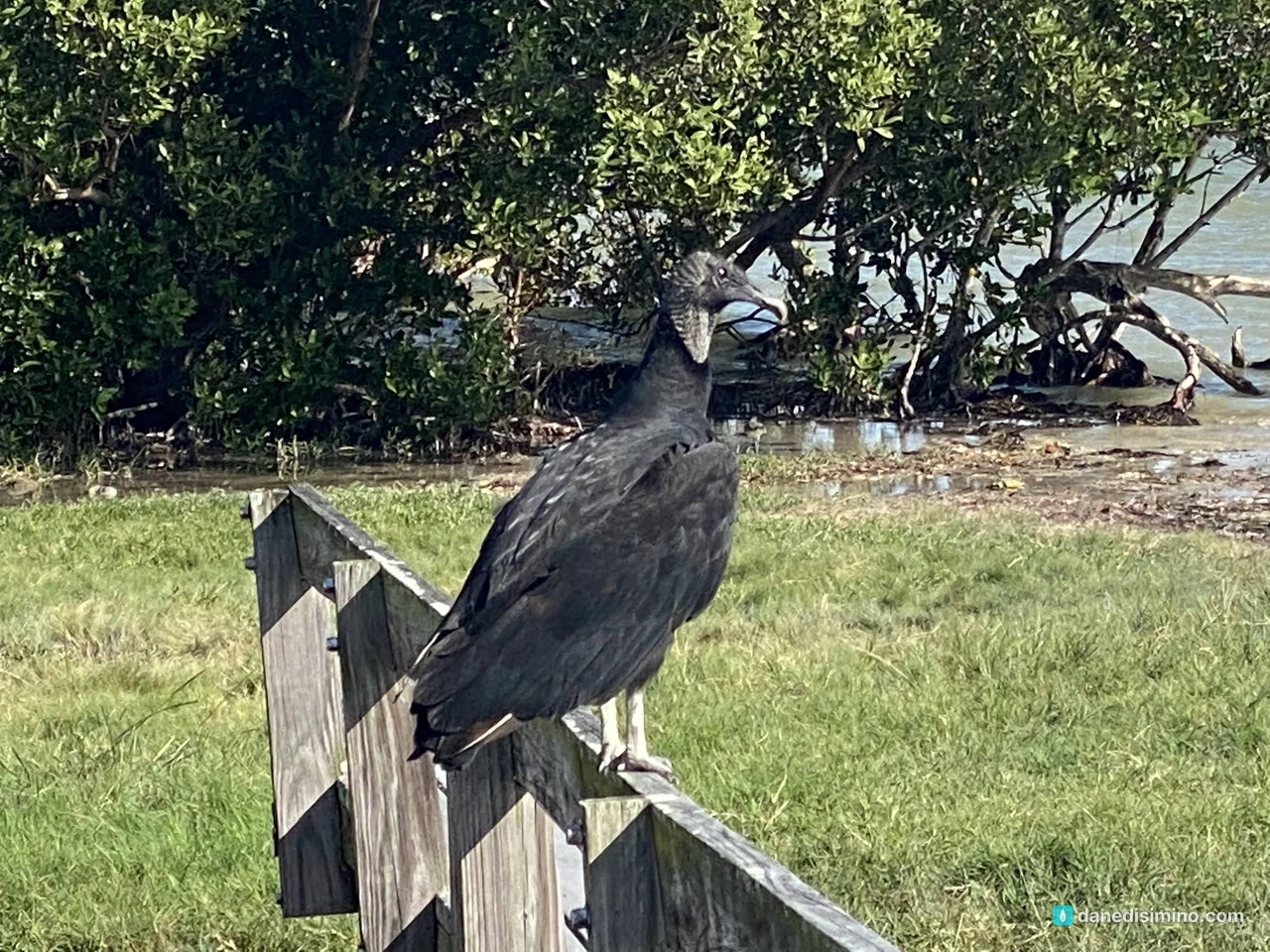
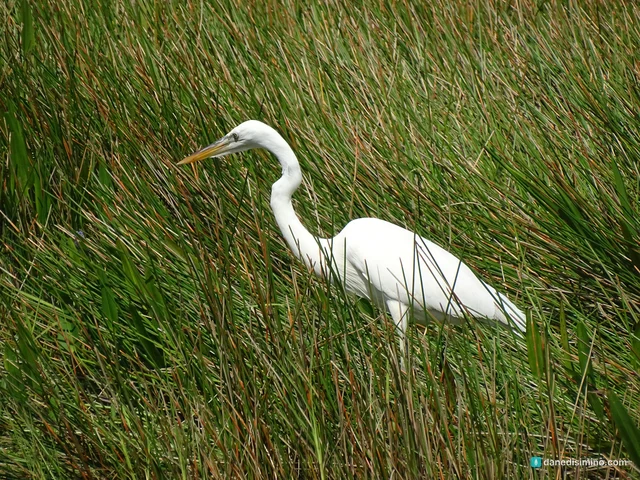
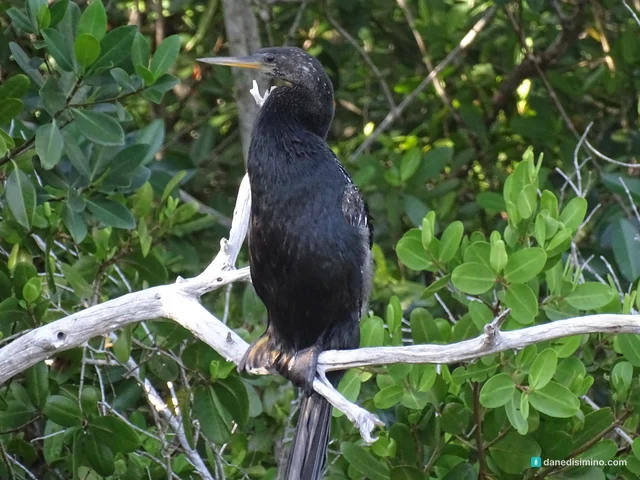
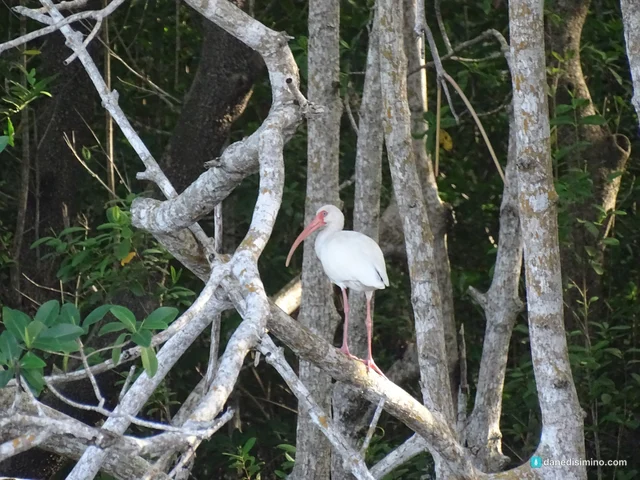
The number of bird species we saw was amazing. Great egrets hunted in the sawgrass. Anhingas, sometimes called snakebirds, perched in the branches and spread their wings to dry, because their feathers aren't waterproof. White ibises picked through the mangroves.
The boat ride
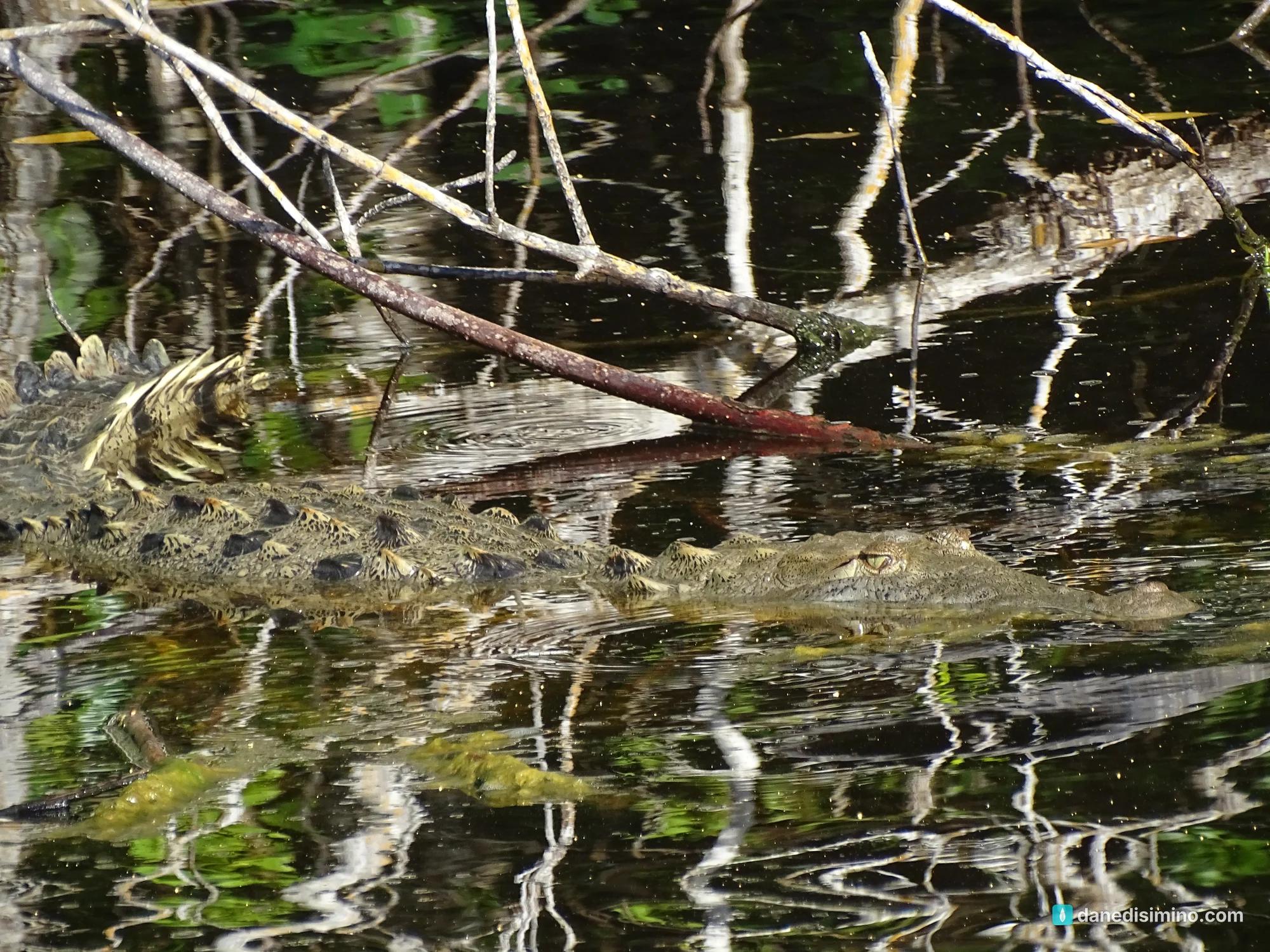
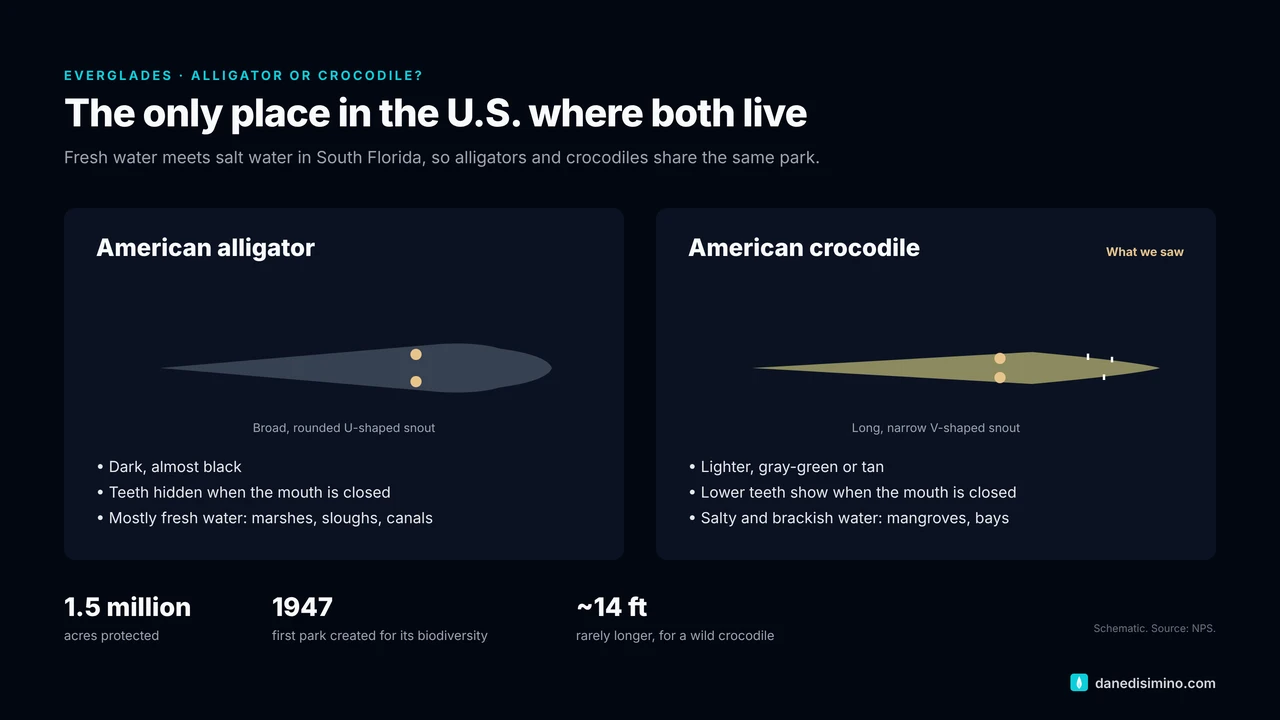
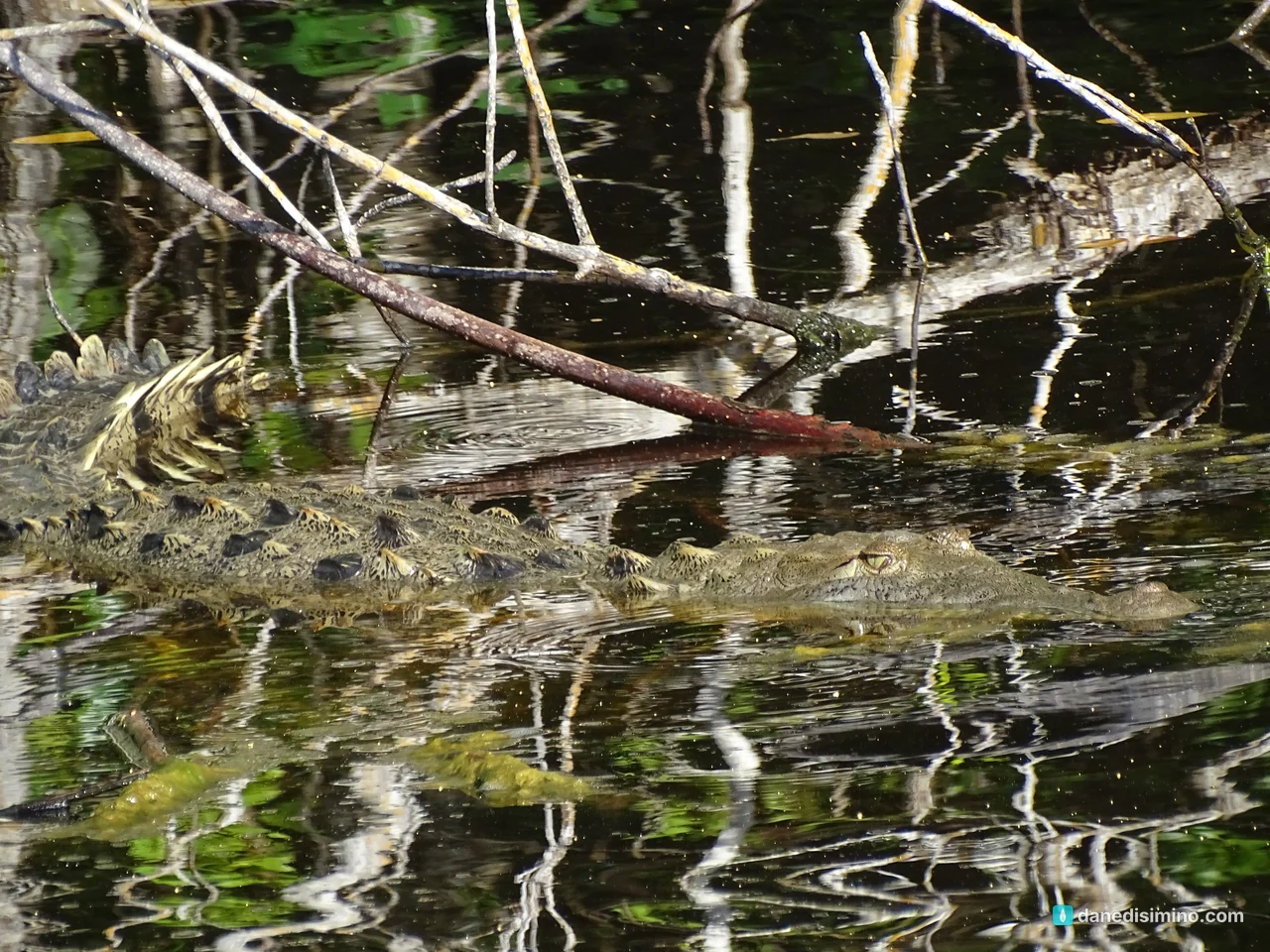
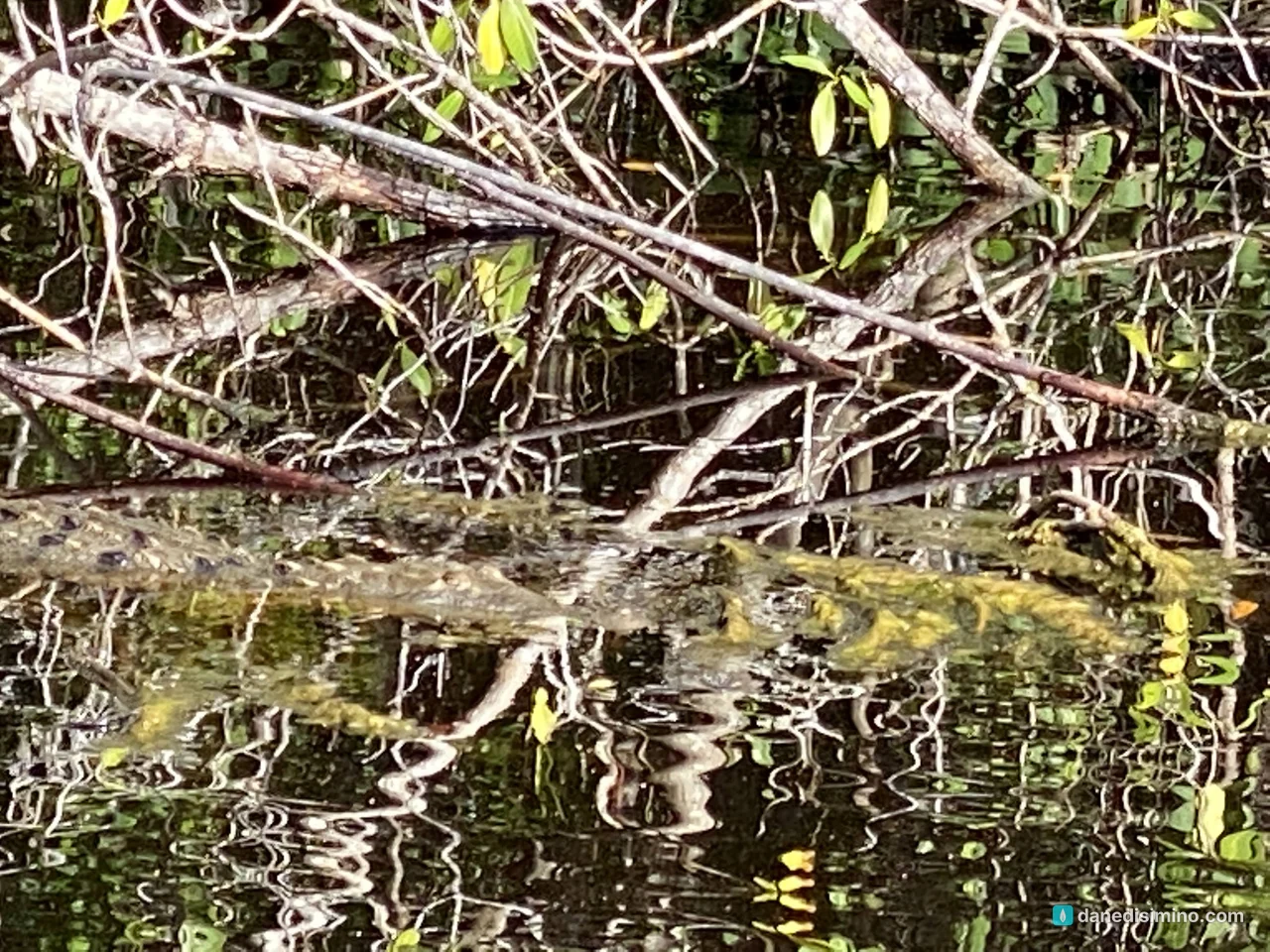
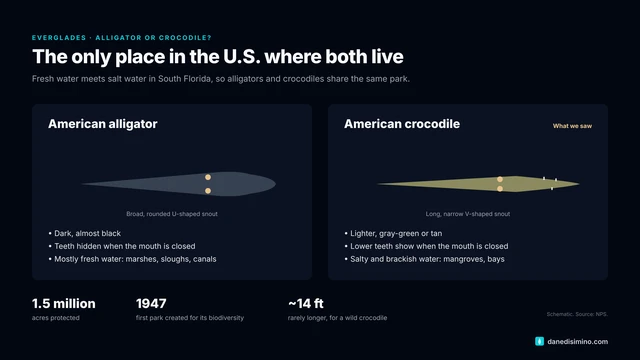
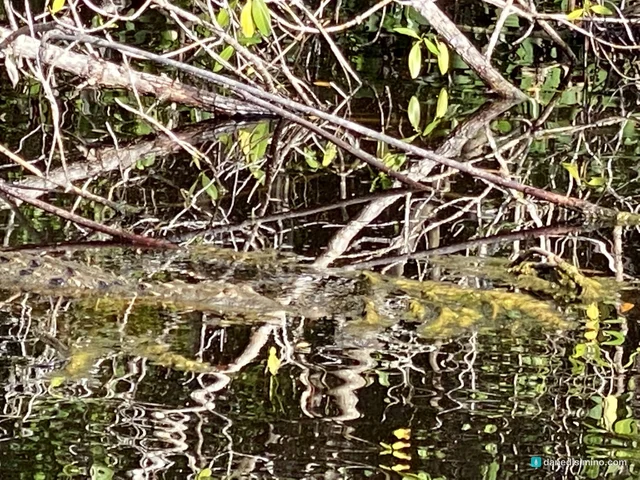
The highlight was a boat tour from Flamingo, the marina at the end of the park road, 38 miles in. It runs right from inside the park, up the Buttonwood Canal through the mangroves. On the way, we saw our first wild crocodile, lying in the water among the roots, just its back and eyes showing. You can tell it's a crocodile and not an alligator by its lighter color and long, narrow snout. American crocodiles are rare and shy, and South Florida is the only place in the U.S. where they live alongside alligators.
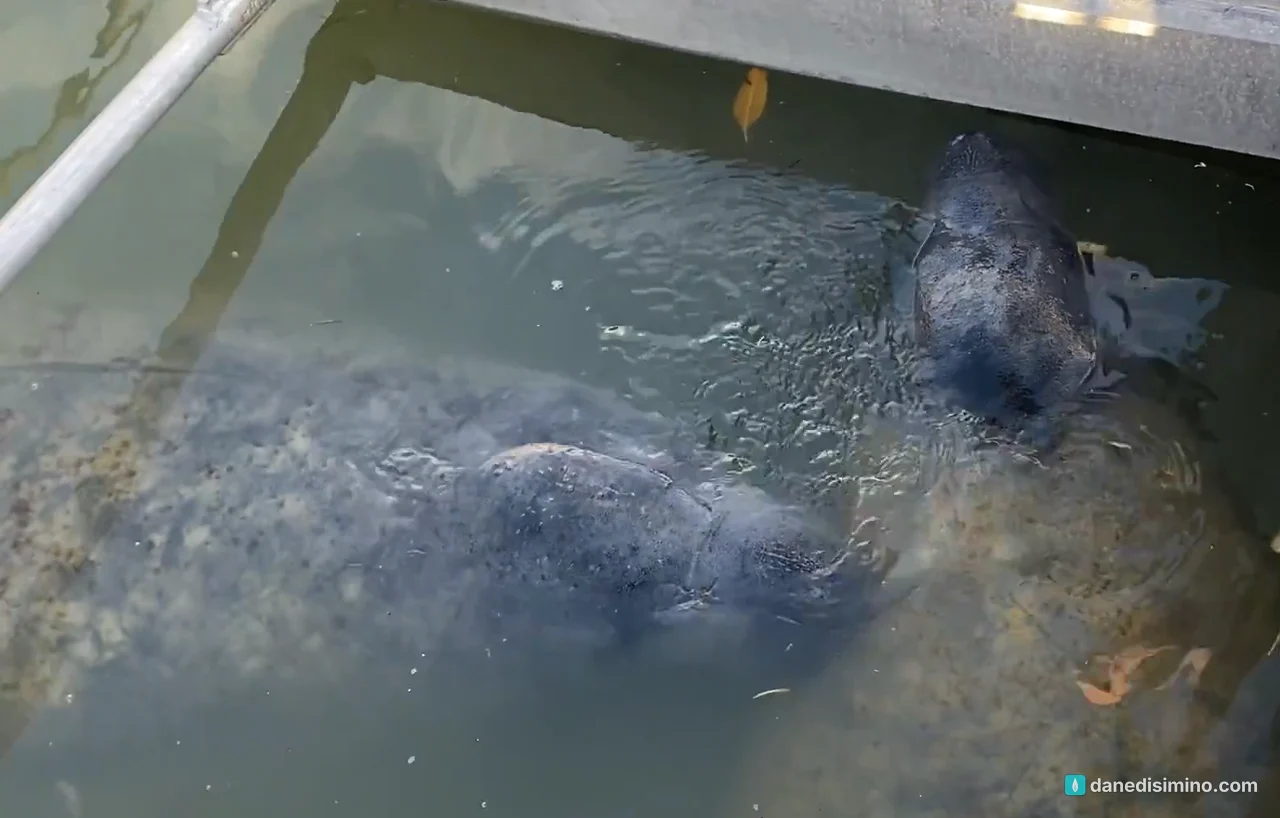
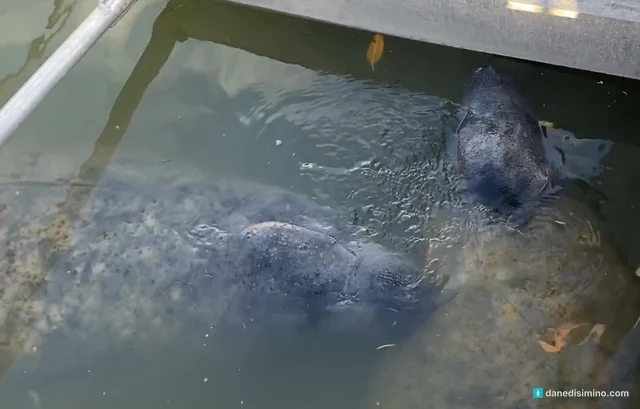
Then, back at the Flamingo dock, wild manatees came swimming right up to us, a huge one and a smaller one beside it. It was the first time we'd ever seen a manatee.
Sunset
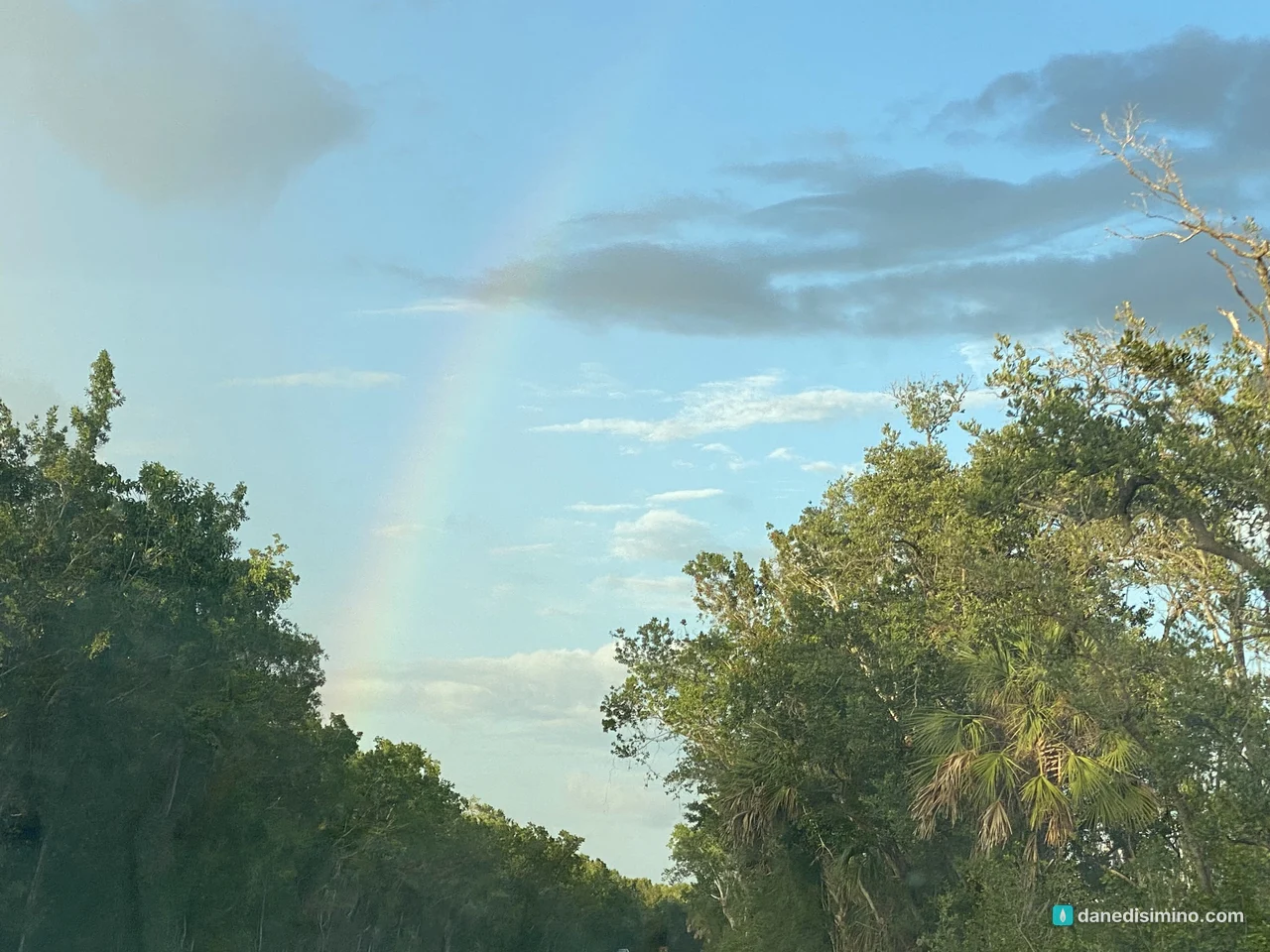
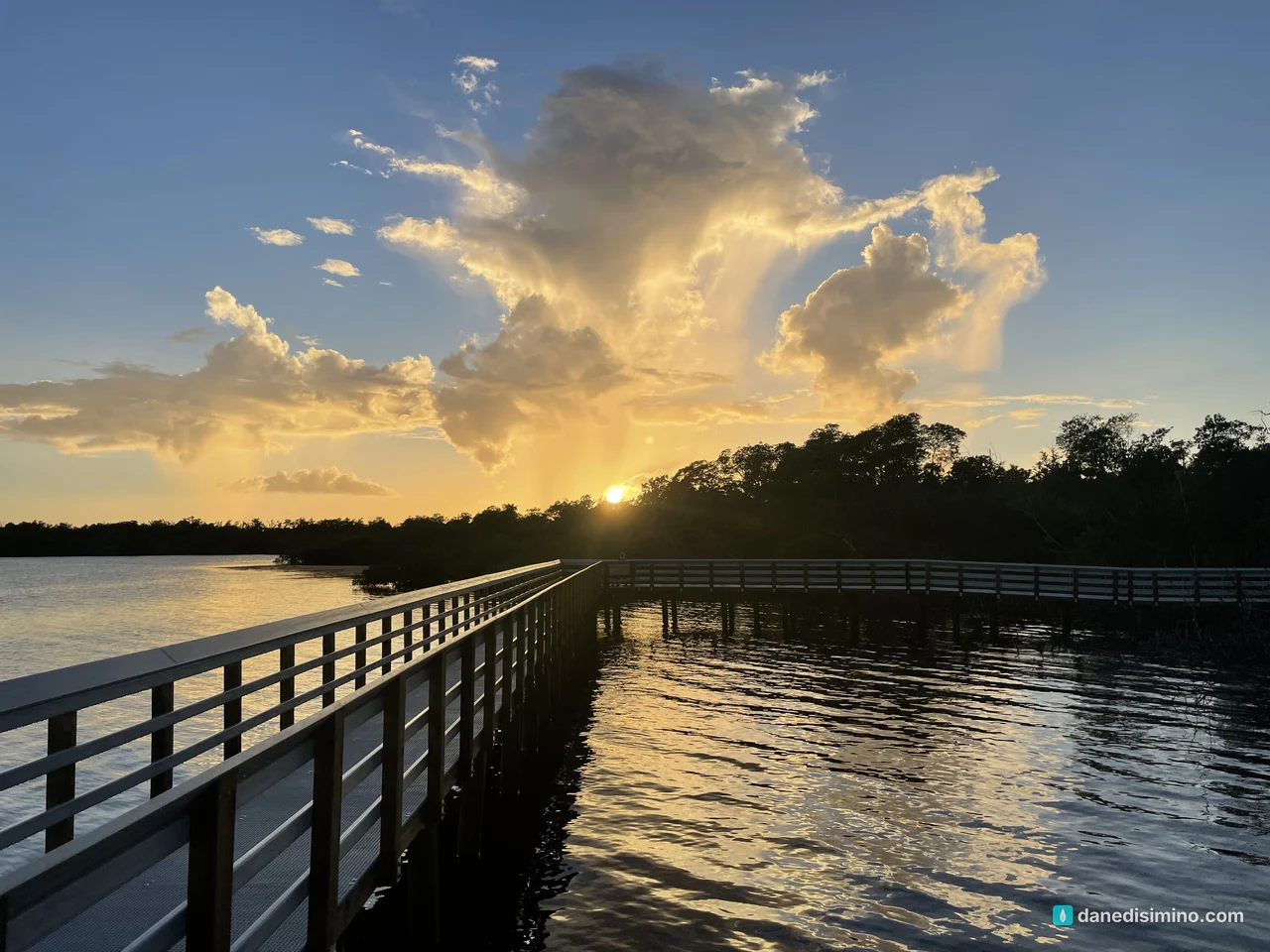
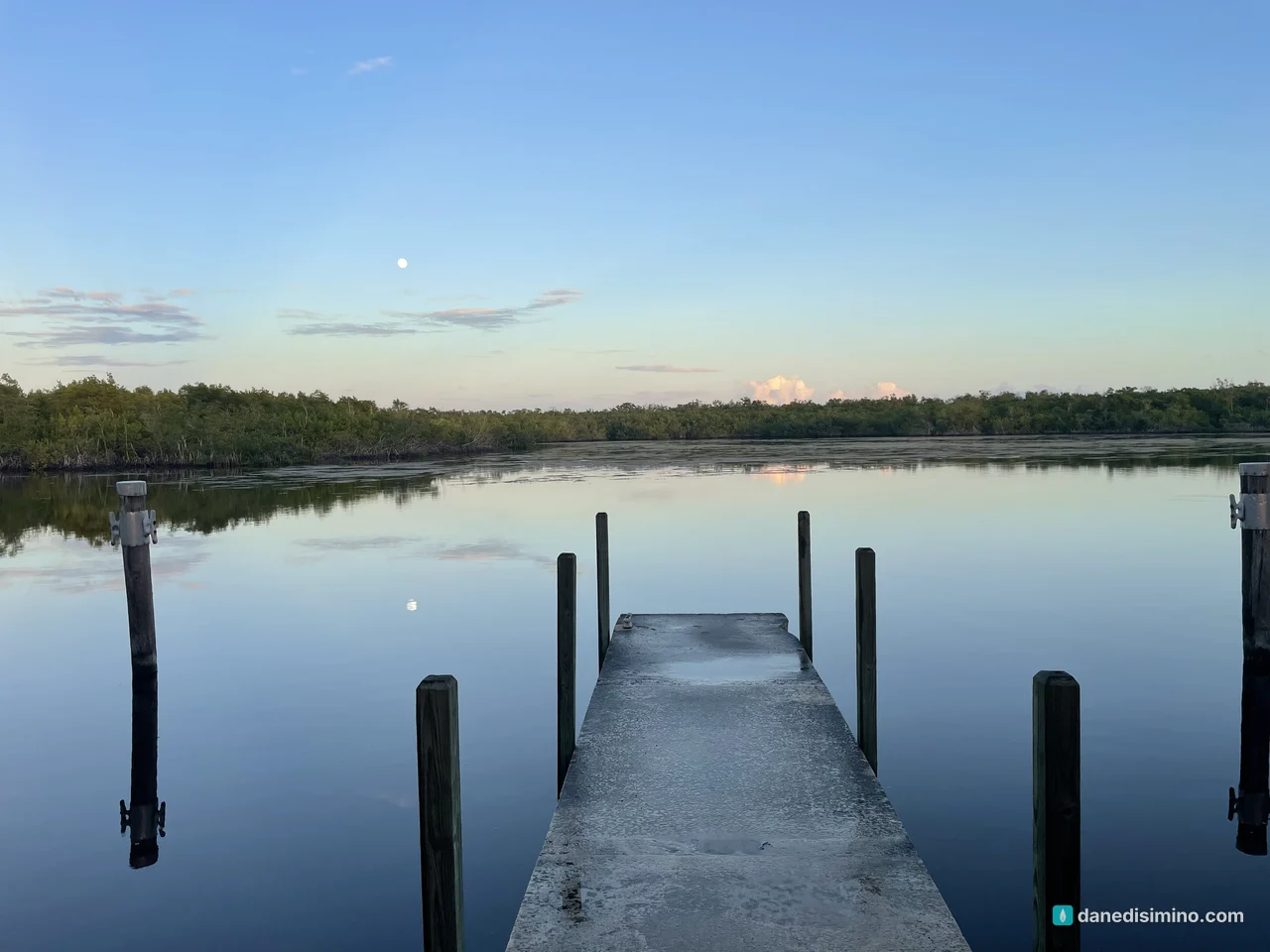
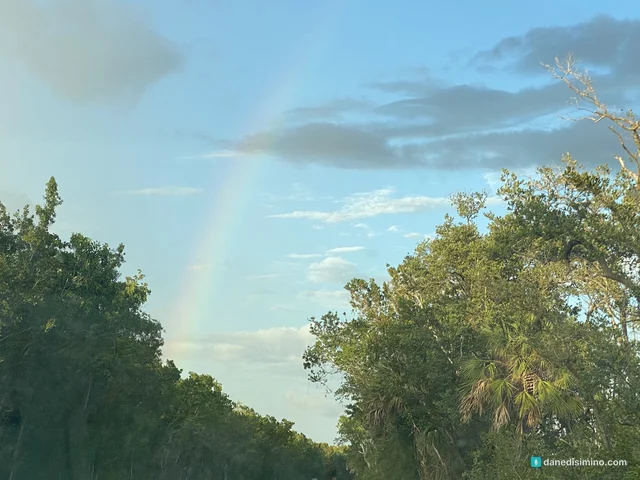
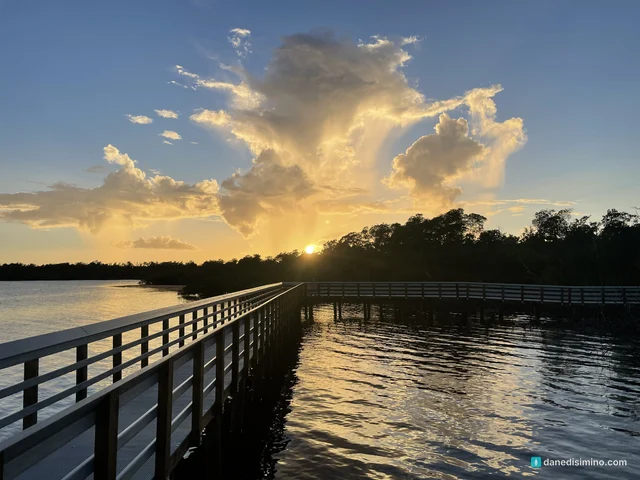
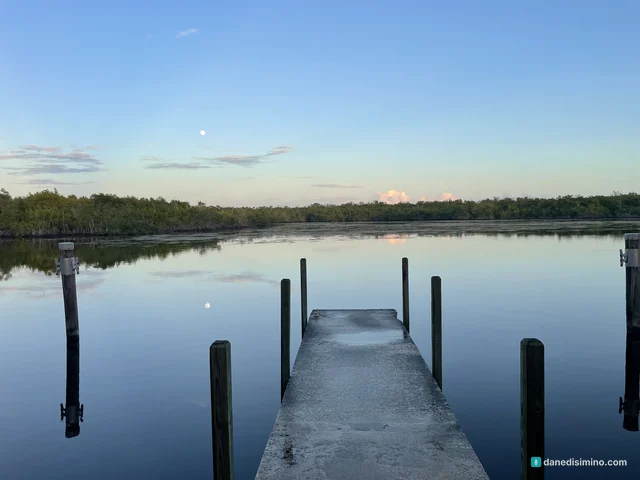
As we headed out of the park, a rainbow appeared over the trees, and then the sun went down over the water. Standing on a pier looking out over the Everglades, it was really special.
The alligator farm
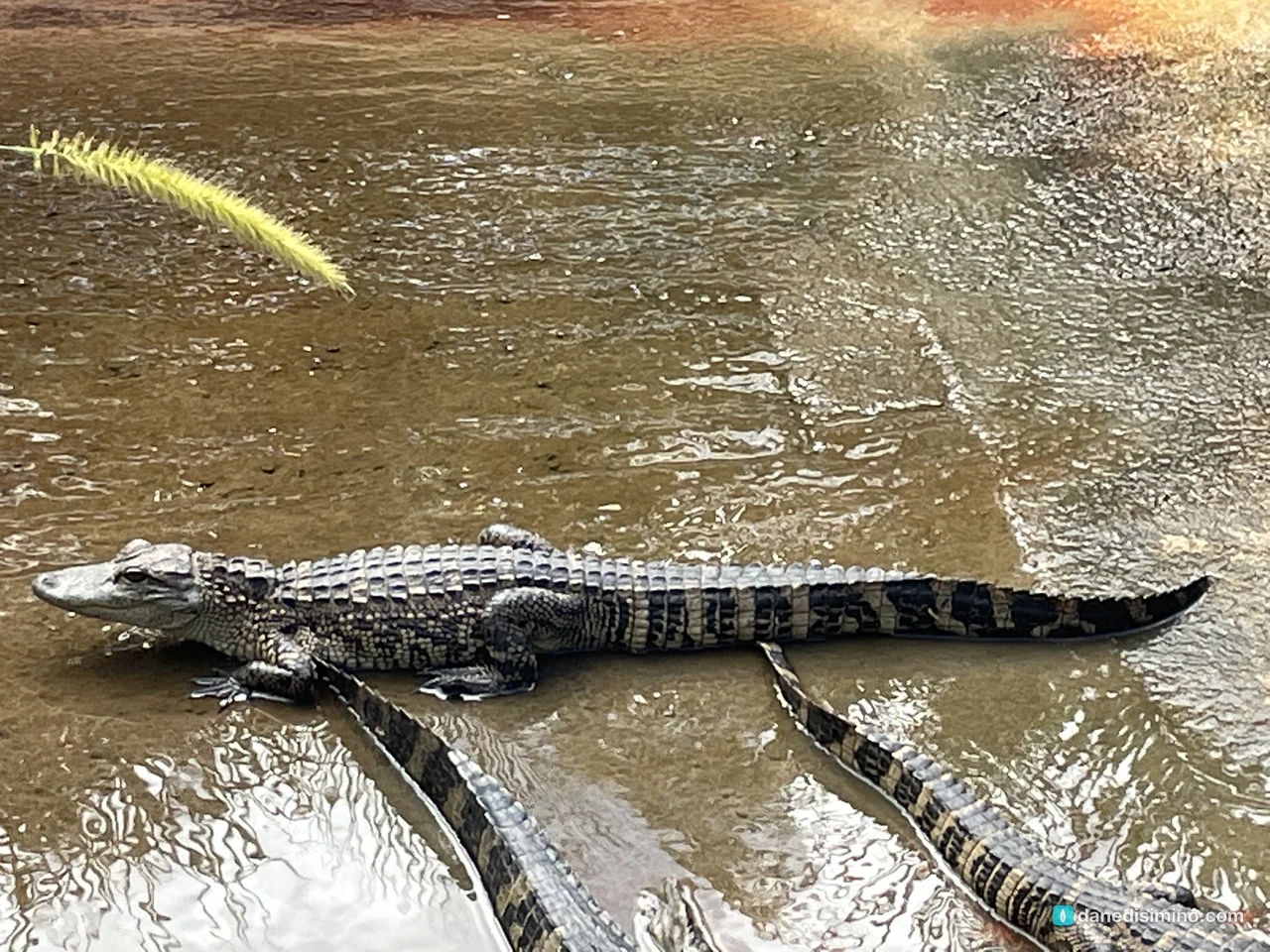
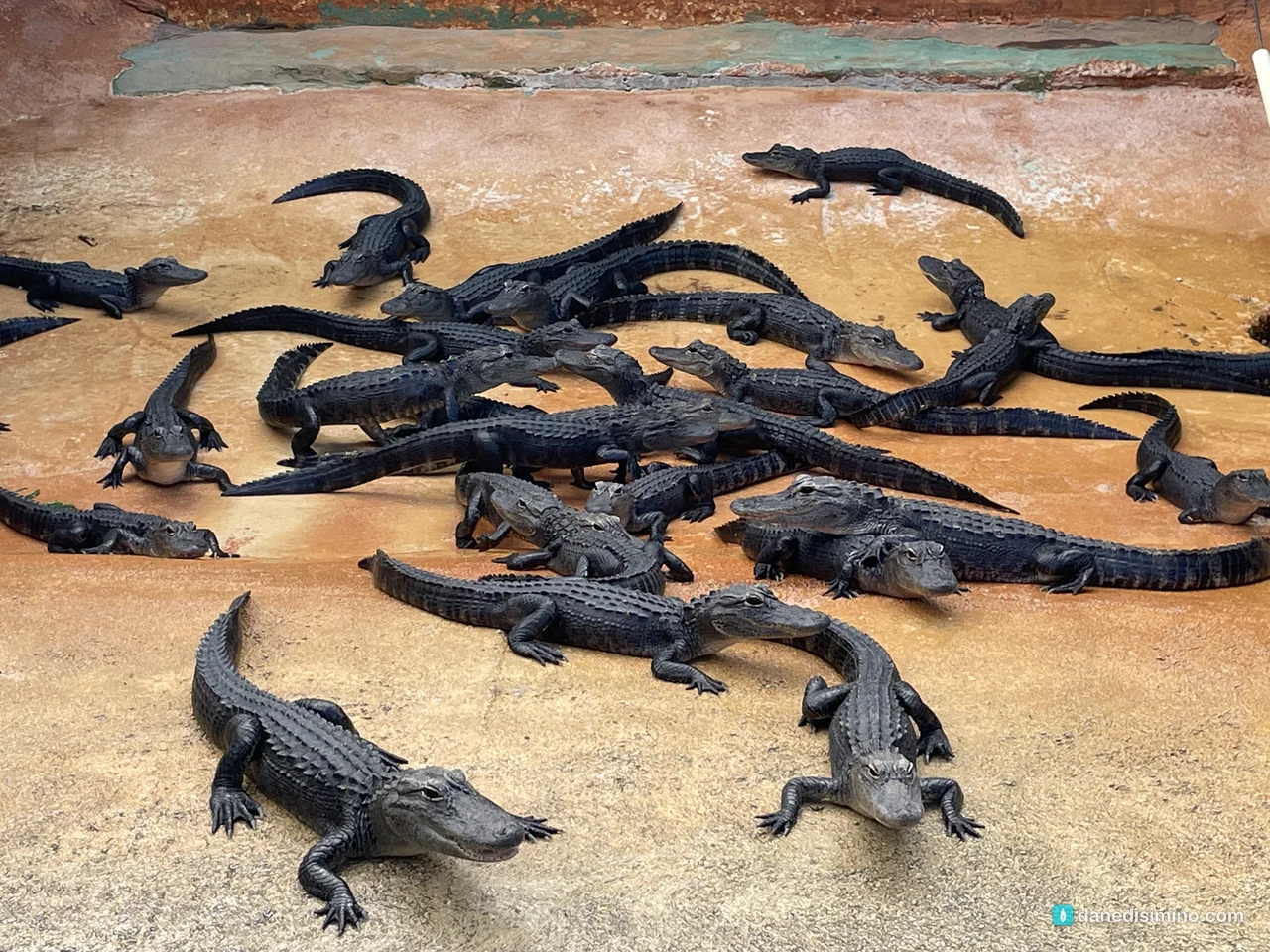
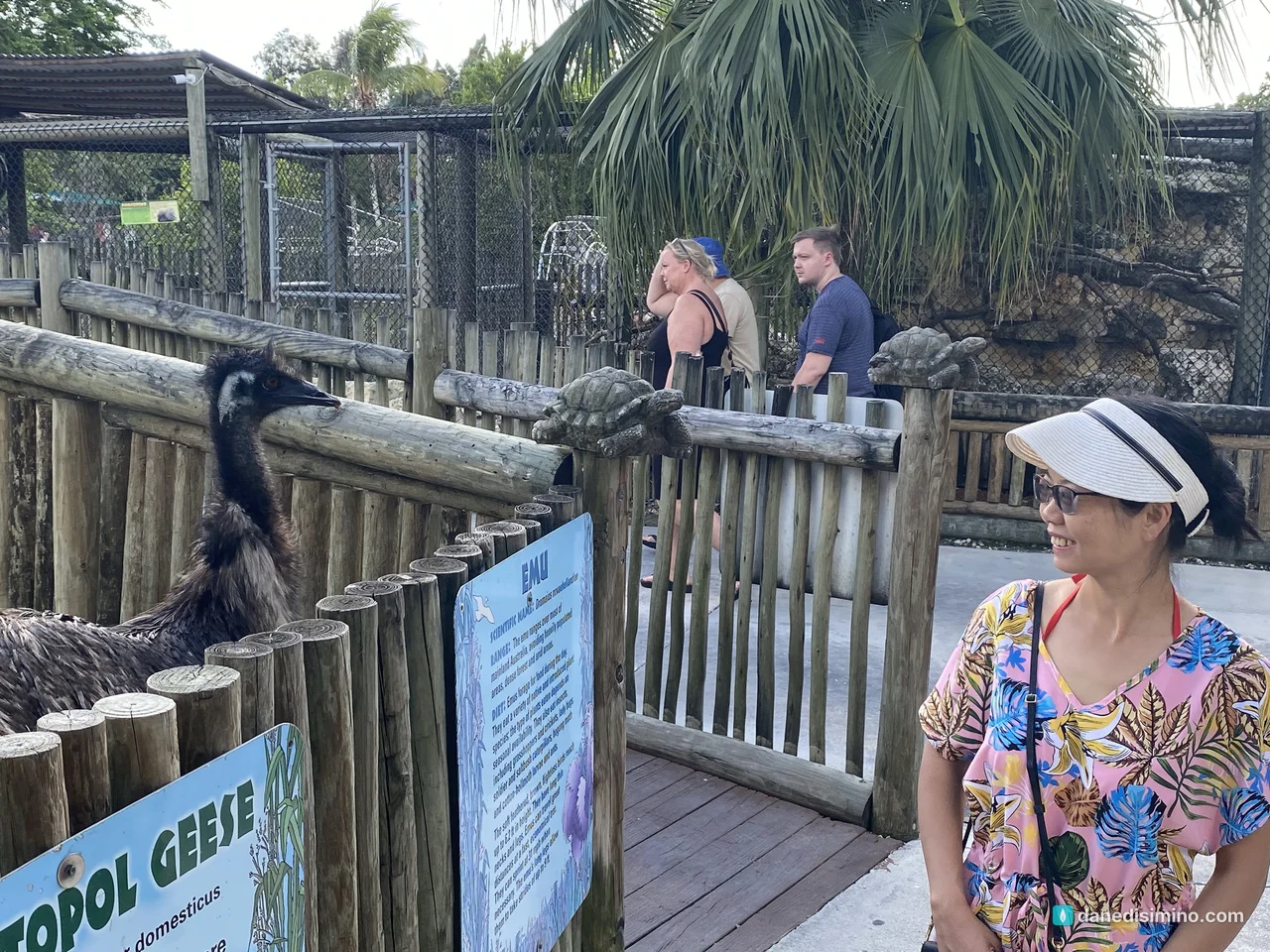
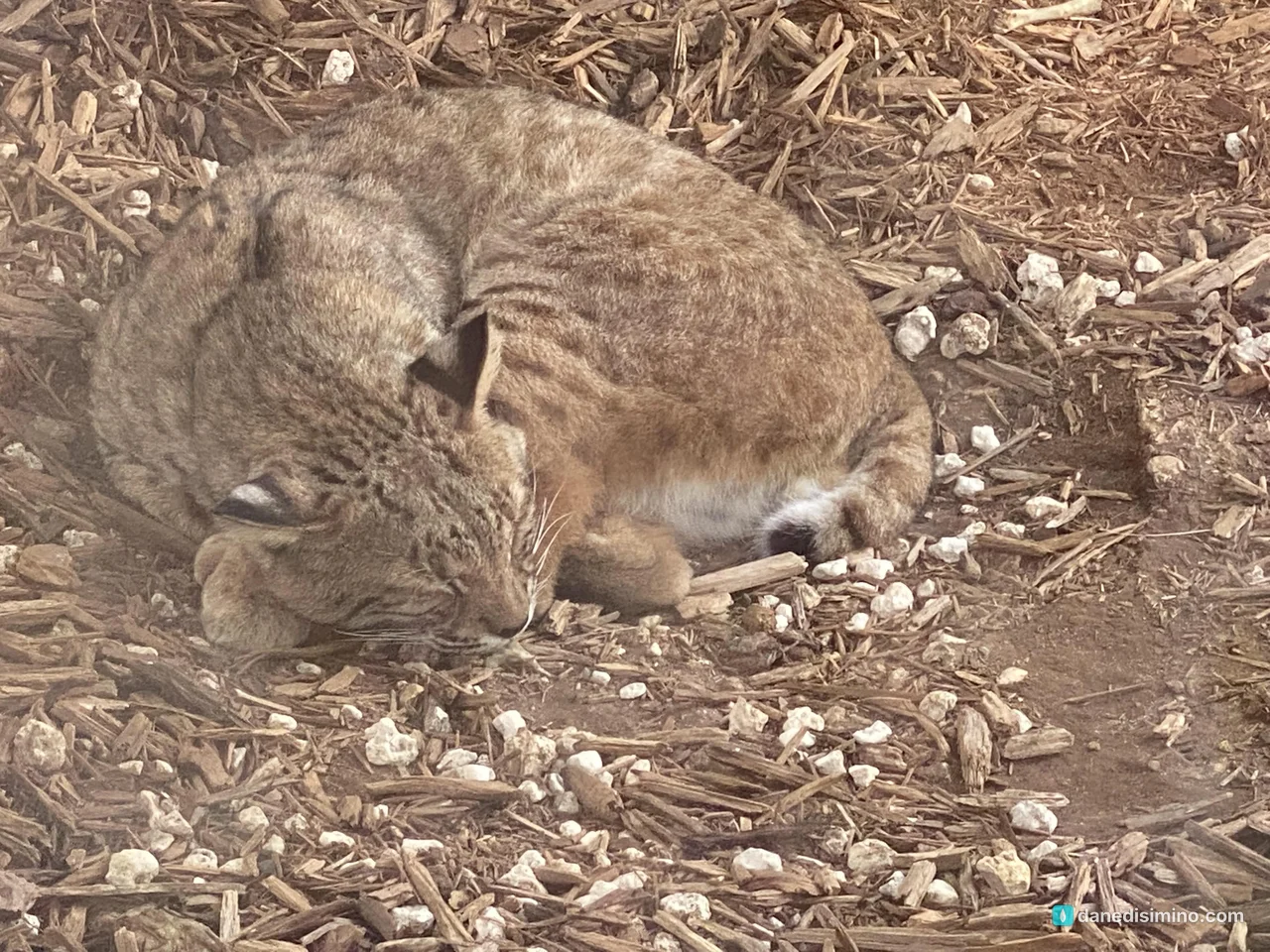
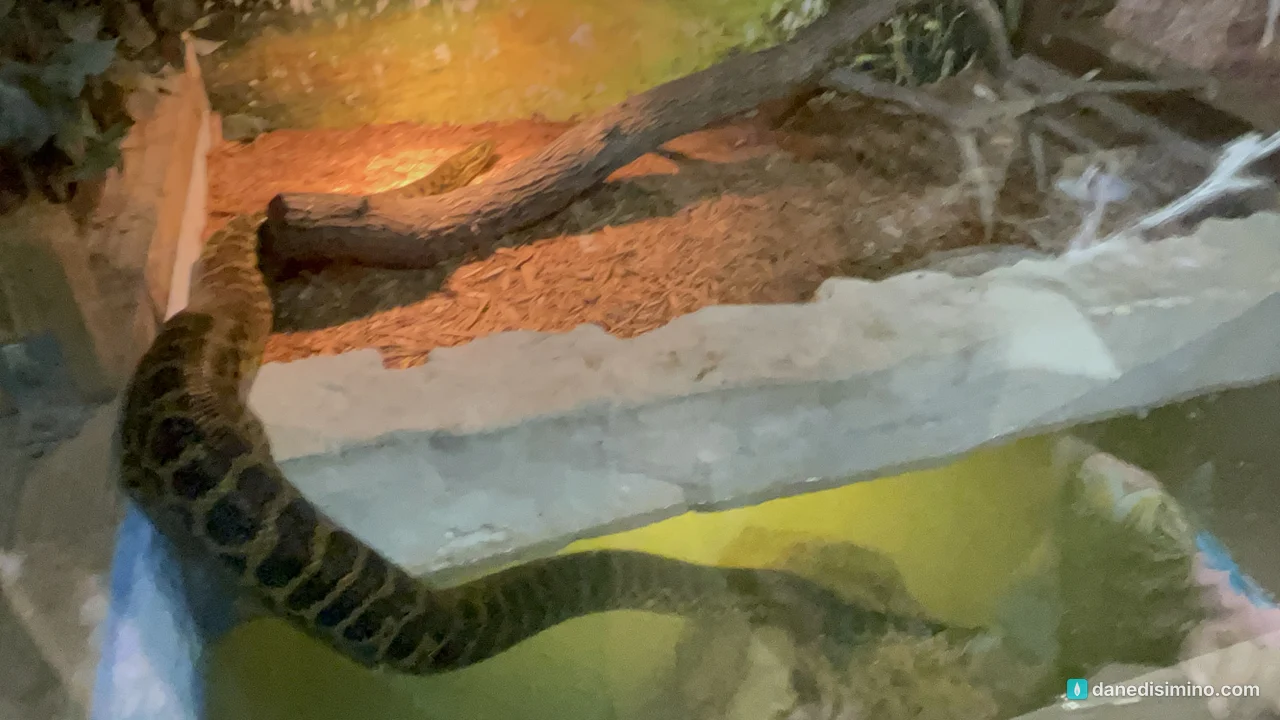
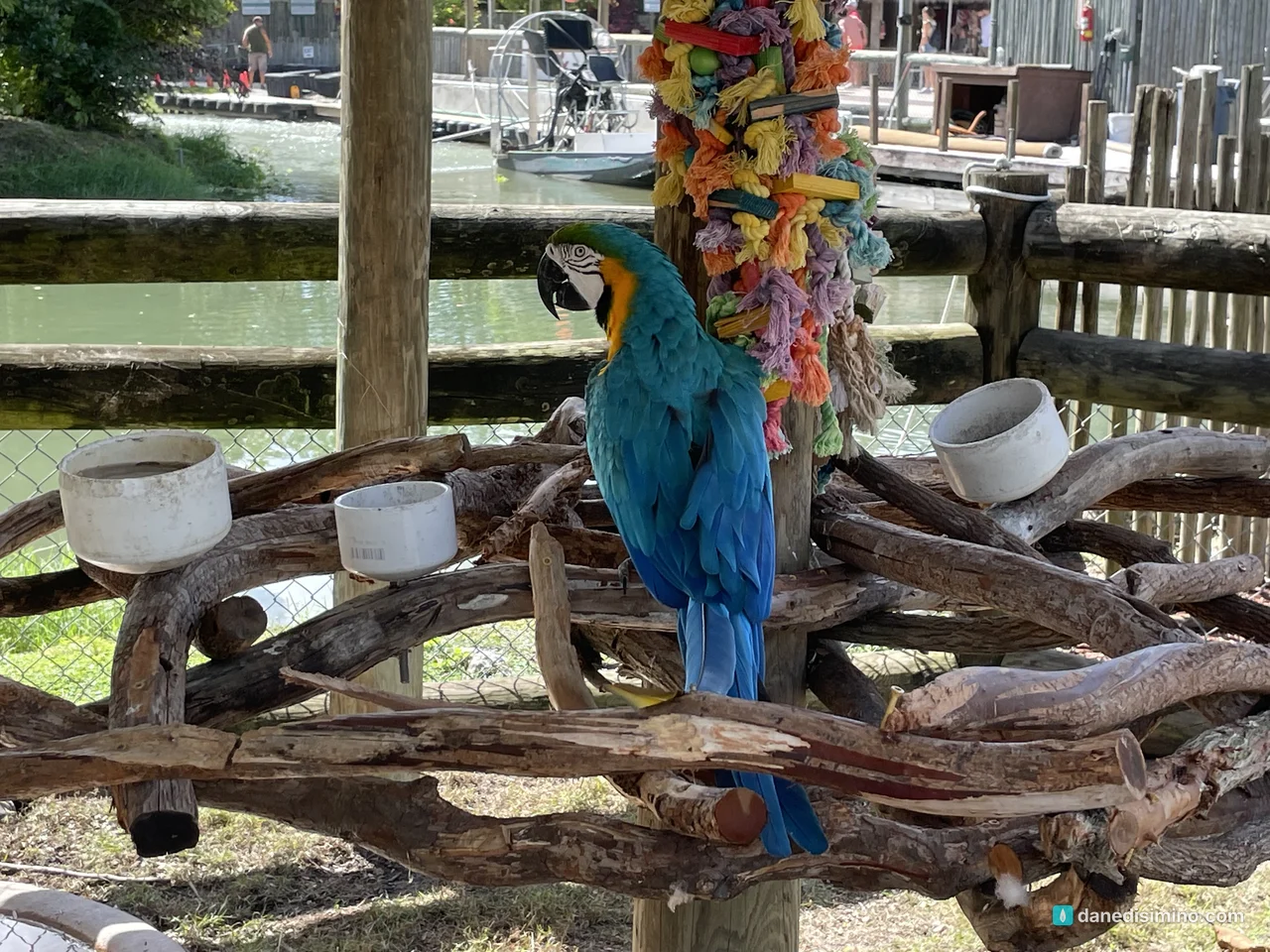
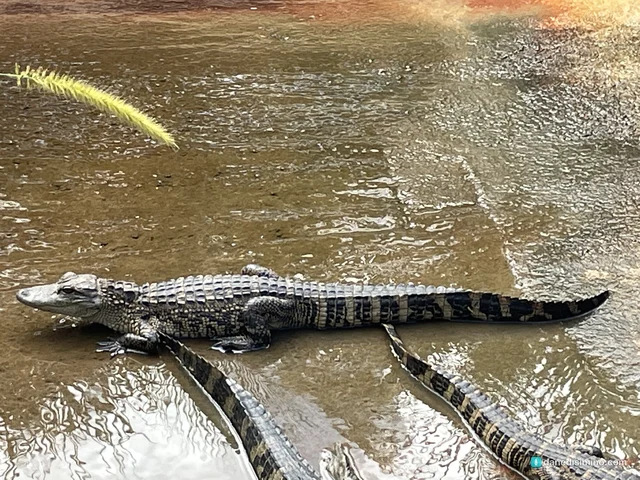
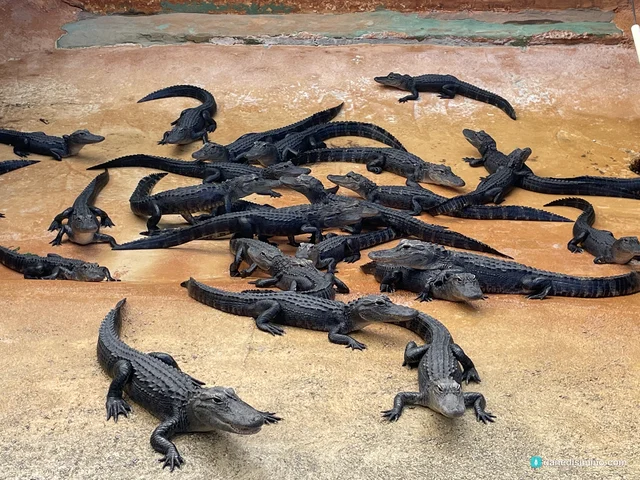
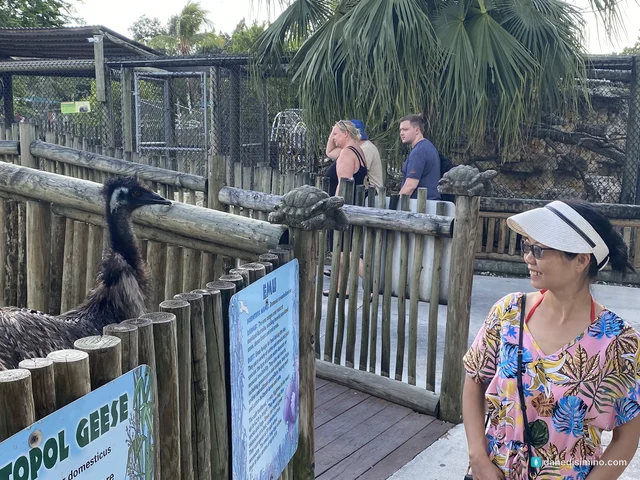
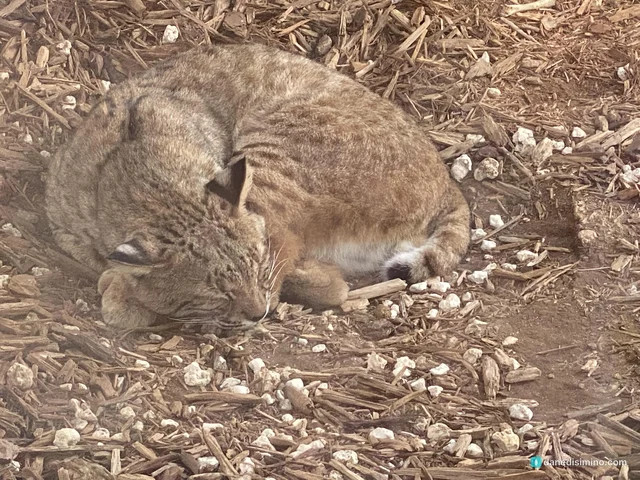
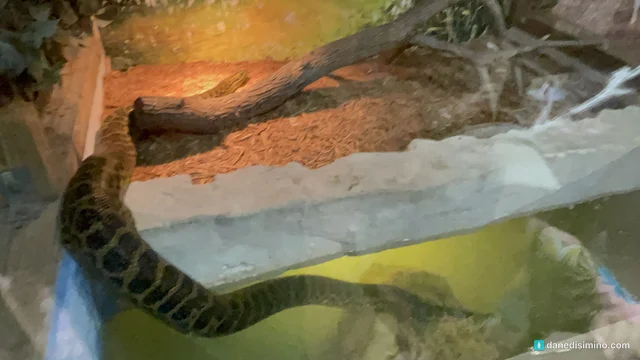
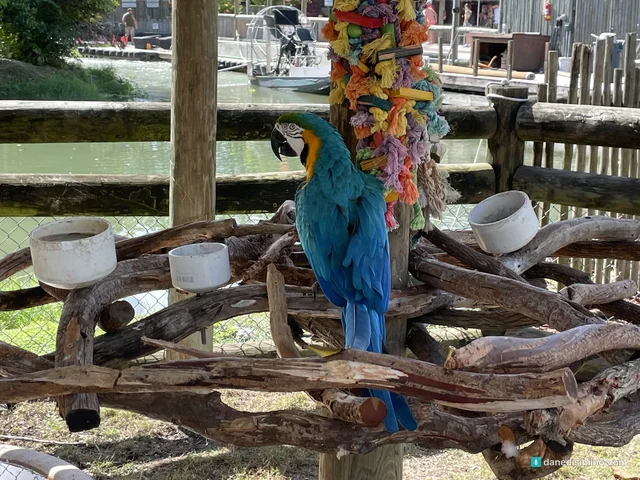
The next morning, on our way out, we stopped at the Everglades Alligator Farm in Homestead, just outside the park. I highly recommend it, because you can actually hold a baby alligator, which we did. There are hundreds of alligators, plus snakes, birds and other animals. Carrie got face to face with an emu, and we saw a bobcat napping and a bright macaw.
Where we stayed
We used an Airbnb as our base for all three Florida parks, and it had its own set of challenges. It was one of the first times we couldn't get in. The owner wasn't there and wasn't answering the phone. We knocked at another door on the property, but the man there didn't speak English, so getting in was a real struggle. And we learned that cockroaches are a fact of life in a lot of Florida homes. They weren't running everywhere, but we found them in the shower drains, which was unnerving.
Planning the three South Florida parks
All three parks are worth doing while you're there, but we didn't budget enough time. Here's what I'd do:
Biscayne, two days. Book a snorkel trip to the reefs or shipwrecks, and a boat to Boca Chita Key.
Dry Tortugas and Key West, two days. A day trip to the fort and the snorkeling, then a day to walk Key West, or go deep-sea fishing.
Everglades, two days. One for Royal Palm and the trails, one for Flamingo and a boat tour.
What I'd do differently
More time. One day wasn't enough. I wouldn't change much else.
Go out on the water twice. A Flamingo boat tour and a paddle trip.
Come in the dry season. December through March is best for wildlife and bugs.
What the Everglades taught me
The Everglades taught me to pay attention to the animals. From the anhinga drying its wings to the crocodile in the roots to the manatees that swam right up to the dock, every creature was telling us something about the One who made them.
"Just ask the animals, and they will teach you. Ask the birds of the sky, and they will tell you." (Job 12:7, NLT)
We asked. They told us plenty.
Questions?
Ask me anything about the Everglades: the Anhinga Trail, Flamingo boat tours, telling alligators from crocodiles, or planning all three South Florida parks. I answer every question.
Photos
Sources
- Everglades National Park (NPS)
- American crocodile species profile (NPS)
- Walk the Anhinga Trail (NPS)
- Birding along the Anhinga Trail (NPS)
- Flamingo boat tours (NPS)
- Birding at Flamingo (NPS)
- Fees and passes (NPS)
- Geology (NPS)
- Meet Everglades: The Flow of Life (NPS)
- Park establishment (NPS)
- A beginning for the park (NPS)
- Foundation document overview (NPS)
- Marjory Stoneman Douglas (NPS)
- Everglades National Park: World Heritage Site (NPS)
- Everglades Alligator Farm
Pathlight
Park guides from the road. A printable trip sheet comes with them when one is ready.