
NATIONAL PARKS
Virgin Islands
A Field Guide
On this page
Four December days in the Caribbean, and one of my top three national parks. Turquoise bays on St. John, the underwater snorkel trail at Trunk Bay, swimming above a sea turtle, stingrays and a moray eel, and why next time we'd stay on St. John, camp at Cinnamon Bay and skip the ferries.
Version 1.1 · Updated Nov 17, 2026
Map
When to go
Average monthly visits, 2023–2025. Source: NPS visitor statistics. ● marks the months we visited.
| January | 42,601 |
|---|---|
| February | 39,793 |
| March | 48,080 |
| April | 43,597 |
| May | 39,584 |
| June | 38,387 |
| July | 37,830 |
| August | 19,501 |
| September | 14,145 |
| October | 16,481 |
| November | 31,511 |
| December | 41,085 |
Virgin Islands National Park is definitely in my top five national parks, and probably my top three.
I'm a Colorado guy. A mountain man. But put me at the ocean and I become a kid again. I love the beach, I love to snorkel, and I love to swim, and St. John has some of the most beautiful water I've ever seen.
We went from December 20 to 23, 2022.
Swimming above a sea turtle was one of the most amazing experiences of my life.
The short version
The park is on St. John. About two-thirds of the island is national park. Stay there if you can.
Camp at Cinnamon Bay. The campground is inside the park, right on one of its longest beaches.
You don't need a car. Taxis can get you from beach to beach.
Snorkel everything. Over 40% of the park is underwater. Swim the underwater trail at Trunk Bay.
Bring reef-safe sunscreen. Check the ingredients, not just the label.
The park at a glance
- 2/3
- Of St. John is national park
- 40%+
- Of the park is underwater
- 1956
- Established
- $0
- Entrance fee
Where: St. John, in the U.S. Virgin Islands, east of Puerto Rico.
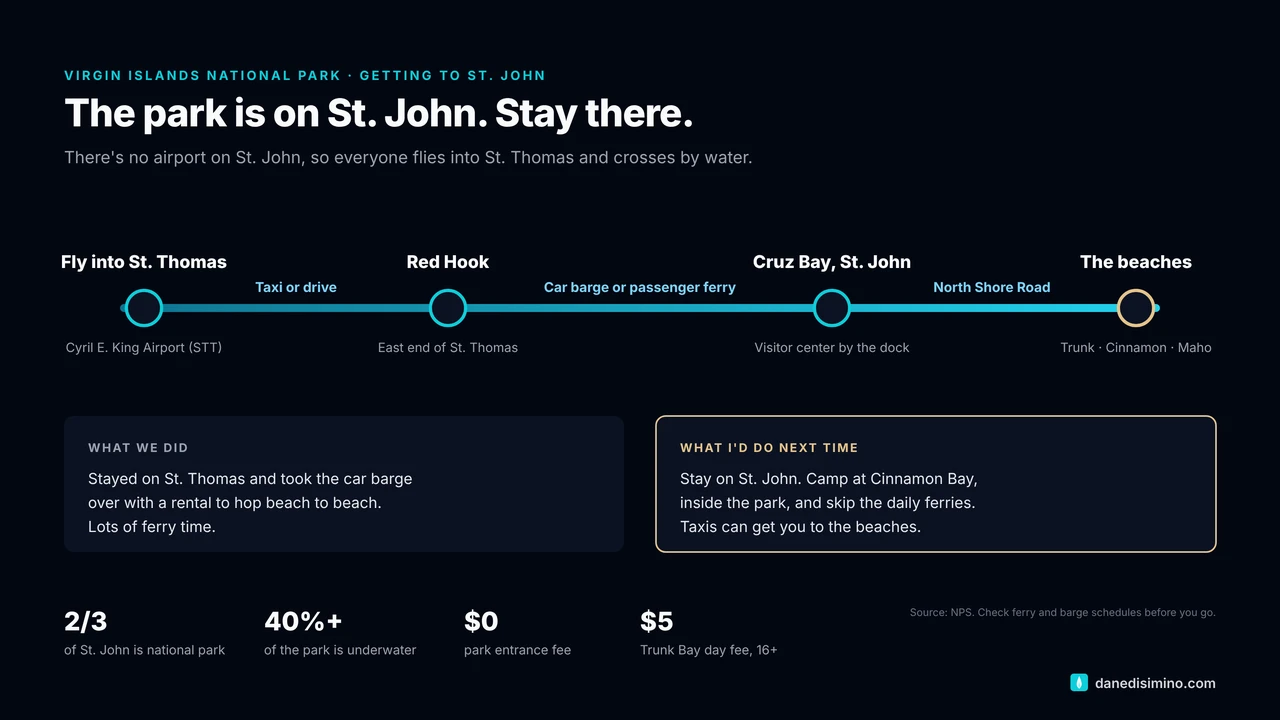
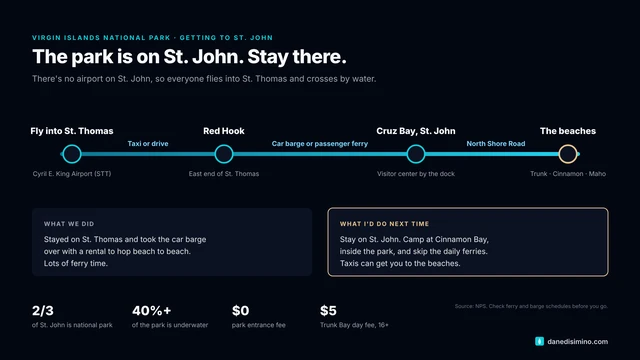
Getting there: there's no airport on St. John. Fly into Cyril E. King Airport (STT) on St. Thomas, get to Red Hook on the east end, then take the passenger ferry or the car barge to Cruz Bay.
Fees: no entrance fee. Trunk Bay charges a $5 day-use fee for ages 16 and up, card or mobile payment only.
Weather: the trade winds blow year-round. Winter is usually windier and drier; summer brings more rain. Watch the forecast during hurricane season.
Contact: nps.gov/viis. In an emergency, call 911.
Getting there
Getting there was an adventure of its own. Snowstorms out of Chicago disrupted our flights. Plenty of flights reach St. Thomas, often with connections through hubs like Chicago, Houston or Florida, but in winter, build in a buffer.
We stayed at an Airbnb on St. Thomas, and it was lovely. But the national park is on St. John, so every park day started and ended with the car barge.
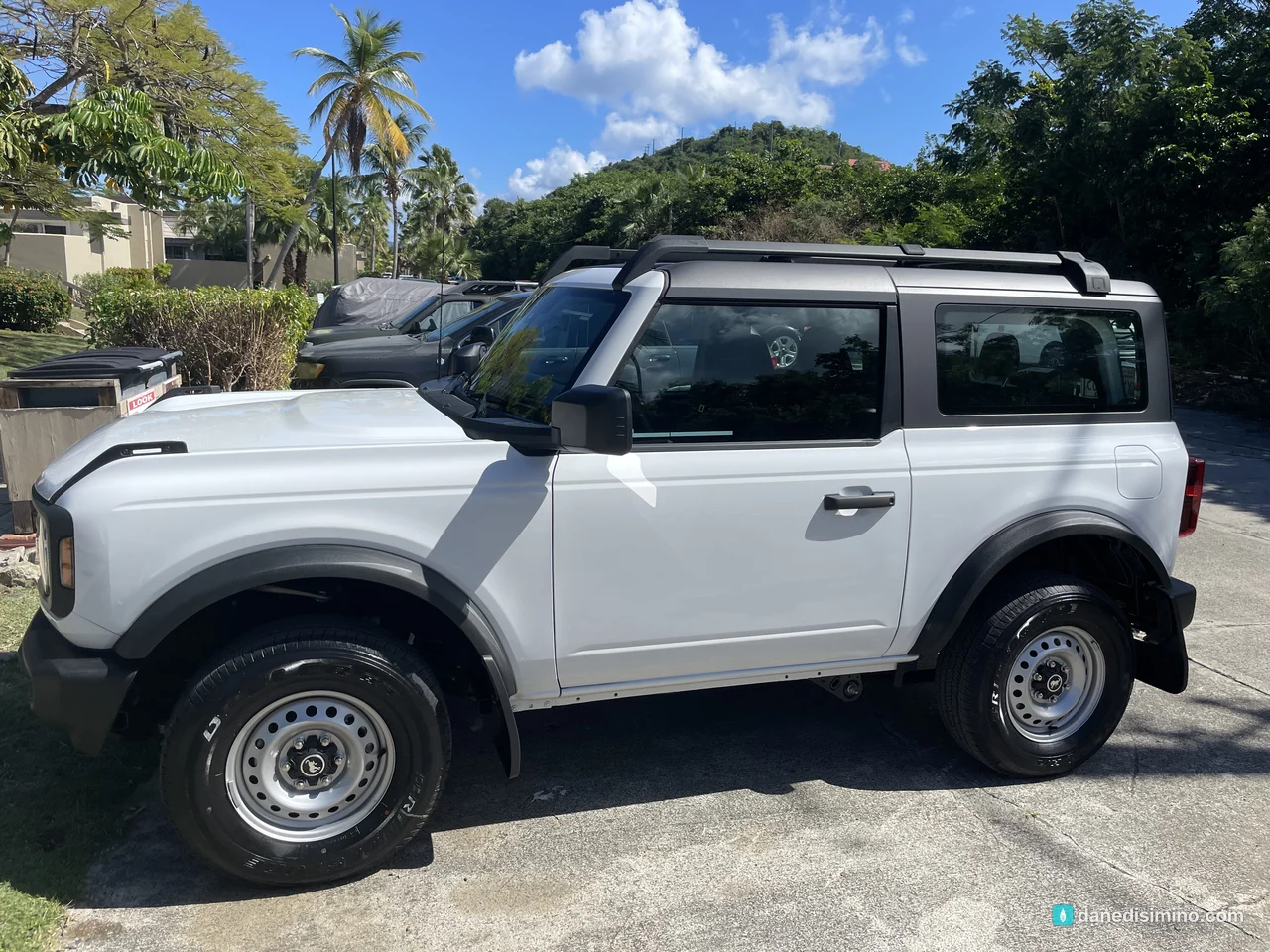
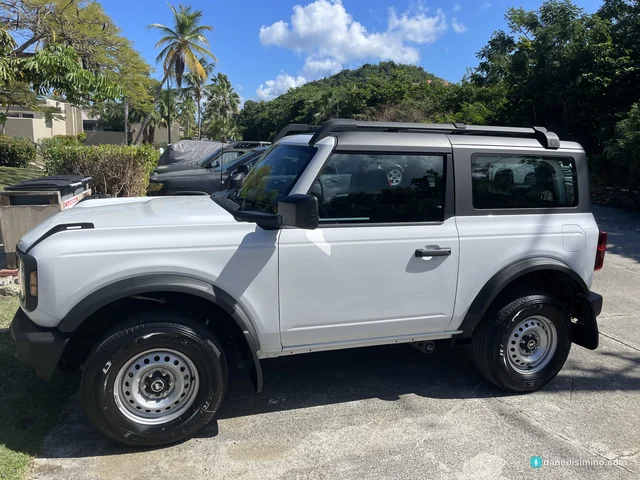
We rented a brand-new Bronco, took it across on the car barge and drove beach to beach on St. John. It was fun on the steep, curvy island roads. But you don't need a car. Taxis would have done the job.
St. John's story
The beaches are the draw, but the park also protects a long and painful human history.
The Taíno. People have lived on St. John for more than 3,000 years. Indigenous Taíno people settled around bays like Cinnamon Bay and carved petroglyphs into the rock, which you can still see on the Reef Bay hike.
Sugar and slavery. In the 1700s, Danish colonists cleared the hillsides for sugar plantations worked by enslaved Africans. You can tour the ruins of the windmill, sugar factory and enslaved people's quarters at Annaberg Plantation, the park's most accessible historic site, and walk the half-mile Cinnamon Bay Loop Trail past more ruins near the beach where we swam.
The 1733 insurrection. On November 23, 1733, enslaved Akwamu people, led by King Claes, King Juni and Kanta, took the Danish fort at Coral Bay. They held much of the island for about six months until French troops from Martinique helped the Danes retake it. The NPS calls it the first time enslaved people took control of a colony, and it inspired revolts that followed.
How the park began
In the 1950s, Laurance Rockefeller led an effort to buy about 5,000 acres of St. John, funded by his family through the Jackson Hole Preserve, the same organization behind much of Grand Teton. He gave the land to the nation, and in 1956, Congress accepted it to form Virgin Islands National Park.
St. John's beaches
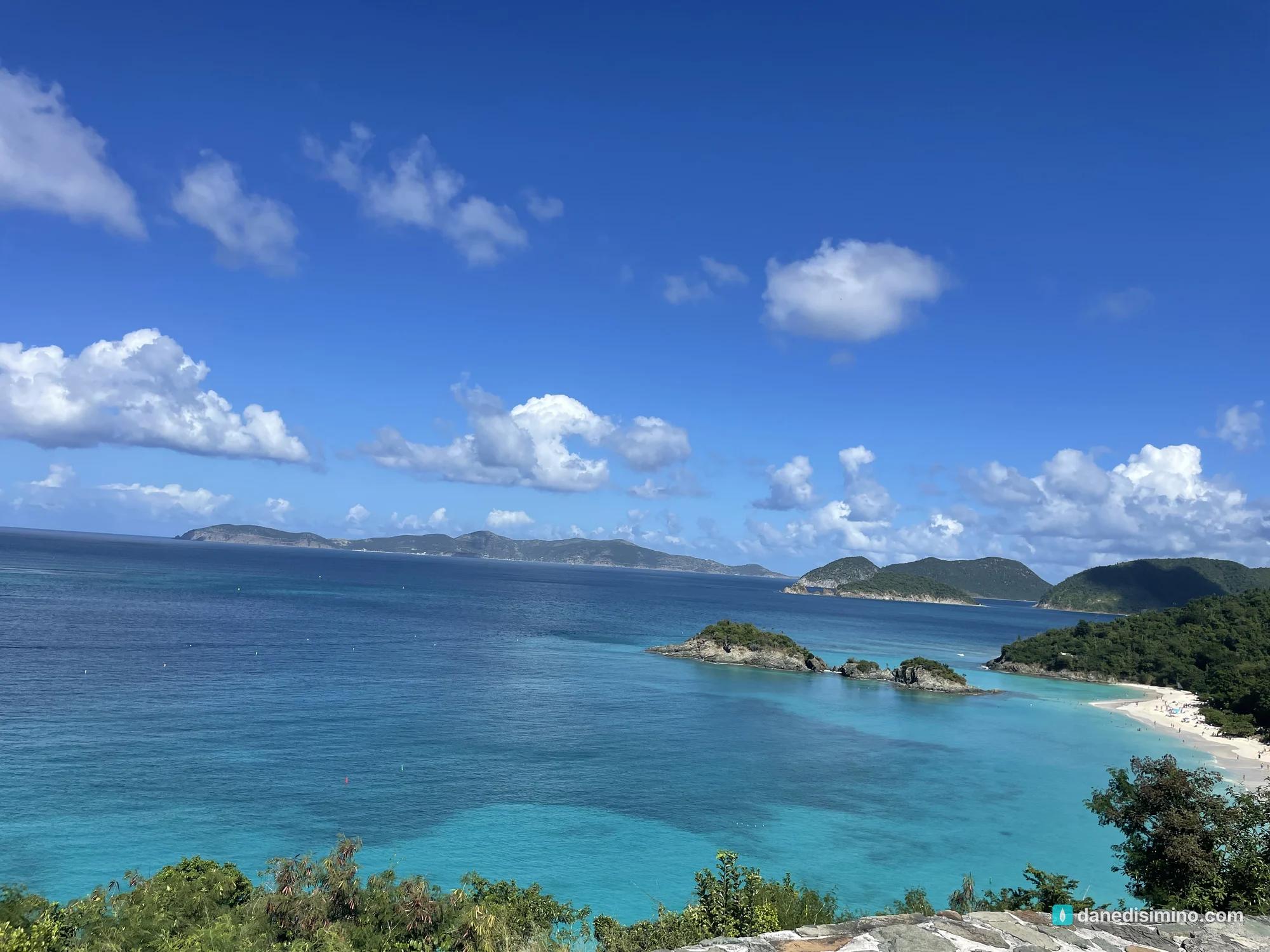
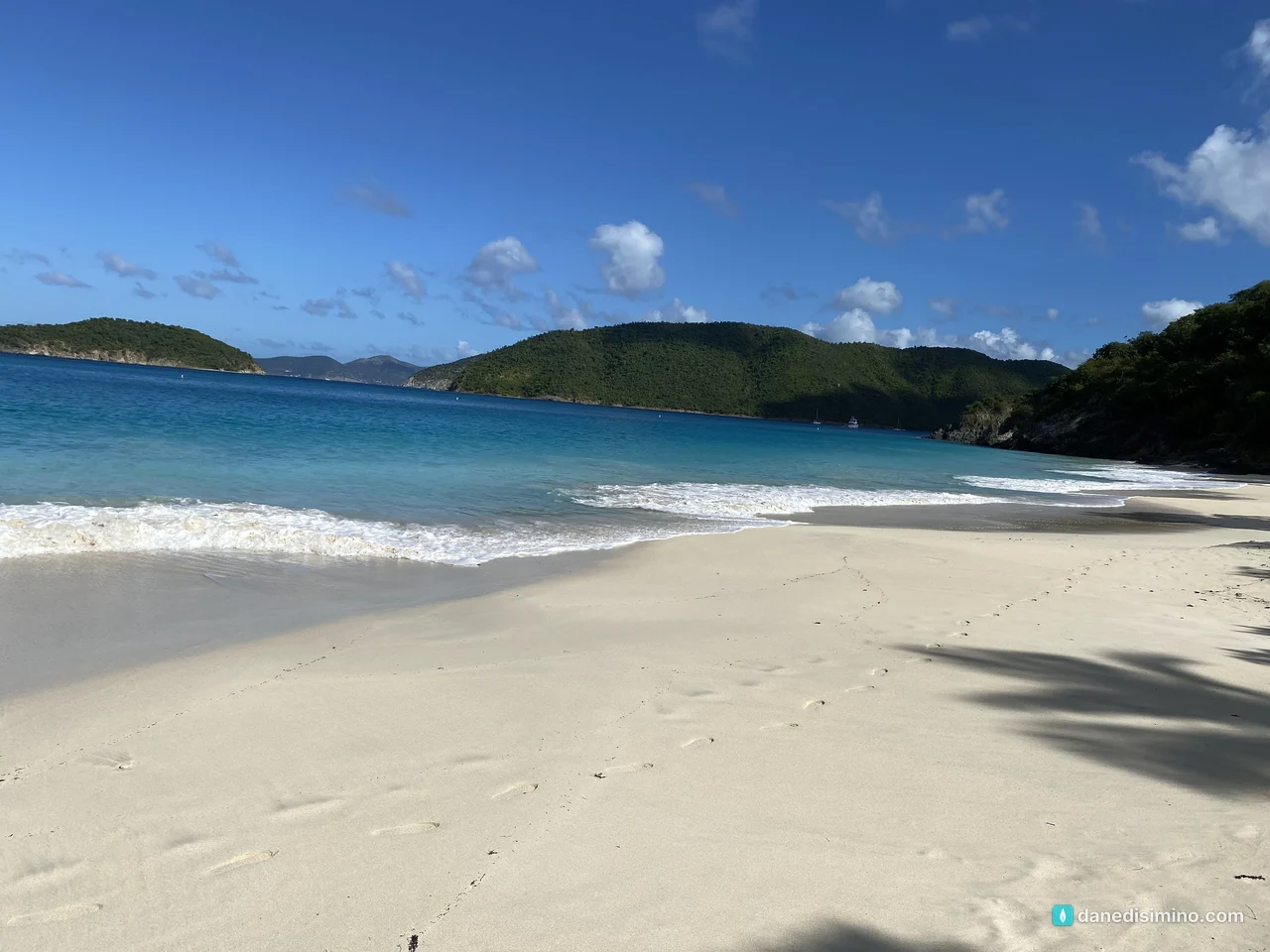
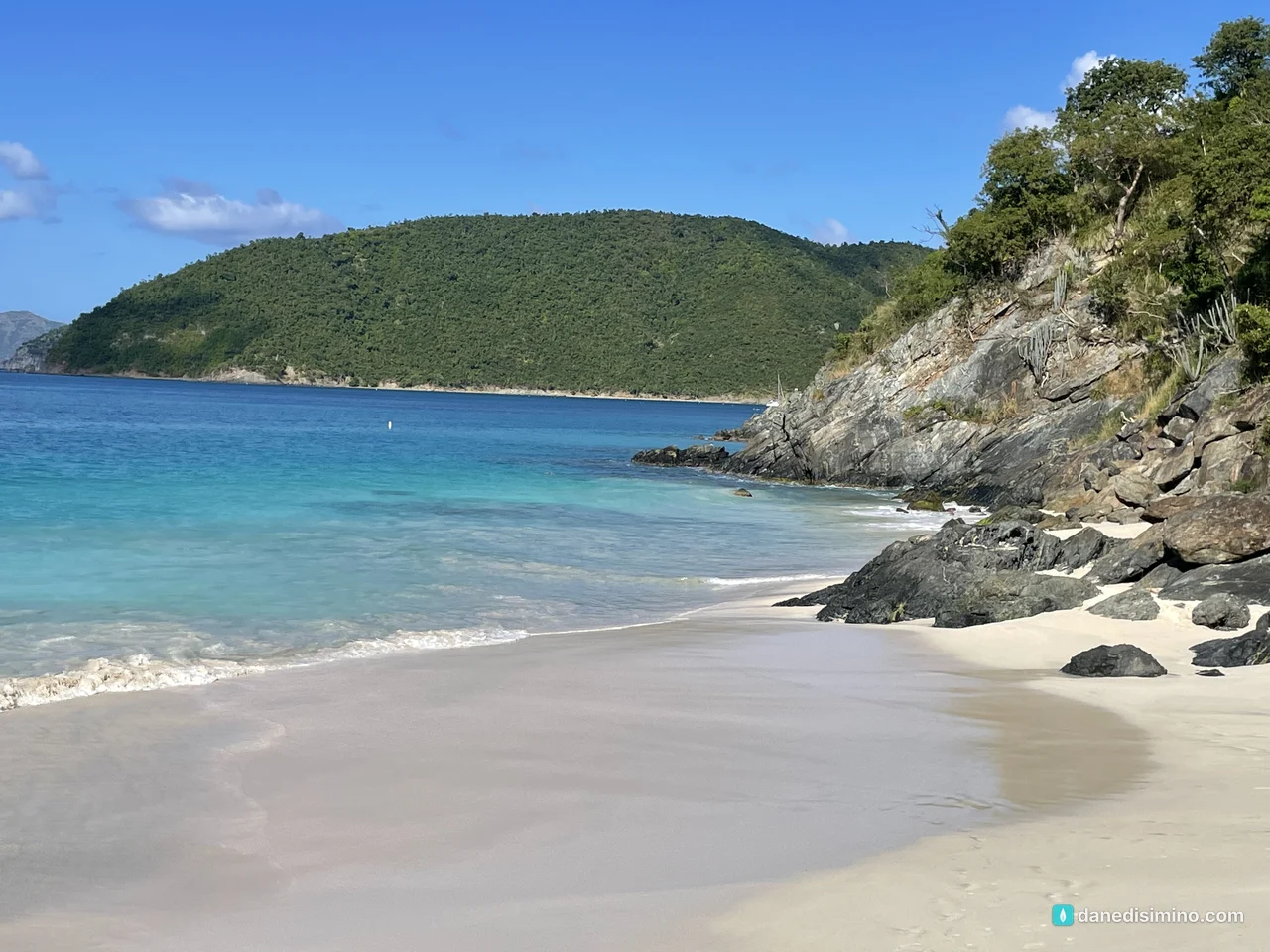
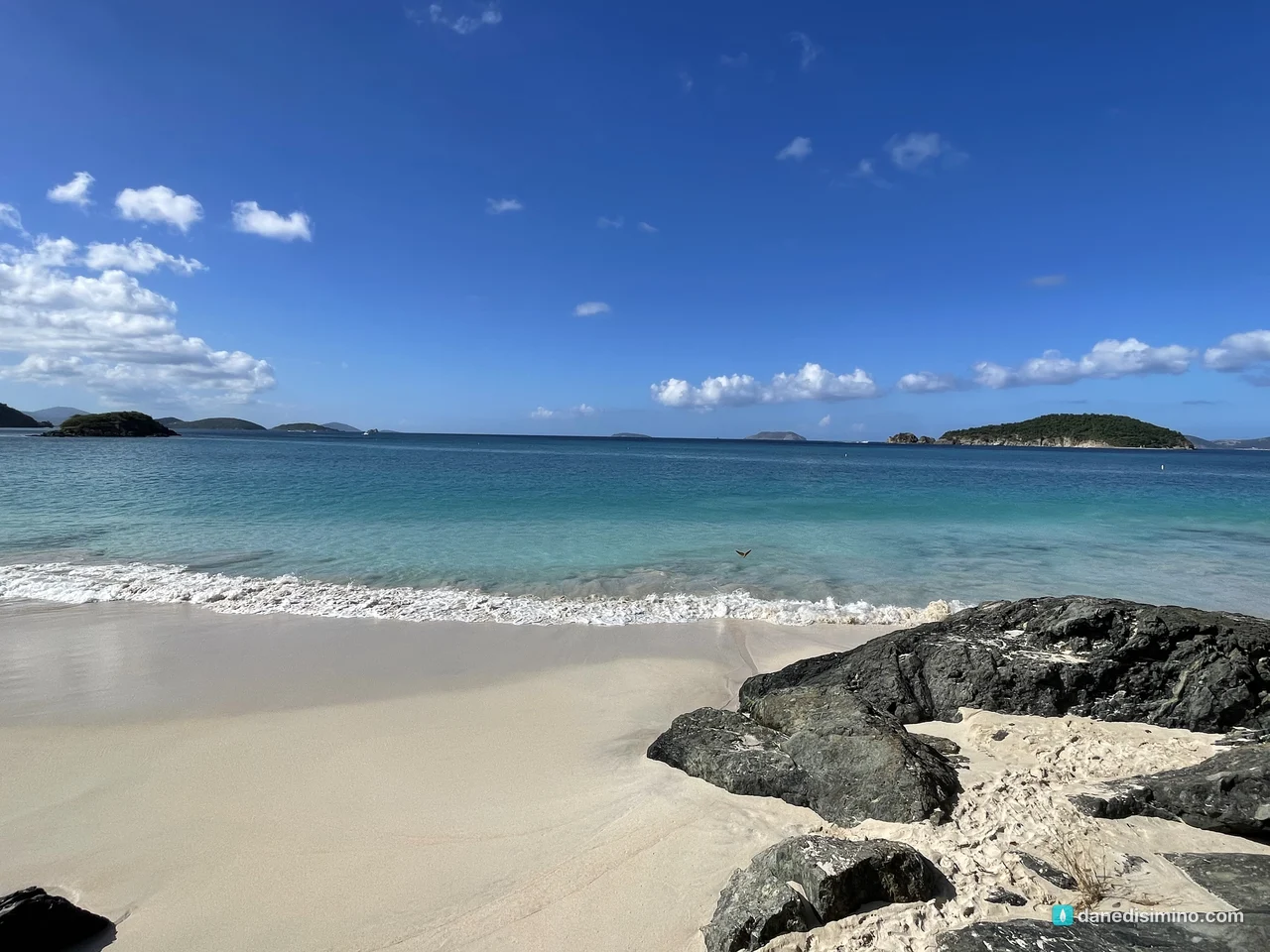
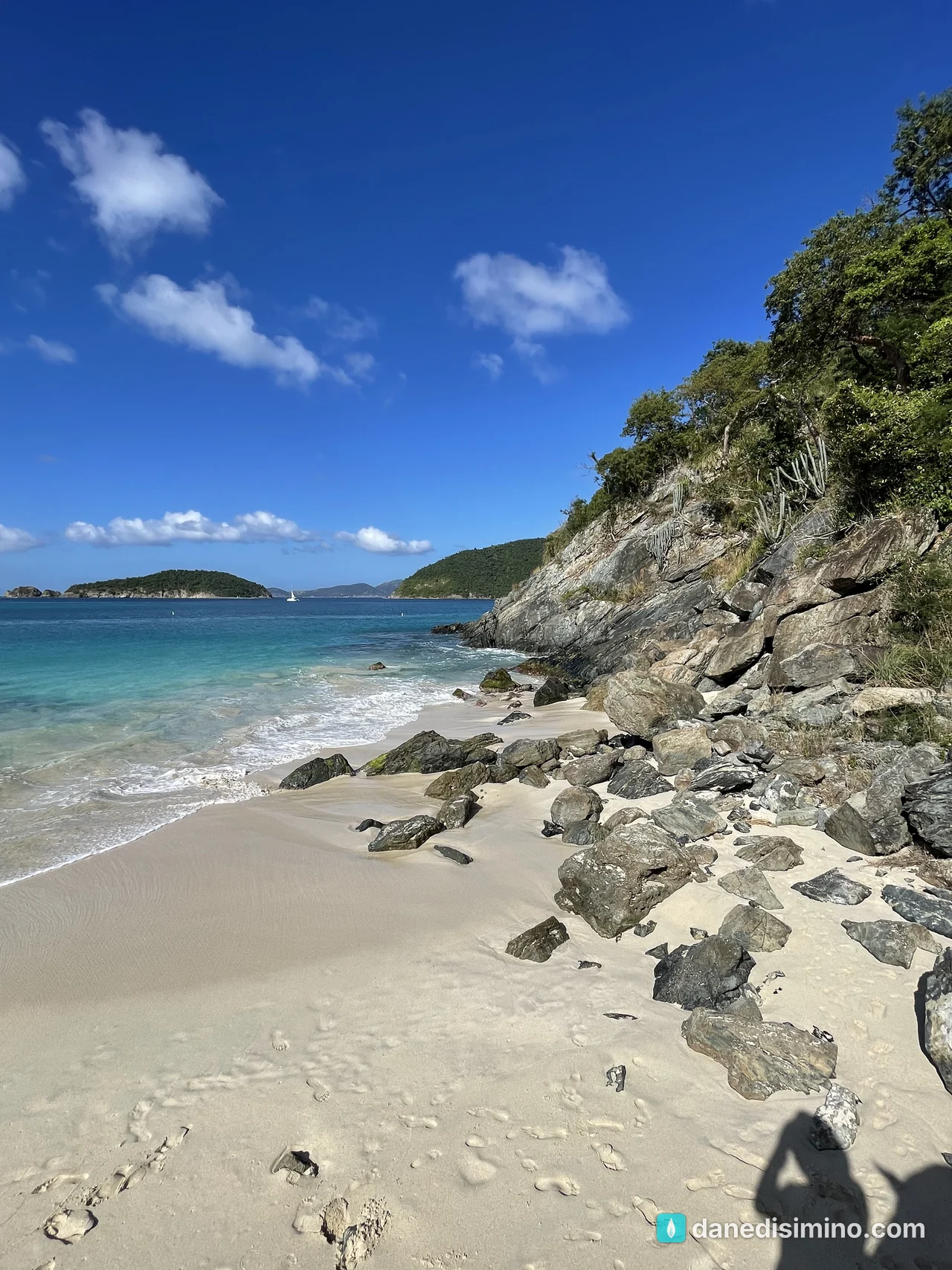
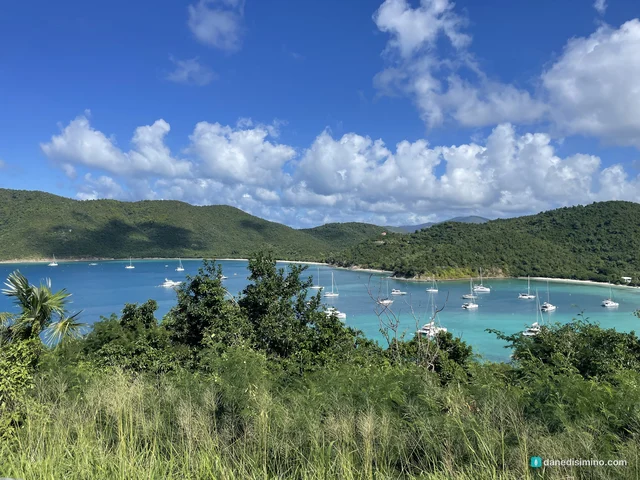
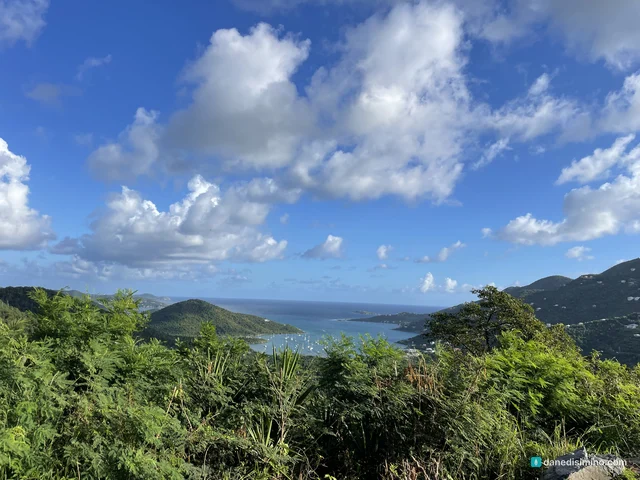
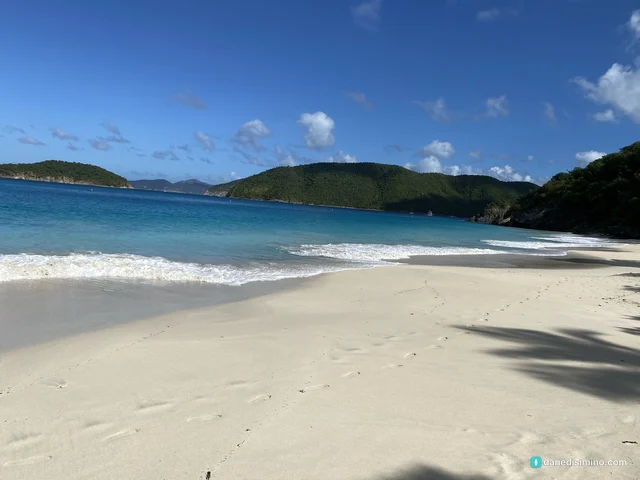
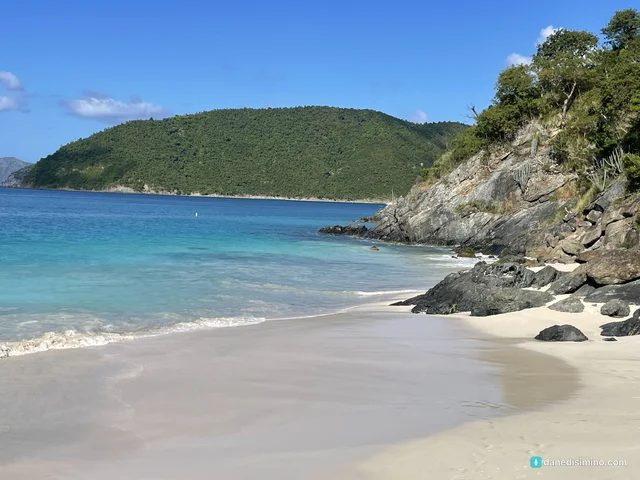
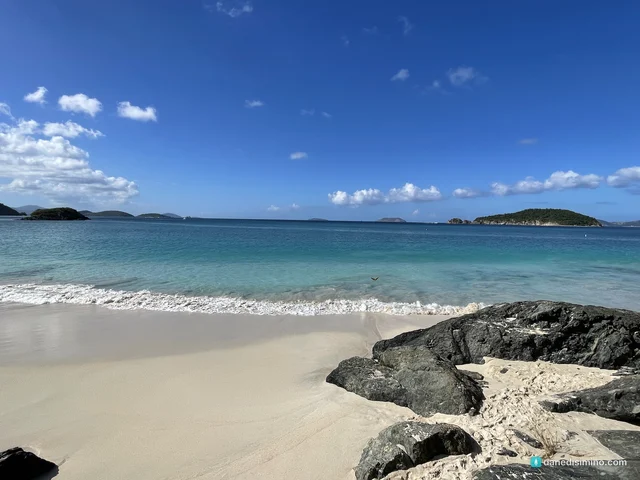
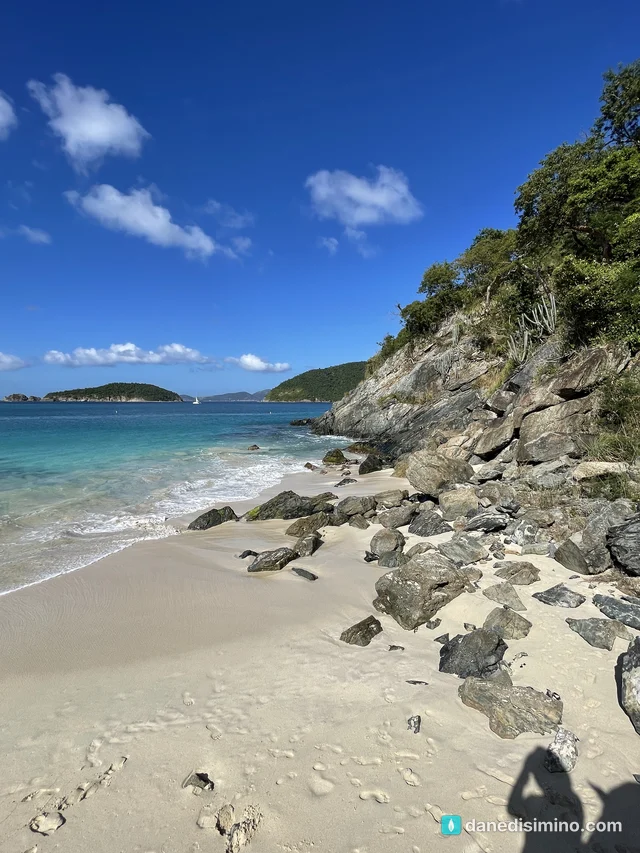
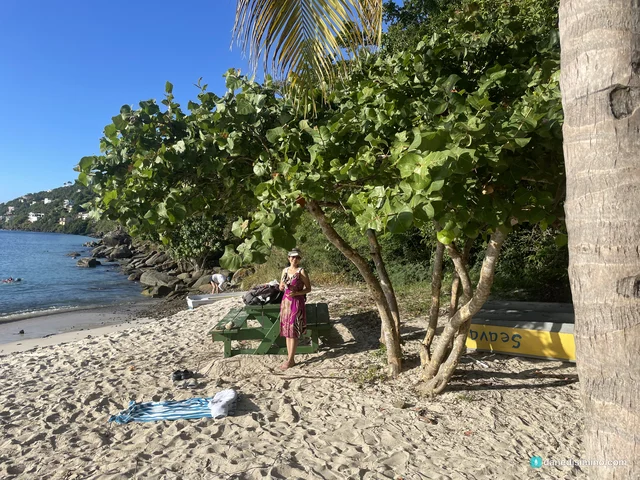
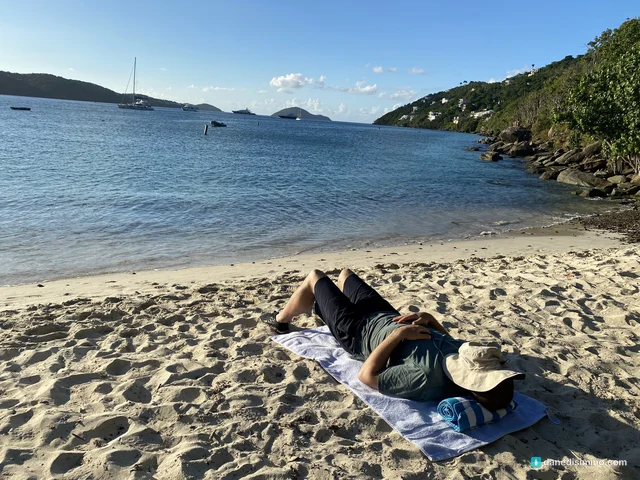
St. John's North Shore is one stunning bay after another: white sand, turquoise water, green hills dropping into the sea.
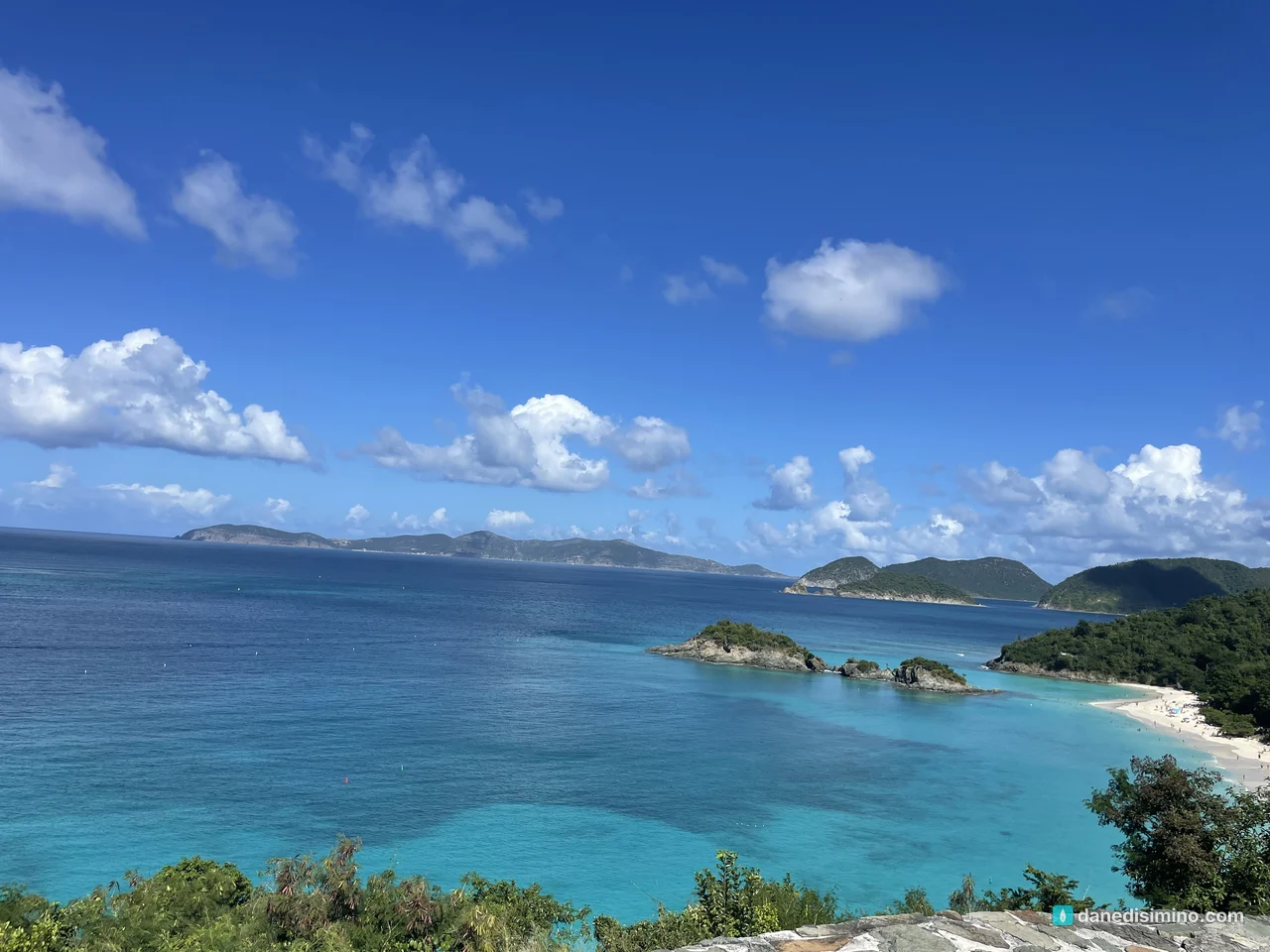
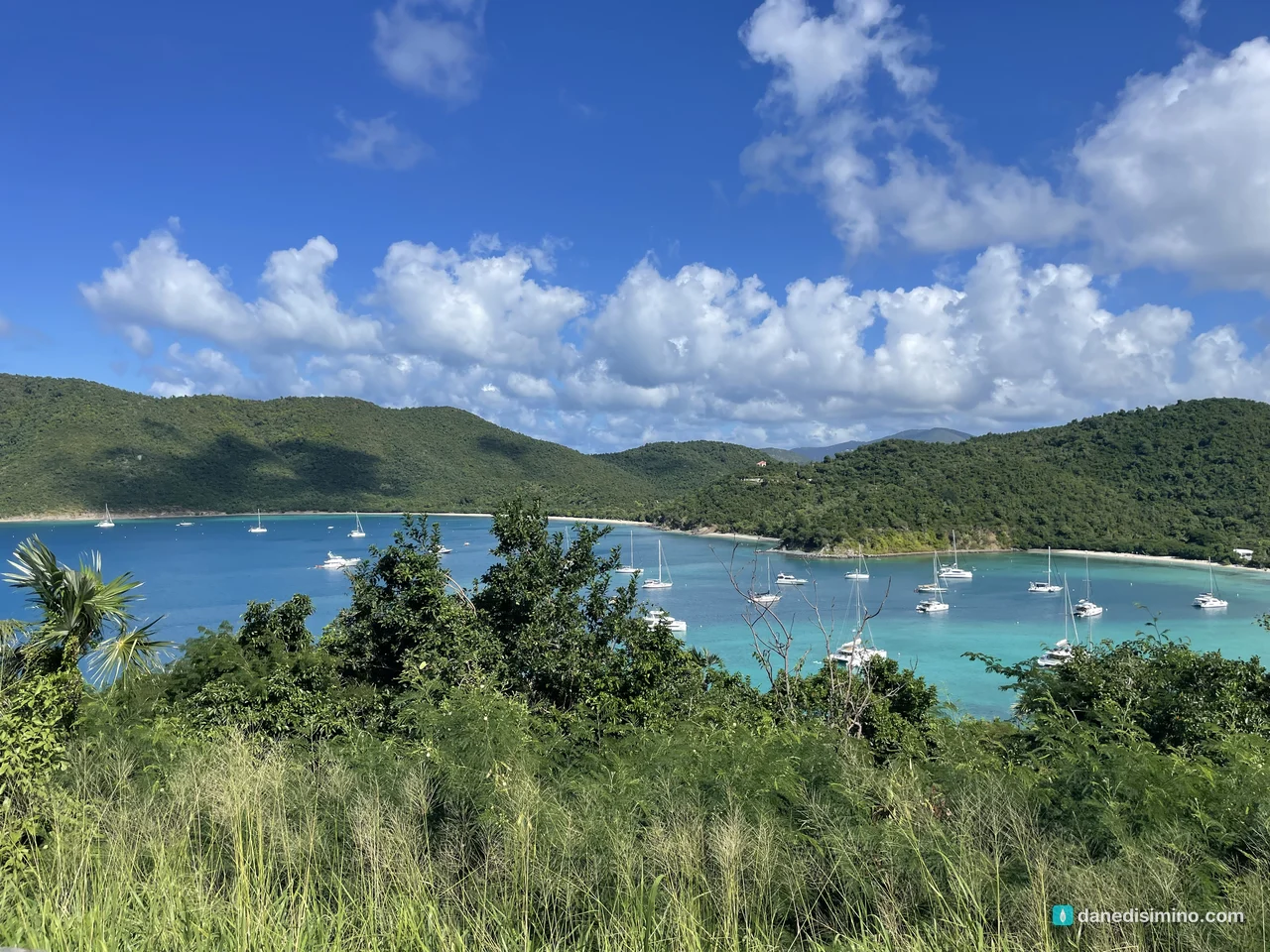
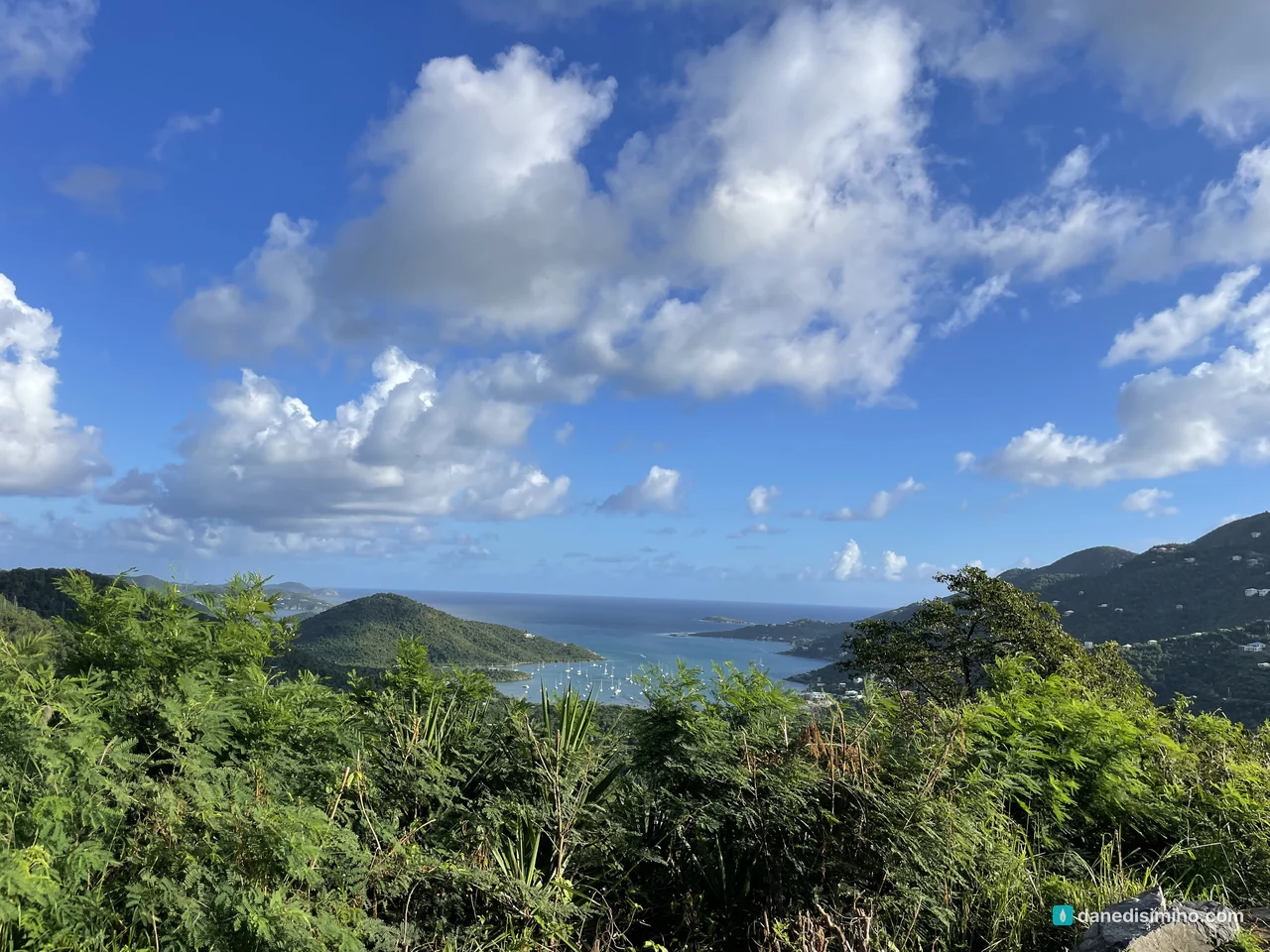
Cinnamon Bay was one of my favorites. It's one of the longest beaches in the park, with shade under the trees and clear water for snorkeling. It also has a campground, with eco-tents, platform tents and bare sites, plus food and gear rentals.
Under the surface
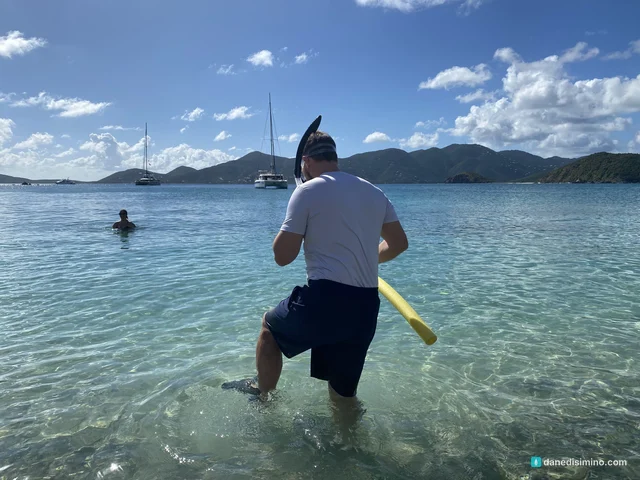
This is why I'd go back. I snorkeled every chance I got.
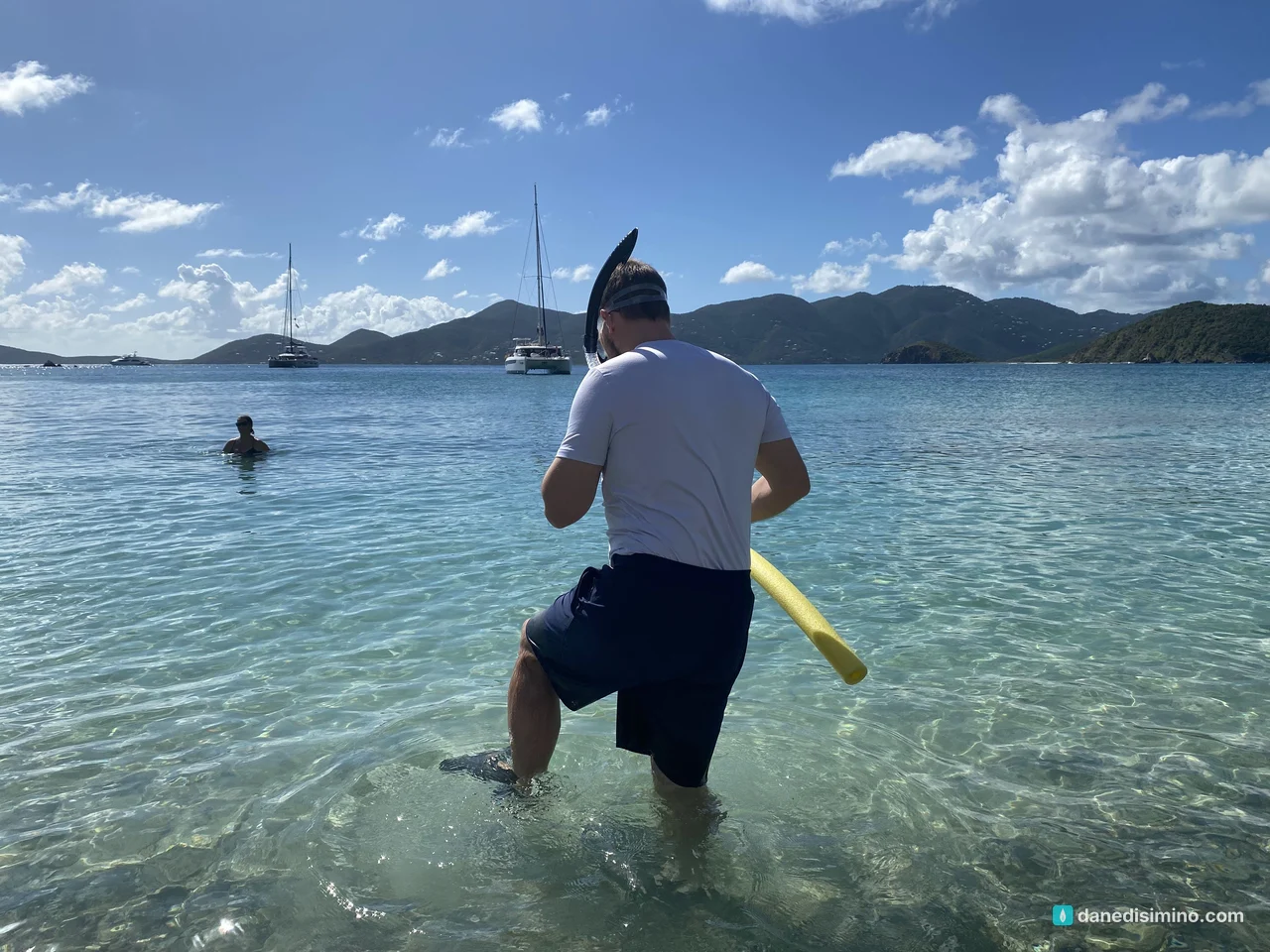
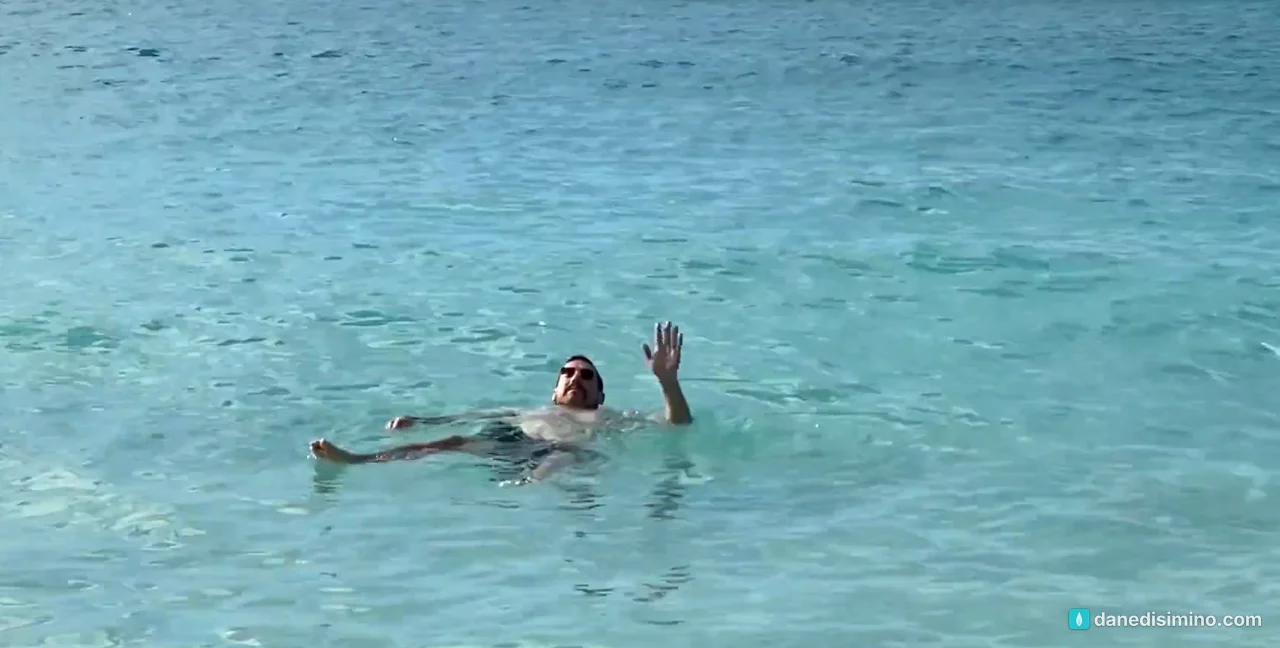
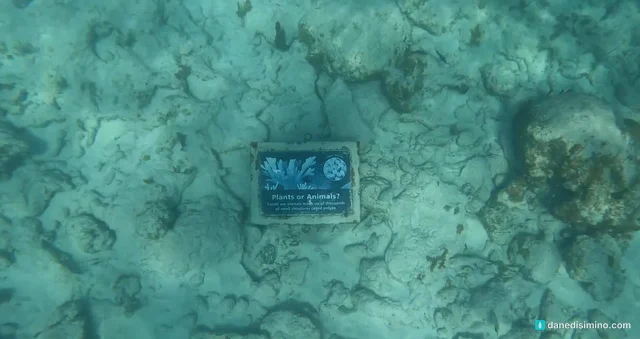
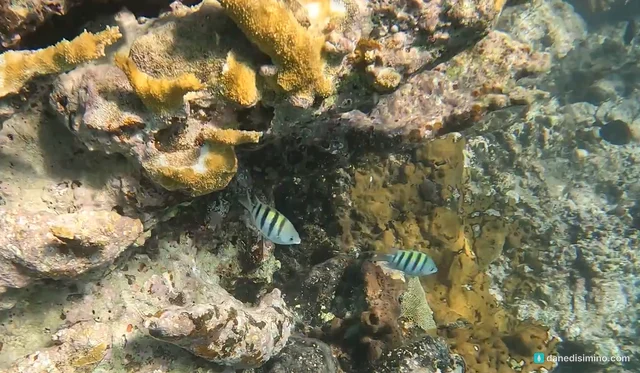
Trunk Bay has a one-of-a-kind underwater snorkel trail. Markers sit on the sea floor, and you read them as you swim along, learning about the coral and fish right below you.
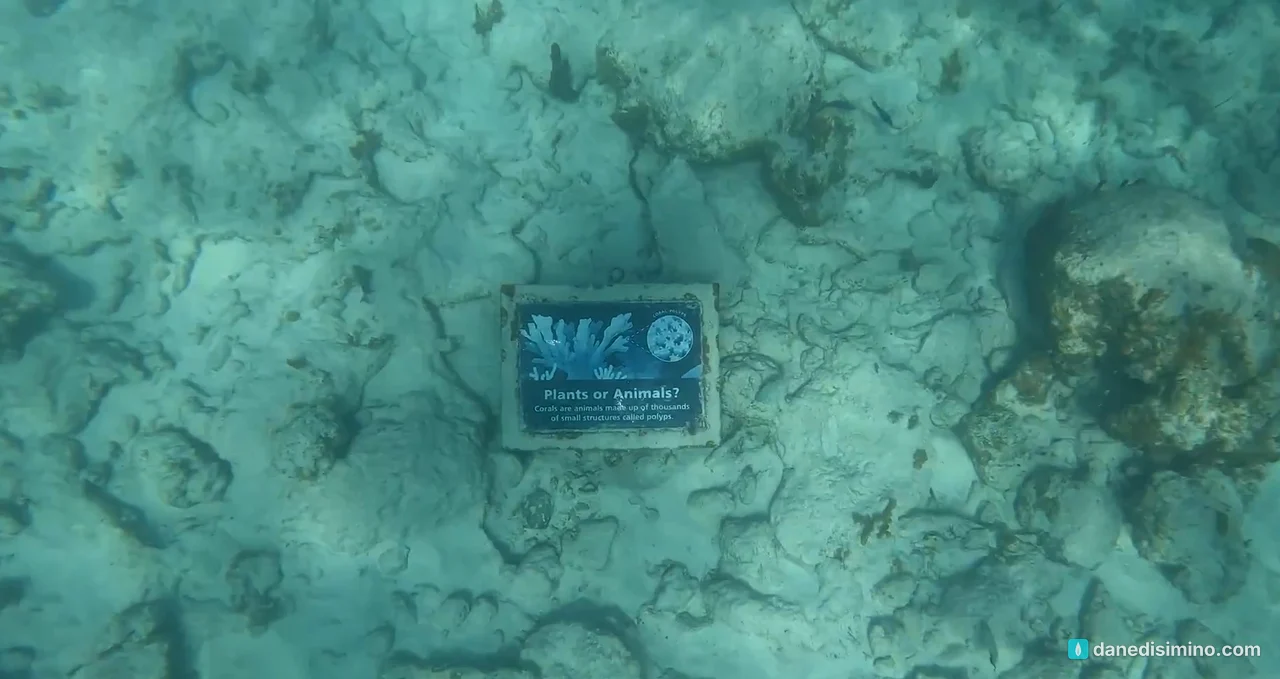
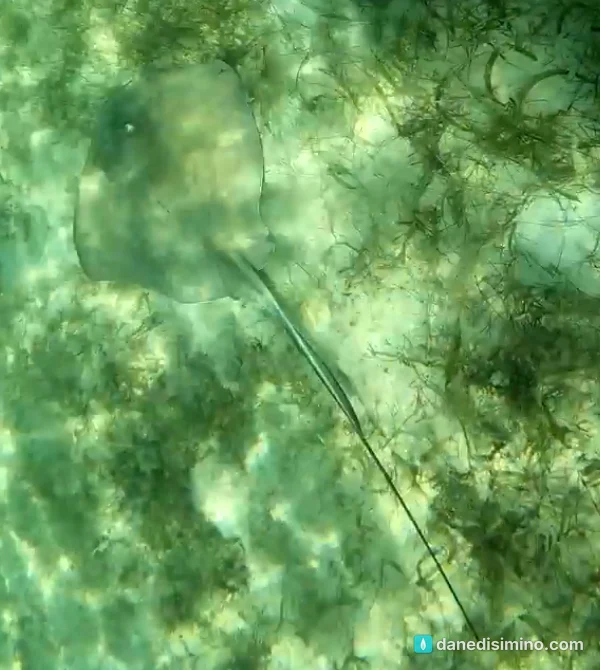
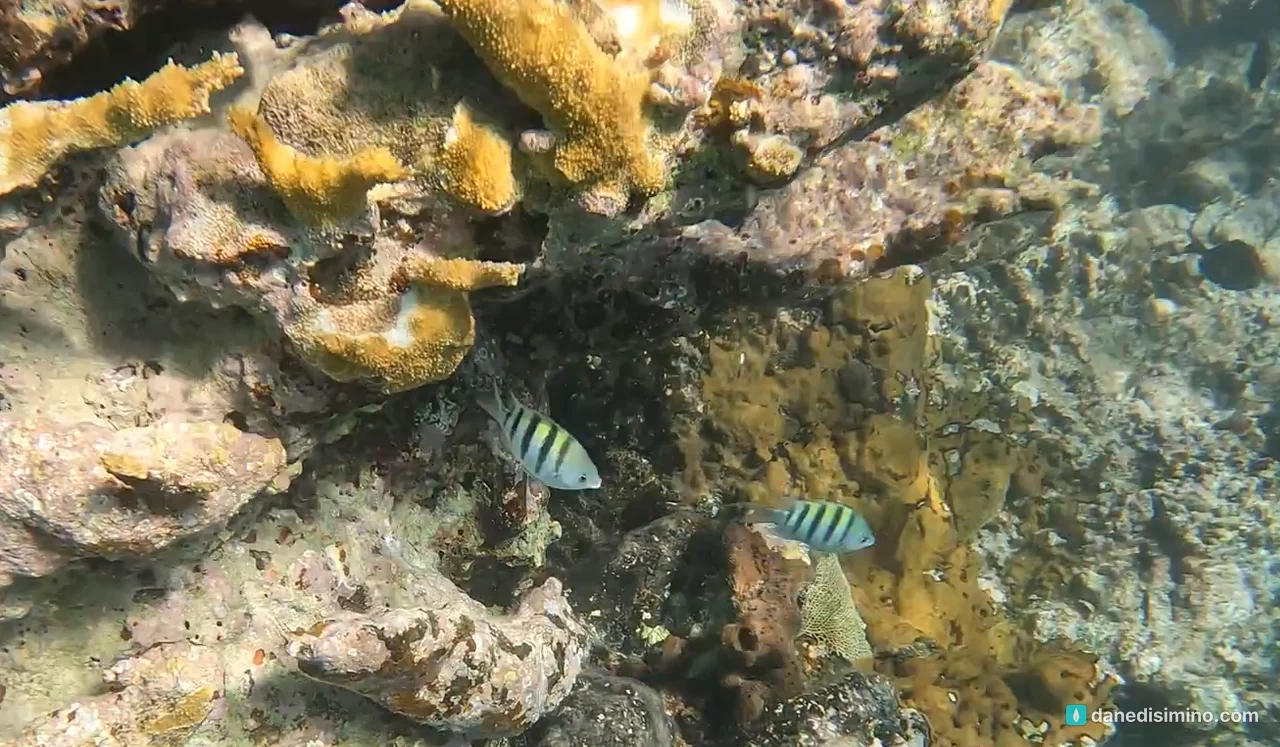
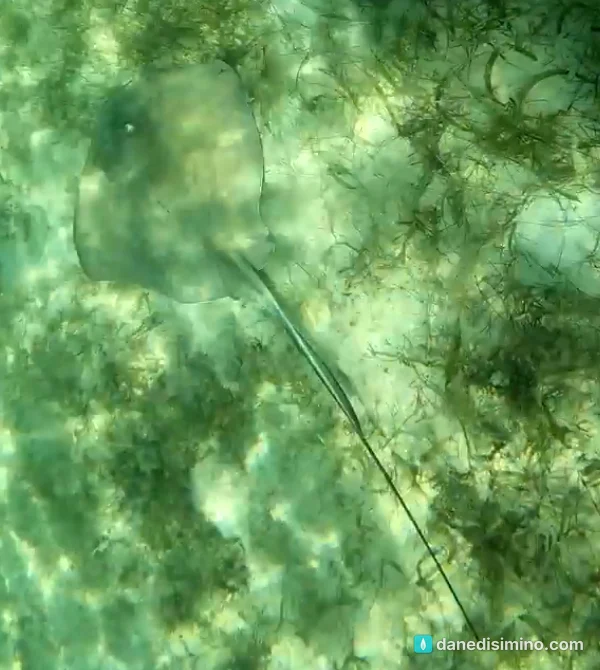
We saw stingrays, colorful fish, a moray eel and a barracuda.
The sea turtles
One beach had sea turtles everywhere. Of course, my GoPro had broken the day before, so I don't have a single picture. But I'll never forget it. I swam right above a sea turtle as it grazed on the seagrass, and it was one of the most amazing experiences of my life.
St. Thomas
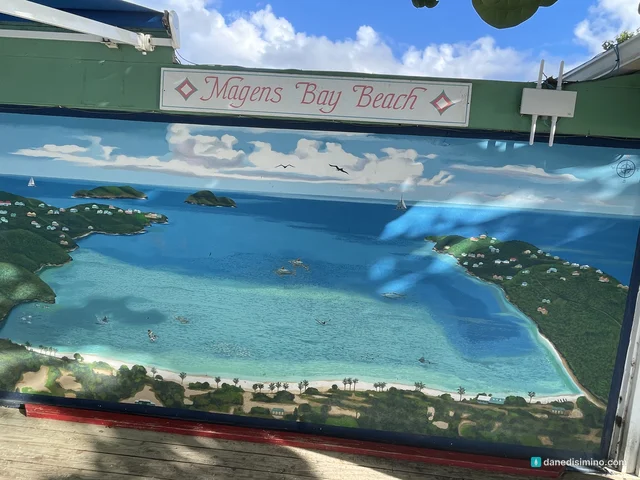
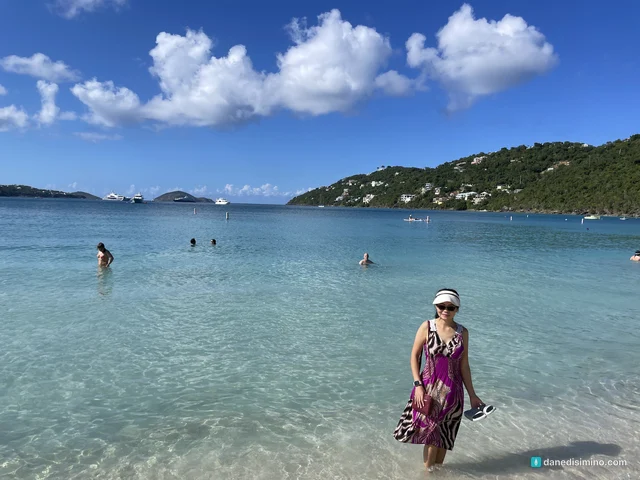
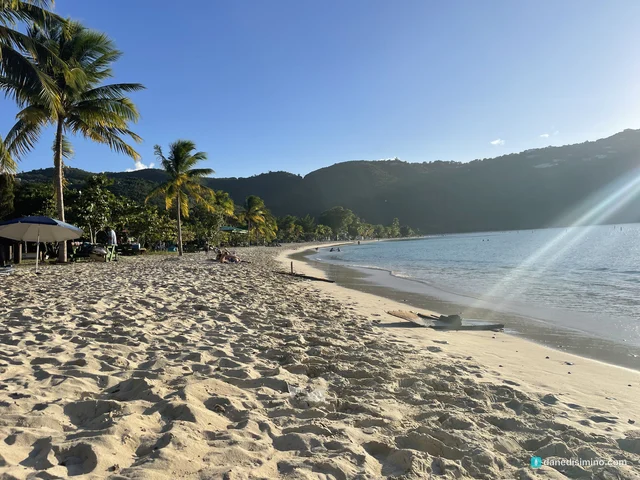
We spent our first afternoon at Magens Bay on St. Thomas. It's outside the national park, but it's a beautiful, calm beach and an easy first stop after you land.
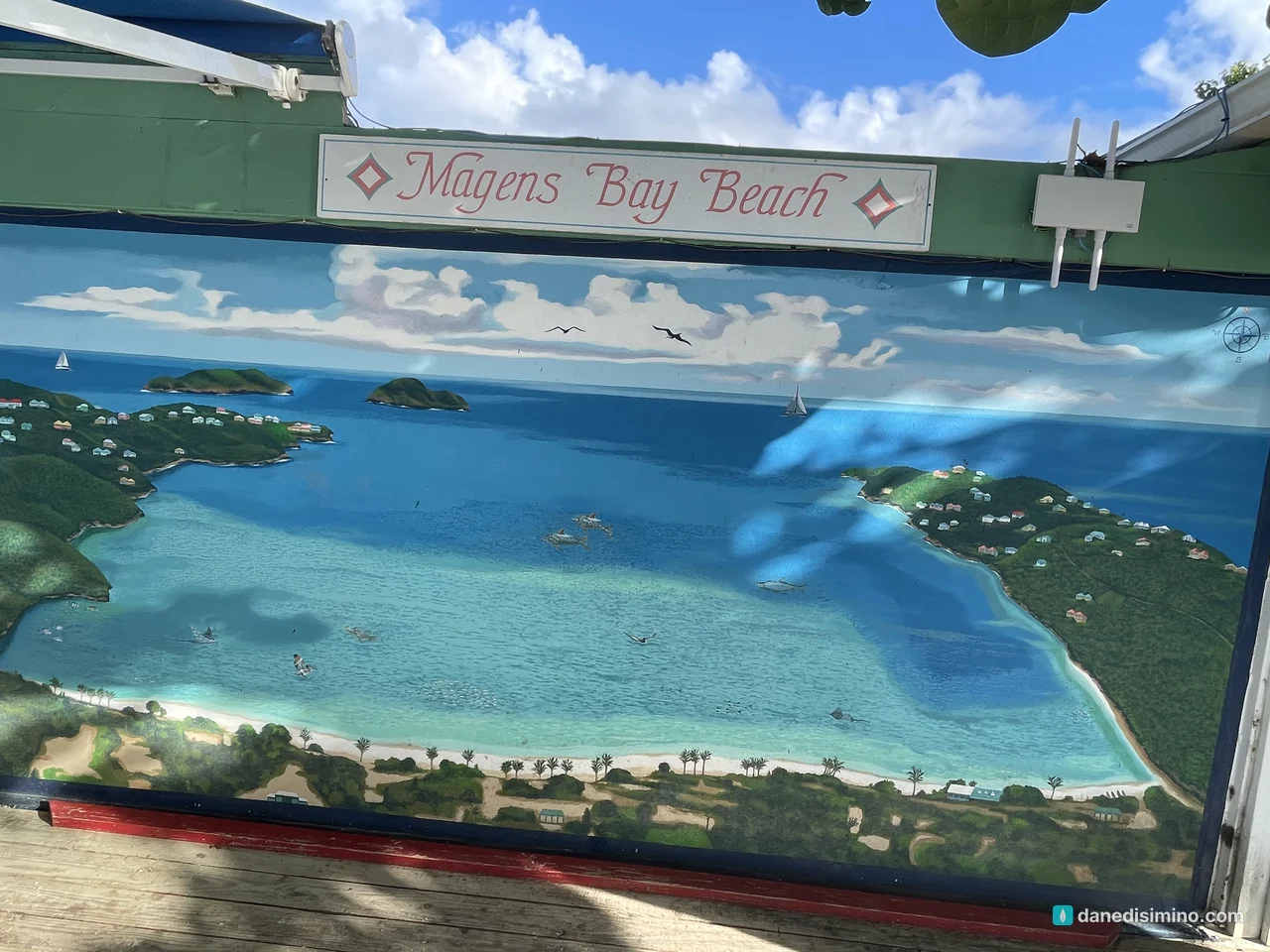
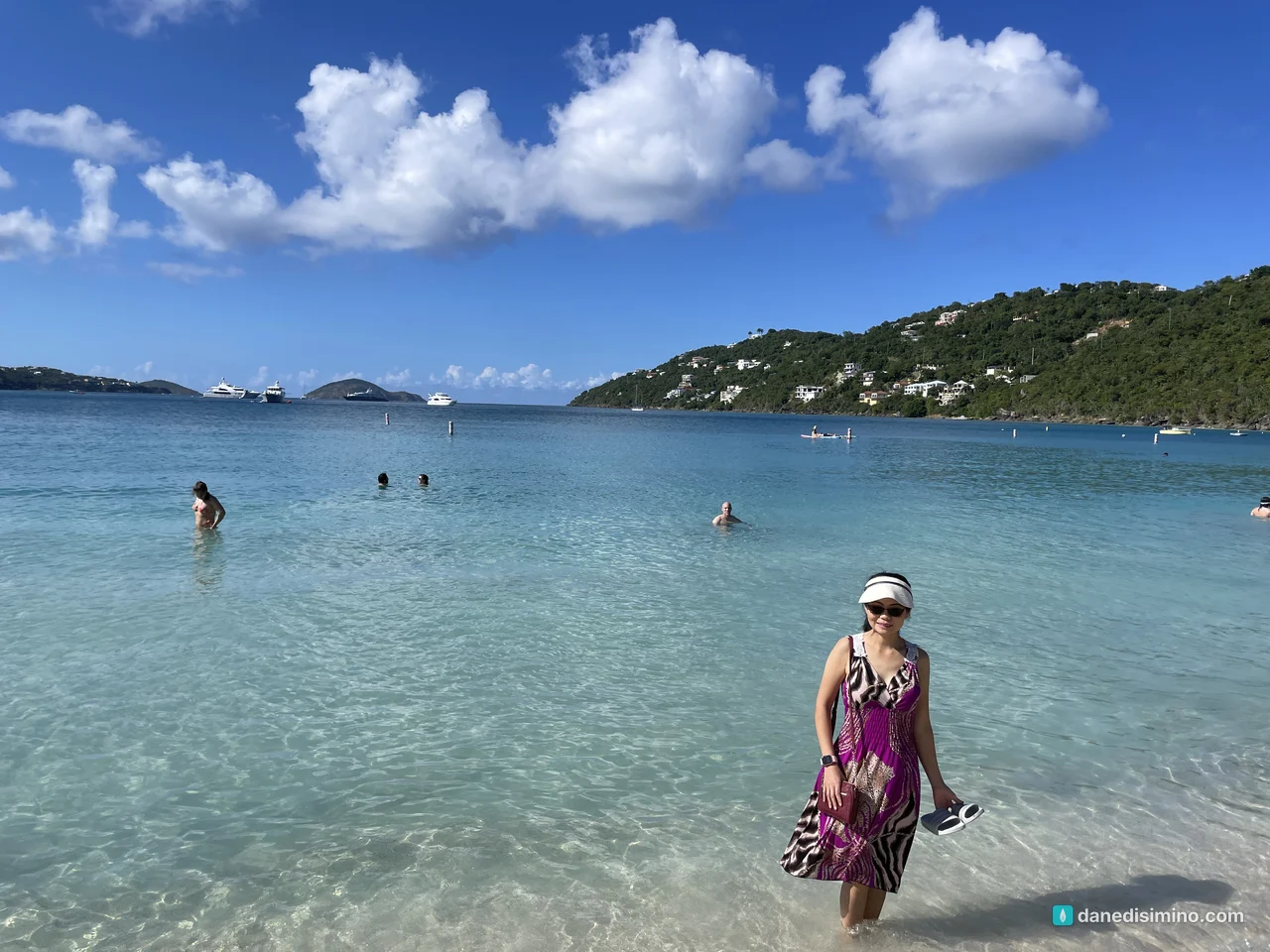
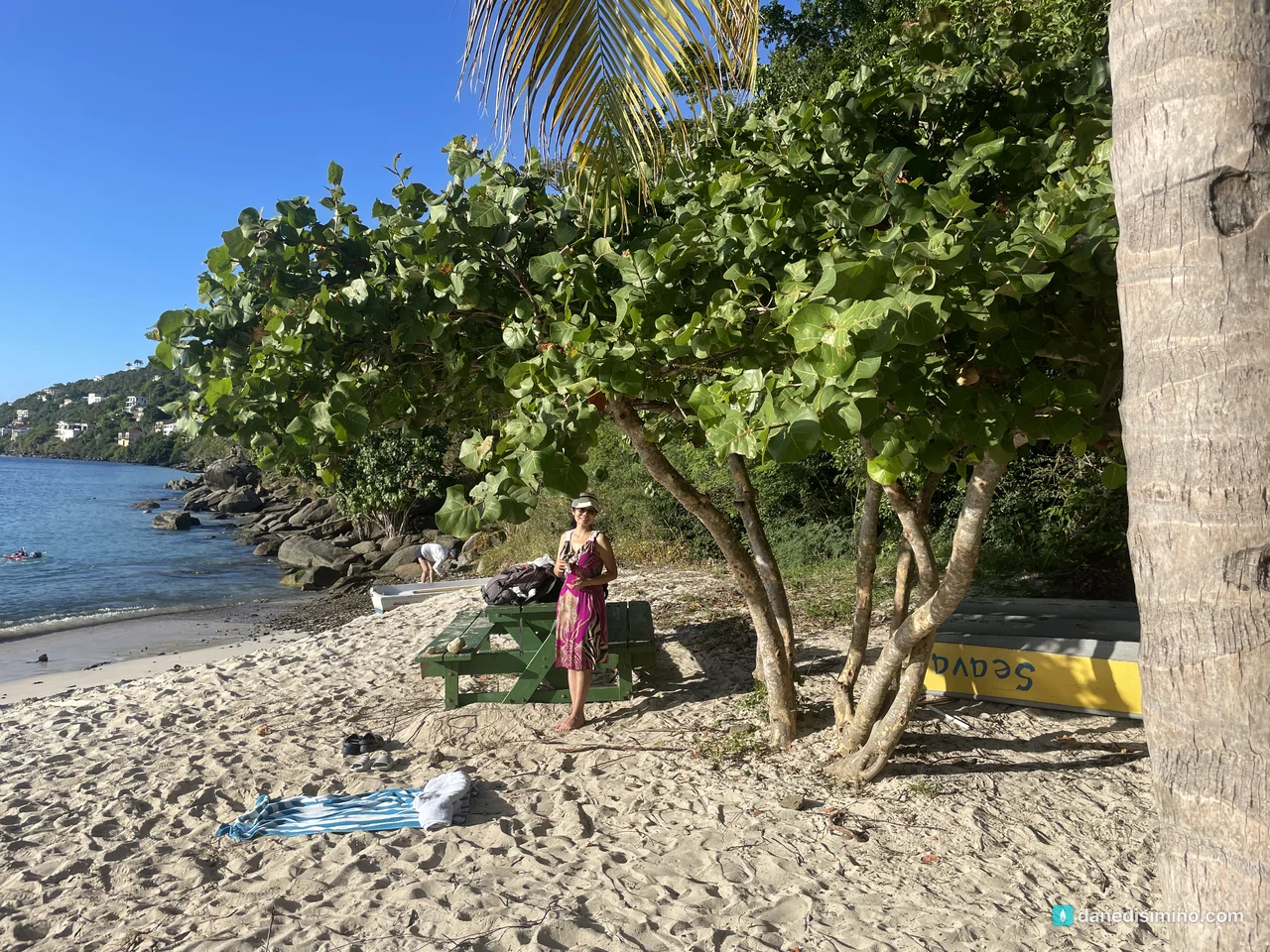
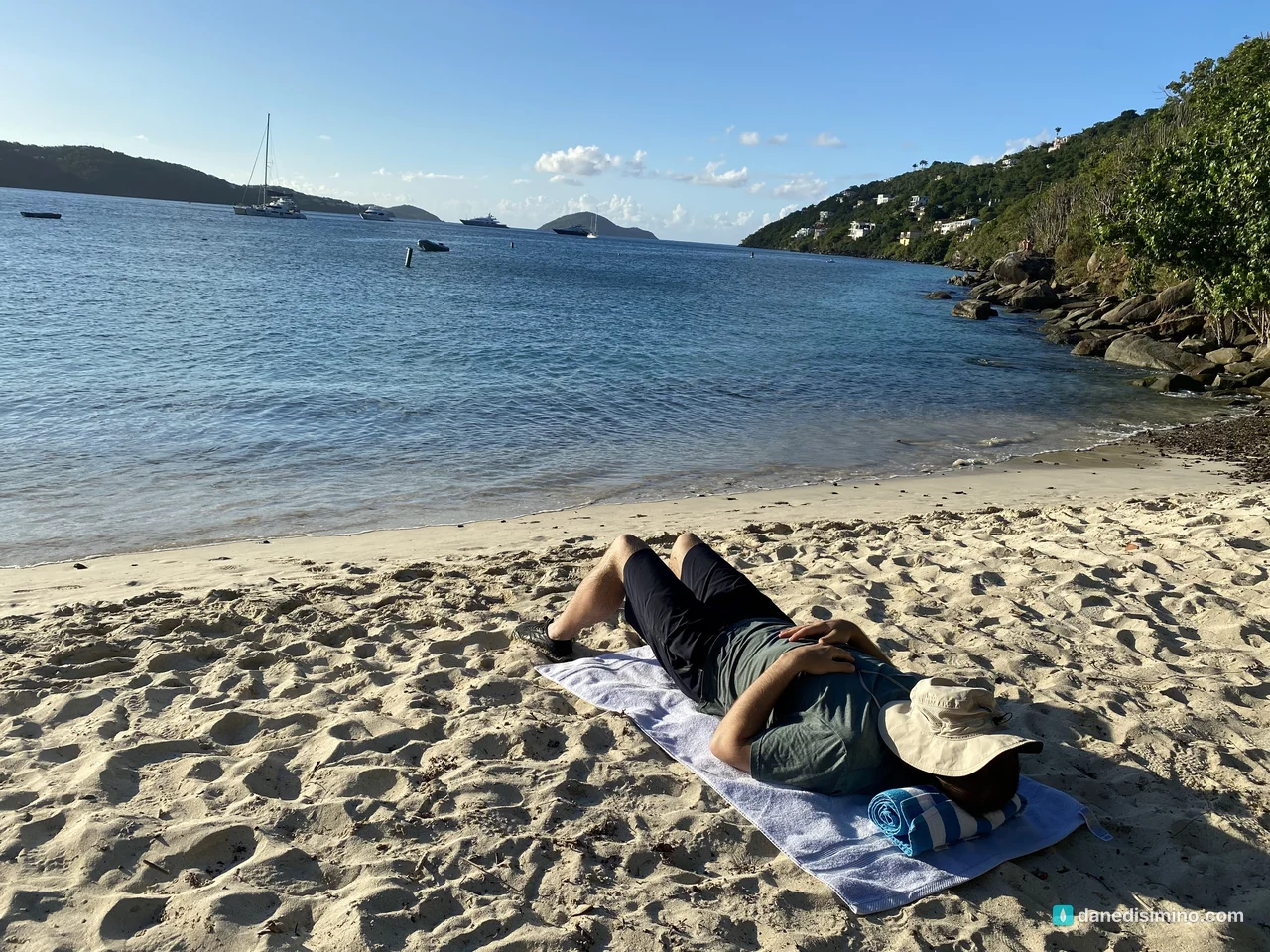
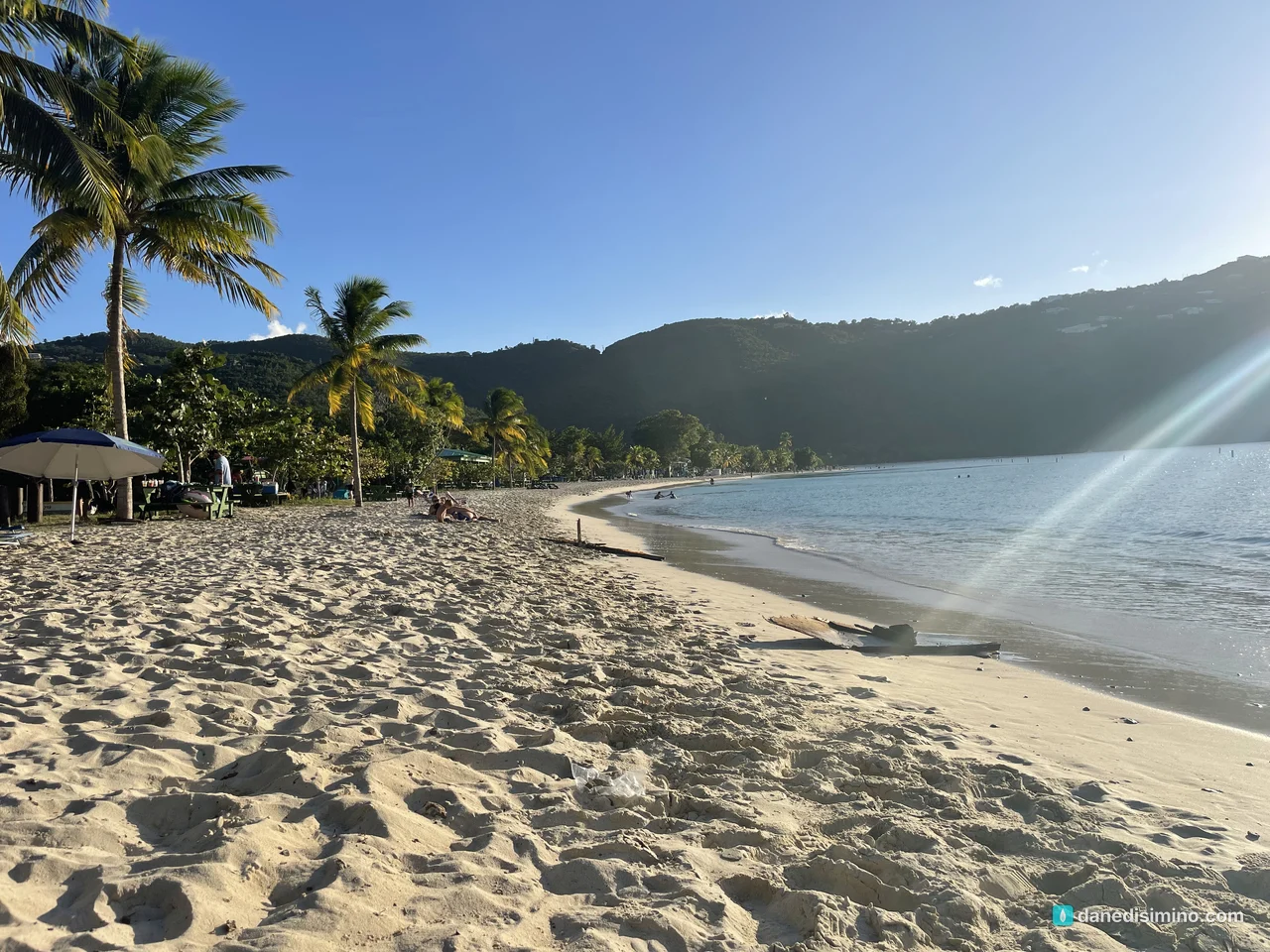
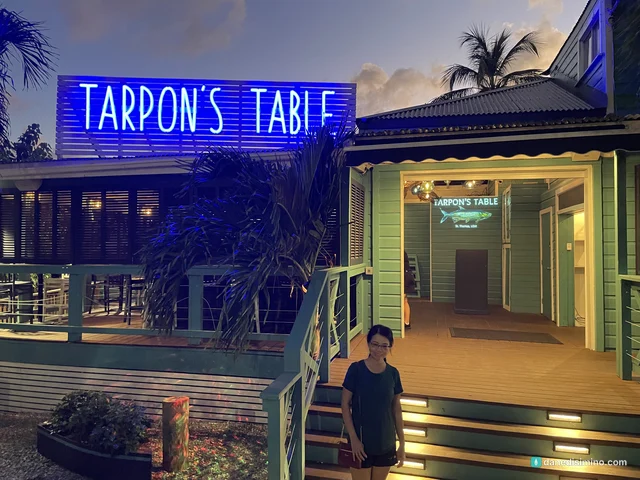
The people, the restaurants and the culture were all great. One night we ate at Tarpon's Table.
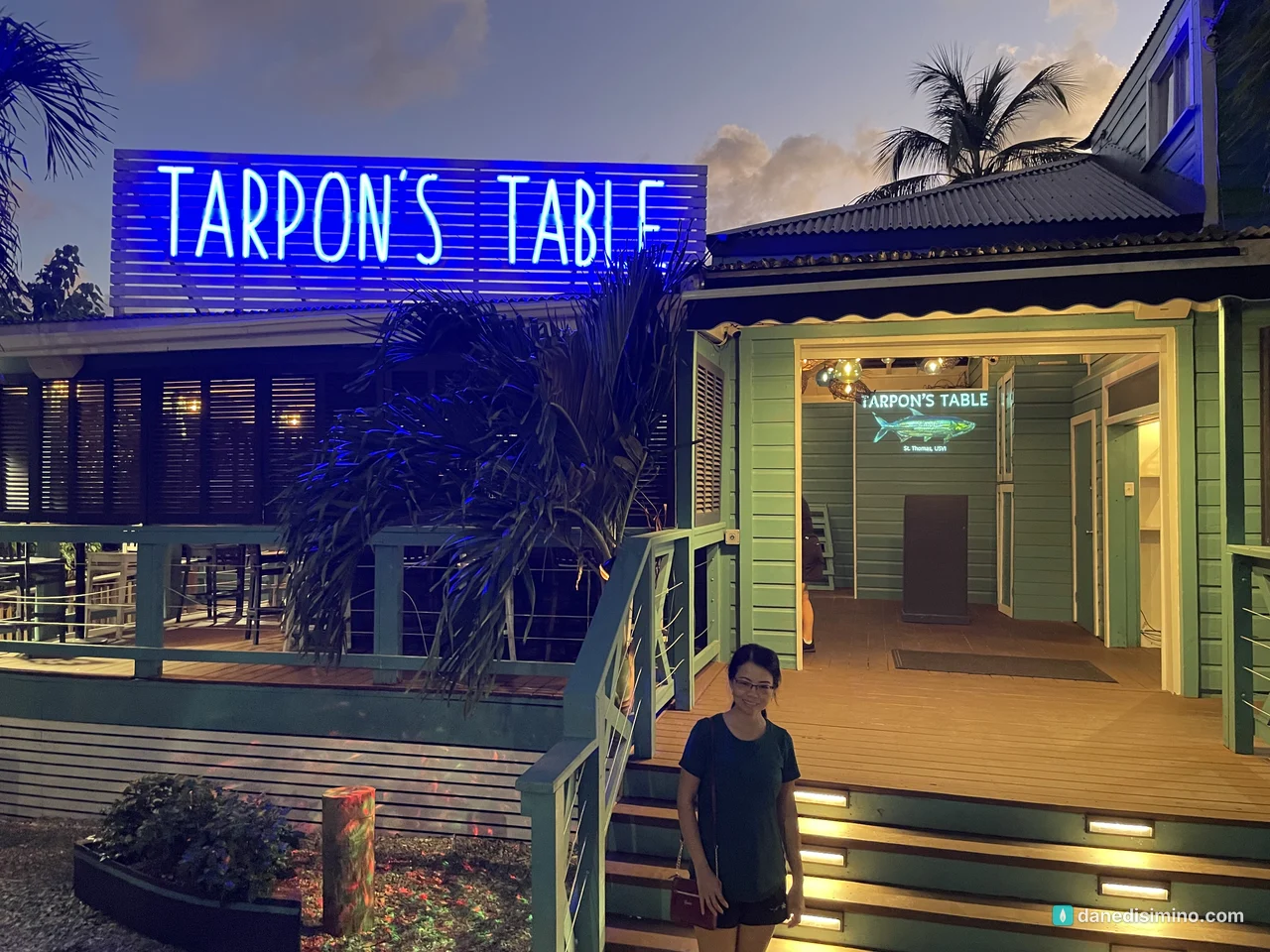
One moment did leave us uneasy. On St. Thomas, near the resort by our Airbnb, we nearly crossed in front of another couple while walking to dinner, and the lady said some nasty things. Nothing happened, but we felt a little unsafe, like when you walk out of a subway in NYC and someone bumps into you on purpose to hustle you for money. It was one tense moment in an otherwise wonderful trip. Walk carefully, remember that you're a visitor in other people's homes in the Virgin Islands, and stay aware of your surroundings, like anywhere.
What I'd do differently
Stay on St. John. Camp at Cinnamon Bay and skip the daily ferries.
Skip the rental car. Taxis can handle beach hopping.
Pack a backup camera. Or at least a waterproof phone case. I'd give a lot for one picture of that turtle.
Pad the travel days. Winter storms on the mainland can wreck your flights.
What the Virgin Islands taught me
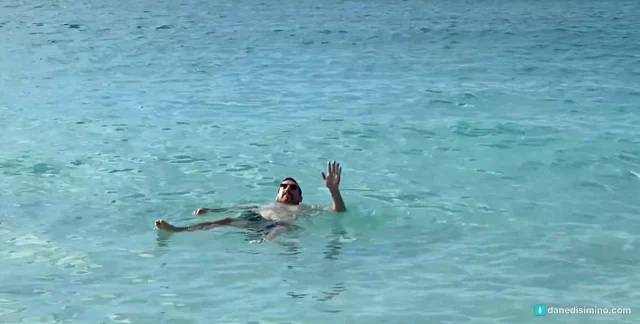
The Virgin Islands taught me that the God of the mountains is also the God of the sea. I've spent most of my life loving the Rockies. Then I floated above a sea turtle in water so clear it looked like glass, and I felt the same awe.
"The sea belongs to him, for he made it. His hands formed the dry land, too." (Psalm 95:5, NLT)
Mountain or ocean, it's all His.
Questions?
Ask me anything about Virgin Islands National Park: getting to St. John, the ferries, camping at Cinnamon Bay, or where to snorkel. I answer every question.
Photos
Sources
- Virgin Islands National Park (NPS)
- Directions (NPS)
- Fees and passes (NPS)
- Snorkeling (NPS)
- Trunk Bay (NPS)
- Cinnamon Bay Beach (NPS)
- Maho Beach (NPS)
- Laurance S. Rockefeller (NPS)
- Virgin Islands National Park countdown (NPS, Grand Teton)
- History and culture (NPS)
- Places to visit on St. John (NPS)
- The 1733 Akwamu insurrection (NPS)
Pathlight
Park guides from the road. A printable trip sheet comes with them when one is ready.