
NATIONAL PARKS
Wind Cave
A Field Guide
On this page
A prairie park sitting on top of one of the longest caves on earth. Our half day in July 2022: the Natural Entrance Tour, a ceiling full of boxwork, and an honest verdict. Why the cave breathes, how the bison came back, and how to fit it into a Black Hills trip.
Version 1.0 · Updated Nov 20, 2026
Map
When to go
Average monthly visits, 2023–2025. Source: NPS visitor statistics. ● marks the months we visited.
| January | 10,904 |
|---|---|
| February | 11,087 |
| March | 18,326 |
| April | 38,083 |
| May | 63,733 |
| June | 89,842 |
| July | 108,104 |
| August | 93,748 |
| September | 74,100 |
| October | 28,029 |
| November | 14,024 |
| December | 12,727 |
The drive from Colorado to the Black Hills is flat. Our big moment was passing a tractor. I'll take that over flight delays and thunderstorms any day.
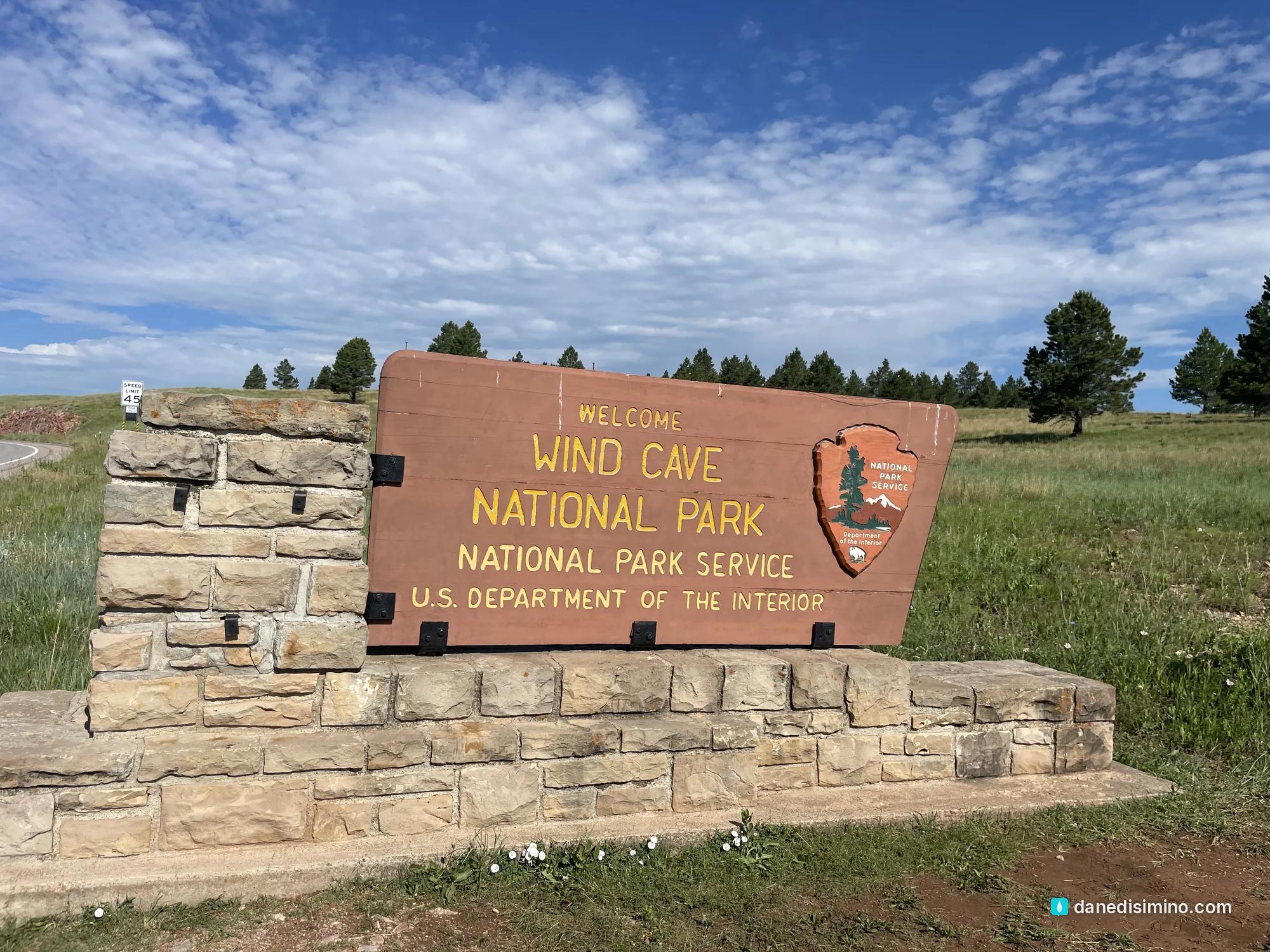
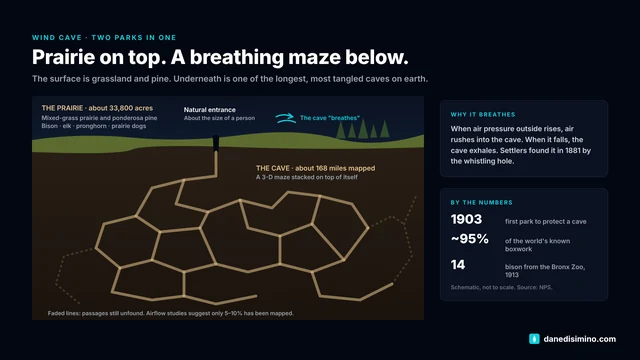
Wind Cave was the first stop of a three-park run through the Dakotas, and we were there on July 3, 2022. It's a strange park. On top, it's open prairie and ponderosa pine. Underneath sits one of the longest, most tangled caves on earth, with about 168 miles mapped and most of it still unfound.
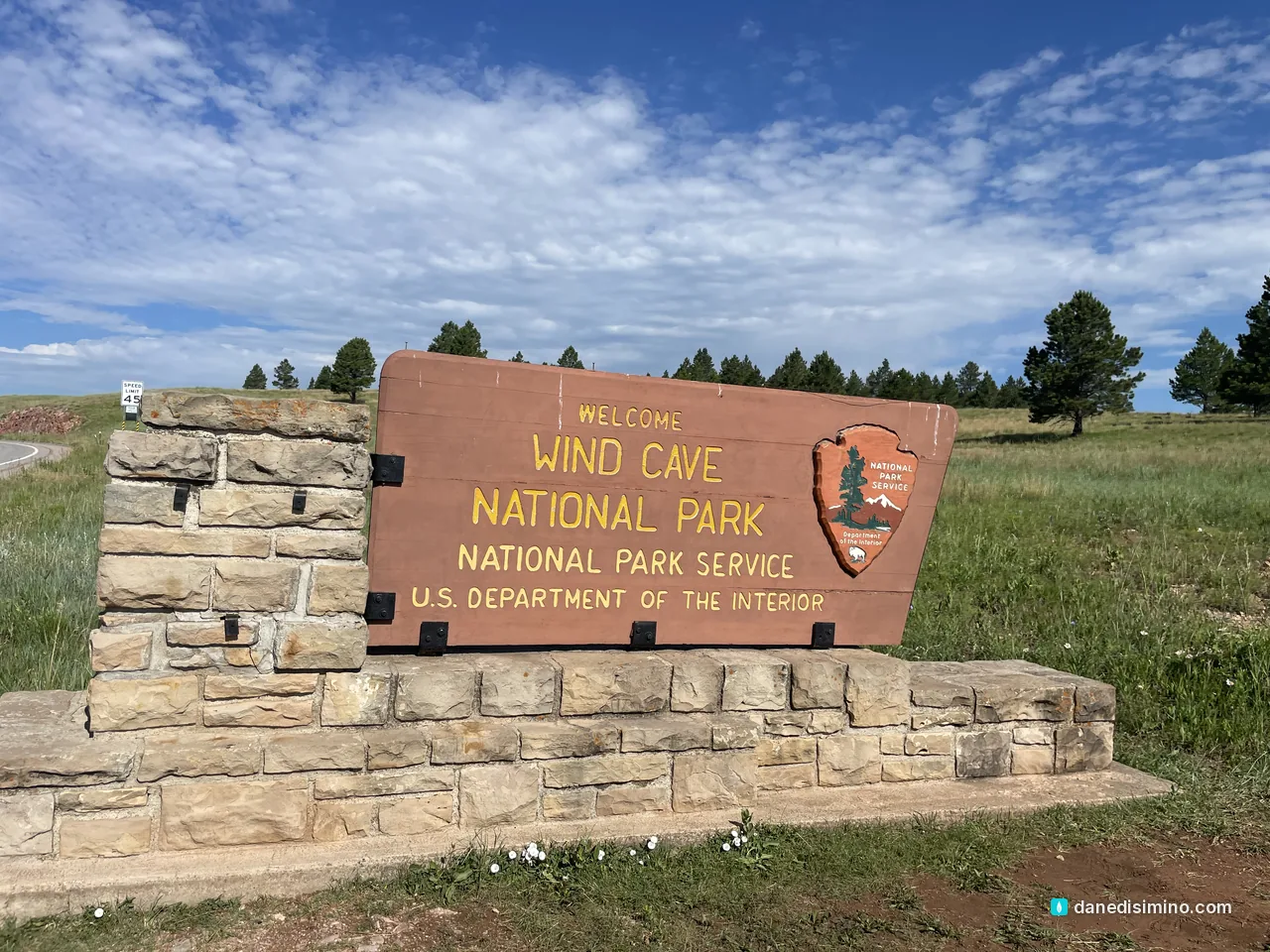
A prairie park sitting on top of one of the world's great caves.
The short version
Book the Natural Entrance Tour. It's the best first look: the cave's original opening, 300 stairs down into boxwork, and an elevator back up. Tickets are on Recreation.gov, and summer tours sell out.
No entrance fee. The prairie, trails and visitor center are free. You only pay for cave tours, and the federal passes don't cover them.
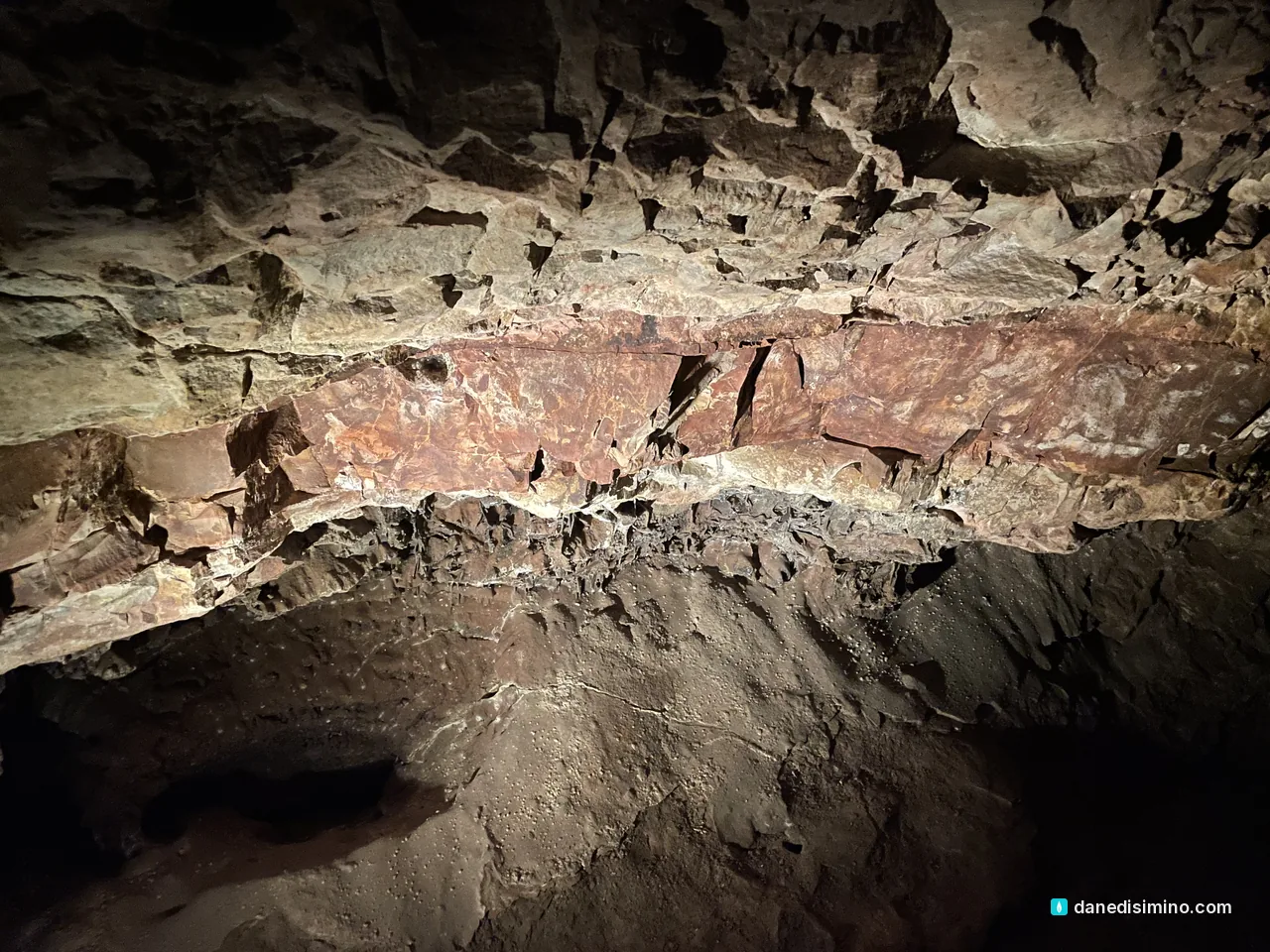
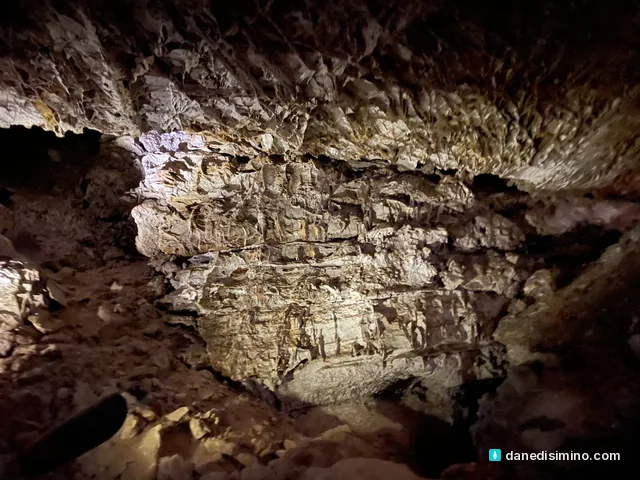
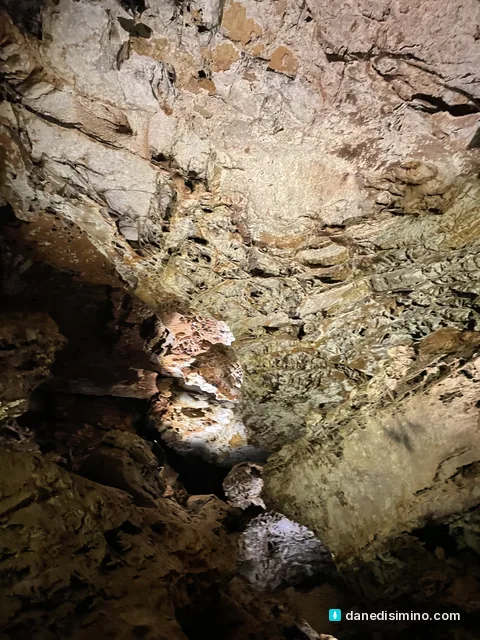
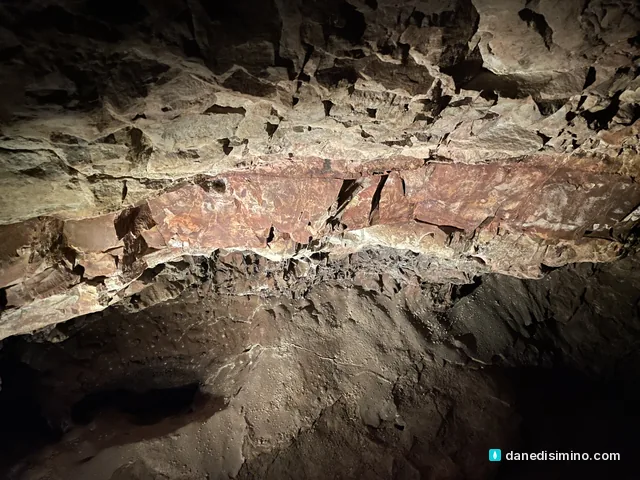
Look up. Wind Cave holds about 95% of the world's known boxwork, and it's on the ceilings.
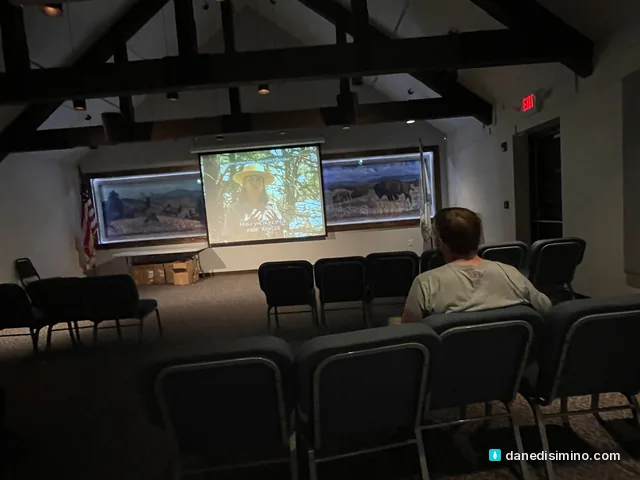
Give it half a day. One tour, the park film, a prairie drive. Then keep moving.
Go for bison at golden hour. We found them on the prairie at sunset, and saw even more next door in Custer State Park.
The park at a glance
- ~168 mi
- Of mapped cave passages
- 95%
- Of the world's known boxwork
- 1903
- First park anywhere to protect a cave
- $0
- Entrance fee
Where: the southern Black Hills of South Dakota, about 10 miles north of Hot Springs. Mount Rushmore is about an hour north.
Getting into the cave: ranger-led tours only. The Natural Entrance Tour is $16 for adults, half price for kids 6–15 and seniors, free for kids 5 and under.
Other tours: the Garden of Eden (1 hour, 150 stairs, the easiest) and the Fairgrounds (1½ hours, 450 stairs, the most cave).
Inside: it's cool year-round, so bring a light jacket and shoes with grip.
Before you go: check the park's Alerts & Conditions page at nps.gov/wica.
How the cave formed
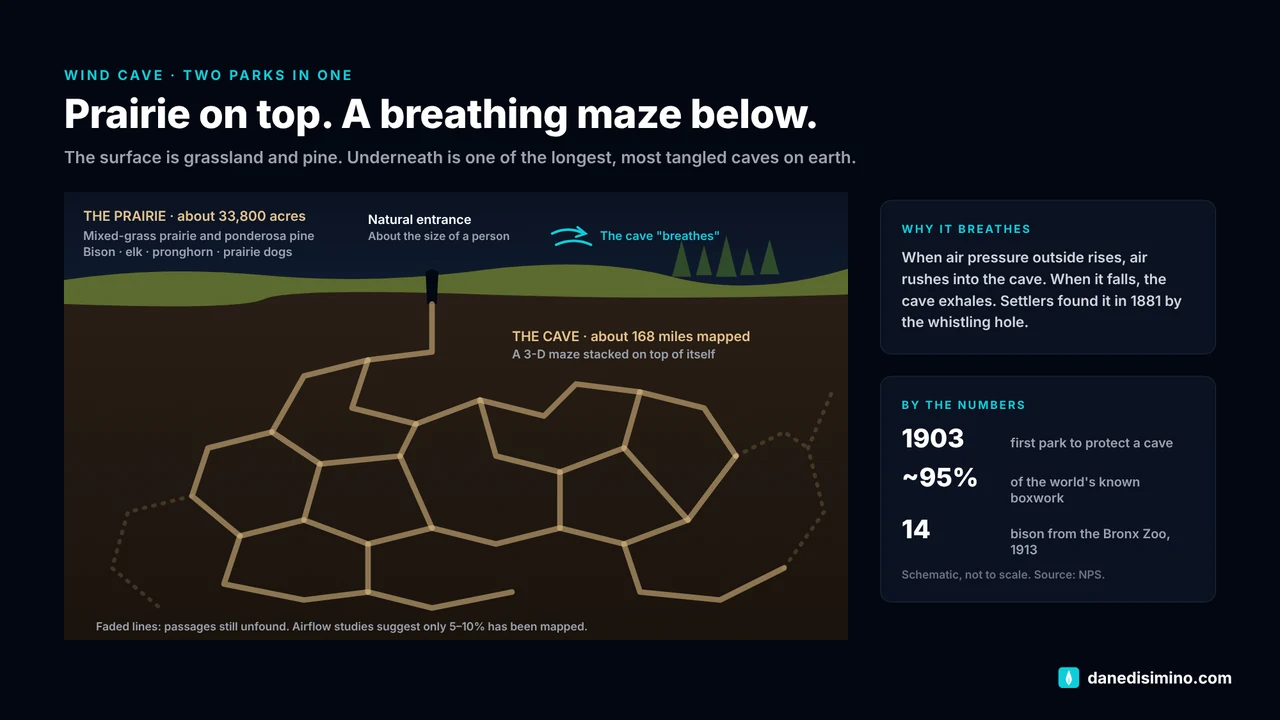
Wind Cave is a maze cave. Its passages run in every direction and stack on top of one another, so the whole 168 miles sit beneath a small part of the park. Most cave rooms are small, joined by narrow passages with low ceilings.
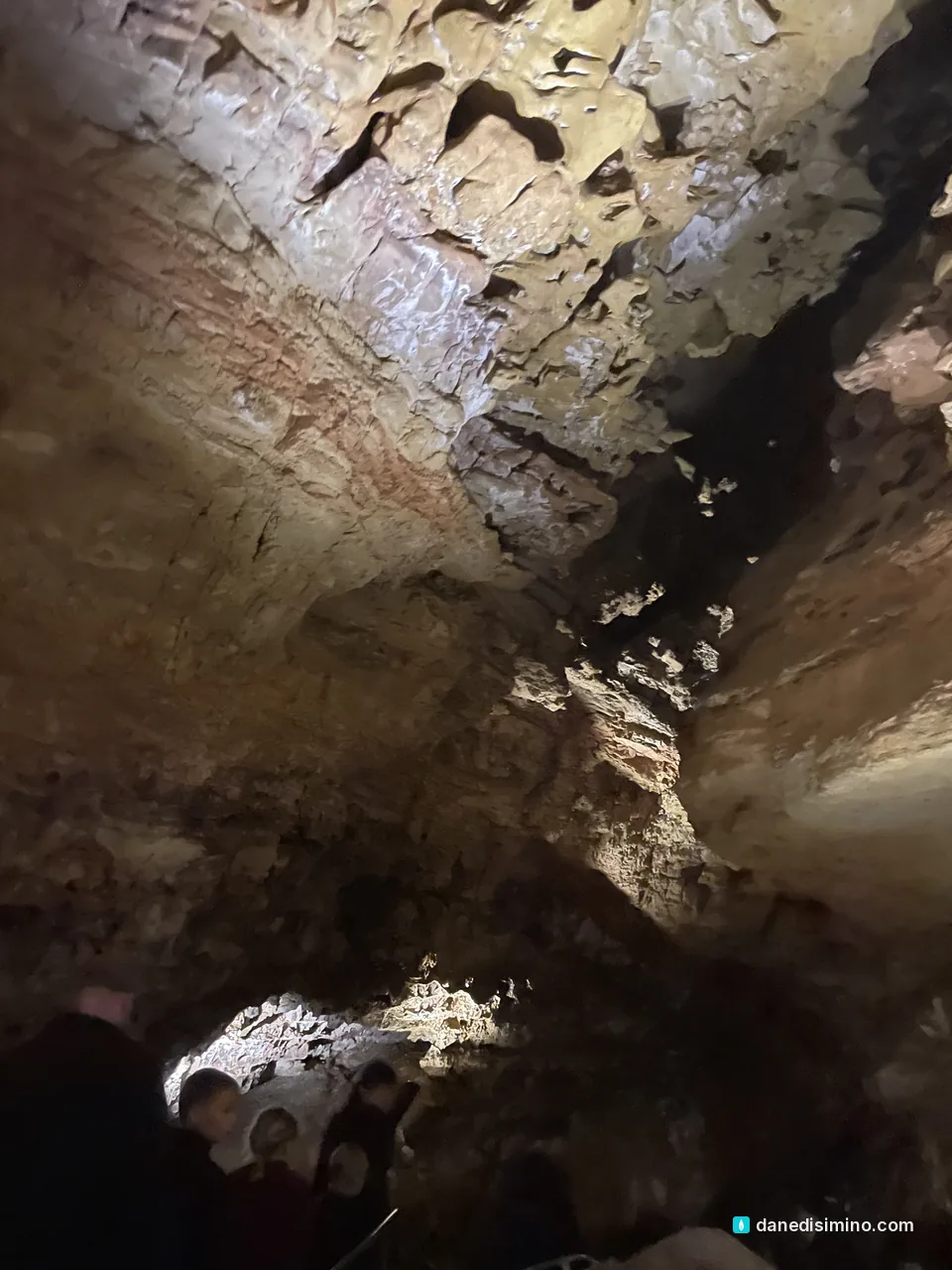
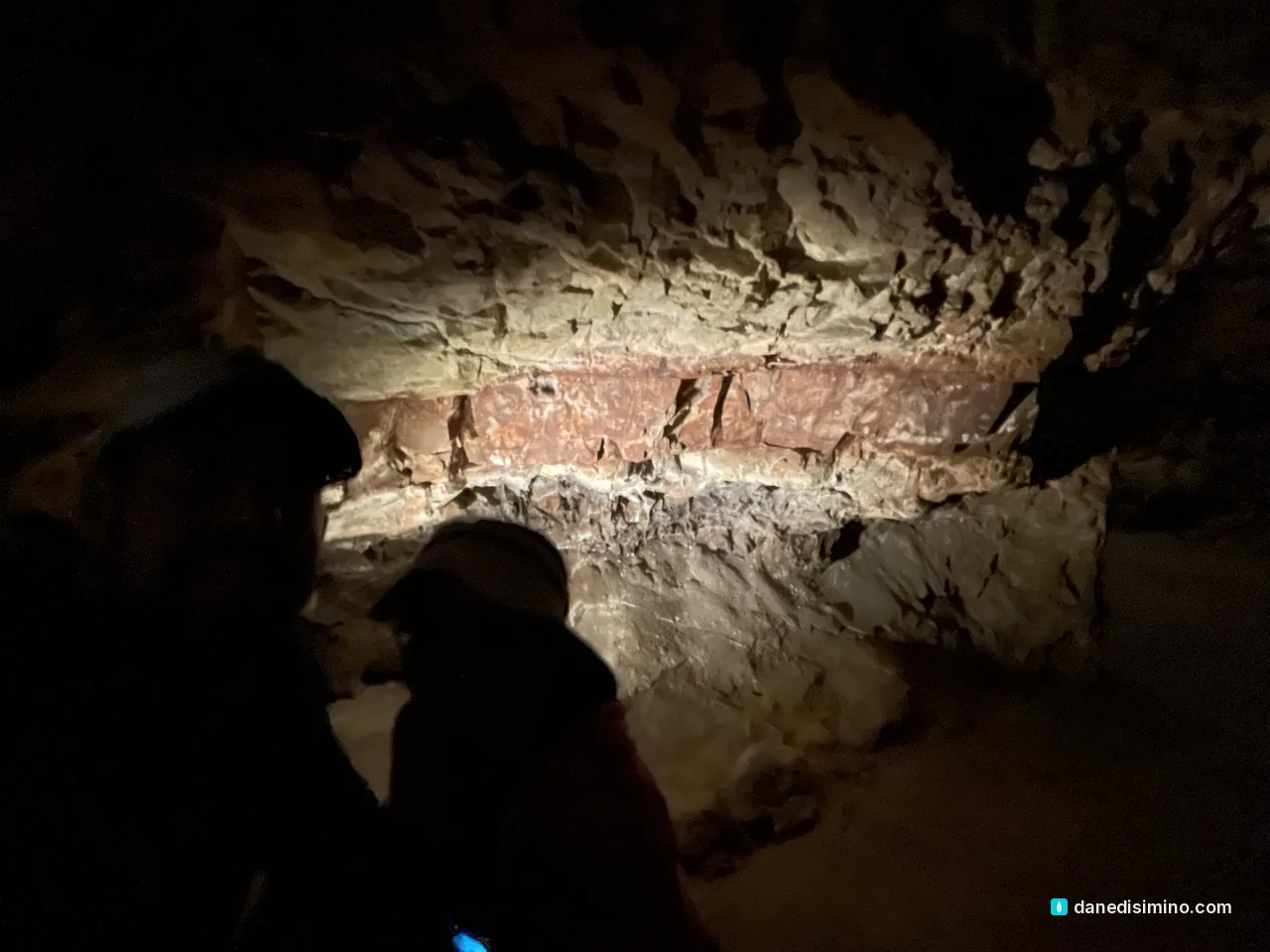
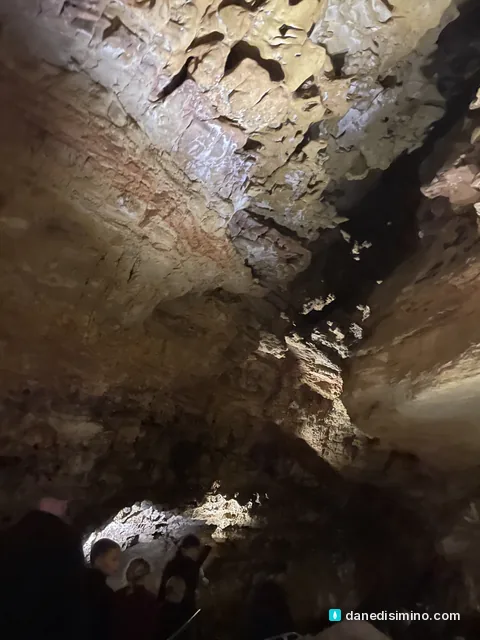
What makes it famous is boxwork: thin fins of calcite crossing each other in a honeycomb pattern. Wind Cave has very few of the stalactites people picture in a cave. Instead, the ceilings look like a broken beehive.
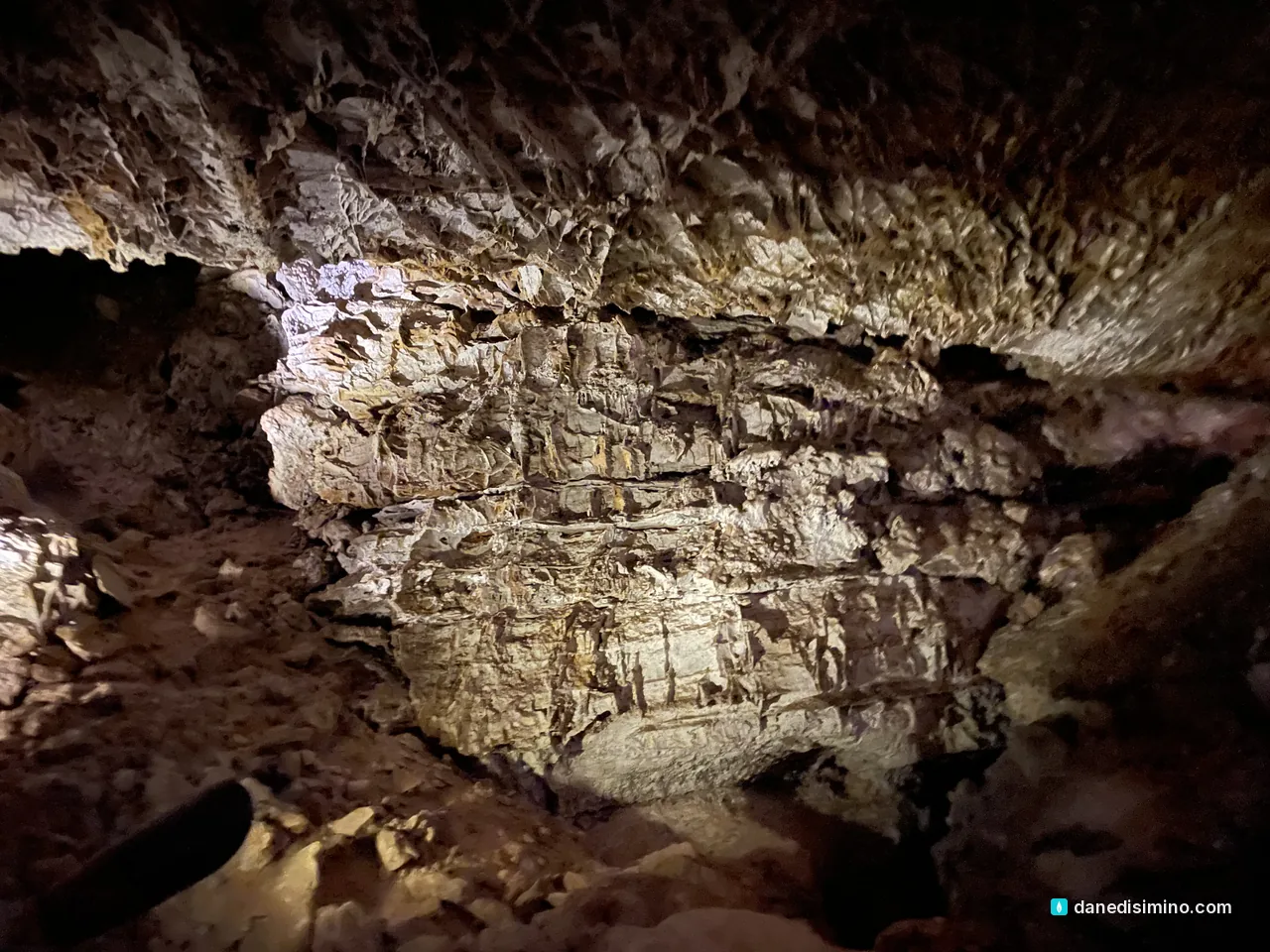
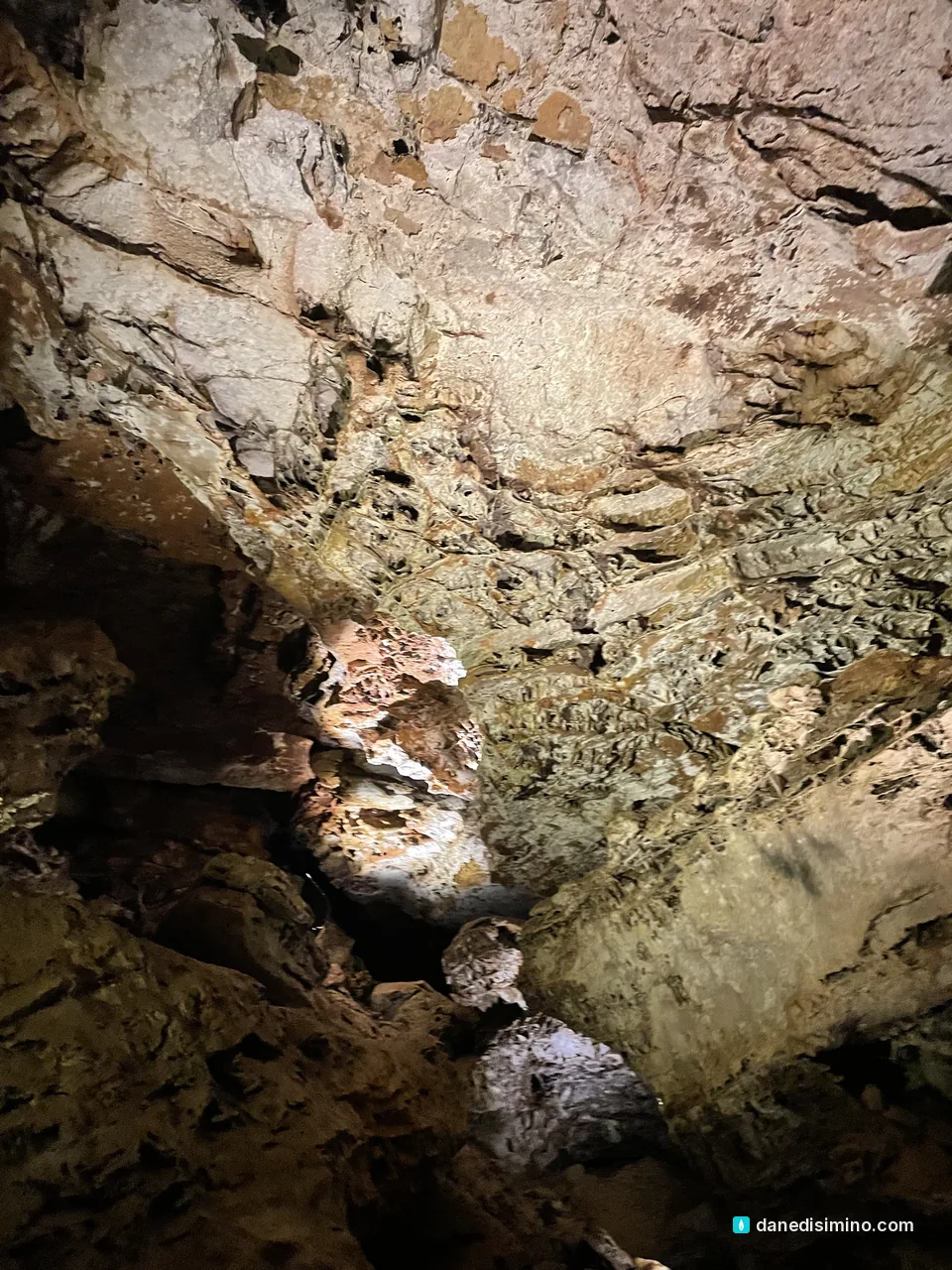
The name comes from the wind. When the air pressure outside rises, air rushes into the cave. When it falls, the cave breathes out. In 1881, settlers found the opening by the whistling noise coming out of a hole in the rock.
Explorers are still finding new passages. When the park was created in 1903, less than 10 miles were known. It passed 100 miles in 2001 and 150 in 2019. Airflow studies suggest only 5–10% of the cave has been mapped.
How the park began
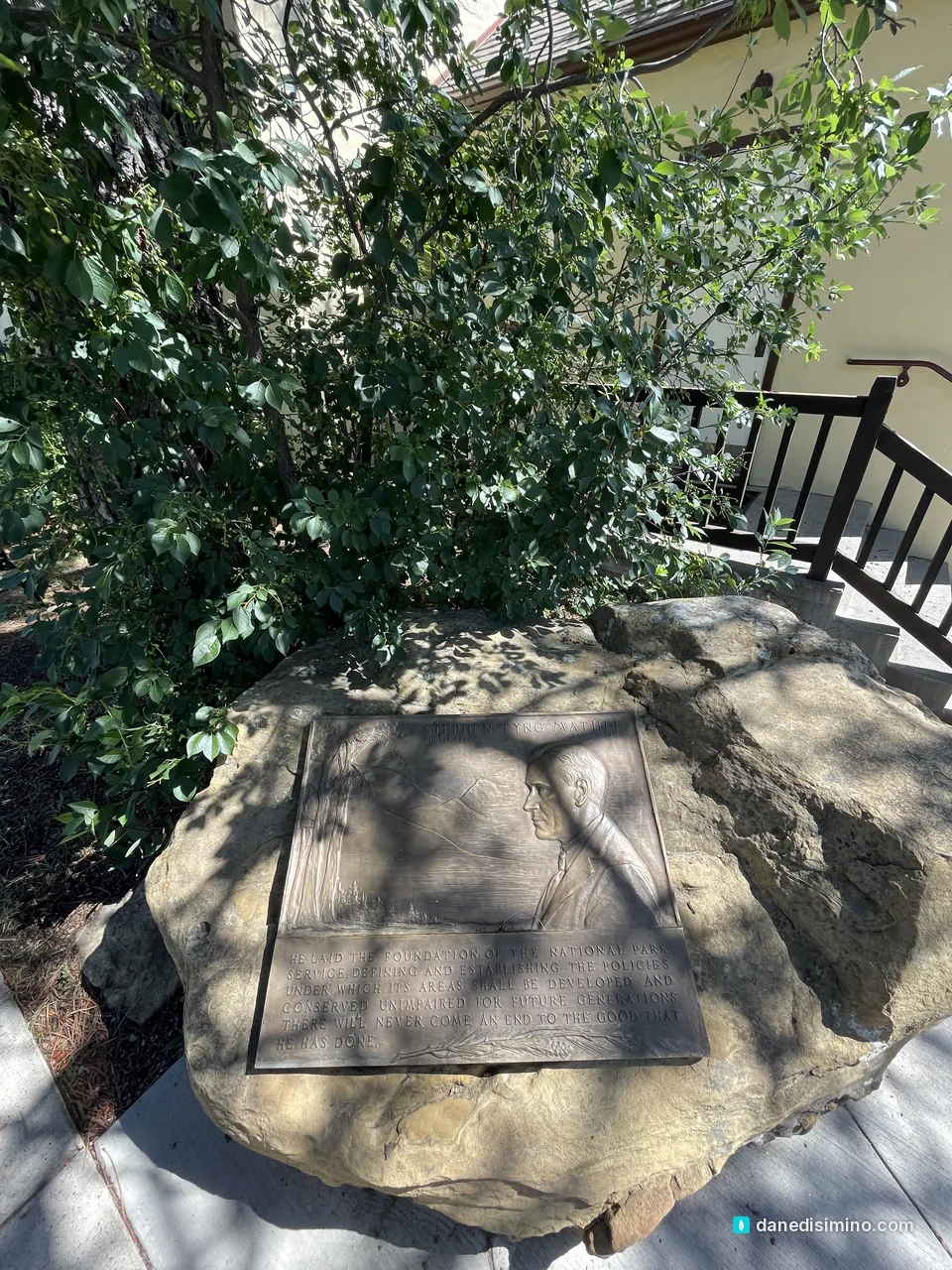
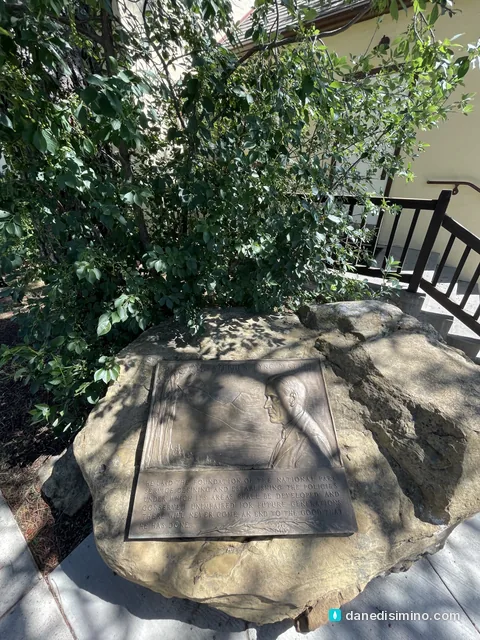
On January 3, 1903, President Theodore Roosevelt signed the bill creating Wind Cave National Park. It was the seventh national park and the first anywhere created to protect a cave. A teenager named Alvin McDonald had started exploring it in 1890, and by 1893 he and others had found six to eight miles of passages.
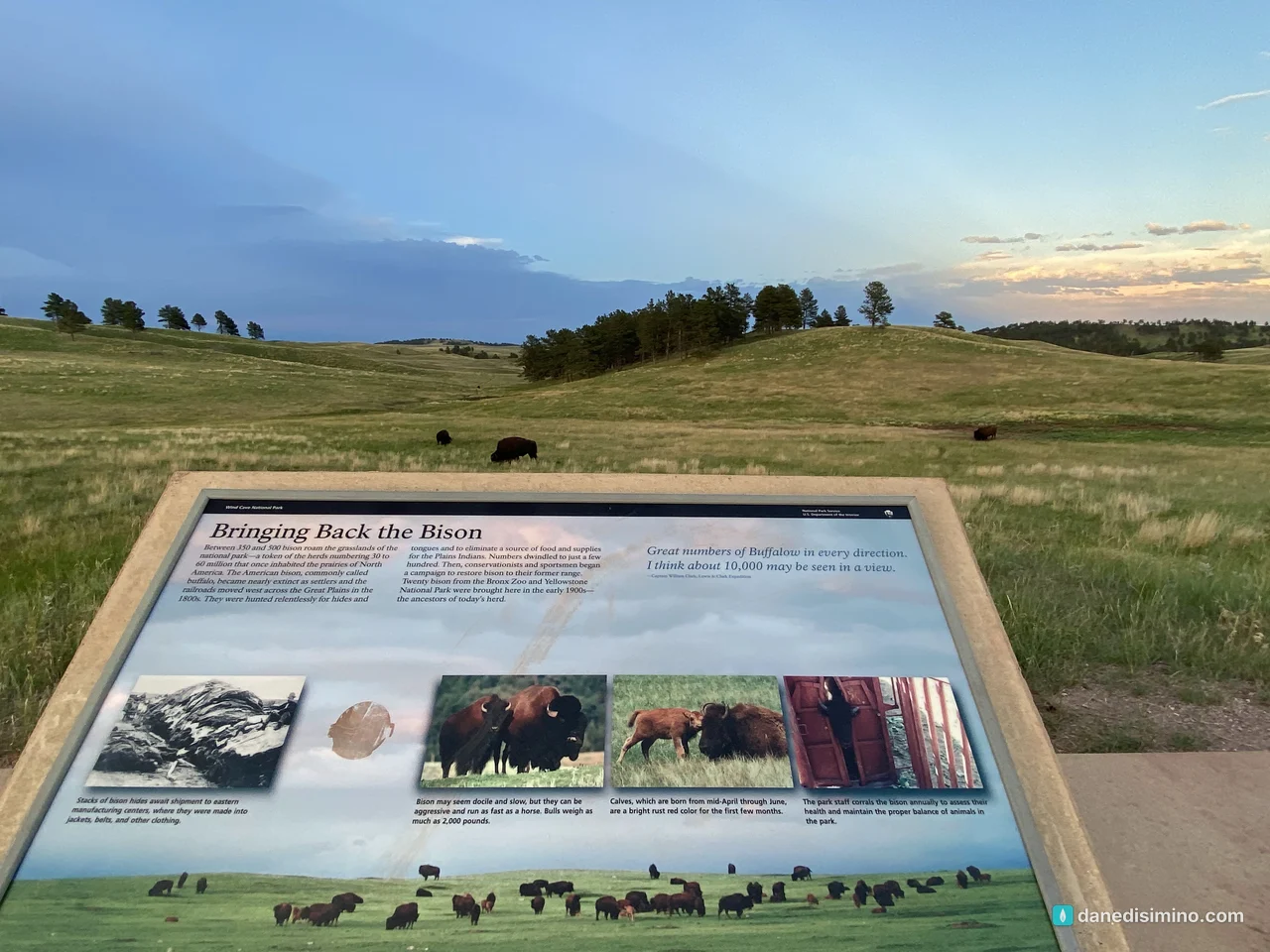
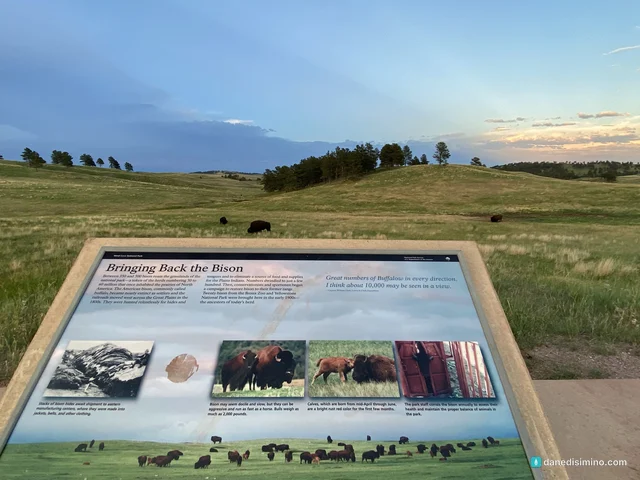
The prairie came back to life later. When the park was created, there were no bison left. In 1913, the American Bison Society sent 14 bison by train from the Bronx Zoo. Roosevelt was the Society's honorary president. Those 14 animals' descendants still roam the prairie, and they've helped start or grow herds in 16 states and Mexico.
The Natural Entrance Tour
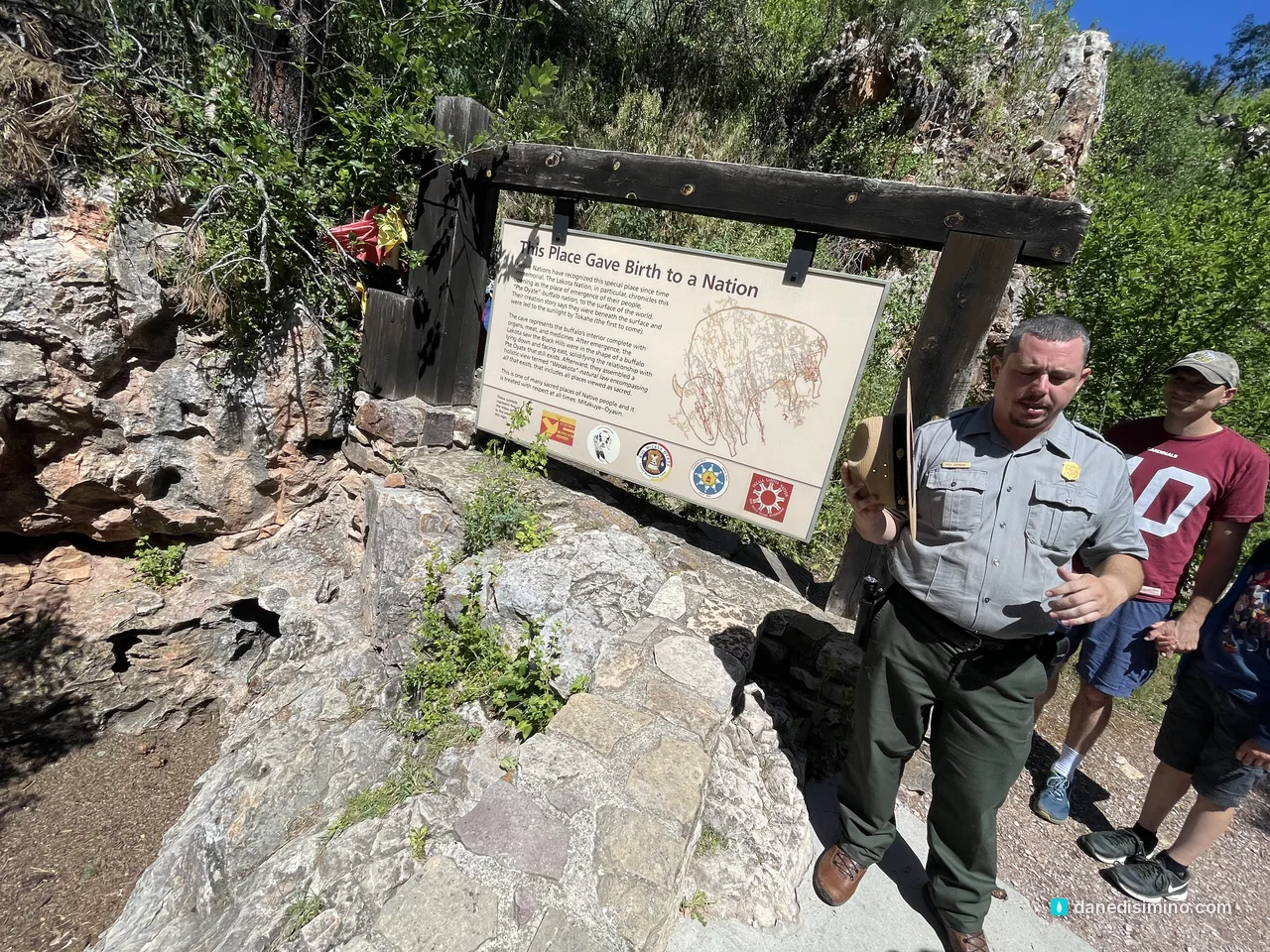
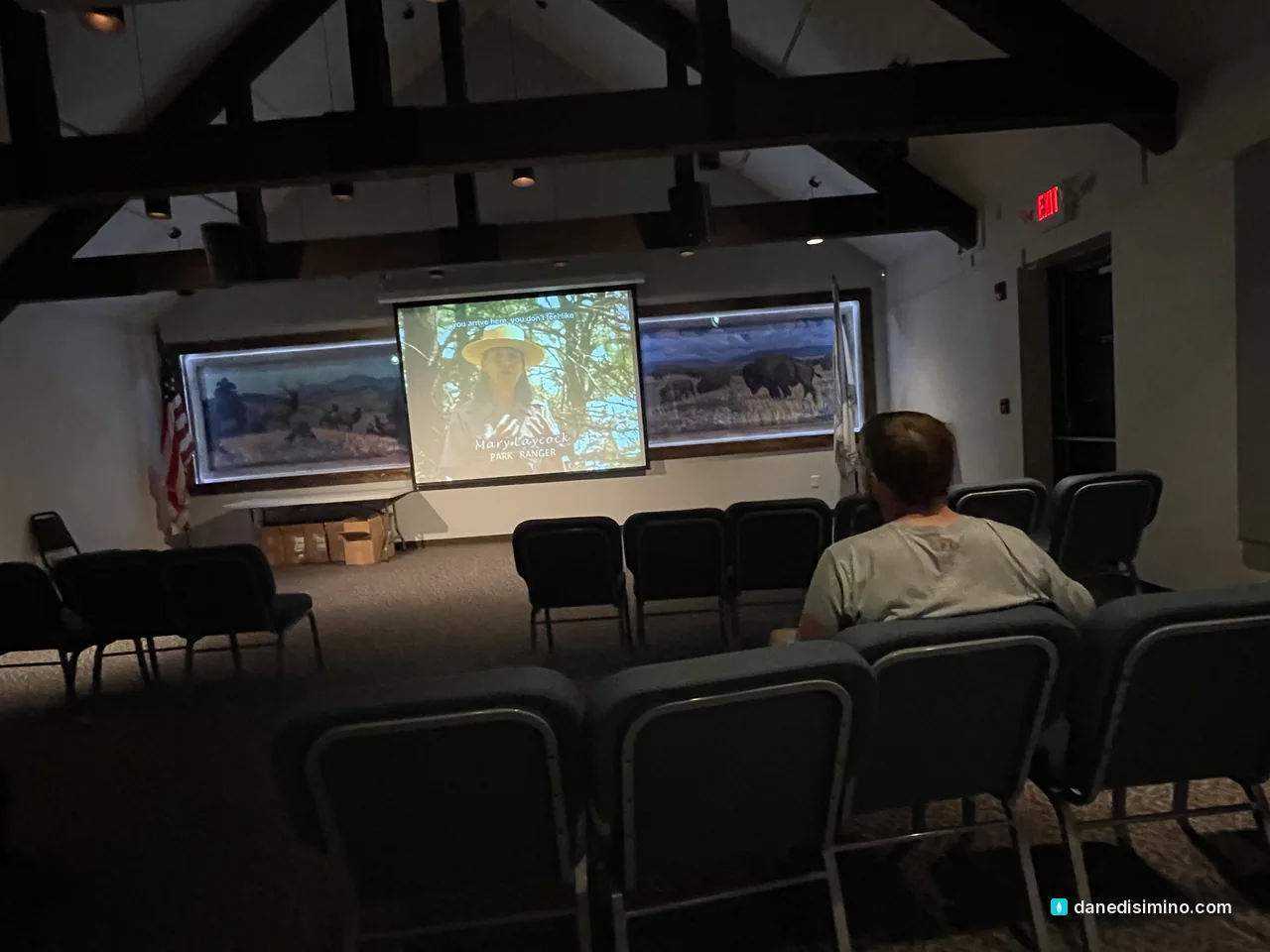
We camped at the Hot Springs KOA and drove up that morning. The tour starts at a trail shelter near the visitor center and walks to the natural entrance. On a windy day you can feel the cave breathe. A sign there tells the Lakota story of this place. The Lakota call it Maka Oniye, and in their tradition it's where the first people and the first bison came up from underground.
Then you walk in through a man-made entrance and head down about 300 stairs, nearly all of them down, into the middle level of the cave. The tour runs about 1¼ hours and two-thirds of a mile. At the end, an elevator carries you back up to daylight.
Where we stayed
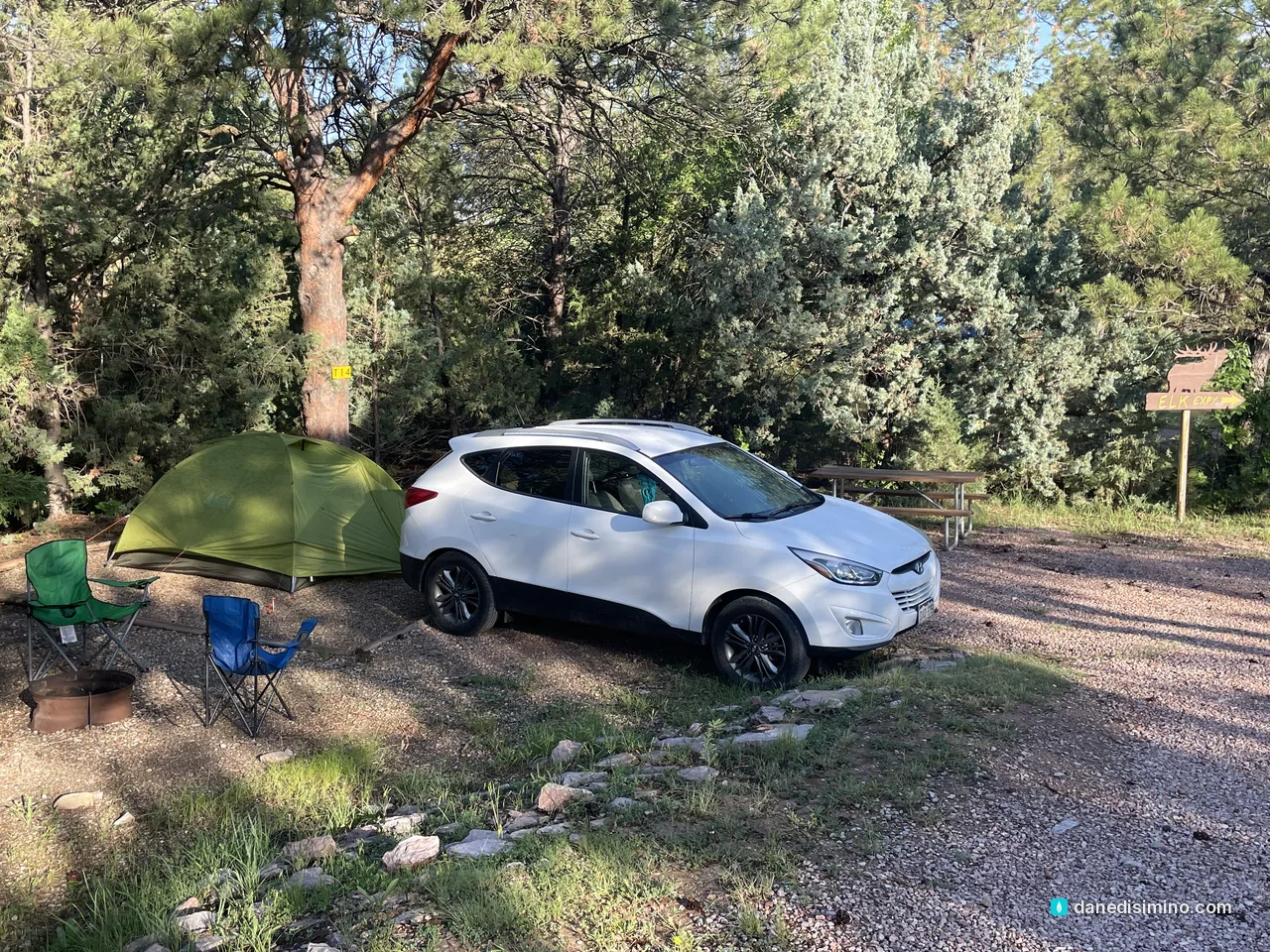
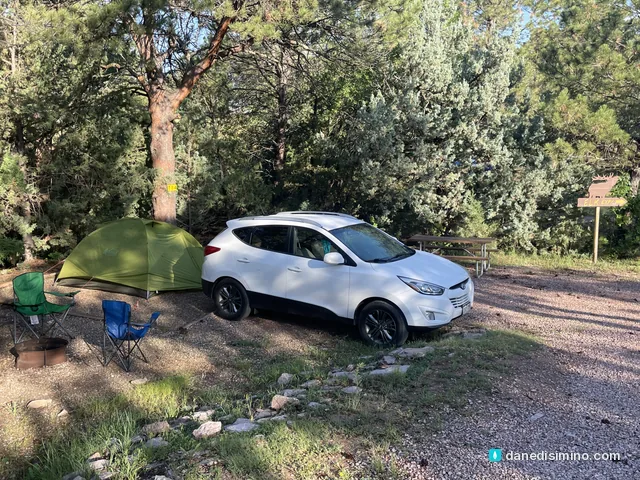
We tented at the Hot Springs KOA, about 10 miles south of the park. It was an easy base for Wind Cave and a short drive to Mount Rushmore. The park's own Elk Mountain Campground sits where the prairie meets the forest and rarely fills up. There's no lodging inside the park.
The prairie at sunset
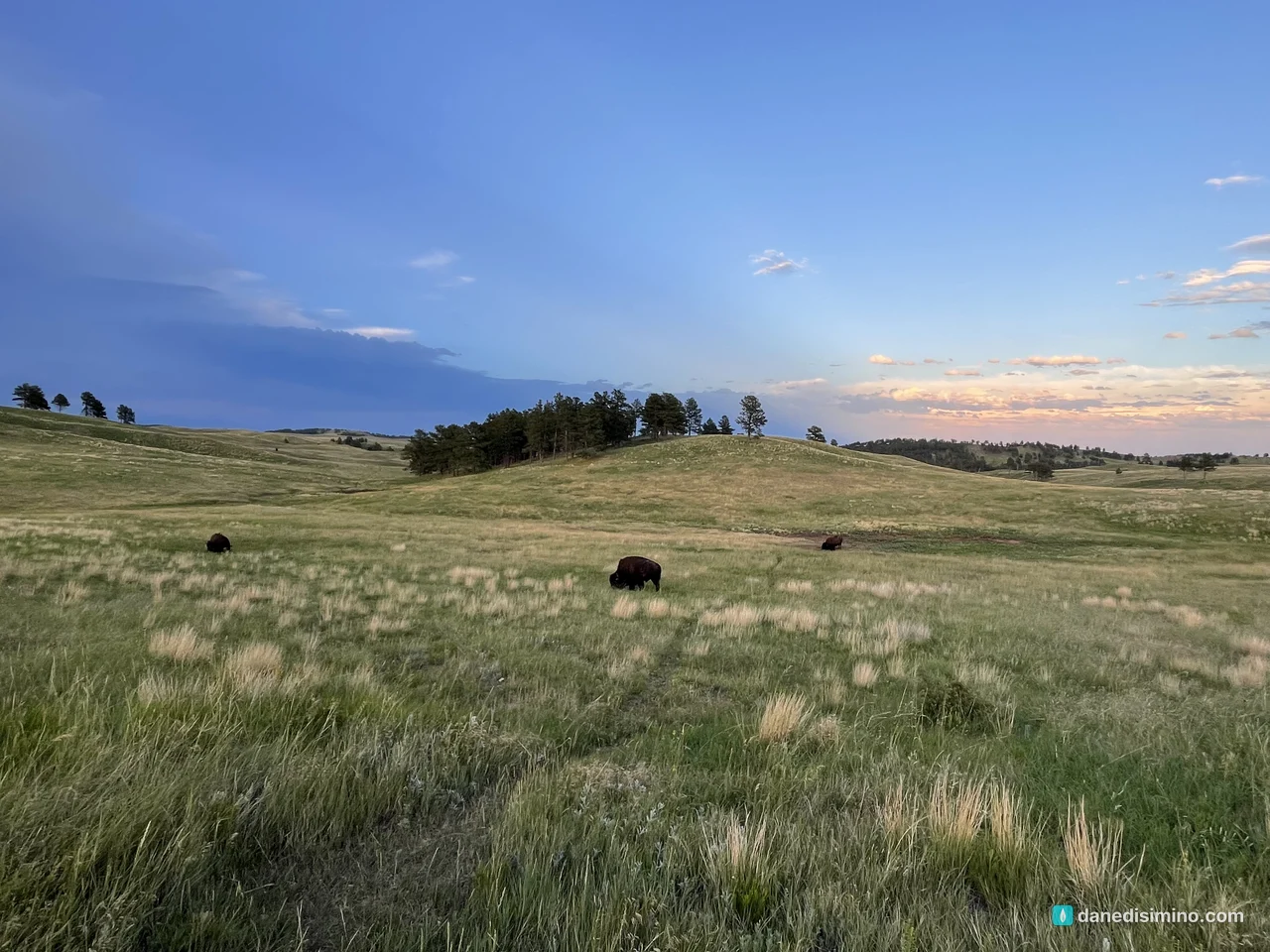
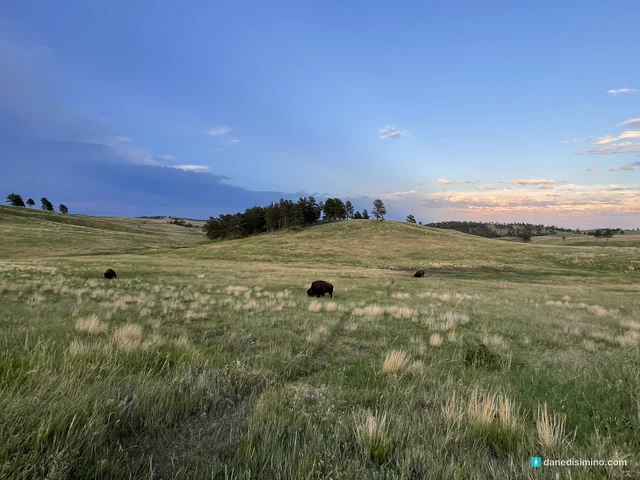
We came back through the next evening, on the drive home from the Badlands, and the prairie gave us the best light of the trip. Bison were scattered across the grass at sunset, and we pulled over at a pullout with a sign about bringing the bison back. The full story of that evening is in our Custer State Park guide.
My honest take
Wind Cave is an average park, maybe below average. If you've been to Carlsbad Caverns, this cave won't compare, above ground or below. The prairie was the surprise. We'd never seen grassland on that scale, and it's beautiful. But the Badlands and Theodore Roosevelt are just up the road, and they're on another level.
What I'd do differently
Drive the prairie roads in daylight too. We focused on the cave. The prairie is half the park, and the bison are out there.
Book ahead. Reserve the Natural Entrance Tour on Recreation.gov before you leave home.
Pair it with Custer State Park. They share a border, and that's where we saw the most bison.
What Wind Cave taught me
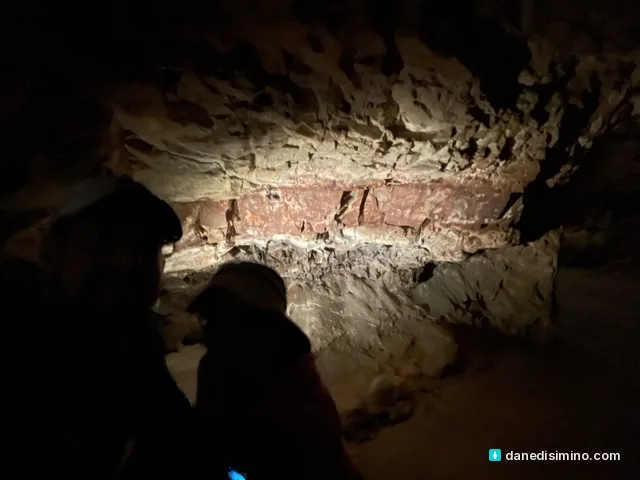
Underground, the ranger's lights are the only reason you see anything. Without them, the boxwork overhead is still there, and it's still beautiful, but it's lost in the dark.
"They know how to shine light in the darkness… They dam up the trickling streams and bring to light the hidden treasures. But do people know where to find wisdom? Where can they find understanding?" (Job 28:3, 11–12, NLT)
We can find treasure under the earth. Wisdom only comes from God.
Questions?
Ask me anything about Wind Cave: which tour to book, where to camp, or how to fit it into a Black Hills and Badlands trip. I answer every question.
Photos

Sources
- Wind Cave National Park (NPS)
- Guided cave tours (NPS)
- Fees and passes (NPS)
- Take a cave tour (NPS)
- Hiking (NPS)
- Cave exploration (NPS)
- Bison (NPS)
- Bison Bellow: the 1913 journey (NPS)
- Early history of Wind Cave (NPS archive)
- Wind Cave is now the sixth-longest cave in the world (South Dakota Searchlight)
- Natural Entrance Tour tickets (Recreation.gov)
Pathlight
Park guides from the road. A printable trip sheet comes with them when one is ready.