
NATIONAL PARKS
Saguaro
A Field Guide
On this page
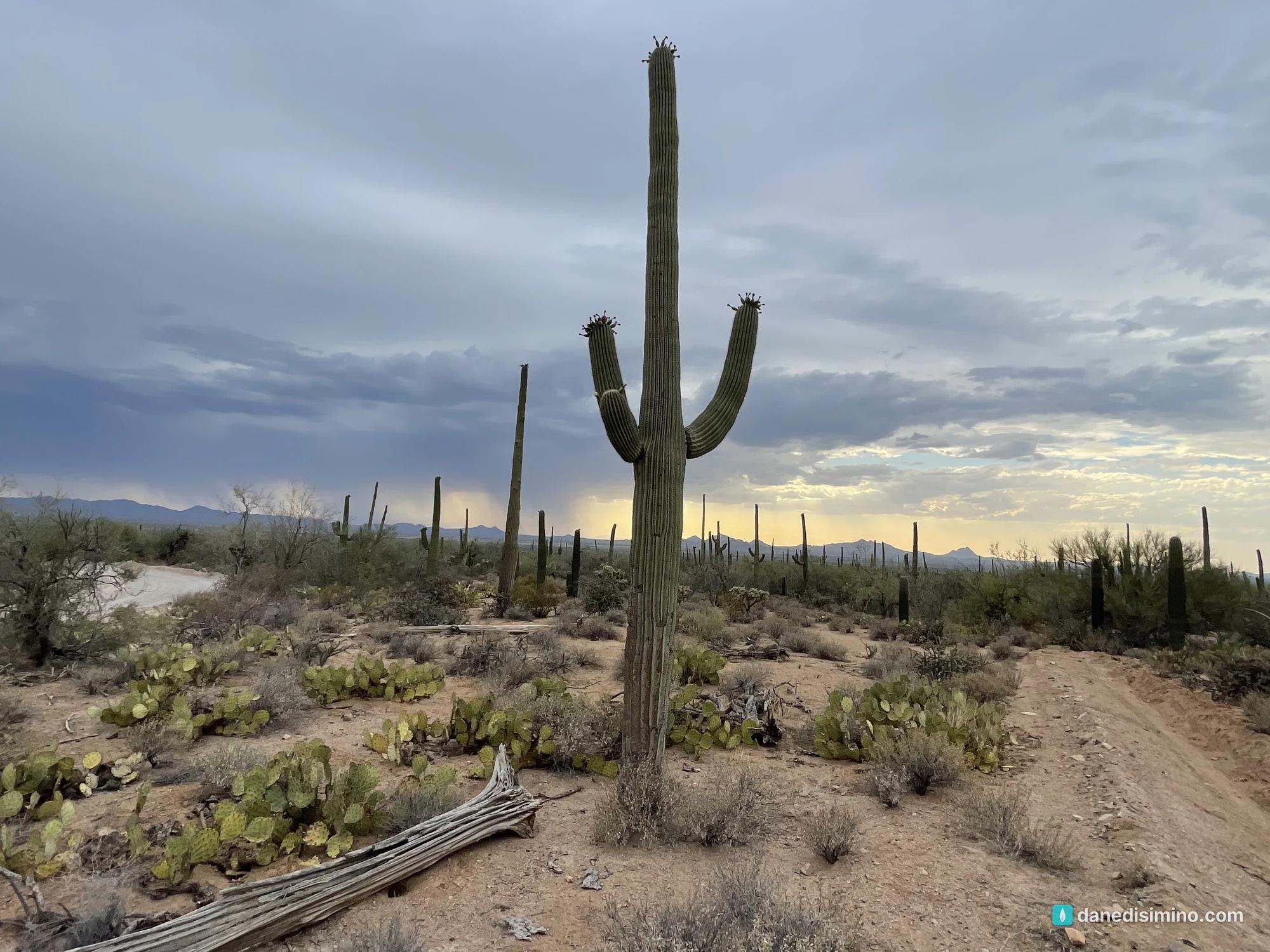
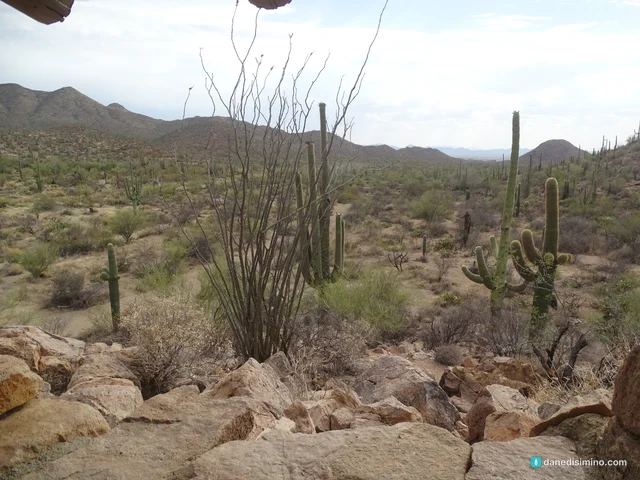
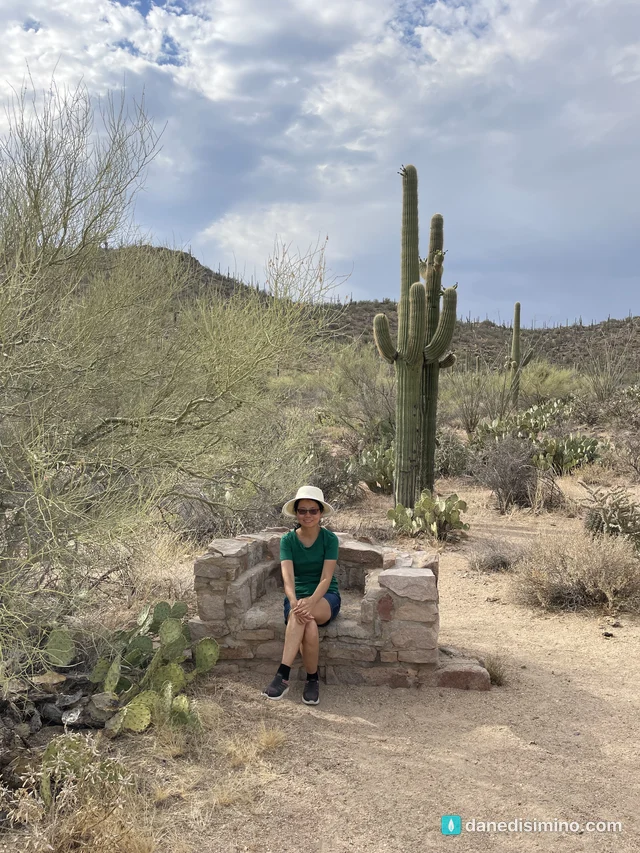
A cool, cloudy June day in the Tucson Mountains at the end of our month-long Great Loop trip: giant saguaros, birds feasting on the ripe red fruit, Hohokam petroglyphs at Signal Hill, and a stormy sunset. How the giants grow, when to go, and the new national park I wish we'd driven over to see.
Version 1.0 · Updated Nov 17, 2026
Map
When to go
Average monthly visits, 2023–2025. Source: NPS visitor statistics. ● marks the months we visited.
| January | 103,864 |
|---|---|
| February | 114,867 |
| March | 148,969 |
| April | 109,695 |
| May | 73,127 |
| June | 49,163 |
| July | 35,123 |
| August | 33,990 |
| September | 40,121 |
| October | 51,166 |
| November | 76,278 |
| December | 98,645 |
Saguaro came at the tail end of what I call the Great Loop trip of 2022: a month on the road and about ten national parks, most of them in California. On the way home we picked up Arizona's two newer parks for us, Saguaro and Petrified Forest. We'd already done the Grand Canyon.
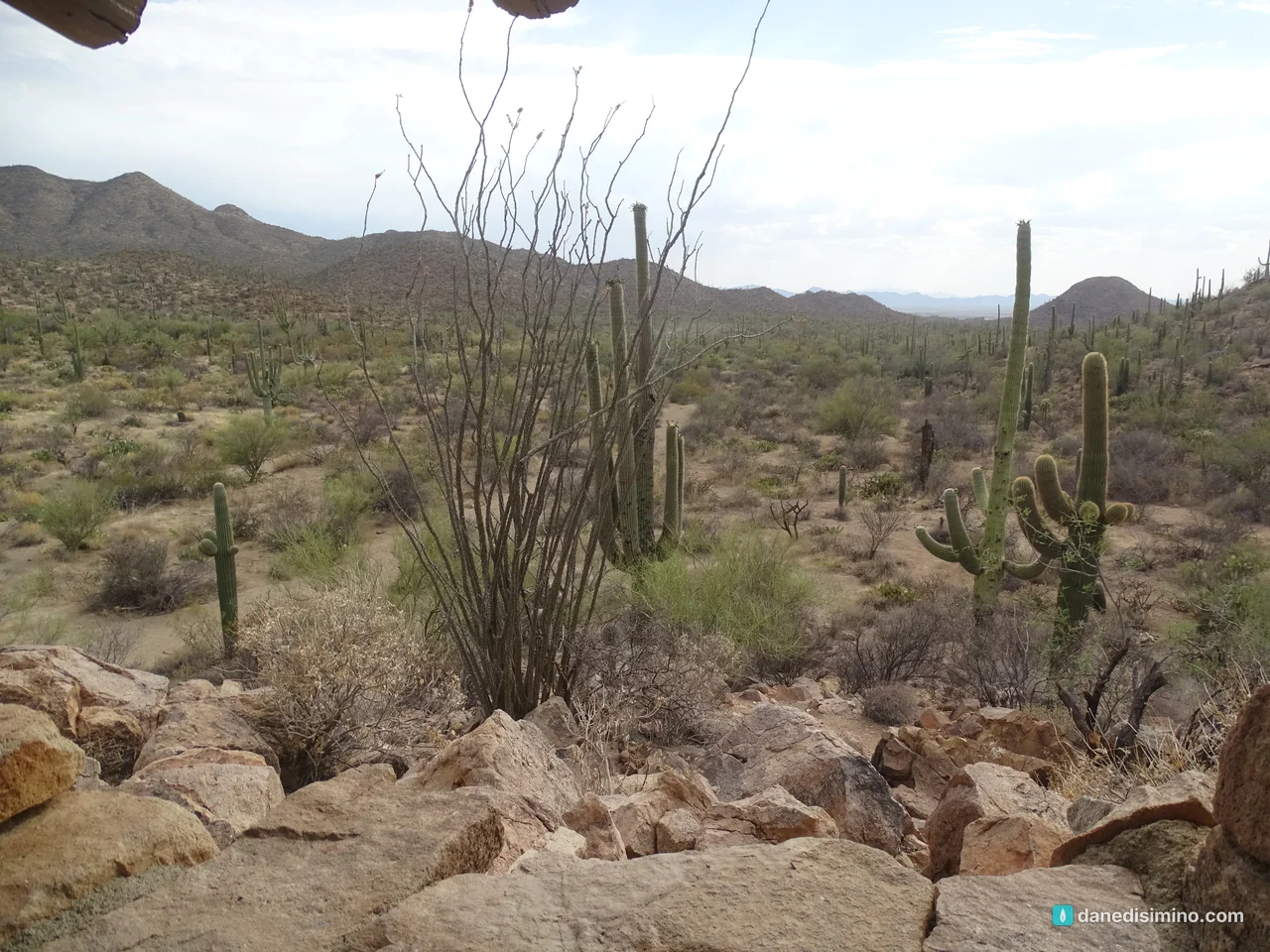
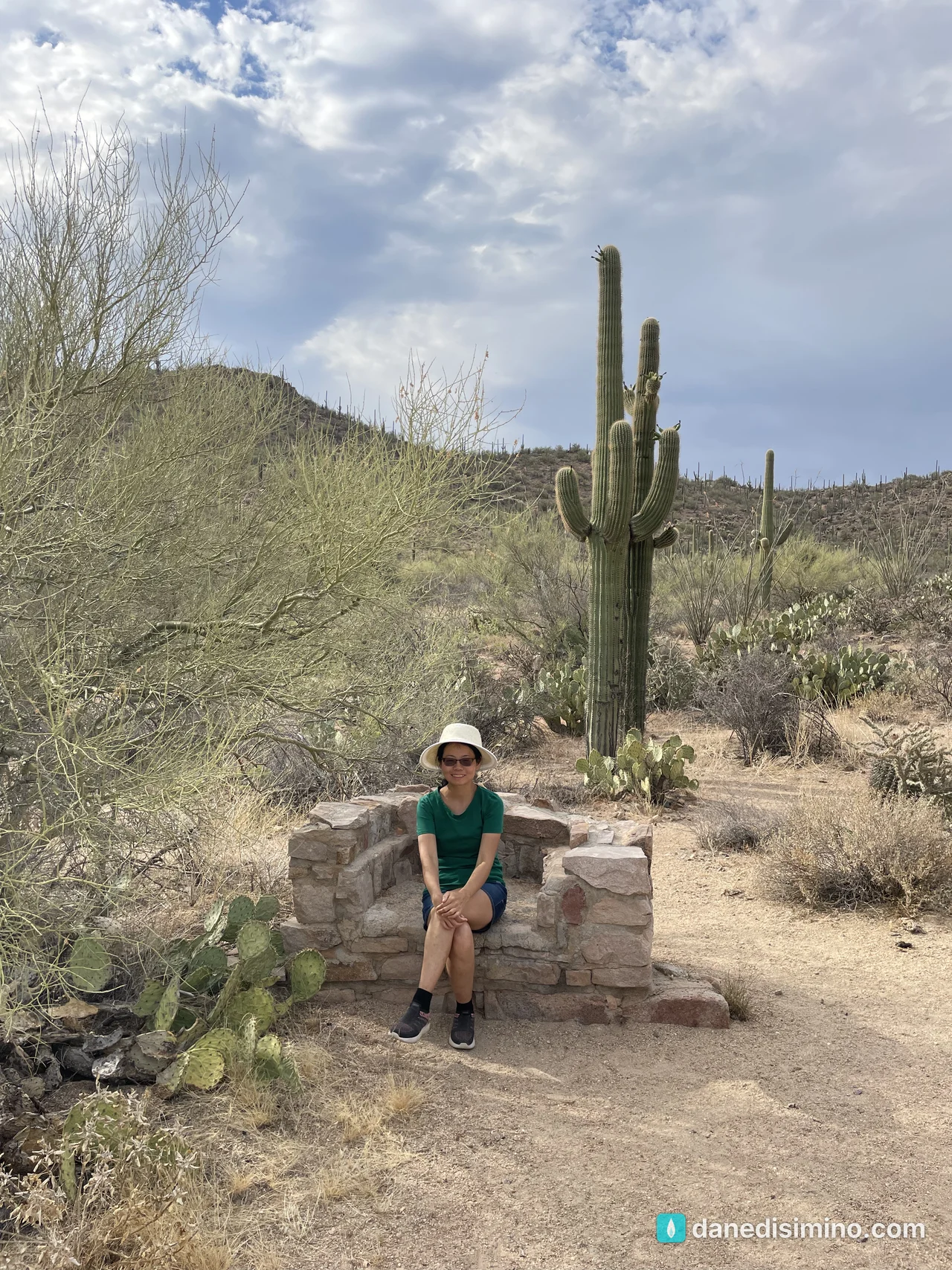
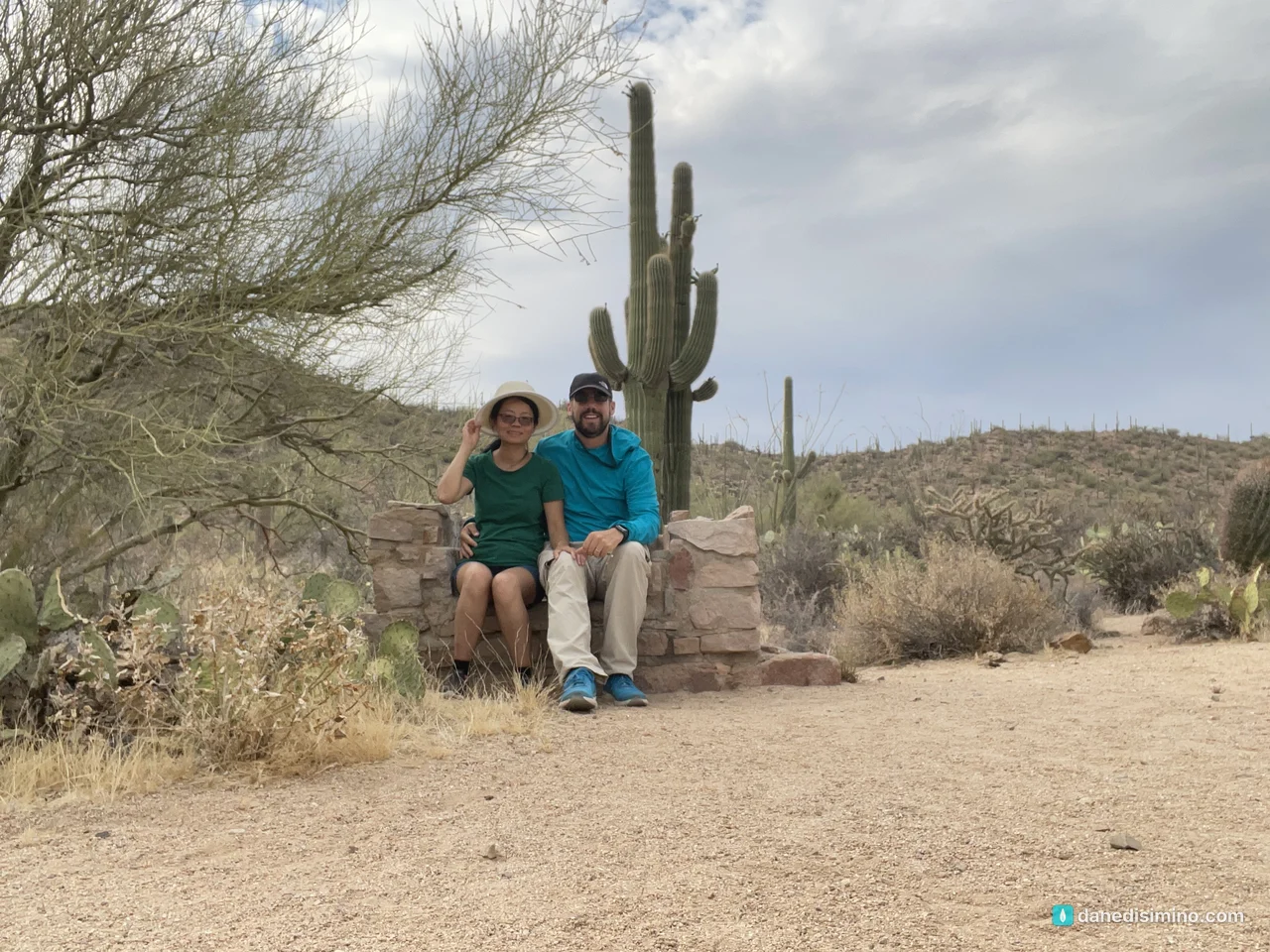
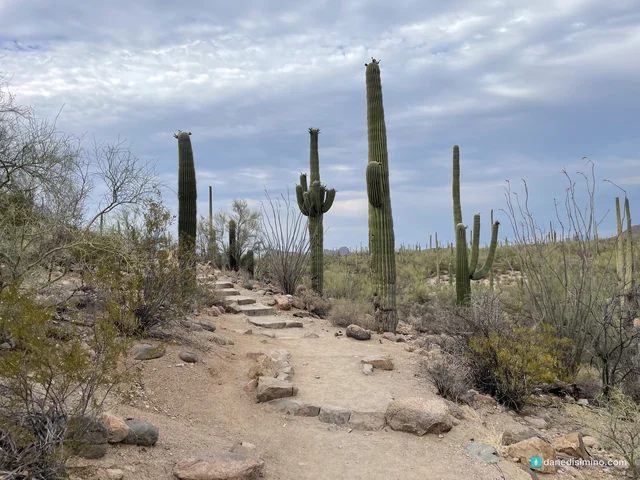
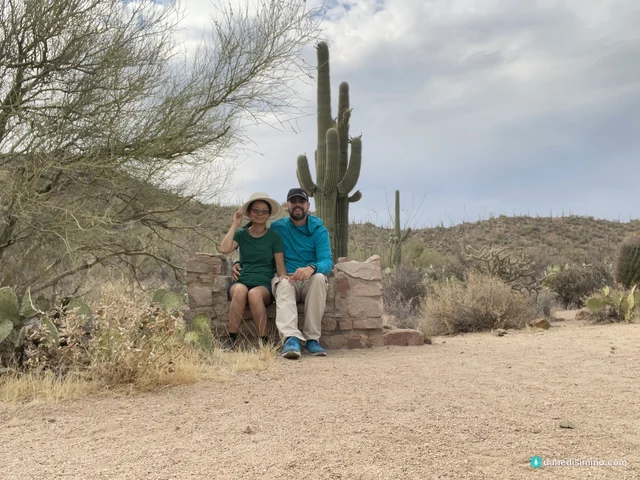
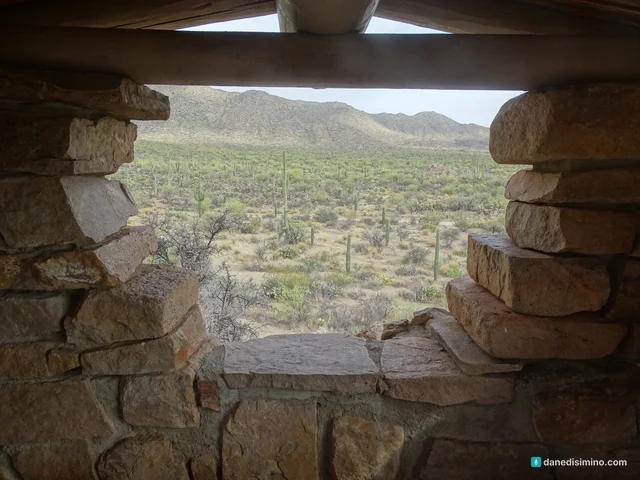
We were eager to get home. But it was a sweet ending. We spent June 17, 2022, in the Tucson Mountains, walking through a quiet desert full of giant cactus, and finished with a stormy sunset.
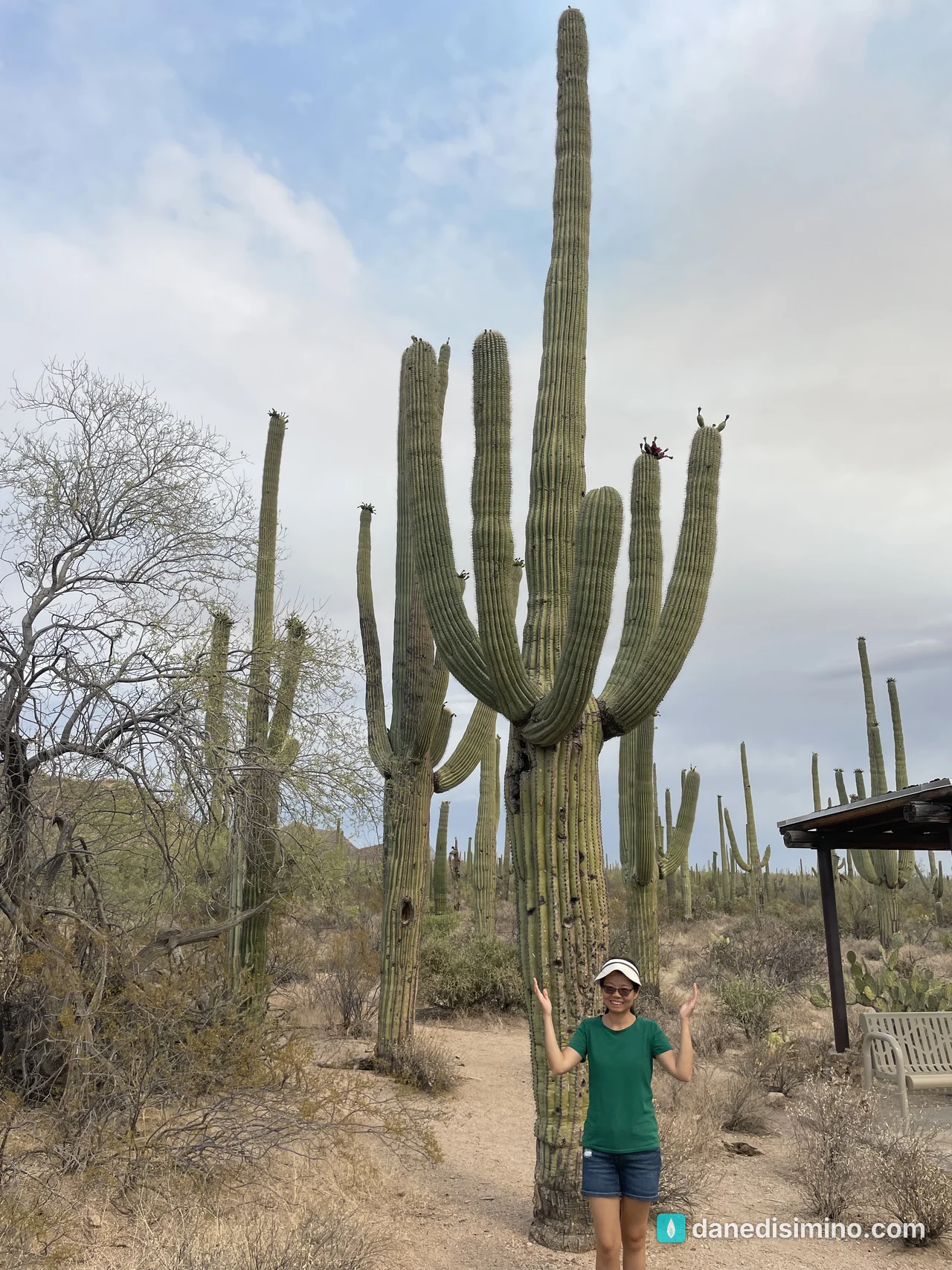
It's like walking through another planet.
I'll be honest: Saguaro isn't on our top 10 list. It's probably not even in my top 25. But when you're there, walking through that silent desert surrounded by those giants, it's special.
The short version
Come for the giants. Saguaros grow only in the Sonoran Desert, and the big ones are 40 feet tall or more.
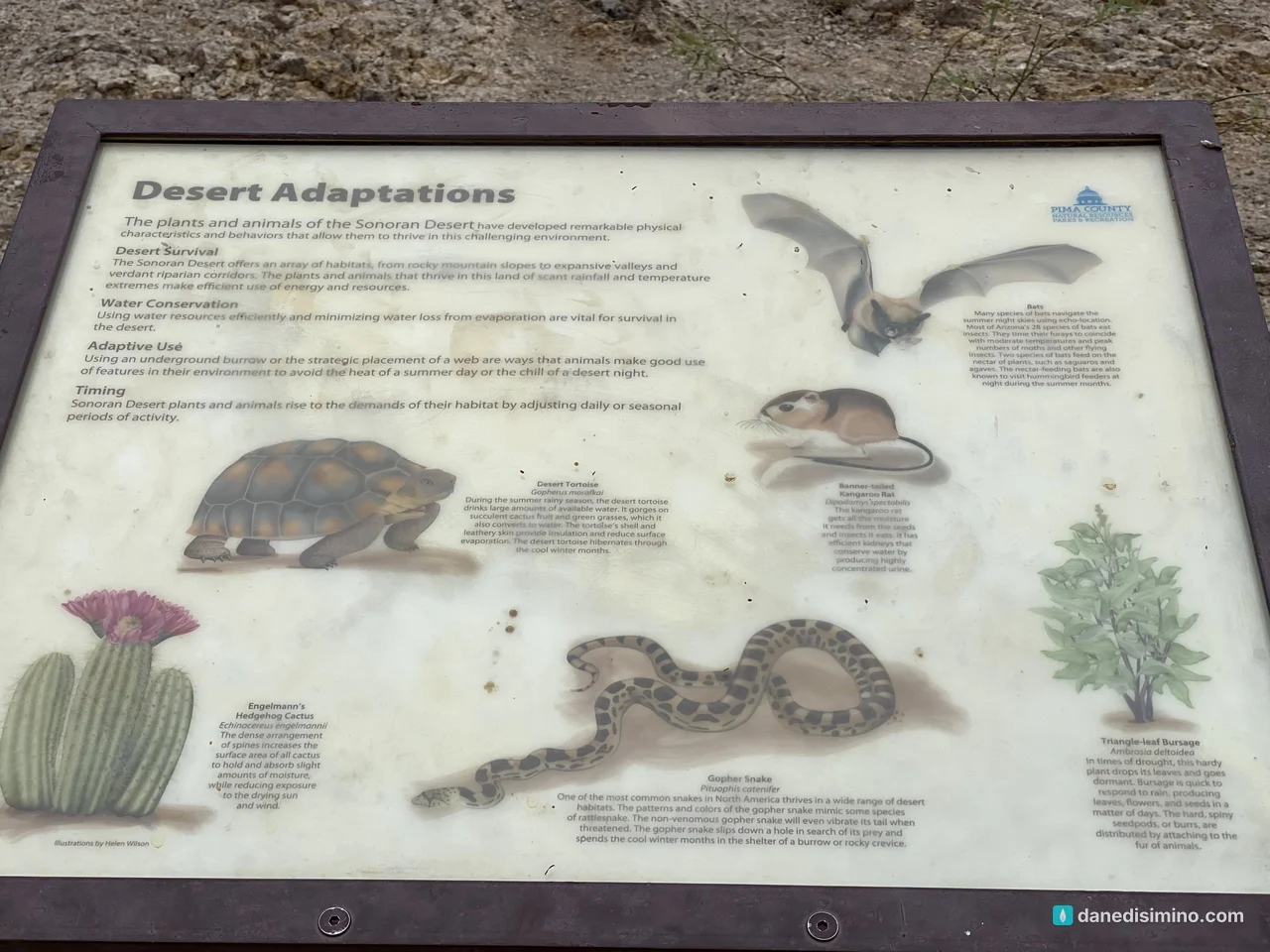
Watch for wildlife. For a desert, there's a lot of it: birds, lizards and more.
Mind the heat. Summer days regularly top 100°F. Get outside before 10 a.m. or after 4 p.m.
Stay for sunset. Saguaro silhouettes against an Arizona sky are the classic view.
Add Chiricahua. America's newest national park is a couple of hours east.
The park at a glance
- 2
- Districts, on either side of Tucson
- 50 ft
- How tall a saguaro can grow
- 150–175
- Years, an average saguaro's life
- $25
- Per vehicle, good for 7 days
Where: Tucson, Arizona. The park has two halves: the Tucson Mountain District (Saguaro West) and the Rincon Mountain District (Saguaro East), on opposite sides of the city. One entrance pass covers both.
We saw: Saguaro West, with the Red Hills Visitor Center, Signal Hill and the Bajada Loop Drive.
Weather: summer highs are regularly well over 100°F. June is usually the driest month. The monsoon season runs June 15 to September 30, with afternoon storms that cool things down. Winter days average about 65°F.
Entrance fee: $25 per vehicle, good for seven days.
Contact: nps.gov/sagu. In an emergency, call 911.
How the park began
By the 1920s and 1930s, people in Tucson worried that the great cactus forests outside the city could be lost. University of Arizona president Homer Shantz and others pushed to protect them. On March 1, 1933, President Herbert Hoover proclaimed Saguaro National Monument to protect the Cactus Forest at the foot of the Rincon Mountains. In 1961, the Tucson Mountain District was added, land that had been part of Pima County's Tucson Mountain Park. Congress made Saguaro a national park in 1994.
The giants
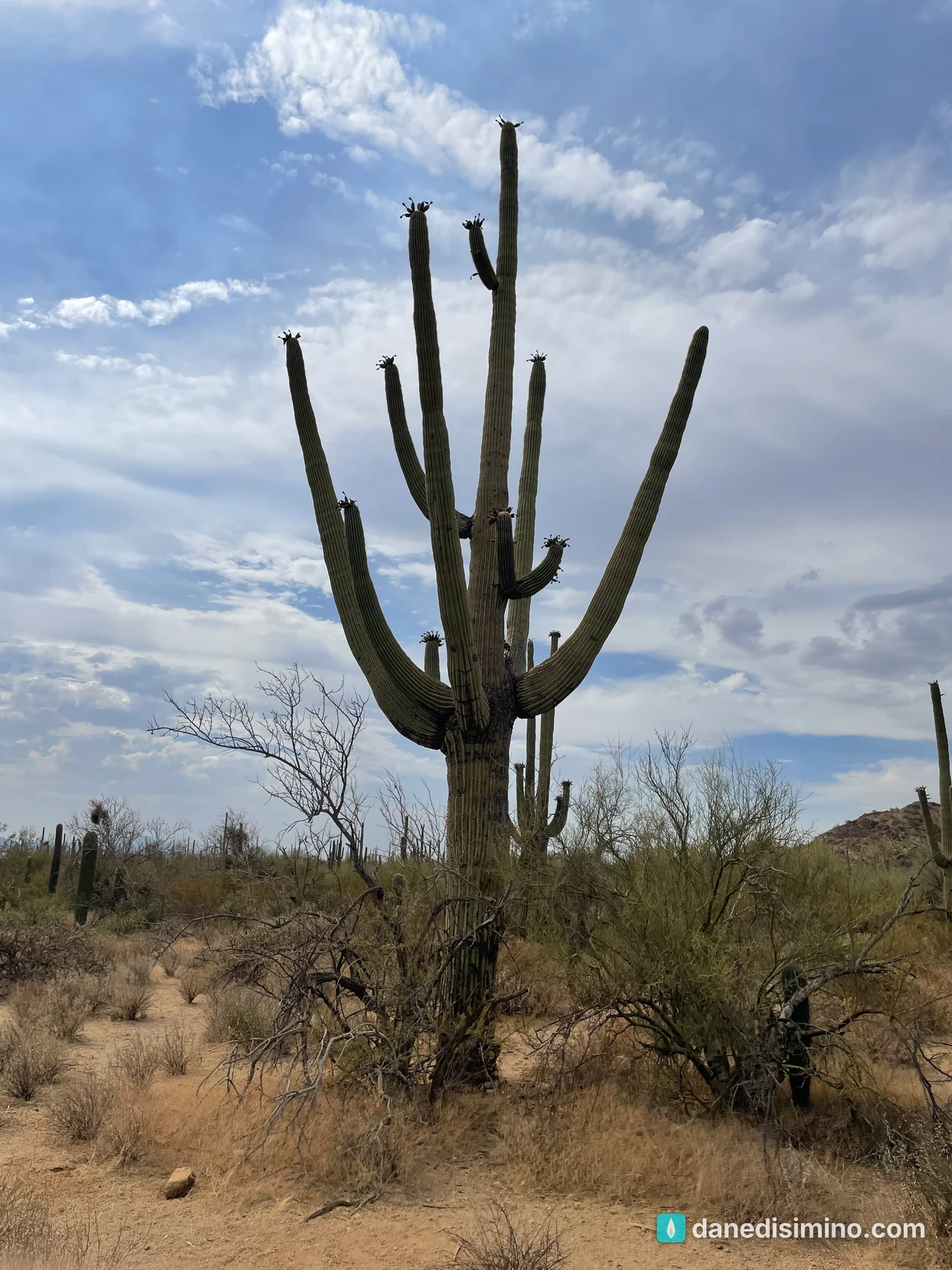
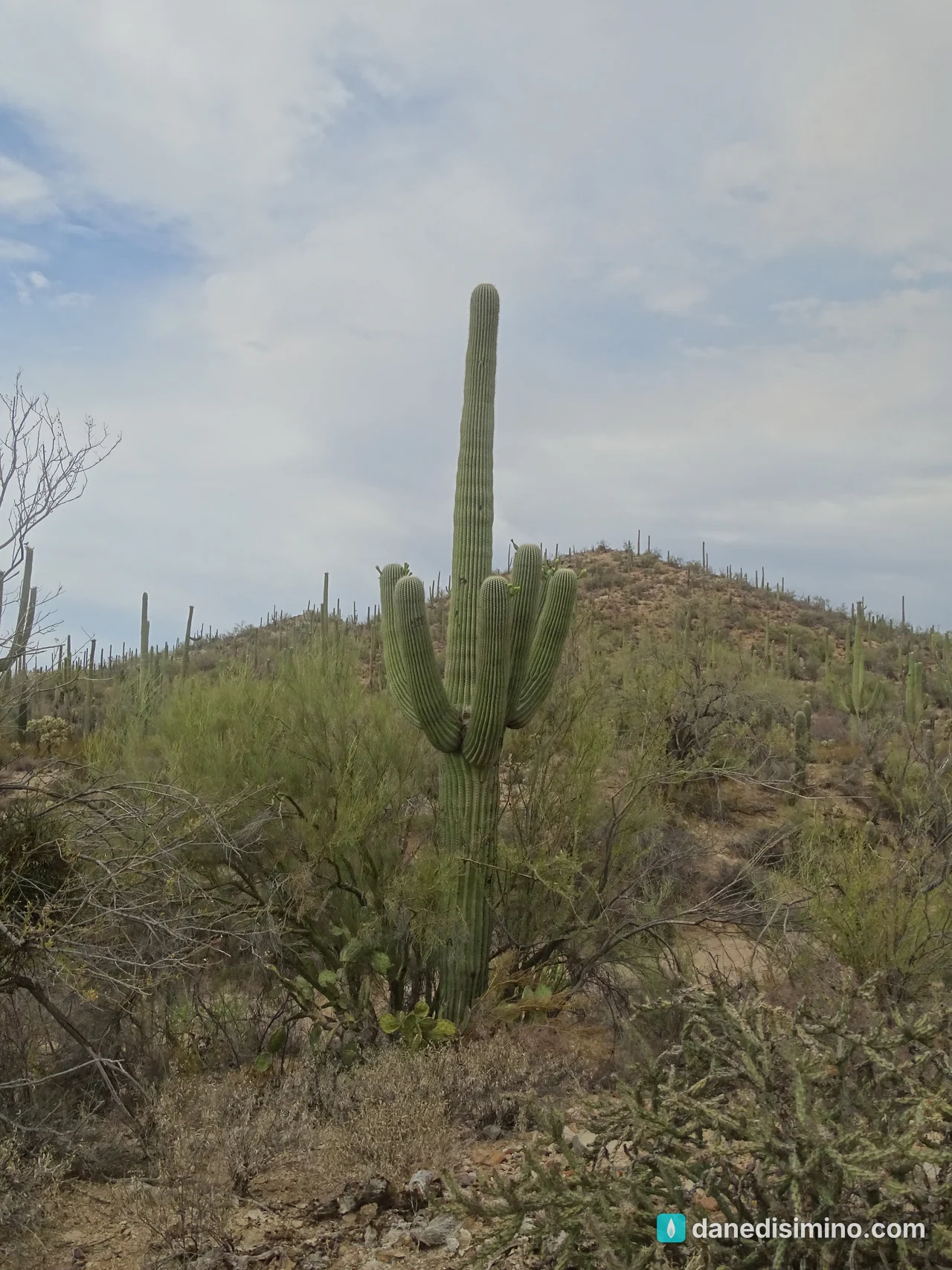
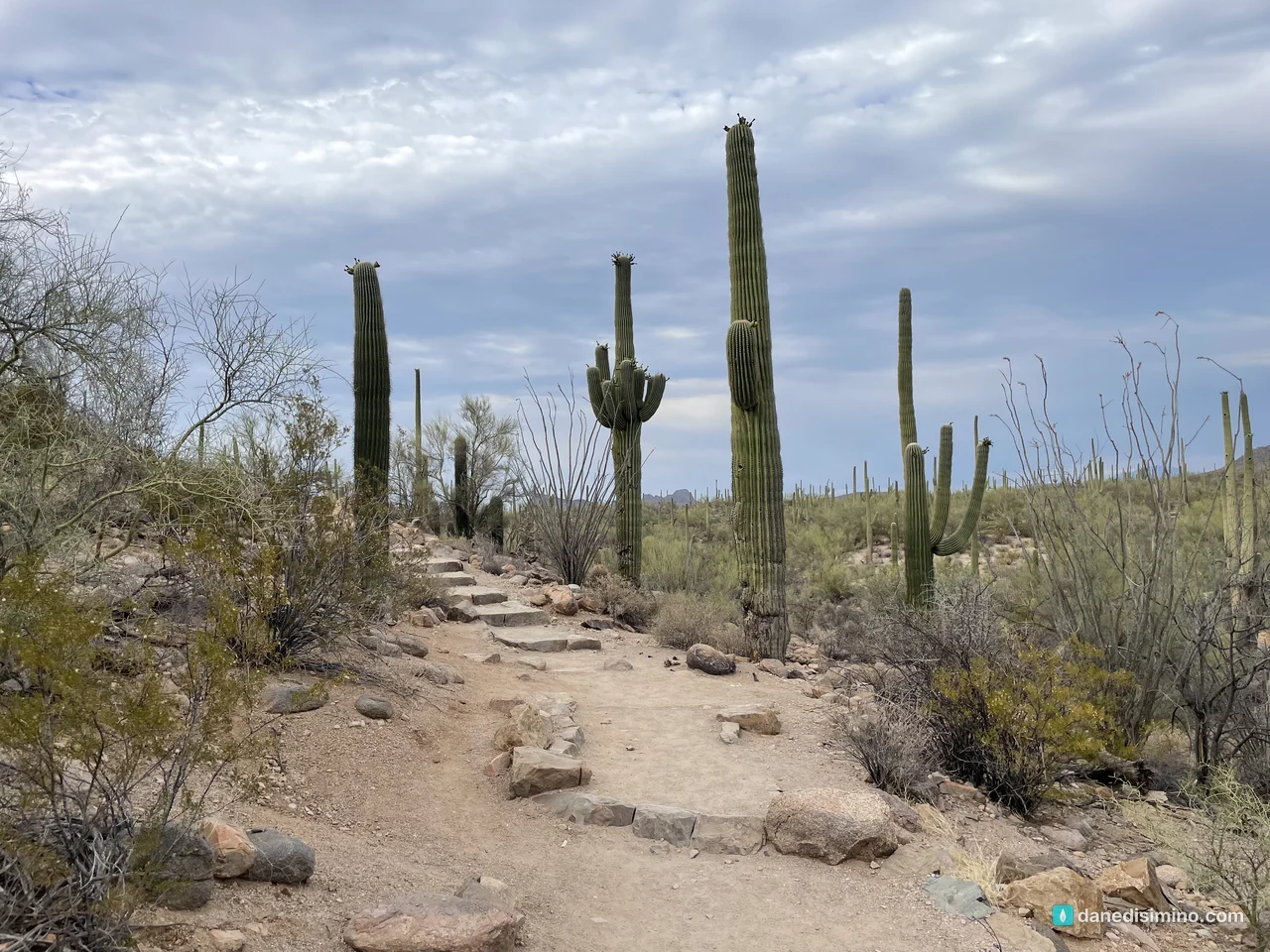
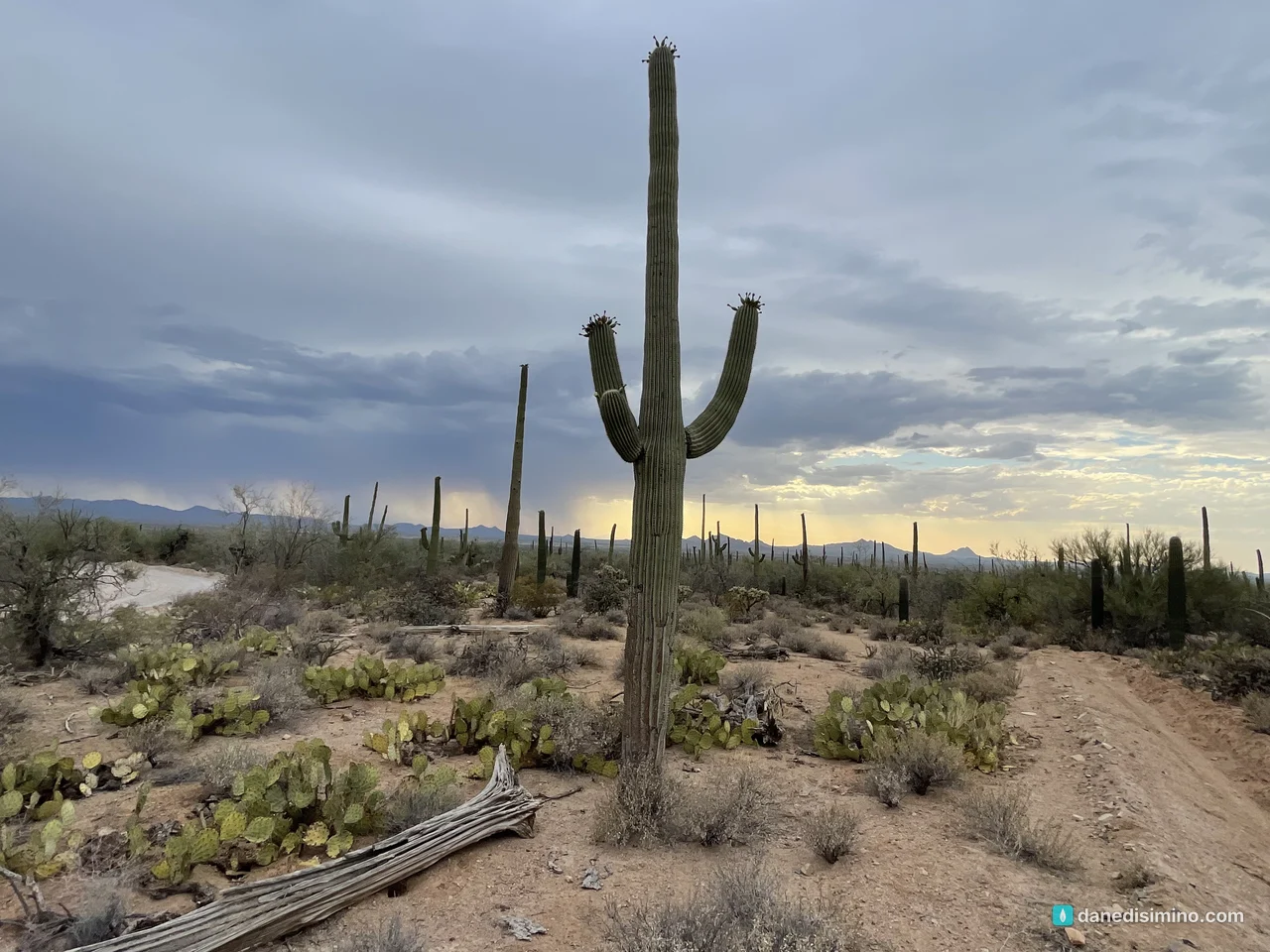
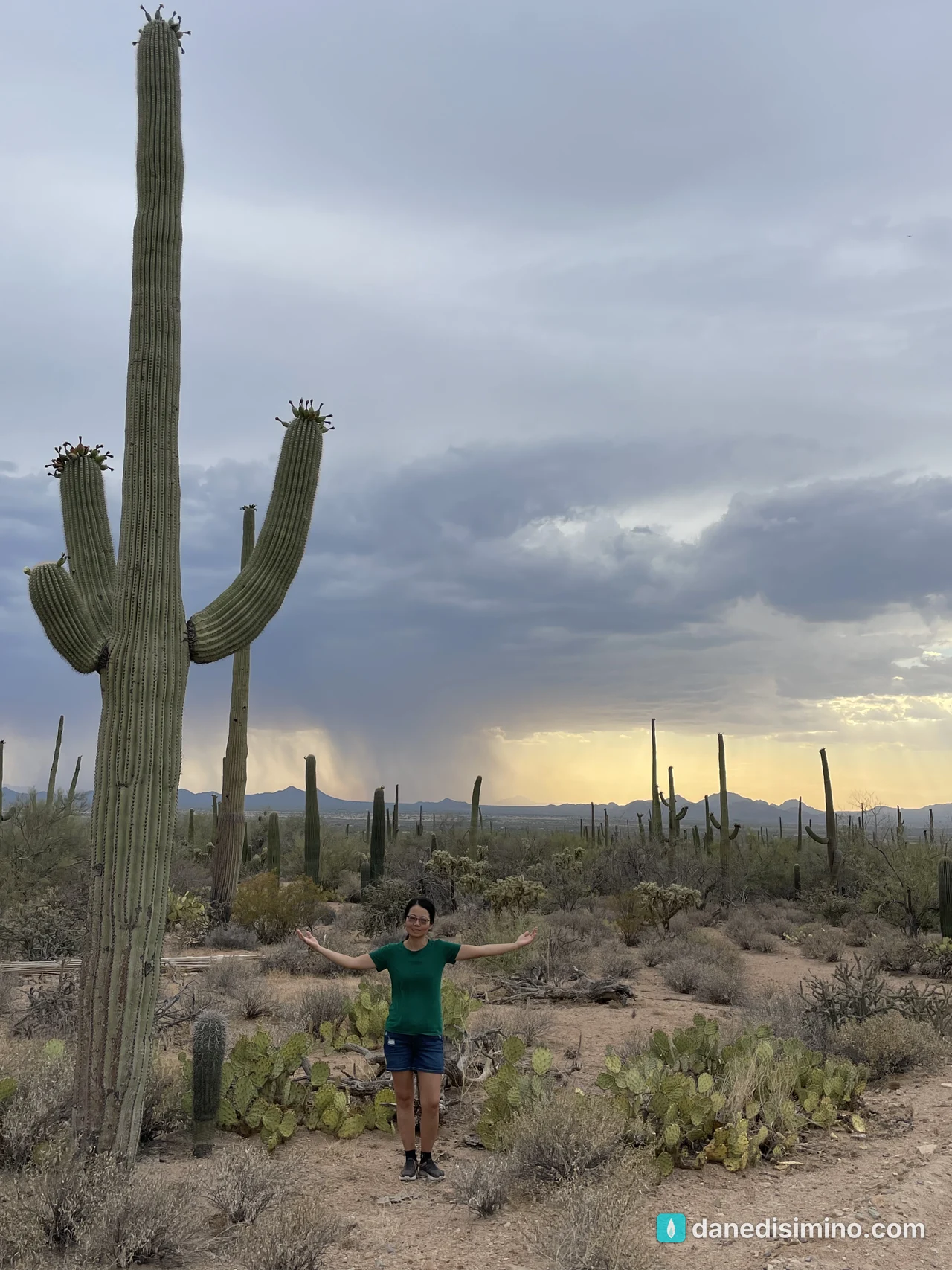
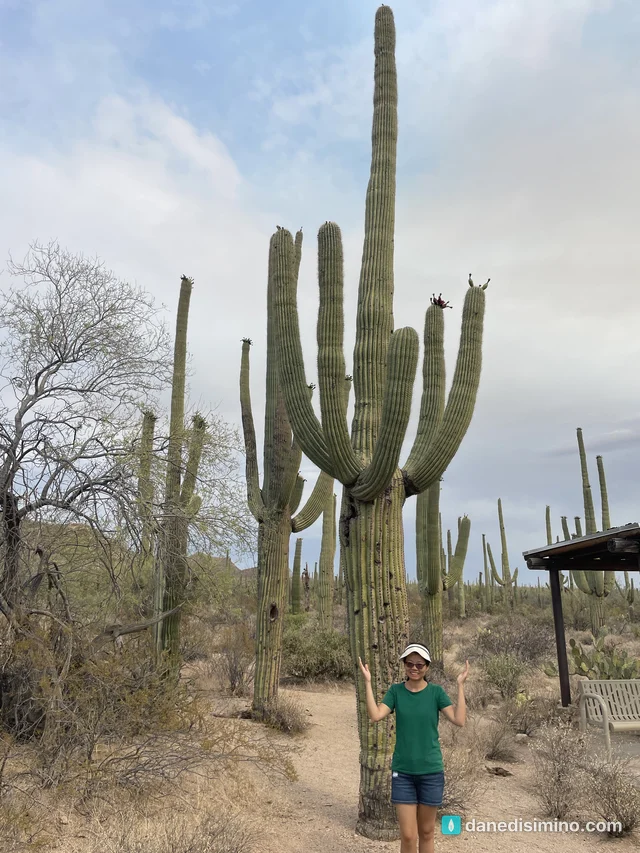
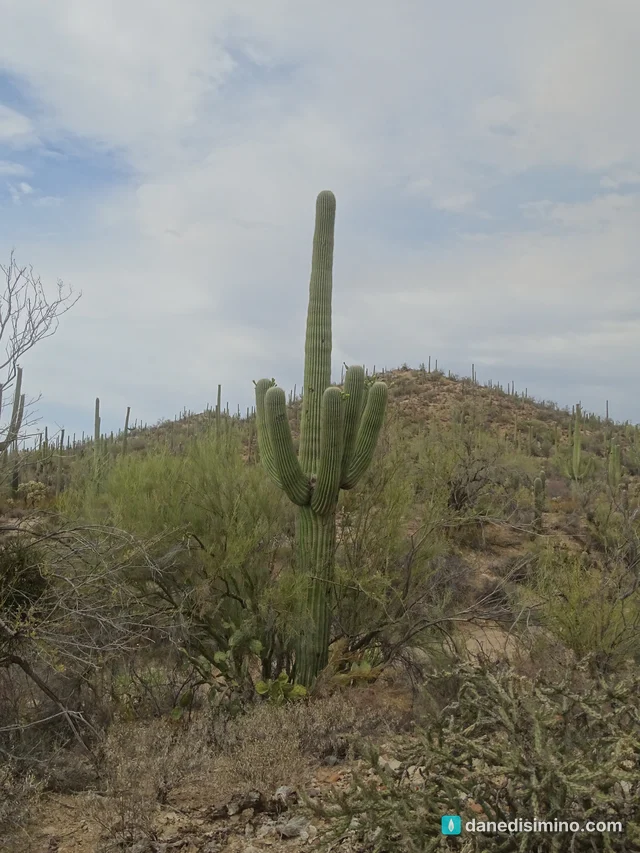
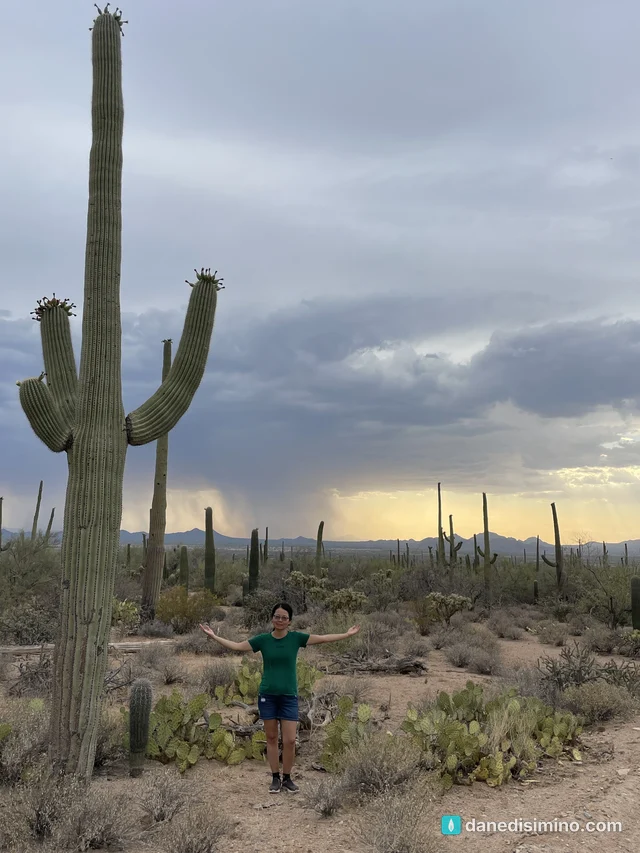
I was not expecting the saguaros to be as big as they were. Some looked 30 to 40 feet tall, with arms reaching every direction.
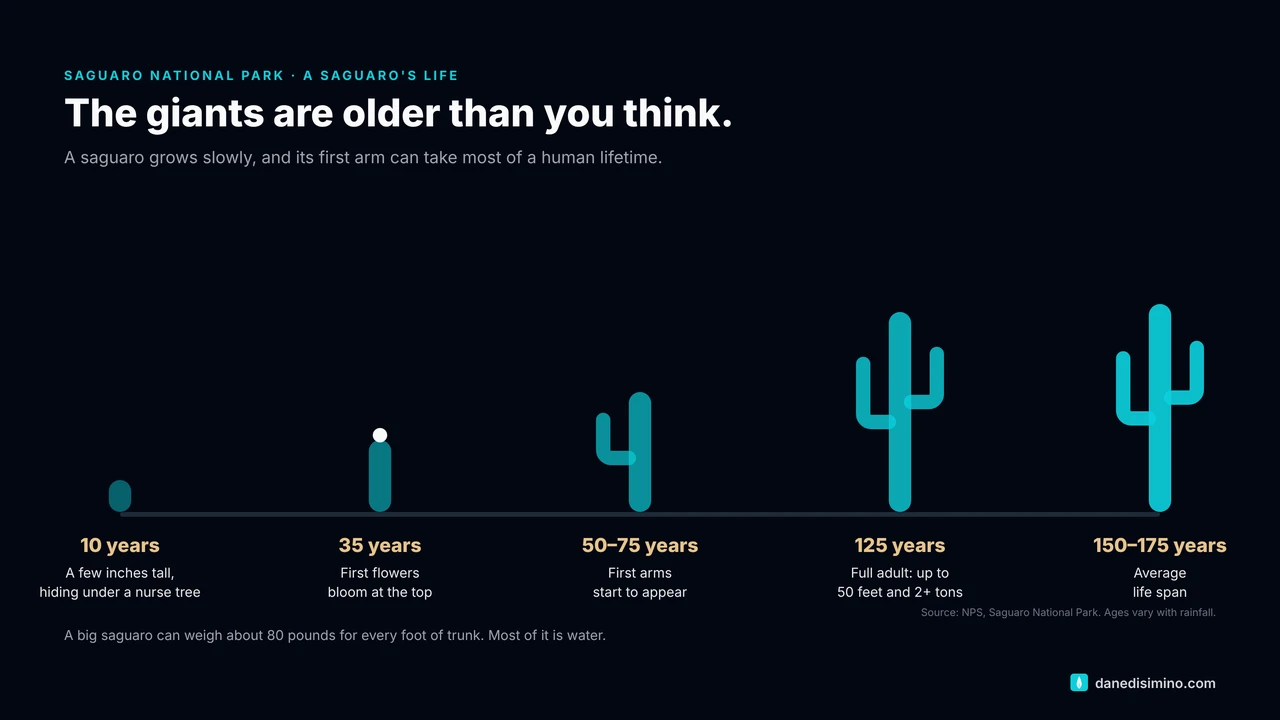
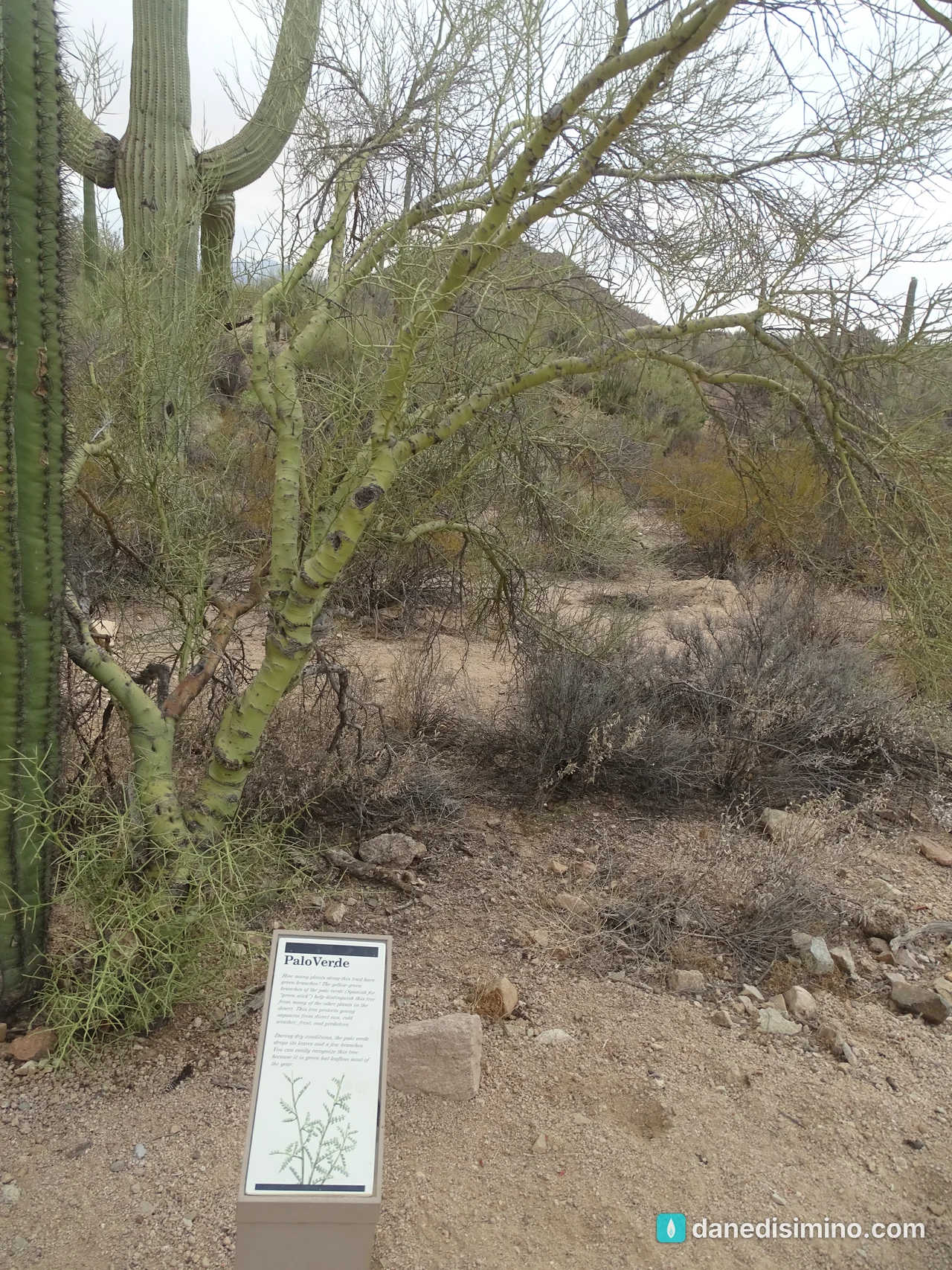
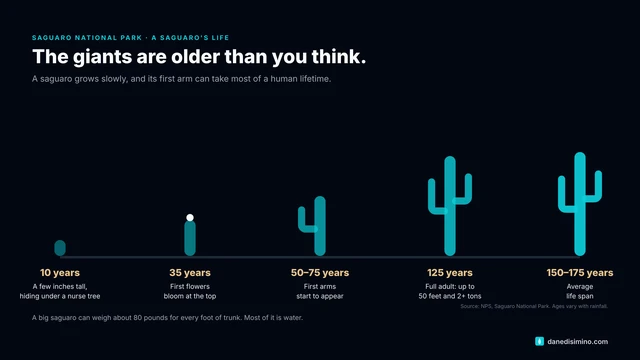
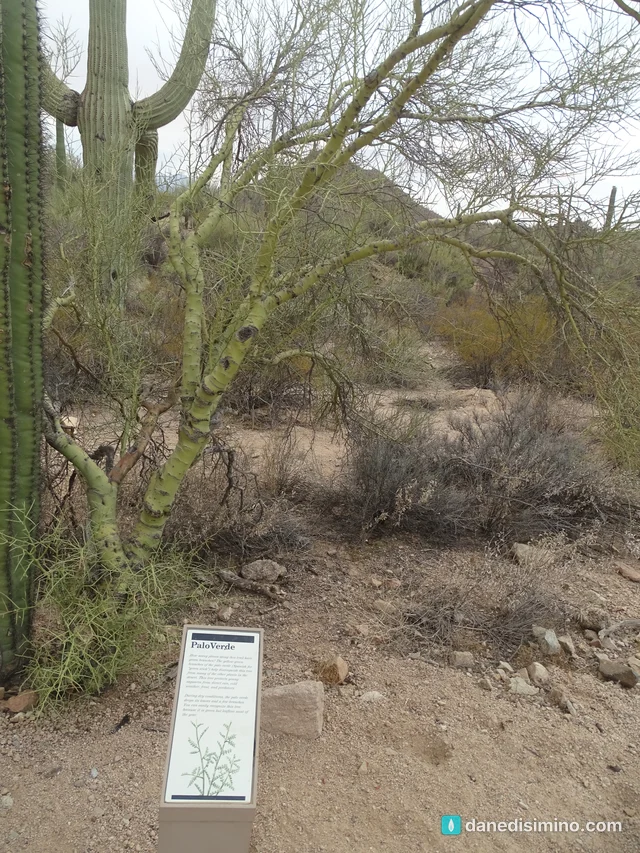
They're also old. A saguaro grows only a few inches in its first ten years, usually in the shade of a "nurse tree" like a palo verde. It starts to flower around 35. In this part of Arizona, the first arms appear at about 60 to 75 years, and in drier places it can take 100. A full adult is about 125 years old. The average saguaro lives 150 to 175 years, and some may live 200.
Most of a saguaro is water. A big one can weigh about 80 pounds for every foot of trunk, held up by a ring of woody ribs inside. When it rains, the pleated skin expands like an accordion to store water.
Life in the desert
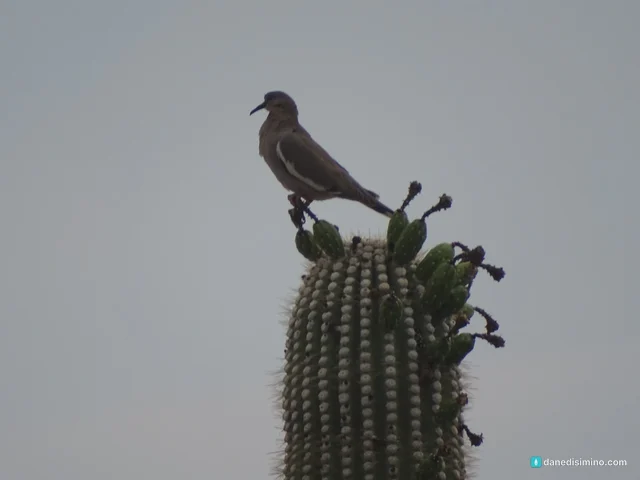
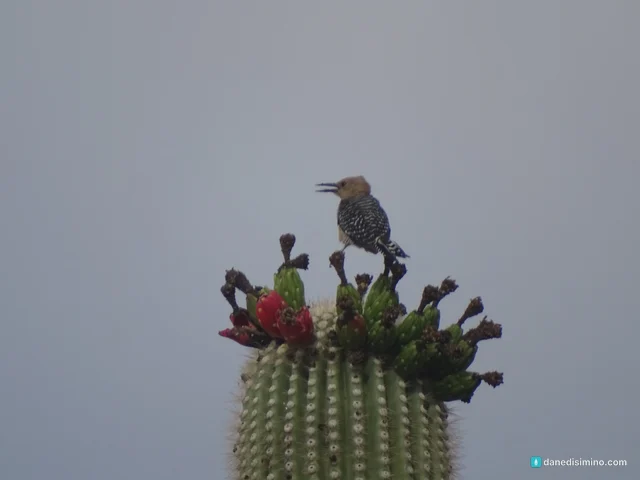
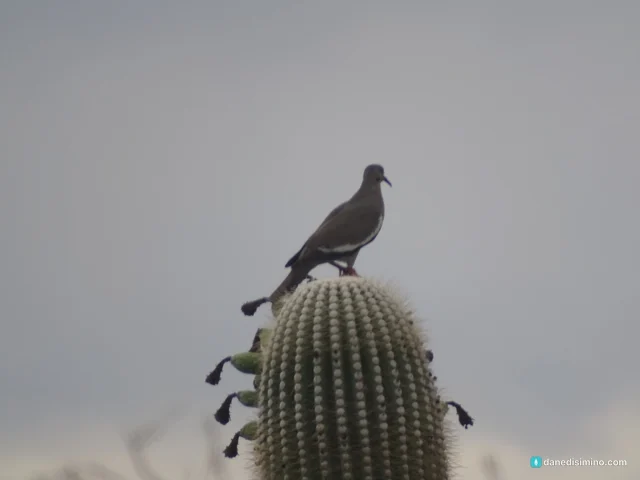
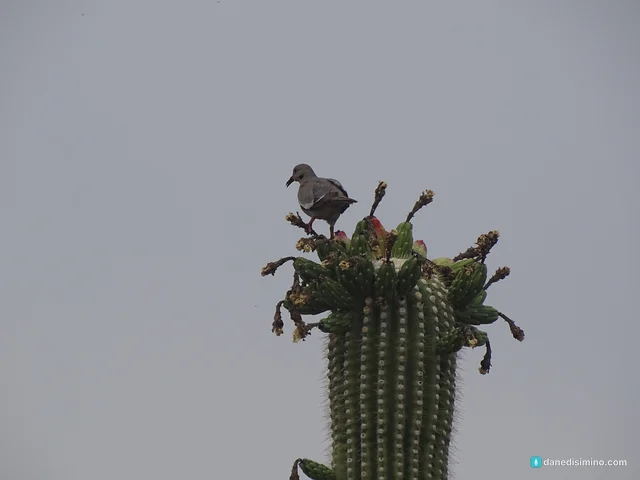
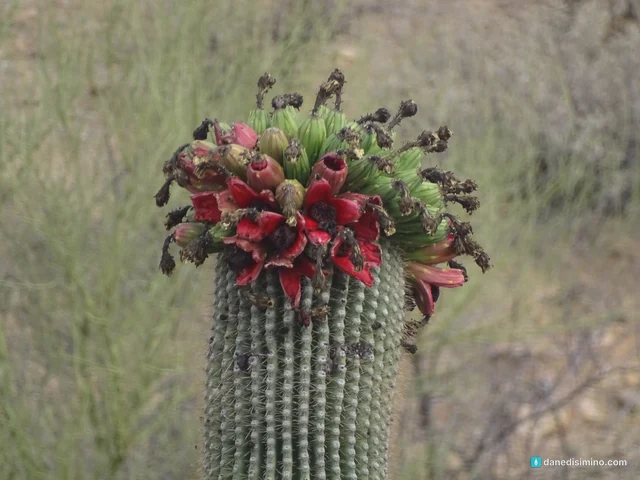
The coolest part was all the life. Birds were nesting, singing and feeding on the tops of the saguaros. What looked like red blossoms were the saguaro's ripe fruit, split open and bright red inside. The cactus flowers in May and June, and each red fruit can hold up to 2,000 tiny black seeds. In June, the birds feast.
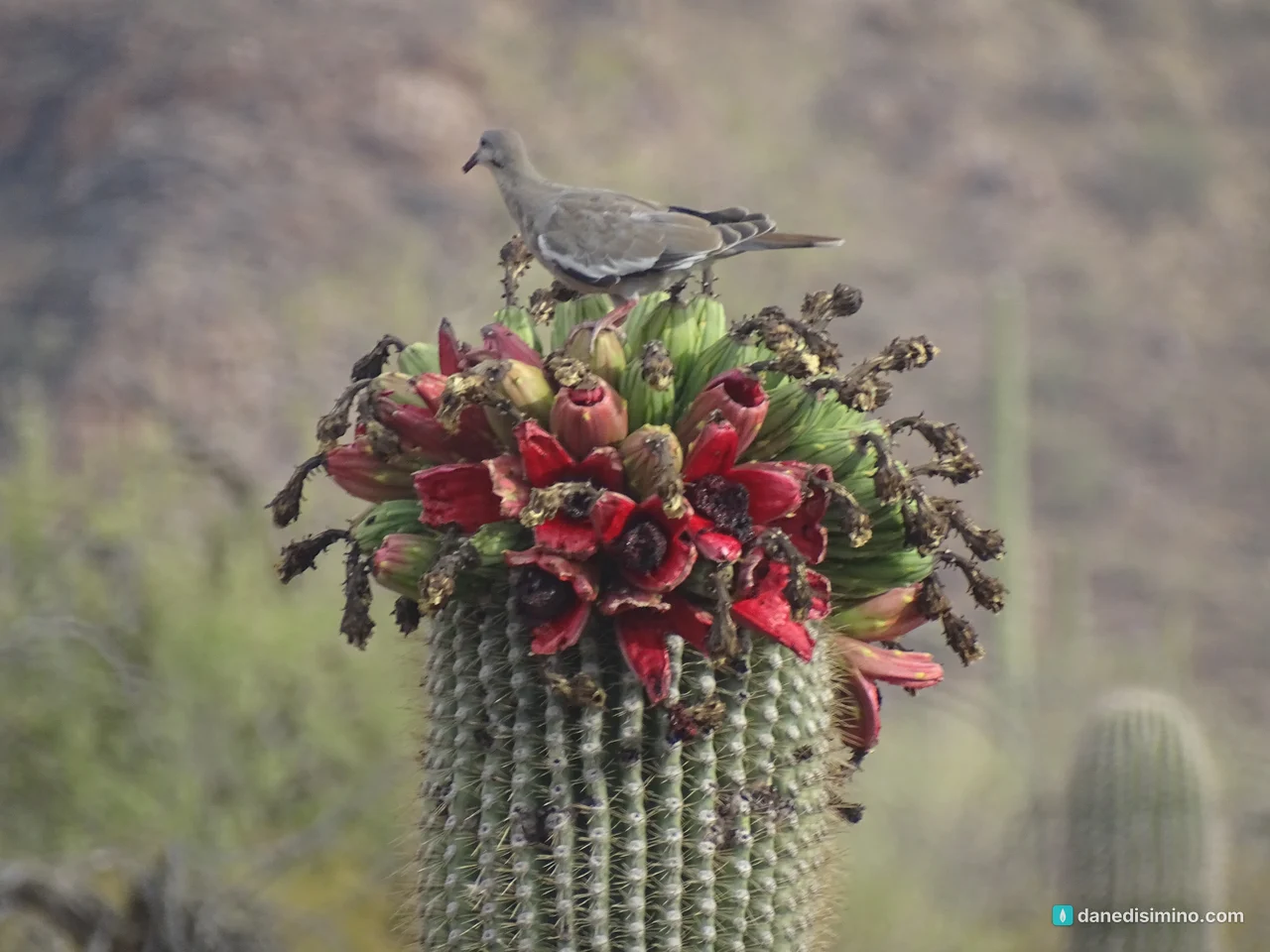
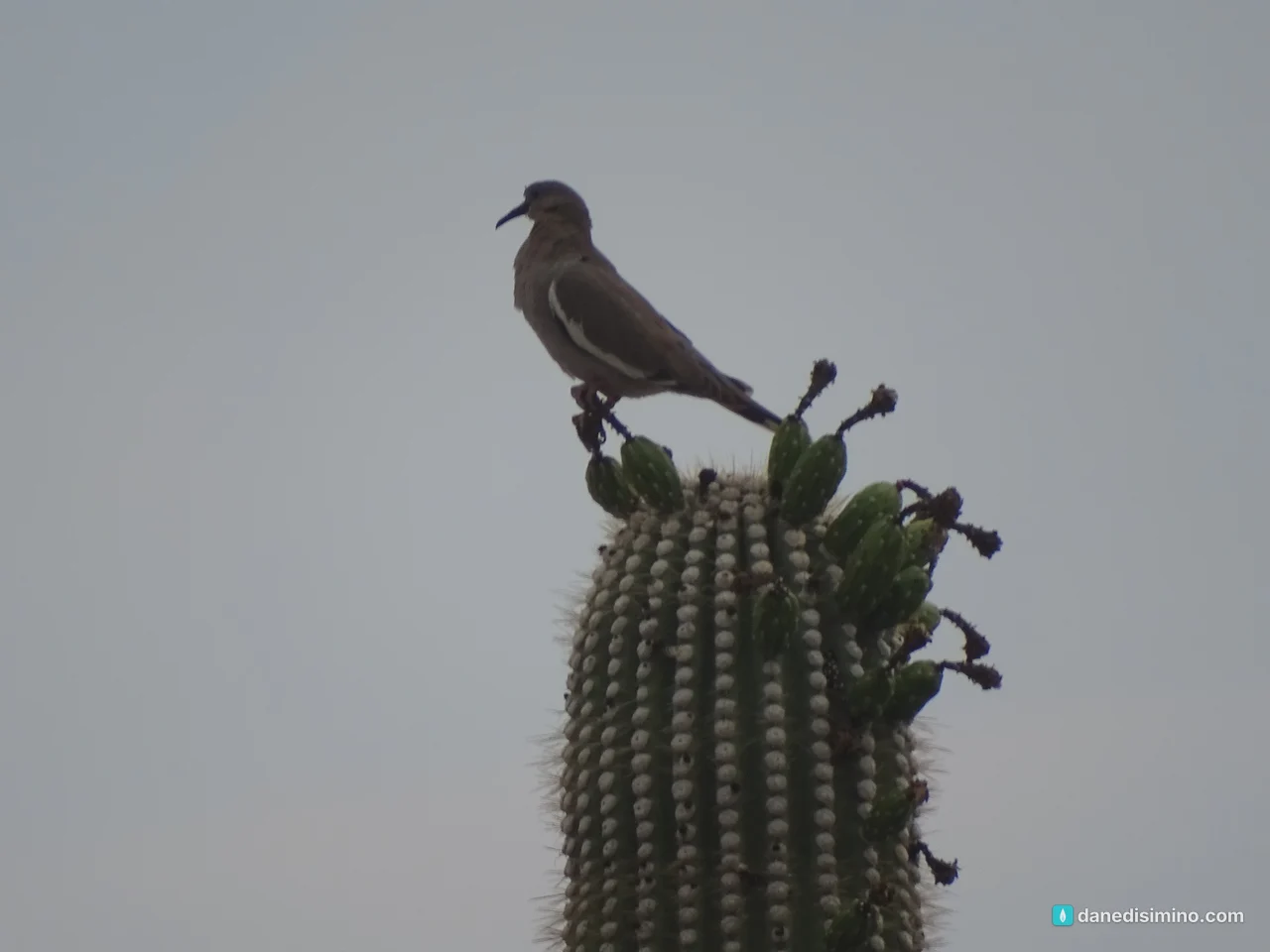
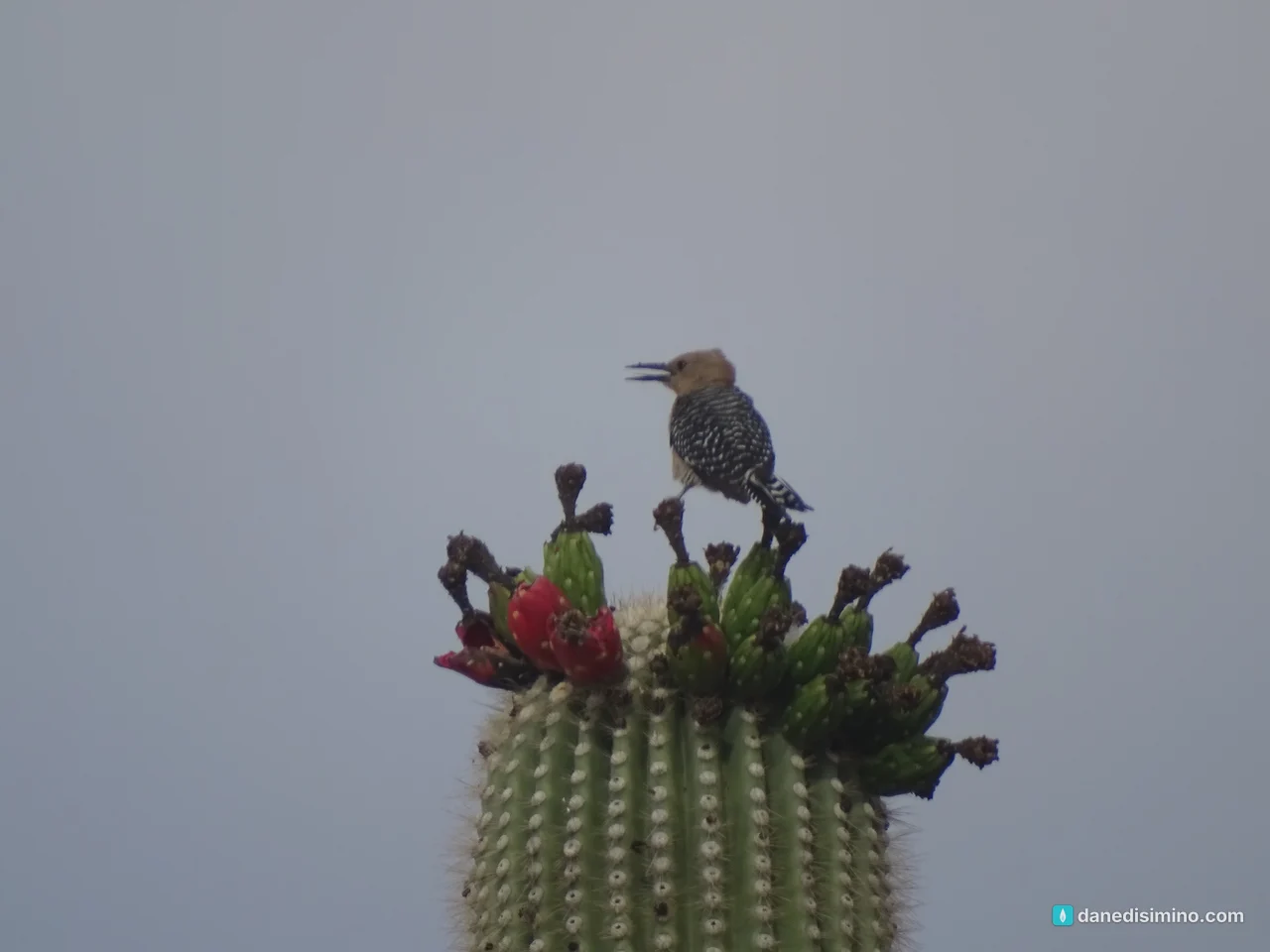
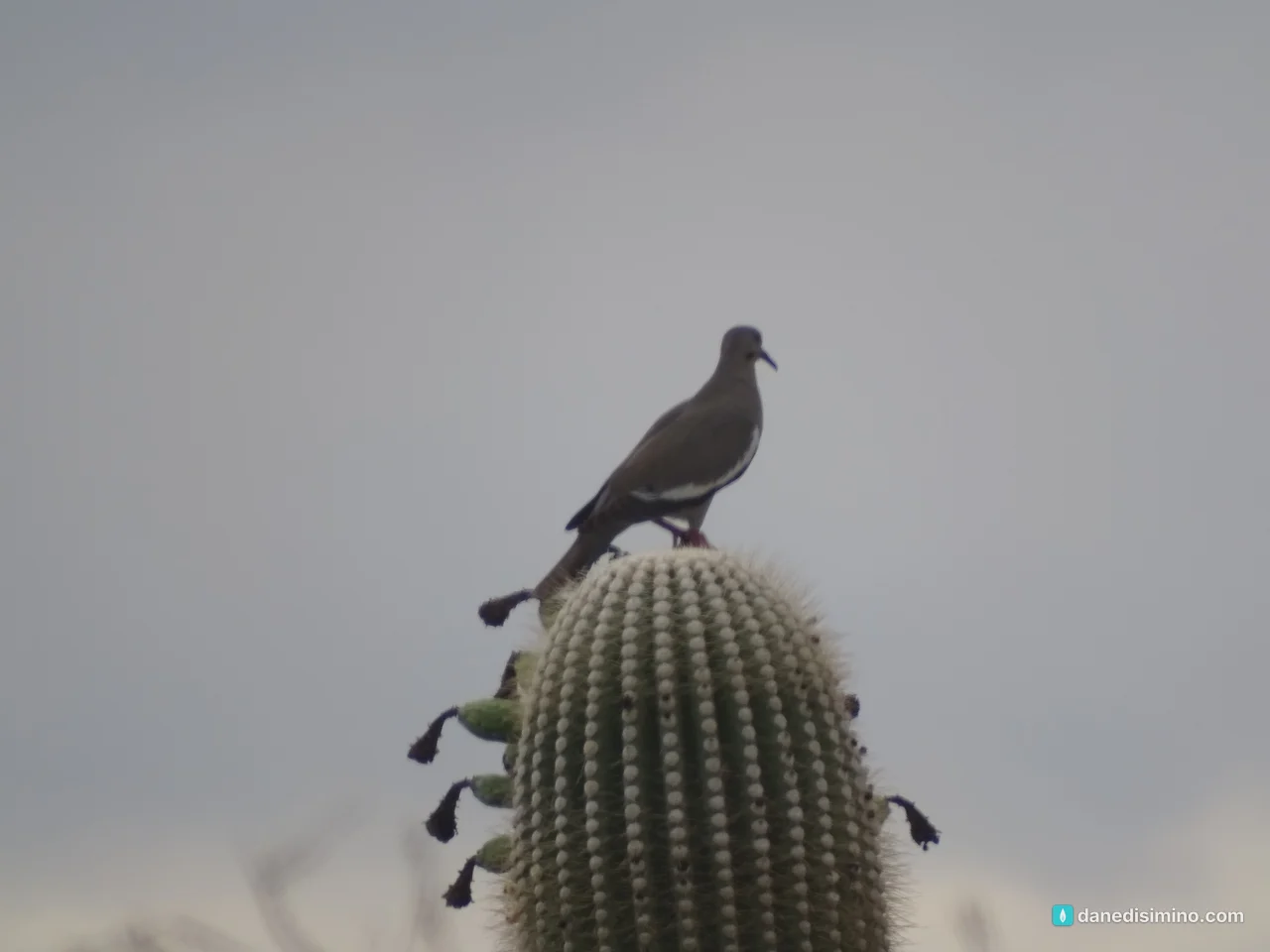
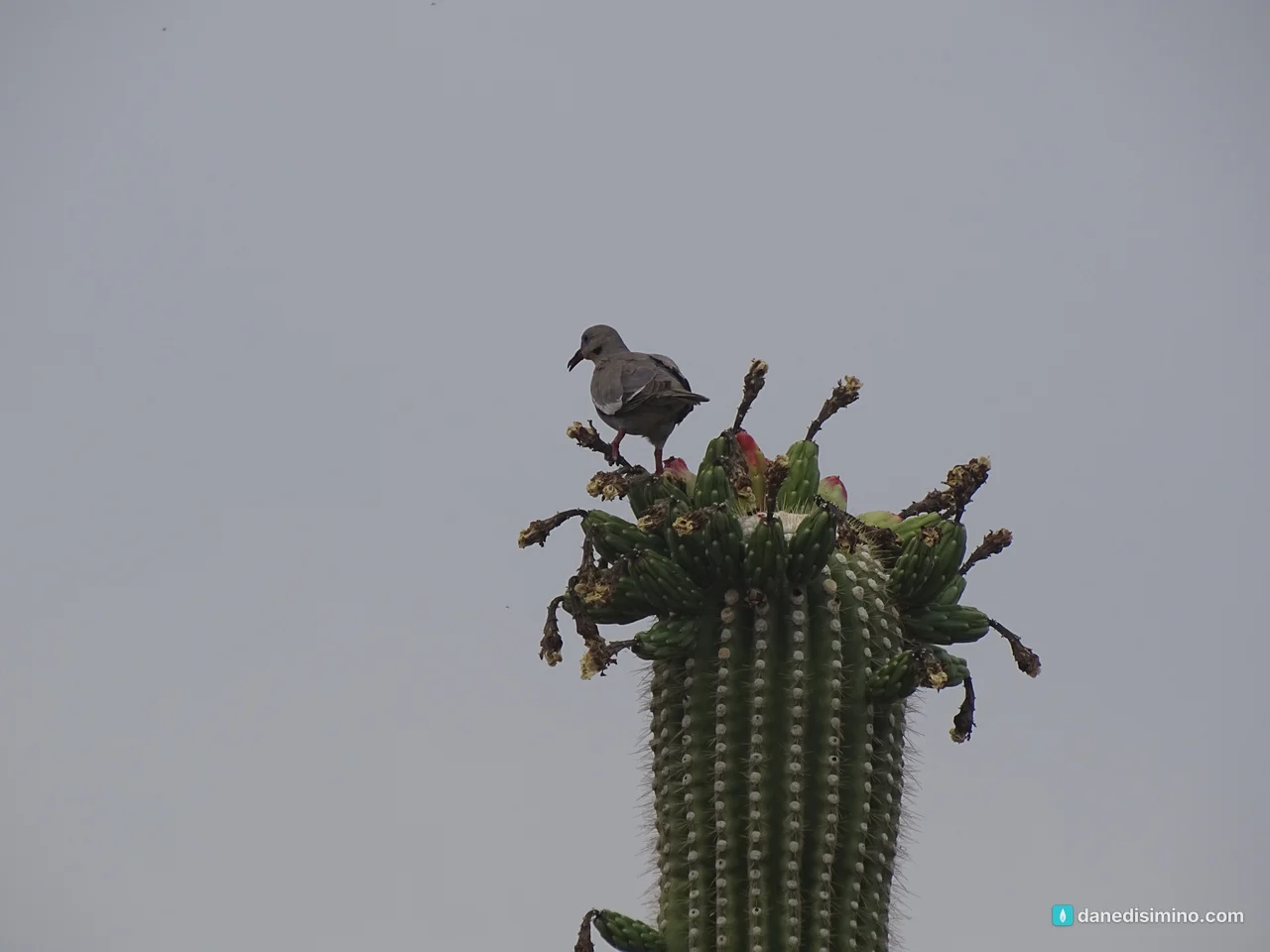
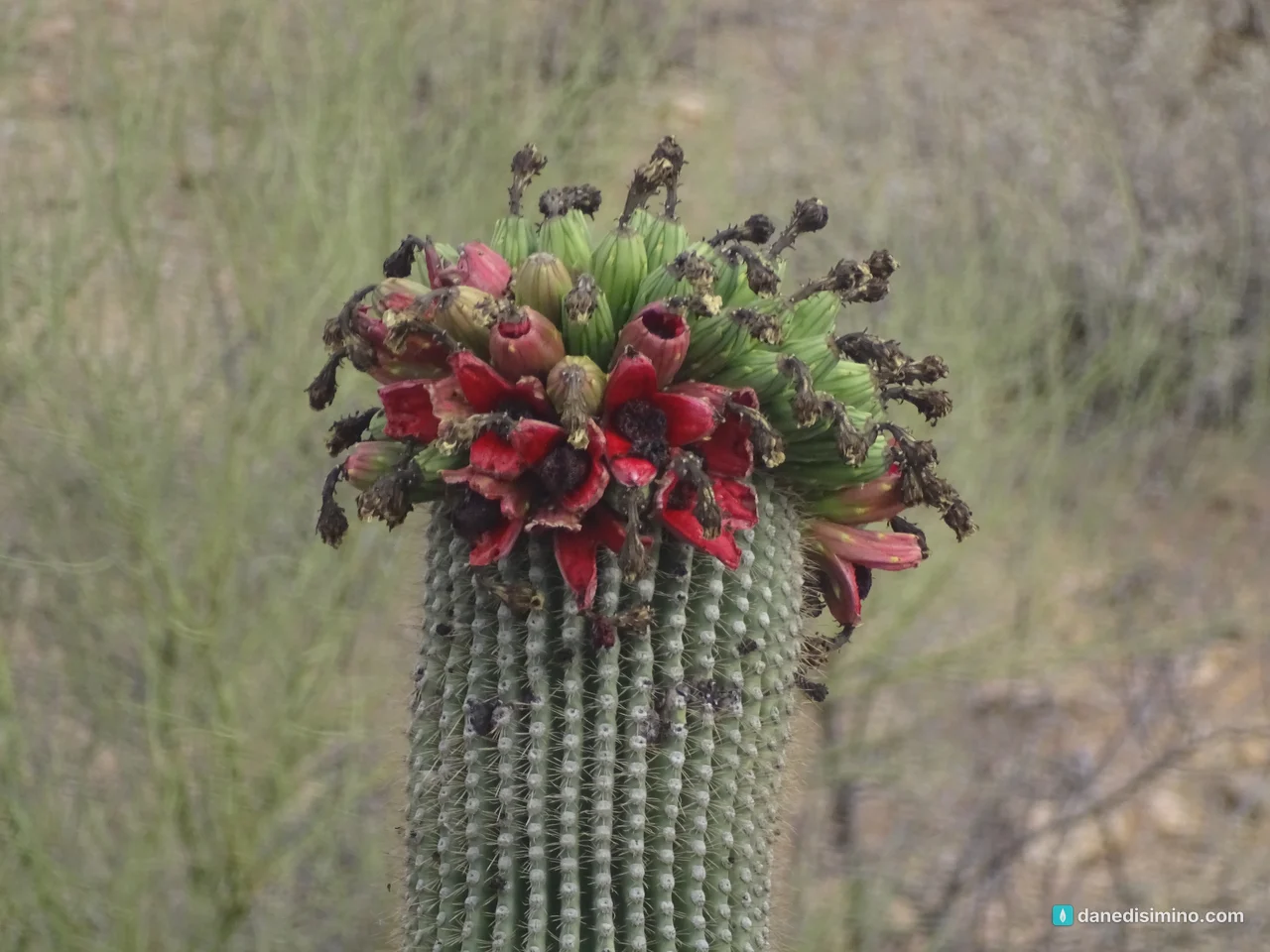
The saguaro is home to more than birds passing through. Gila woodpeckers and gilded flickers carve nest holes into the cactus. When they move out, elf owls and other birds move in. Hawks build stick nests among the arms.
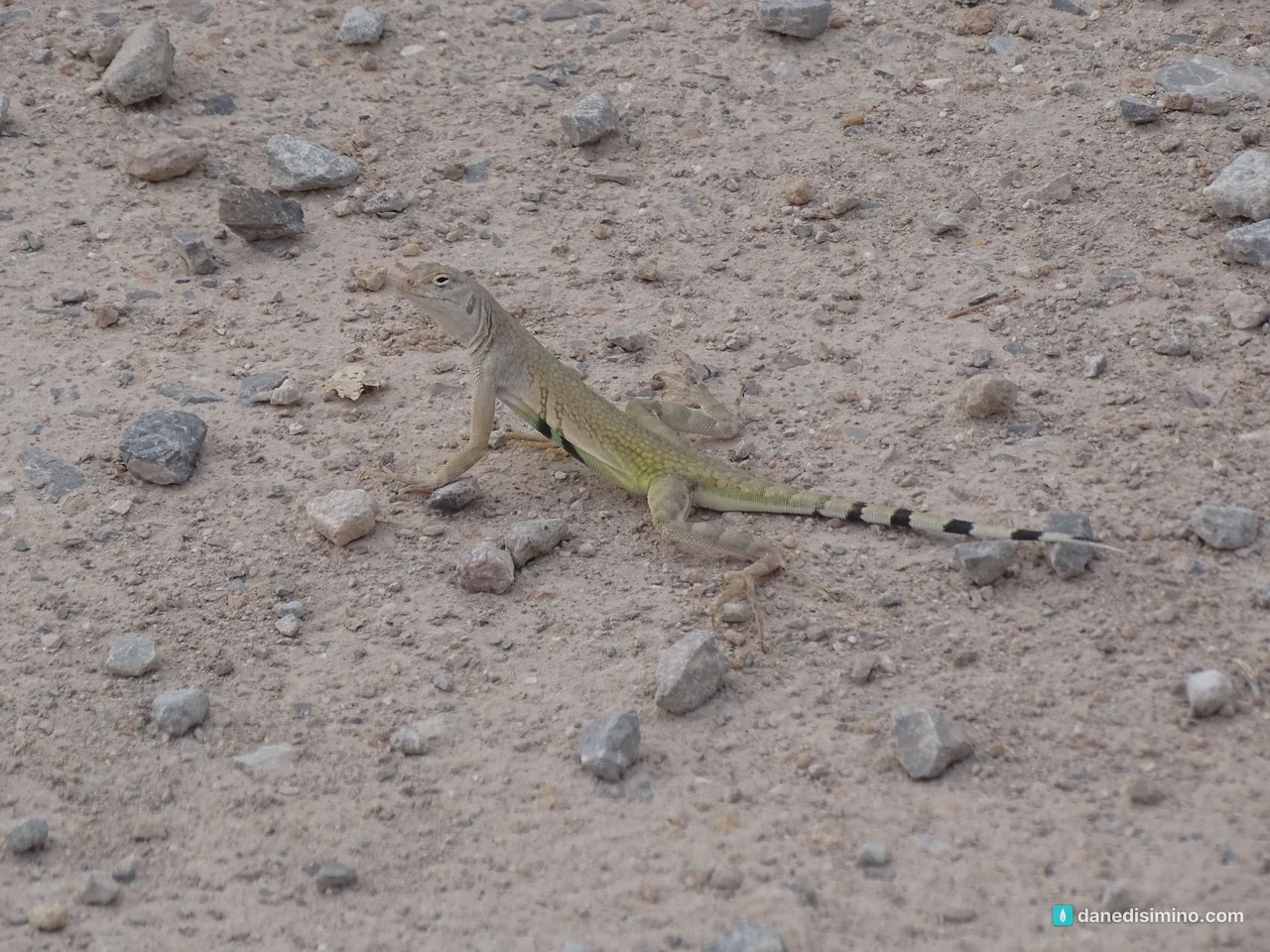
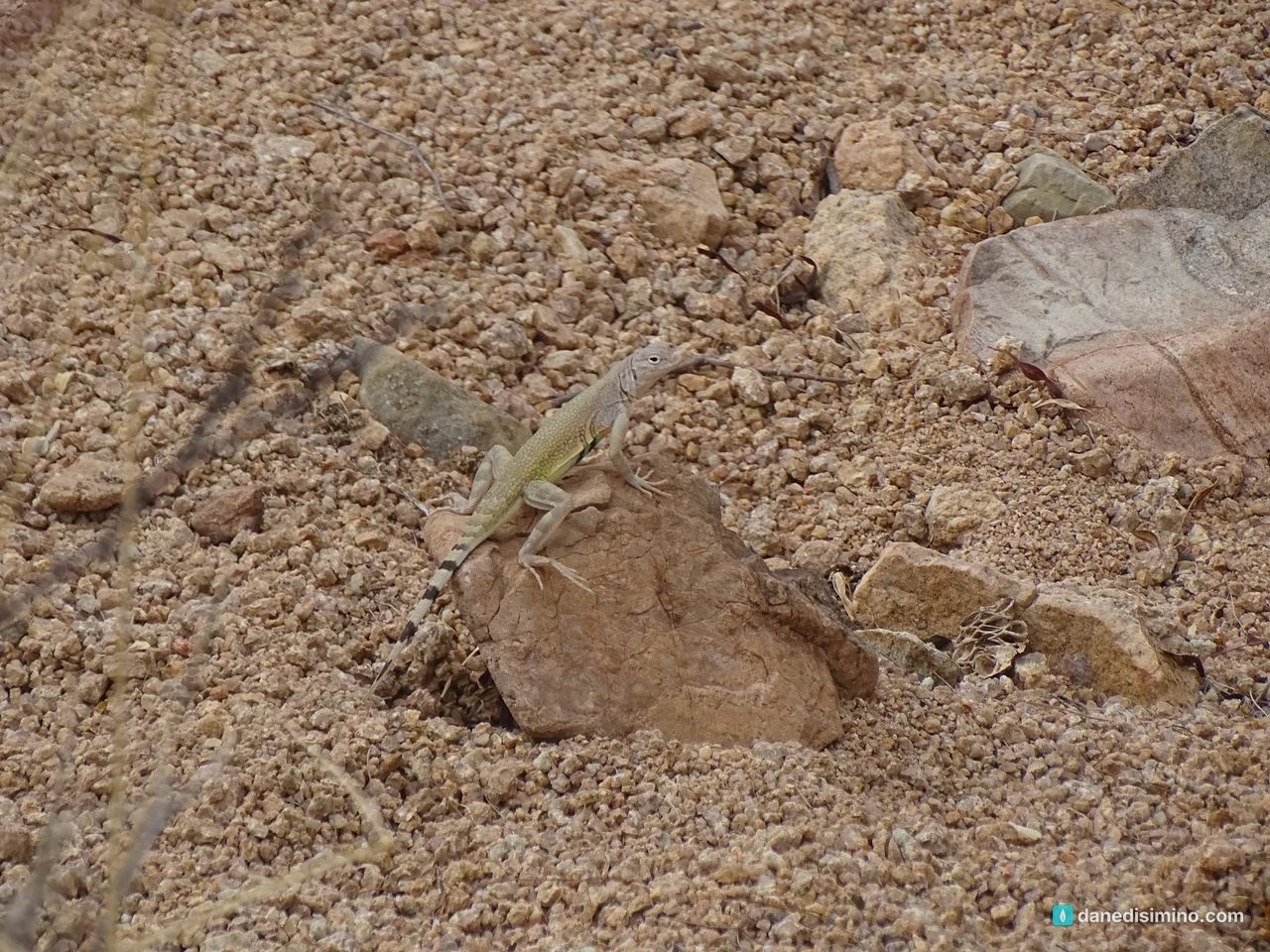
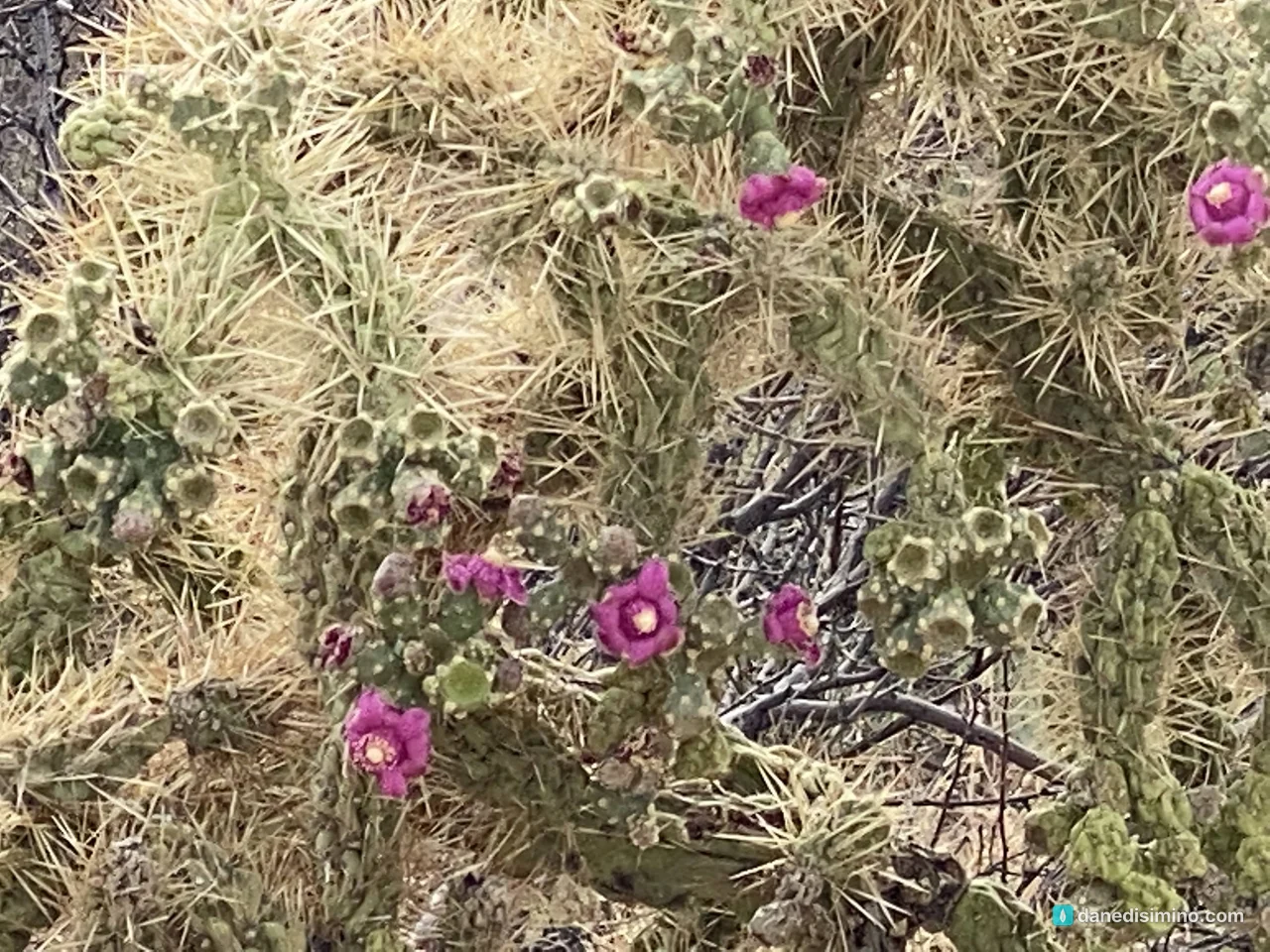
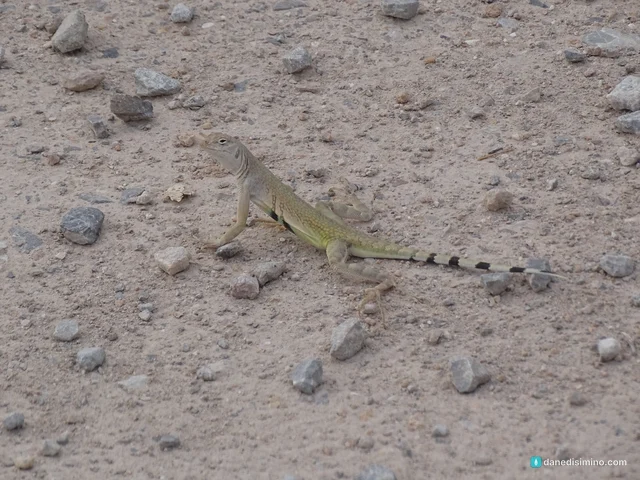
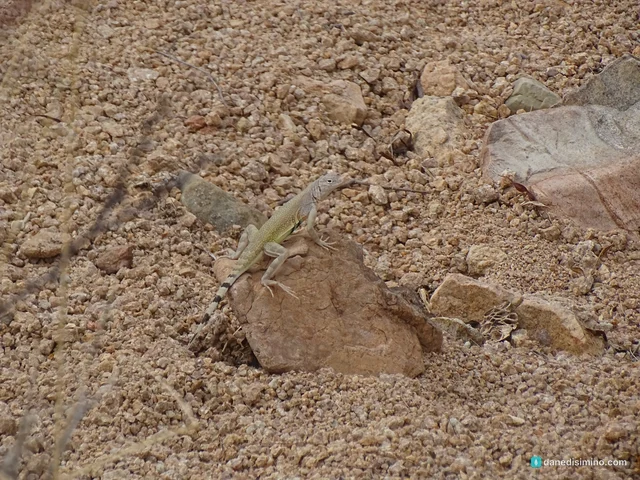
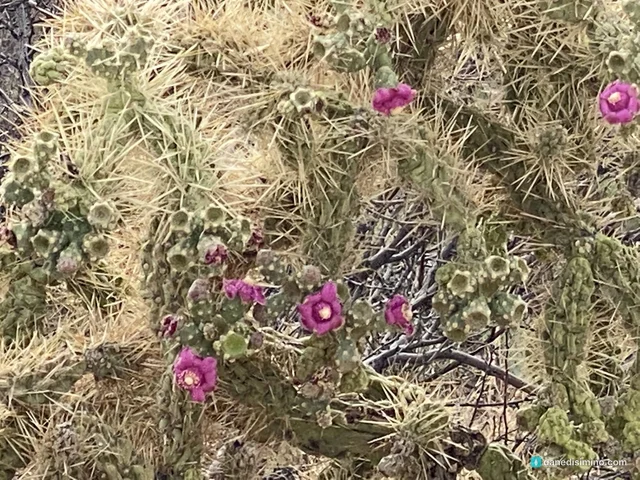
We saw lizards darting across the gravel and cholla blooming bright pink.
Signal Hill petroglyphs
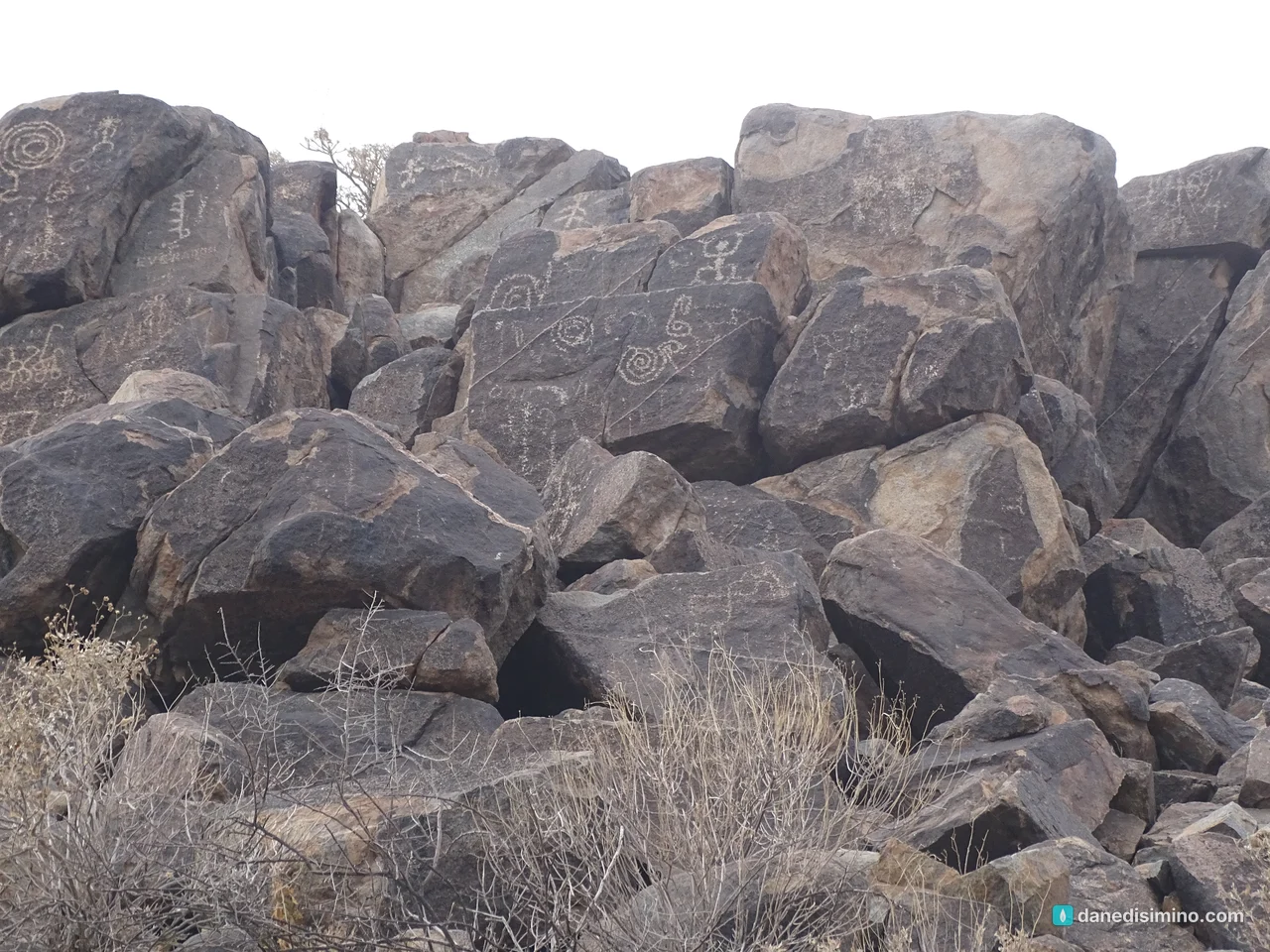
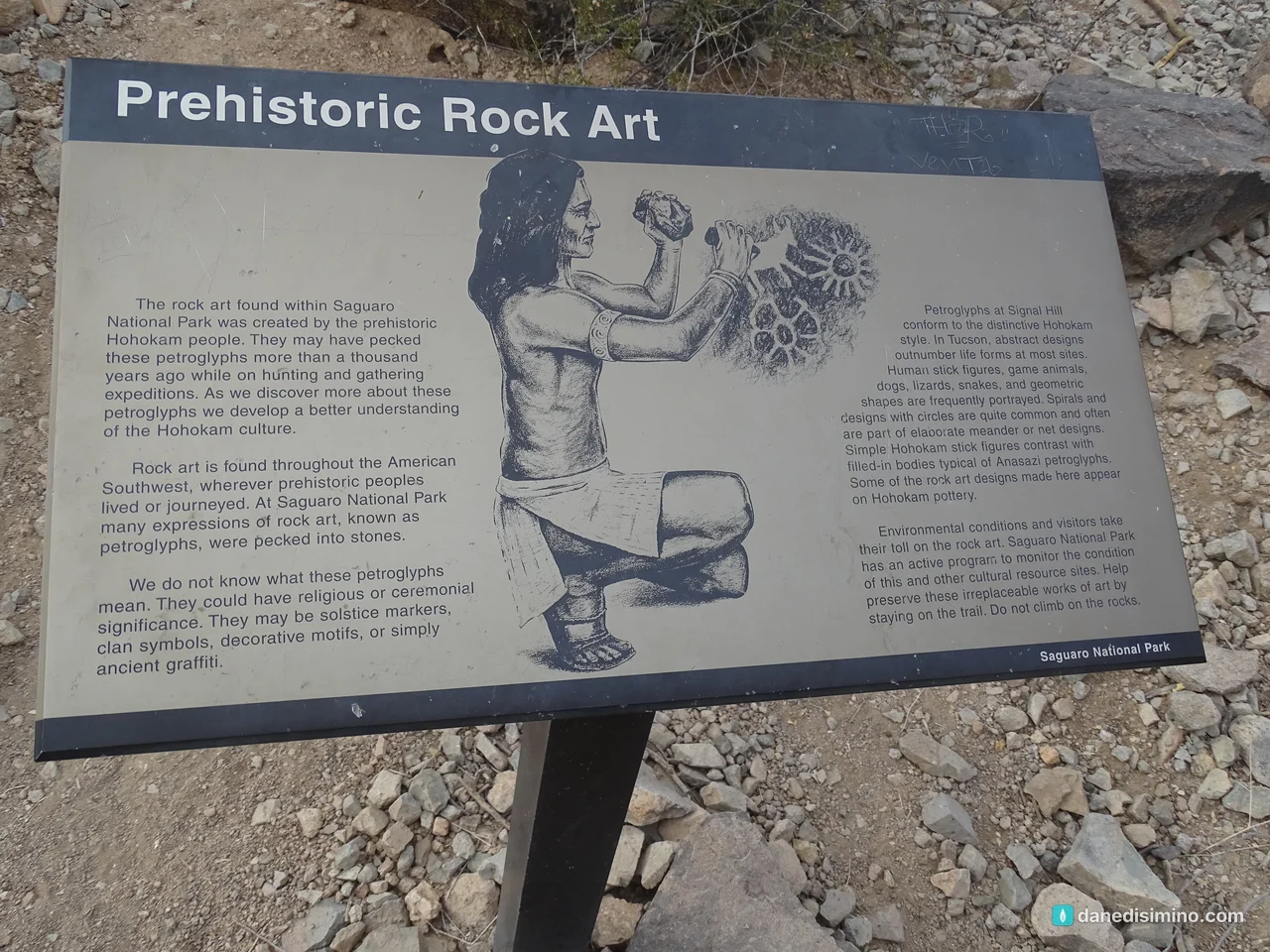
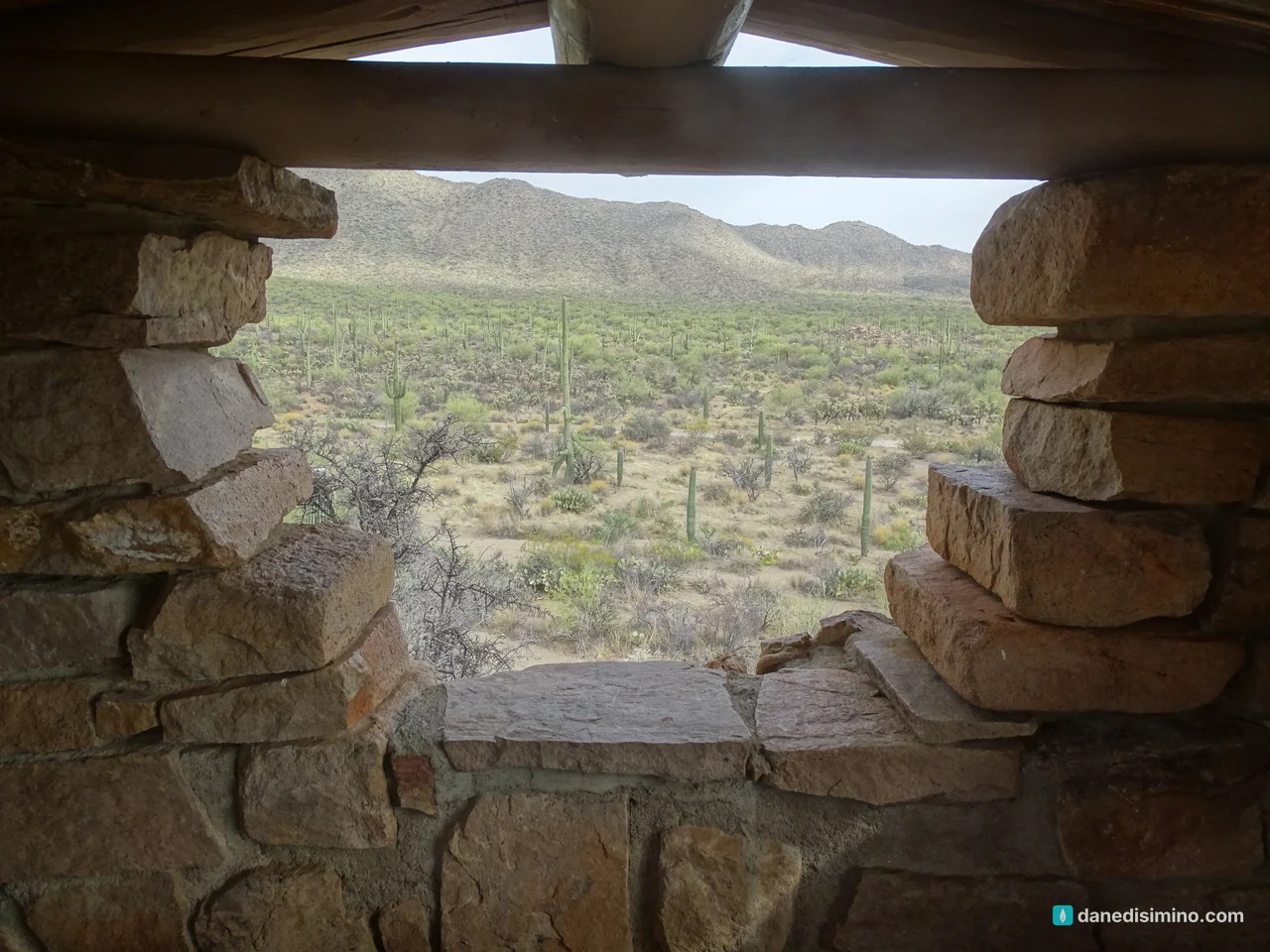
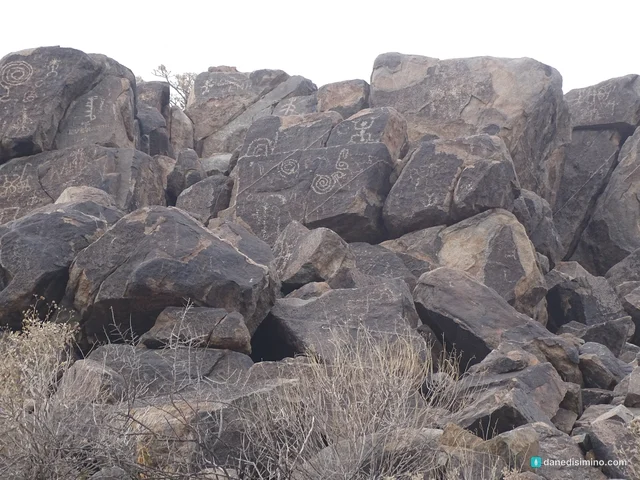
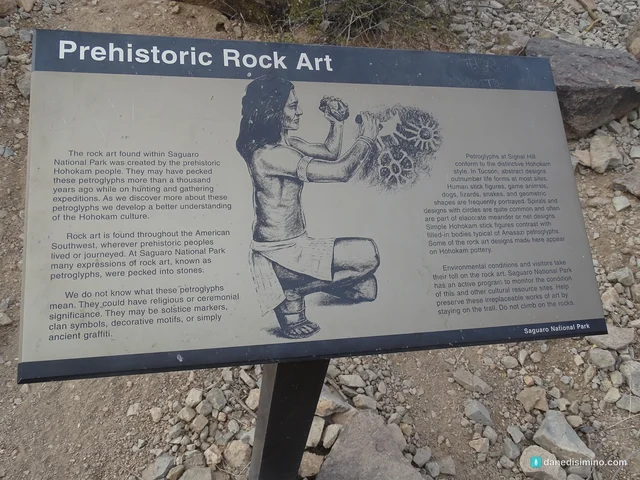
At Signal Hill, a short trail climbs a pile of dark boulders covered in petroglyphs: spirals, circles and figures pecked into the rock by the Hohokam people, probably more than a thousand years ago. Nobody knows exactly what they mean. They may be religious symbols, solstice markers or clan signs.
The weather we got
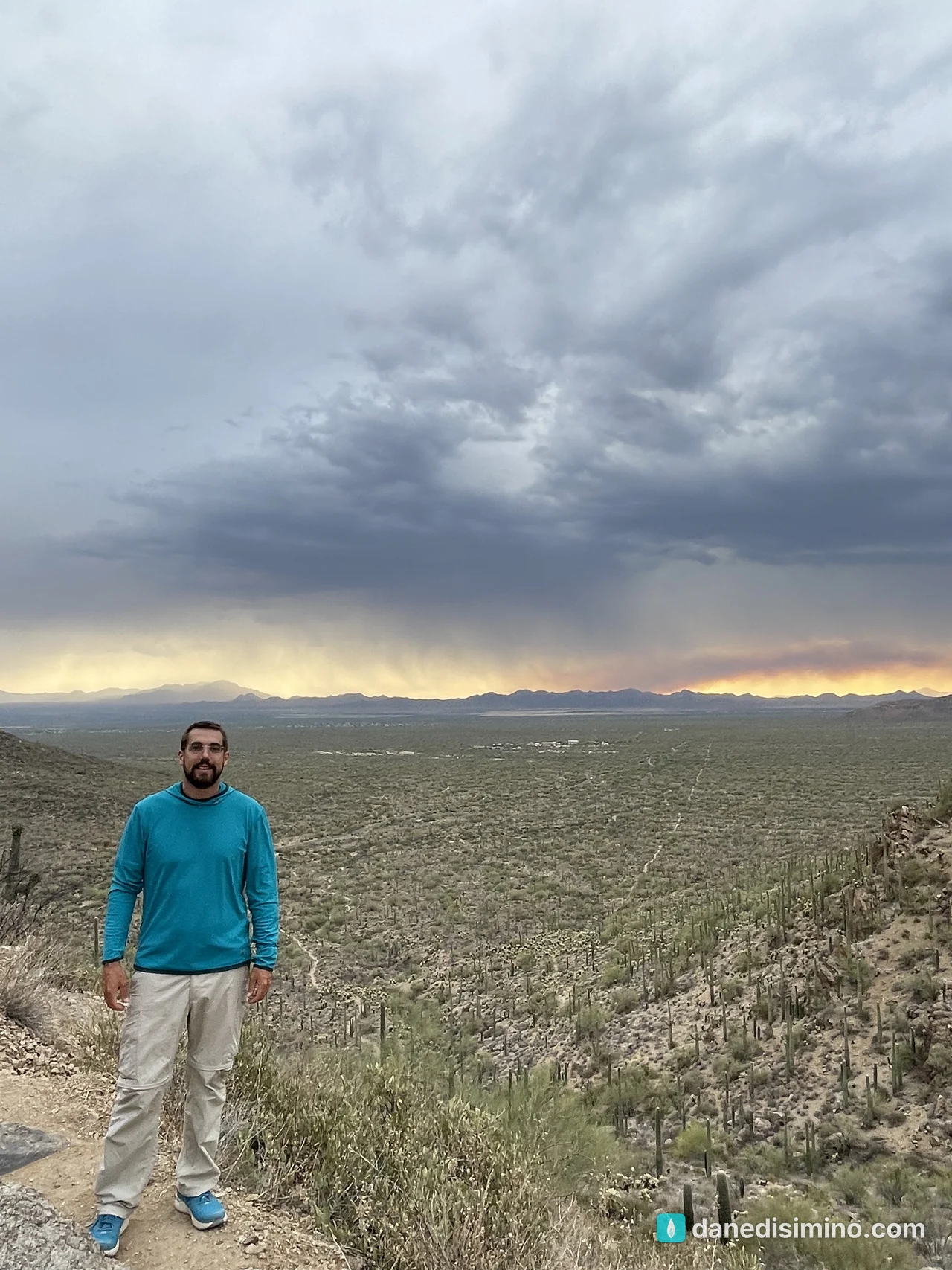
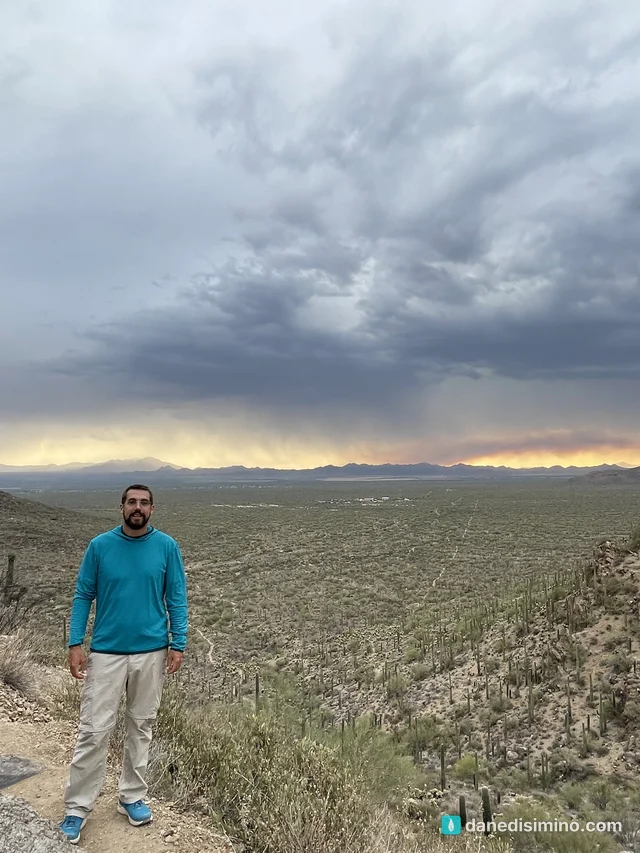
We didn't get great weather. It was overcast and damp, maybe in the 60s, which is rare for that time of year. Looking back, I'm grateful. If it had been blazing sun in mid-June, it could easily have been 100 degrees or more, and we wouldn't have enjoyed walking around nearly as much.
As it turns out, monsoon season had officially started two days earlier. The summer storms usually bring the clouds and rain that cool the desert down.
Gates Pass
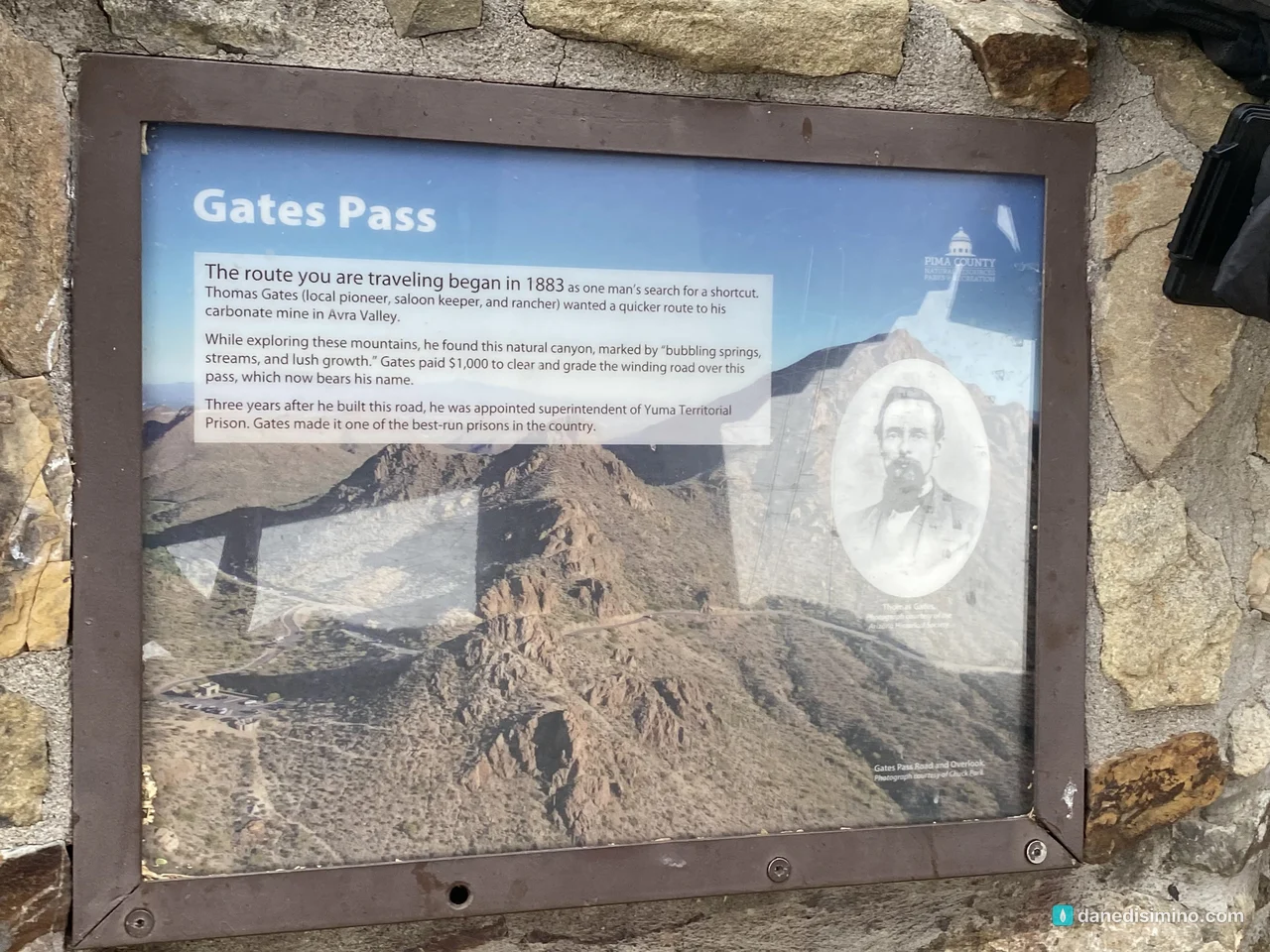
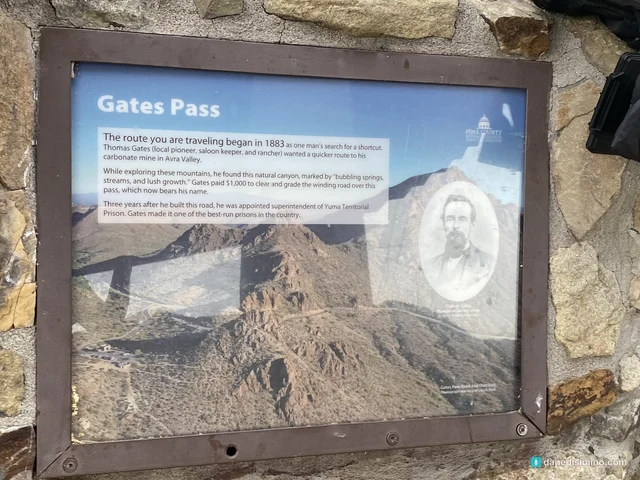
On the way back into Tucson, we stopped at the Gates Pass overlook, just outside the park in Pima County's Tucson Mountain Park. In 1883, a local pioneer named Thomas Gates paid $1,000 to cut a road over this pass as a shortcut to his mine.
What I'd do differently
Visit Chiricahua. In October 2026, Chiricahua National Monument became America's newest national park. It's near Willcox, in the southeast corner of Arizona, with towering rock spires on a "sky island" where desert, grassland and forest meet. Now I have to go back down there. Maybe that's the point.
See both districts. We only saw Saguaro West. The Cactus Forest Loop in Saguaro East is the other classic.
Come in cooler months, or on a cloudy day. Late fall through spring is the comfortable season.
What Saguaro taught me
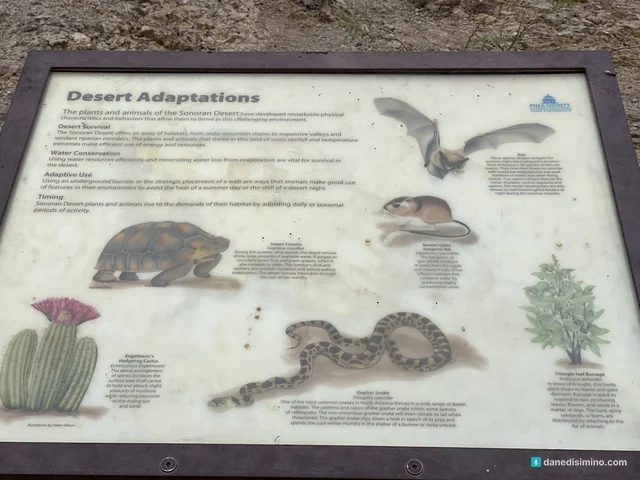
Saguaro taught me that the desert isn't empty. We walked into what I expected to be a barren place, and it was full of life: birds singing, lizards running, fruit ripening on top of cactus taller than a house.
"Even the wilderness and desert will be glad in those days. The wasteland will rejoice and blossom with spring crocuses." (Isaiah 35:1, NLT)
God brings life to the driest places.
Questions?
Ask me anything about Saguaro: when to go, which district to visit, how to handle the heat, or adding Chiricahua to the trip. I answer every question.
Photos
Sources
Pathlight
Park guides from the road. A printable trip sheet comes with them when one is ready.